
Landscaping
Transforming a simple garden bed into a showstopper starts with the right border. These 10 stylish edging ideas blend functionality with aesthetics, whether you're framing a vegetable patch, herb garden, or floral display.
Natural Stone Edging with Moss Accents
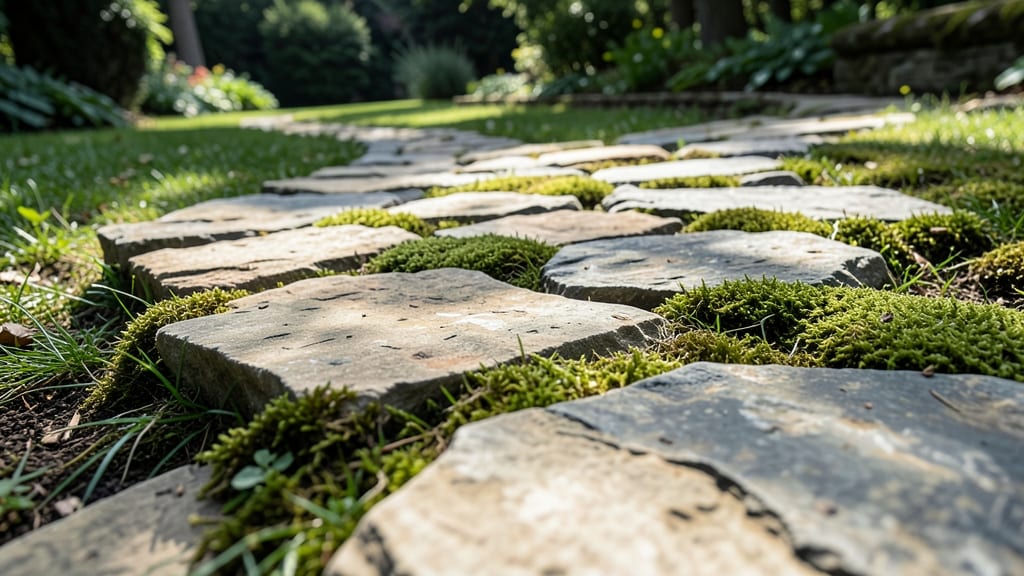
Want a garden border that looks like it’s been there for centuries—without the upkeep? Natural stone edging with moss accents brings the beauty of a forest floor to your landscape, blending seamlessly with woodland-style gardens or rustic designs.
Start by selecting irregularly shaped stones like river rocks or slate, arranging them in a loose, organic curve to mimic natural erosion patterns. The real magic happens when you let moss grow between the gaps—it thrives in shaded areas, softens the look, and suppresses weeds. For best results, choose stones with rough textures to help moss cling, and water lightly after installation to encourage growth.
This border is perfect for gardeners who love low-maintenance solutions with high visual impact. The stones require no staining or sealing, and the moss grows naturally once established, making it ideal for beginners or those who prefer a hands-off approach. 🌿
Brass or Copper Metal Garden Edging
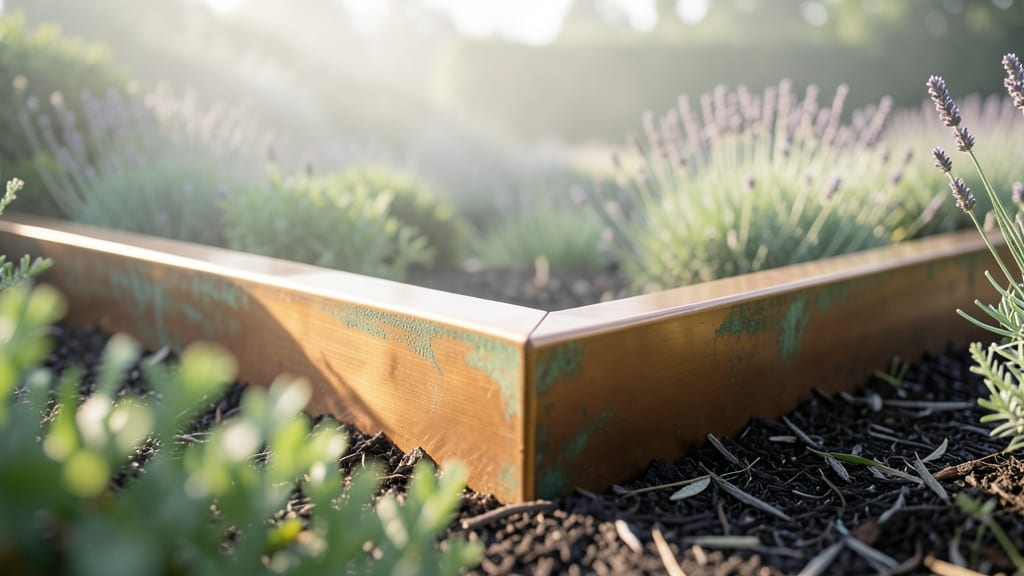
Want to give your formal garden an instant upgrade? Brass or copper metal edging transforms geometric designs into high-end statement pieces while developing a stunning, weathered patina over time. This isn't just edging—it's a design element that evolves with your landscape, adding character as it ages.
These metals work beautifully with boxwood hedges, lavender borders, or modern perennial beds, creating sharp lines that contrast elegantly with soft plant textures. The patina process (where copper develops its signature greenish hue) takes 1-3 years but enhances the garden's natural beauty. For extra durability, choose heavy-gauge metal that won't bend under pressure from roots or foot traffic.
Perfect for homeowners who love timeless luxury or urban gardeners with limited space, this edging requires minimal maintenance beyond occasional polishing. It's the ideal choice for those who want their garden to look as sophisticated as their home. ✨
Wooden Sleepers for Rustic Charm
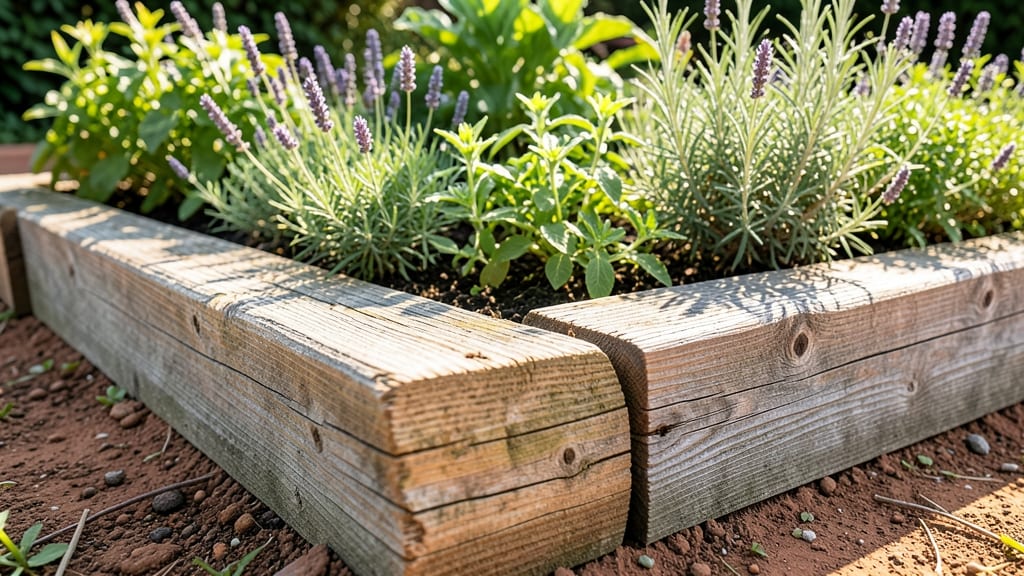
Looking for a border that feels both functional and effortlessly charming? Wooden sleepers bring rustic warmth to your garden while creating a natural raised effect—perfect for vegetable patches or cottage-style plots. These sturdy, weathered planks are a budget-friendly alternative to stone or metal, offering a lived-in aesthetic that evolves over time.
Start by arranging the sleepers in a staggered pattern to create depth and prevent soil erosion. For vegetable gardens, elevate the bed slightly (4-6 inches) to improve drainage and extend the growing season. Use untreated cedar or redwood for longevity, as they resist rot better than pine. Pair them with herbs like thyme or rosemary, which spill beautifully over the edges, softening the look while adding fragrance.
This option is ideal for gardeners who love a low-maintenance, informal style—no precise measurements or expensive materials required. The rustic charm only grows more appealing as the wood ages. 🌿
Galvanized Steel Trough Edging
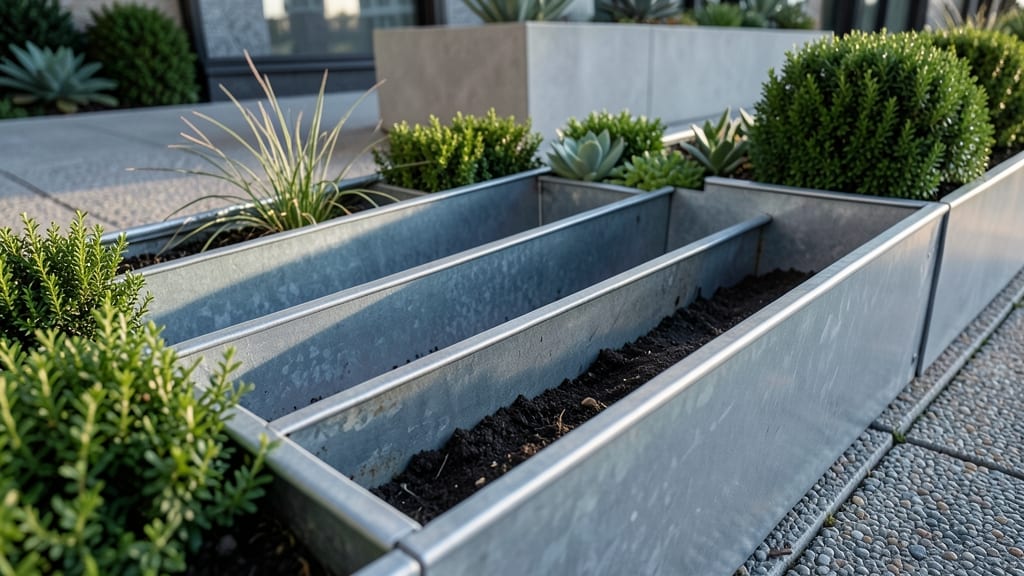
Looking for a border that screams "modern urban garden" without sacrificing durability? Galvanized steel troughs deliver that industrial-chic edge while adding functional height to your beds—perfect for rooftop gardens or tight city spaces where every inch counts.
These rust-resistant troughs create built-in planters that elevate your design while keeping soil contained. Fill them with drought-tolerant succulents or vibrant annuals like petunias for a pop of color that won’t fade. The pre-galvanized coating ensures longevity, even in harsh weather, and their stackable design lets you create custom heights or cascading layers. Urban gardeners will love how they define spaces without taking up precious ground area.
This border is ideal for those who want low-maintenance structure with a bold aesthetic—think sleek sidewalks or minimalist balconies. The reflective steel also adds a subtle shimmer when the sun hits just right. 💡
Pebble or Gravel Edging Pathways
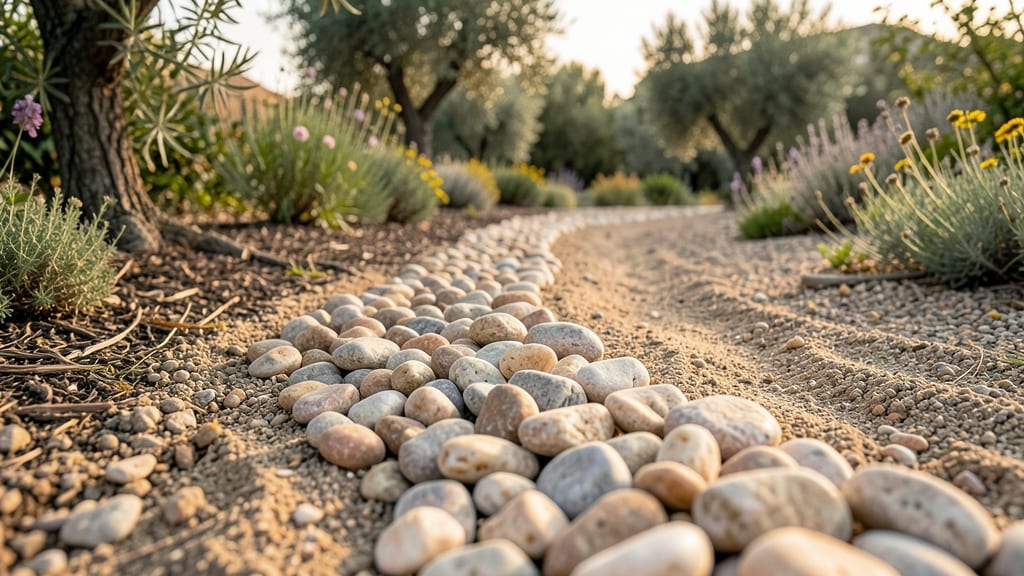
Want a border that feels like it belongs in a Mediterranean retreat but won’t require constant upkeep? Pebble or gravel edging delivers that effortless elegance while adapting to almost any garden style. These soft, natural materials create seamless transitions between beds, especially in sandy or dry climates where other borders might erode or fade.
Start by laying down a landscape fabric to prevent weeds, then add a 2-3 inch layer of pebbles or gravel along the bed’s perimeter. For a polished look, choose uniformly sized river rocks or decomposed granite—both resist shifting and complement drought-tolerant plants like lavender or rosemary. The key is to keep the edges slightly curved to mimic natural pathways, and top with a thin layer of sand to lock everything in place.
This border thrives in low-maintenance gardens, urban courtyards, or even container gardens where you want a cohesive, earthy look. It’s especially ideal for gardeners in sandy soil regions who want to avoid heavy materials that might sink or shift over time. 🌻
Living Edges with Creeping Thyme
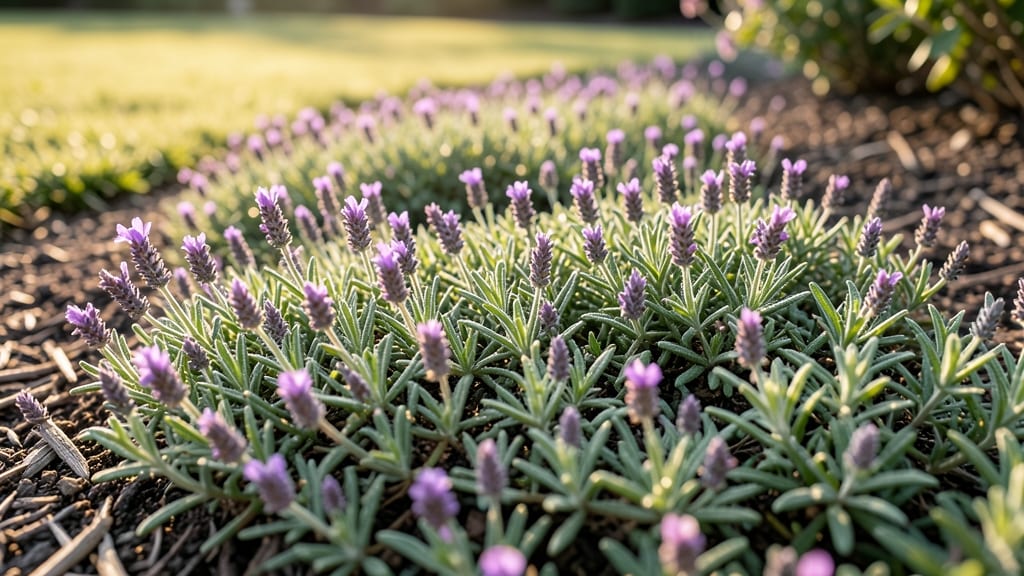
Tired of battling weeds along your garden edges? Creeping thyme transforms problem spots into a fragrant, weed-suppressing border that requires almost no effort. This hardy ground cover thrives in full sun and spreads quickly to create a dense, purple-blooming carpet that smells amazing when brushed against.
Plant creeping thyme along the perimeter of your beds in early spring, spacing plants about 12 inches apart to encourage rapid spread. It tolerates poor soil and drought once established, making it perfect for sunny, low-maintenance areas. The tiny flowers attract pollinators, while its woody stems prevent soil erosion—no mulch or edging materials required!
Urban gardeners and busy homeowners will love this solution—it’s a living border that grows more beautiful each year with minimal care. 🌿
Concrete or Brick Curbstone Edging
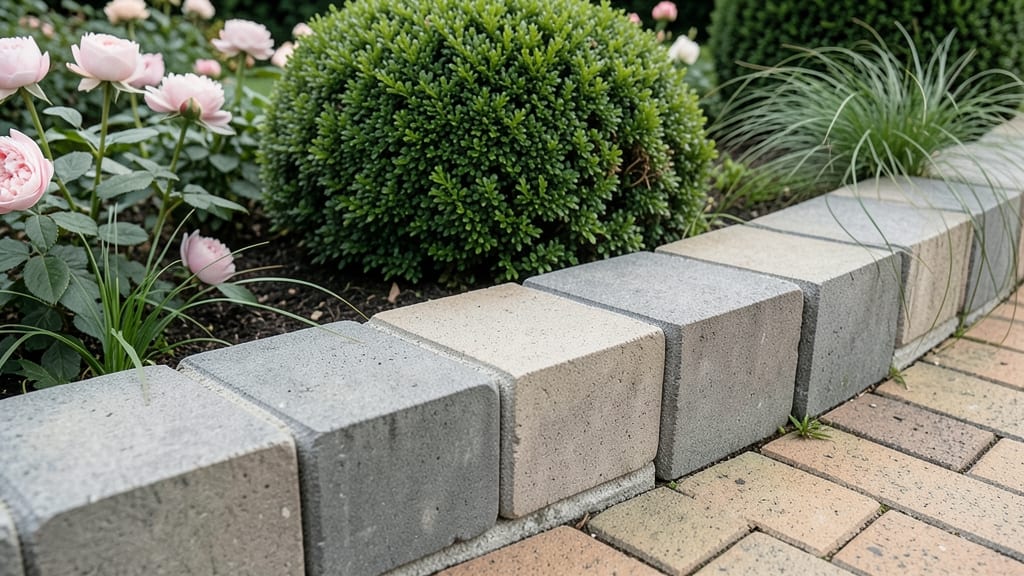
When your garden needs a border that says "timeless elegance," concrete or brick curbstones deliver unmatched structure and sophistication. Unlike softer materials that shift over time, these edgings create crisp, clean lines that define formal gardens and high-traffic areas—perfect for framing perennial beds or foundation plantings.
Installation is straightforward: simply lay the curbstones in a trench, backfill with gravel for drainage, and tamp firmly. For extra stability in clay-heavy soils, add a sand bed before setting. The durability of concrete or brick means they resist erosion and foot traffic, making them ideal for pathways or borders near patios. Pair them with mulch to keep weeds at bay and highlight the architectural lines.
This border style thrives in formal landscapes but also works beautifully in cottage gardens when softened with climbing roses or lavender. It’s the ultimate choice for gardeners who want long-lasting structure without sacrificing style. ✨
Wrought Iron or Black Metal Garden Edging
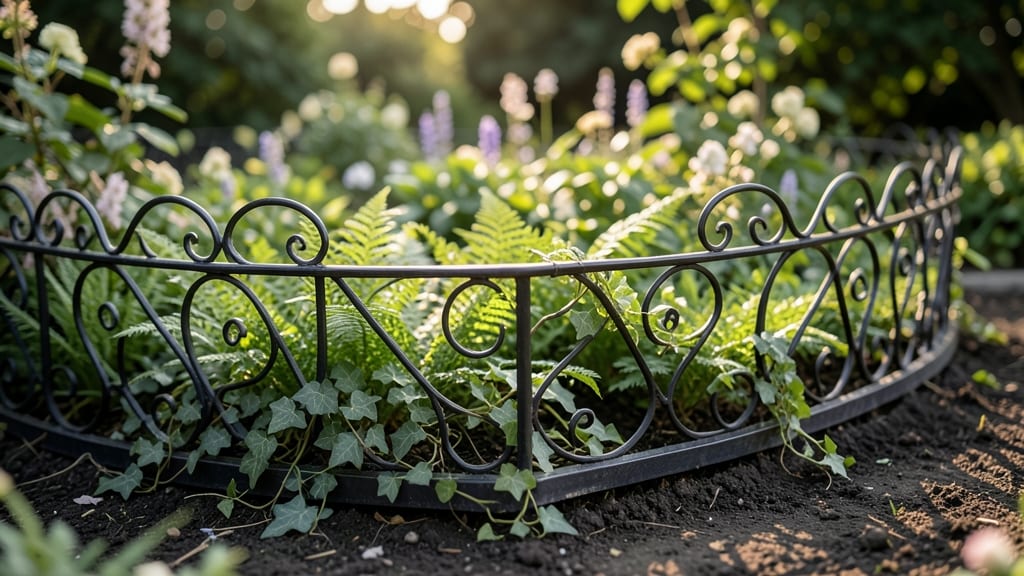
Step into a Victorian-era garden with wrought iron or black metal edging that frames your beds like a vintage postcard. These ornate designs aren’t just decorative—they channel water away from plants, reducing erosion while adding charm to cottage-style gardens.
Look for scrollwork patterns or lattice styles that complement climbing roses or trellises. Black metal options resist rust better than iron and pair beautifully with pastel flowers. Install by securing stakes into the soil at 12-inch intervals along your bed’s perimeter, then attach the edging with landscape staples.
This border shines in heritage gardens or as a focal point for entryways. Gardeners with a love for history or intricate details will adore how it elevates any space with timeless elegance. ✨
Plastic or Composite Landscape Edging
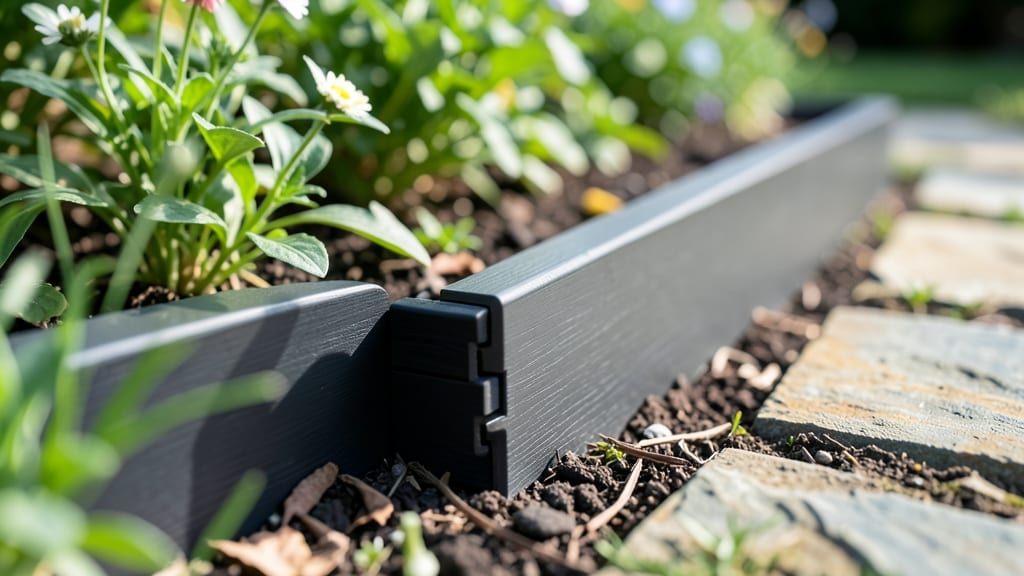
Tired of heavy materials that require heavy lifting? Plastic or composite landscape edging is the lightweight hero of garden borders, offering a rot-proof, rust-proof solution that’s as easy to install as snapping together puzzle pieces.
Available in sleek colors like black, gray, or even wood-grain textures, these edging materials create clean lines without the upkeep of metal or the decay of wood. Most designs interlock for a secure fit in under an hour, making them ideal for DIYers or temporary layouts like seasonal containers or trial gardens. Plus, they won’t warp in damp soil or fade under UV rays.
This is the perfect choice for urban gardeners, renters, or anyone who wants a polished look without the permanence—or the price—of stone or brick. 🌻
Mulch Rings with Recycled Materials

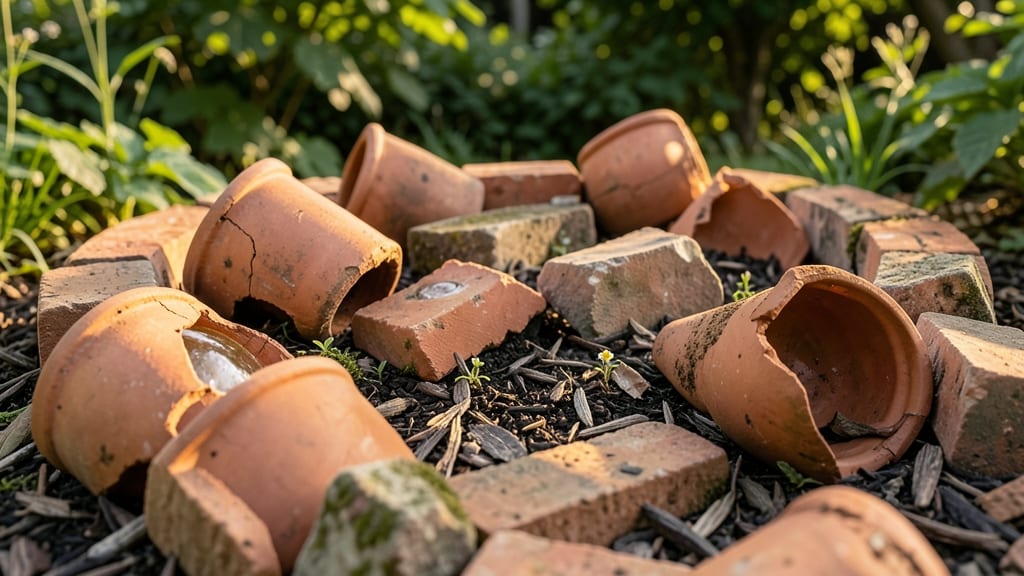
Transform your garden’s edges into a sustainable statement by creating mulch rings from broken terra cotta pots or bricks. This eco-friendly approach repurposes materials you might otherwise discard, while adding a rustic charm that blends seamlessly into natural landscapes.
Start by collecting broken pots or bricks from garden projects or construction sites. Arrange them in a circular or semi-circular pattern around your garden bed, nesting them together like puzzle pieces. Fill the gaps with wood chips or straw mulch to create a cohesive, textured border that suppresses weeds and retains moisture. The earthy tones of terracotta or brick complement any plant palette, from hostas to perennials.
This method is perfect for gardeners who prioritize sustainability and low-maintenance solutions. It’s especially ideal for woodland gardens or cottage-style plots where natural textures shine. Plus, it’s a great way to teach kids about recycling in the garden! 🌿