
Landscaping
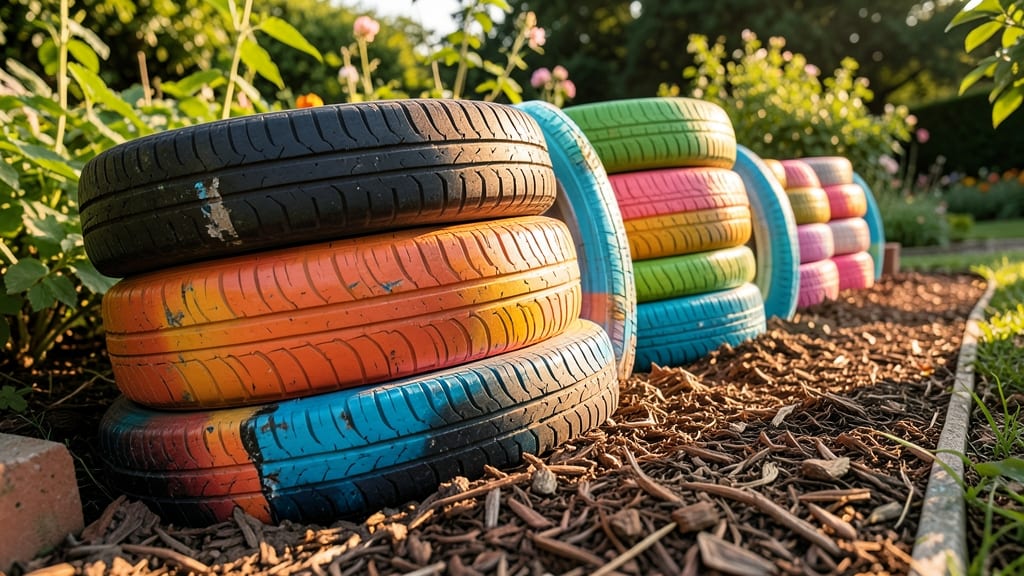
Mulch bed edging transforms a simple garden border into a polished, professional feature. These 10 timeless designs—from rustic to refined—help control mulch, prevent weed growth, and elevate your landscape’s curb appeal effortlessly.
Natural Stone Edging for Classic Elegance
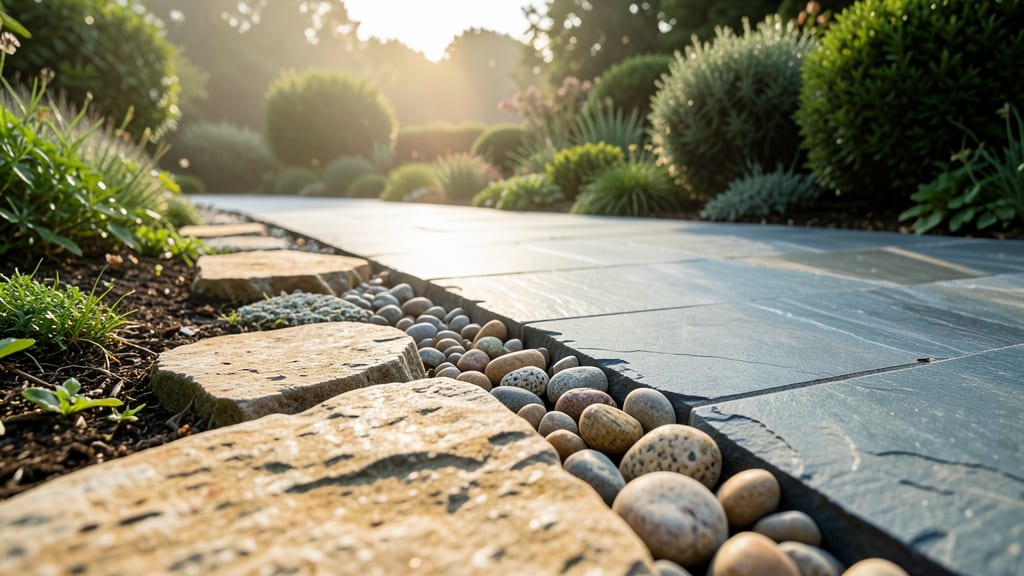
If you love the timeless charm of a traditional garden, natural stone edging is the perfect way to elevate your borders. Whether you choose flagstone, river rock, or slate, these materials create a seamless transition between your garden and the surrounding landscape while adding structure that lasts for decades.
Stone edging works best when installed along the top edge of your mulch bed, buried just 2-3 inches deep to stay stable. For a softer look, opt for irregularly shaped stones like fieldstone, while sleek flagstone offers a more polished appearance. The key is to select stones that complement your garden’s natural palette—think warm tans, grays, or deep browns to blend with mulch and foliage.
This option is ideal for gardeners who want low-maintenance elegance without sacrificing durability. Stone edging resists rot, pests, and weathering, making it a long-term investment that enhances your garden’s curb appeal year after year. 💚
Wooden Mulch Rings for Rustic Charm
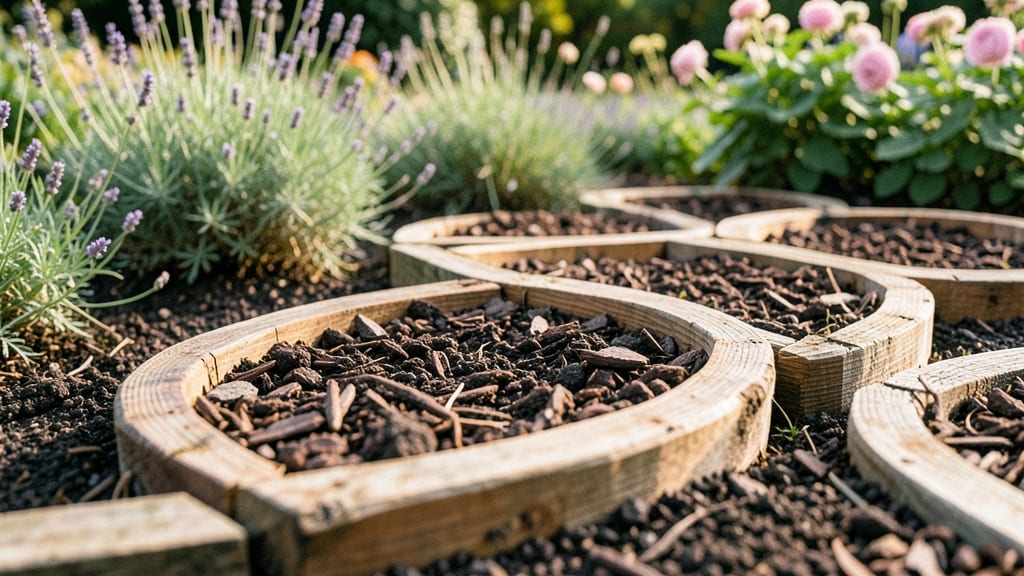
If you love the charm of a cottage garden but dread the upkeep of traditional edging, wooden mulch rings are your secret weapon. These pre-cut, rustic circles create an instant organic border that blends seamlessly with your plants while requiring almost no maintenance—just place and fill with mulch.
Made from untreated wood (like cedar or pine), these rings decompose naturally over 2-3 years, enriching the soil as they break down. Their cozy, irregular shape softens garden edges, making them perfect for circular flower beds or small shrub clusters. For extra durability, opt for pressure-treated wood if your climate is damp, or seal them with a non-toxic wood finish to extend their lifespan.
DIY enthusiasts will love how these rings let you experiment with whimsical shapes—try overlapping them for a layered look or nesting them inside larger rings for depth. They’re ideal for gardeners who want low-maintenance beauty without sacrificing charm. 🌿
Metal Landscape Edging for Modern Precision
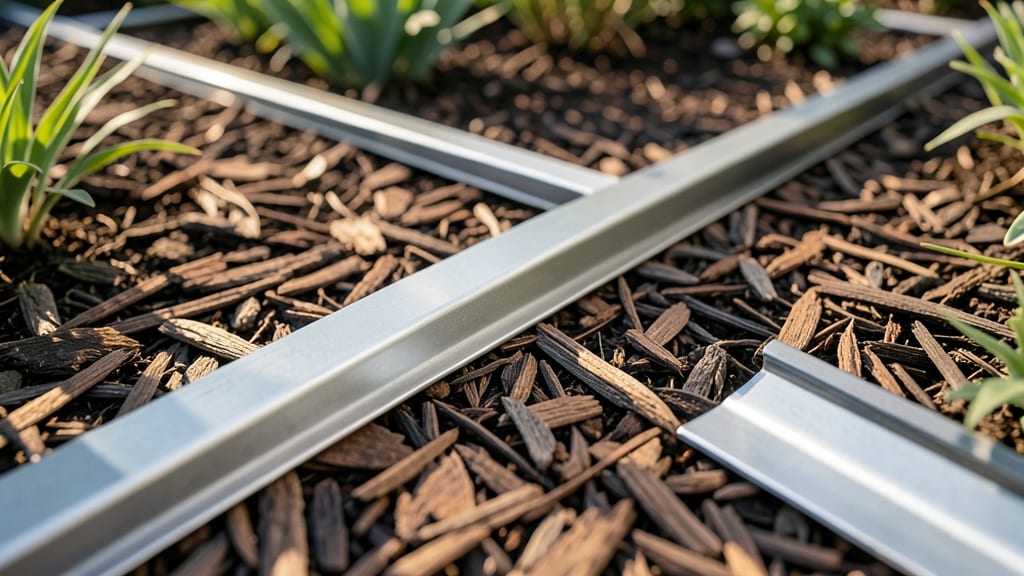
Tired of organic edging that fades or shifts over time? Metal landscape edging delivers the clean lines and durability your modern garden craves, with aluminum or galvanized steel that resists rust and won’t decompose like wood.
This edging creates crisp, geometric borders perfect for contemporary designs, while its lightweight yet sturdy construction handles foot traffic without bending. Bury it just 2-3 inches deep for stability, and choose pre-painted finishes to match your garden’s palette—silver, black, or bronze all work beautifully with mulch.
Ideal for urban gardens, rooftop terraces, or minimalist landscapes, metal edging keeps mulch contained while adding a sleek, architectural edge. 💡
Plastic Snap-Lock Edging for Easy Installation
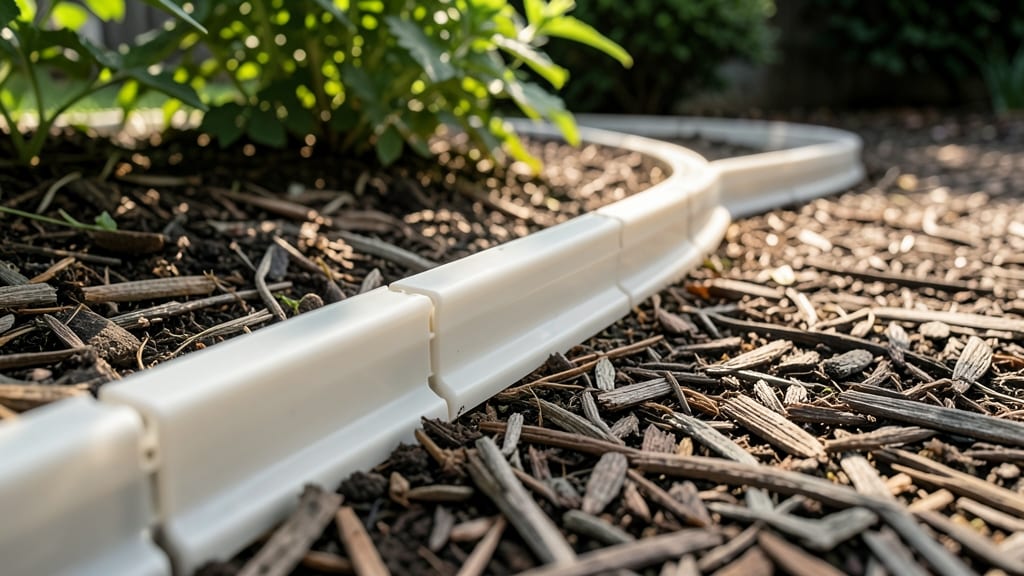
Tired of spending hours weeding around your garden beds? Plastic snap-lock edging is the game-changer for busy gardeners—it snaps together in minutes, blocks weeds, and won’t rot like wood or corrode like metal. This lightweight, flexible material is designed to fit curves and corners effortlessly, making it ideal for temporary layouts or seasonal plantings.
Installation is a breeze: simply snap the interlocking pieces together along your bed’s perimeter and tuck the bottom edge into the soil for stability. The weed-blocking barrier keeps mulch in place while suppressing unwanted plants, saving you hours of backbreaking work. Plus, it’s lightweight enough to move or adjust as your garden evolves—perfect for renters or trial layouts before committing to permanent edging.
This budget-friendly option is a lifesaver for beginners or anyone who wants a clean, polished look without the hassle. No tools required—just snap, tuck, and enjoy your weed-free garden! 🌿
Brick Edging for Timeless Structure
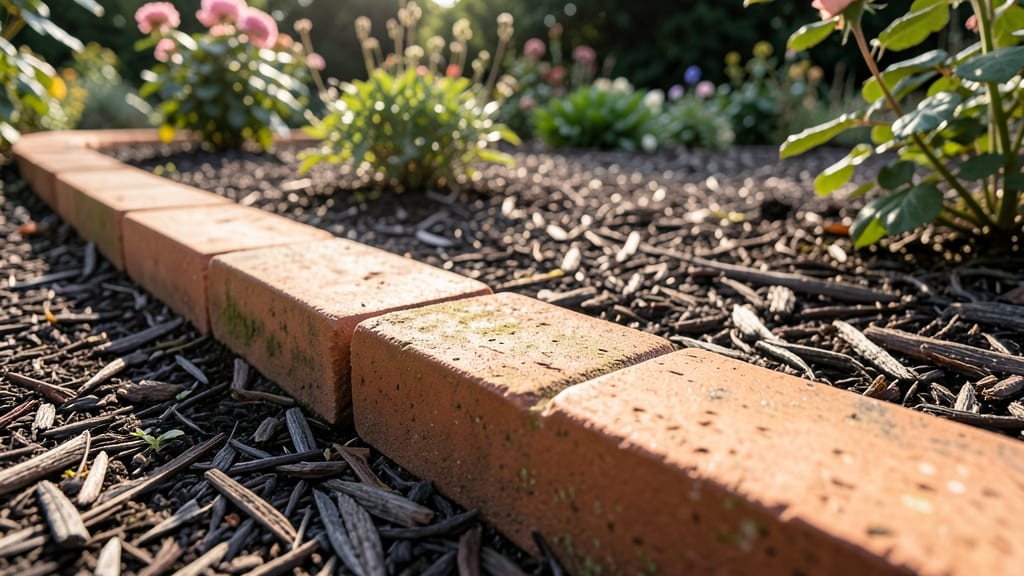
Want a garden border that screams "polished and enduring"? Brick edging delivers that classic, formal look while keeping mulch in place for decades. Unlike temporary materials, bricks resist weather, rot, and shifting—ideal for high-traffic areas or prized plantings like roses or perennials.
Installation is straightforward: lay bricks on a compacted base, then secure with landscape adhesive or sand for stability. For extra durability, use pavers in a herringbone pattern to add visual interest while maintaining structure. This edging works equally well in vegetable gardens, where it defines rows without taking up growing space.
Perfect for traditionalists or those who want a low-maintenance, long-term solution, brick edging elevates any garden’s curb appeal with minimal upkeep. 🌱
Log Stump Edging for Whimsical Appeal
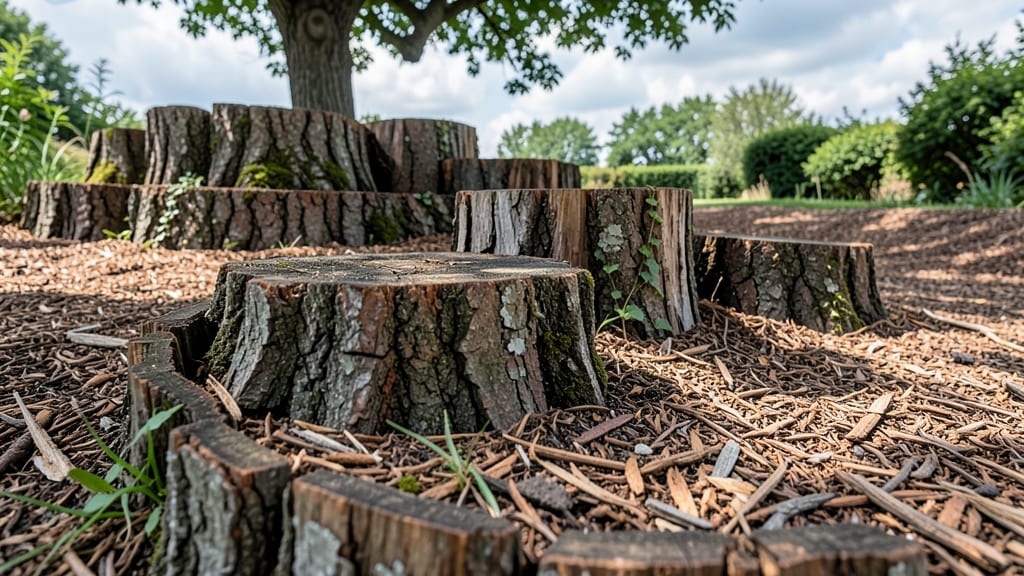
Skip the store-bought edging and turn your next logging project into a whimsical garden feature. Stacked log stumps create a rustic, organic barrier that instantly transforms a mulch bed into a woodland retreat—ideal for kids' play areas or shady garden corners.
Start by selecting stumps with flat tops (or cut them yourself) and arrange them in a zigzag or curved pattern for visual interest. Secure them with landscape fabric and stakes if needed, then fill the center with mulch. The natural texture adds warmth while keeping mulch contained—no sharp edges or maintenance headaches.
Perfect for families or woodland gardeners, this edging brings a playful, earthy vibe that blends seamlessly with native plants. 🌿
Concrete Edging for Low-Maintenance Durability
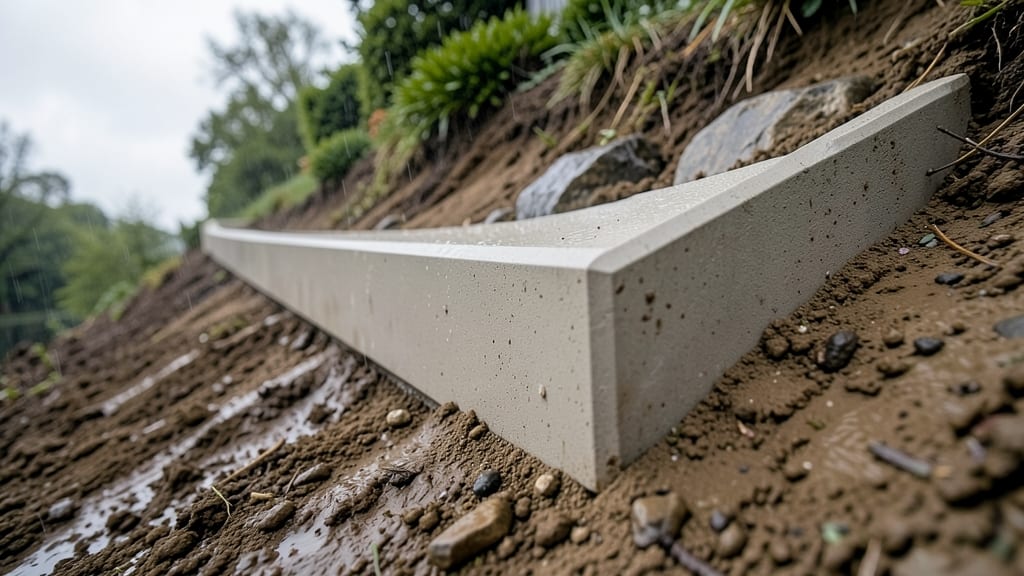
When your garden faces slopes, heavy rain, or erosion risks, concrete edging steps in as the ultimate heavyweight champion. Unlike organic materials that decompose or shift, pre-cast concrete borders stay rigid under pressure, making them the go-to for high-moisture areas or gardens with uneven terrain.
Installation is straightforward: lay the interlocking concrete sections along your bed’s perimeter, then secure them with gravel or sand for extra stability. The smooth, clean lines create a modern, minimalist look that pairs beautifully with boxwood hedges or geometric plantings. For slopes, choose angled or stepped designs to follow the grade naturally while preventing mulch from washing away.
This option is a game-changer for urban gardens, rain gardens, or slopes—where durability matters most. It’s also the perfect choice for gardeners who want a permanent, low-maintenance solution that never rots or warps. 💪
Galvanized Metal Pipe Edging for Industrial Style
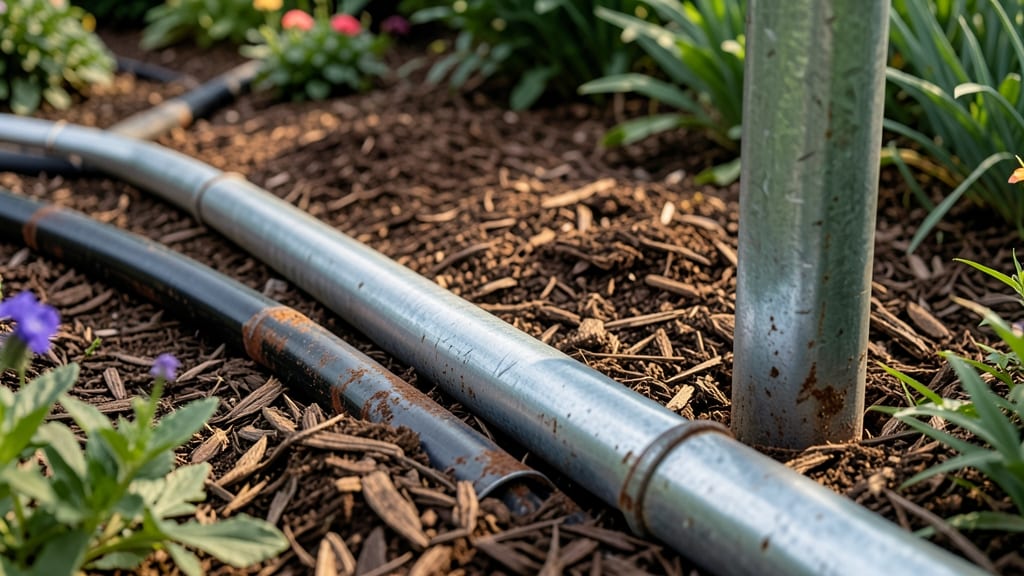
Craving an edgy, urban garden vibe without sacrificing softness? Galvanized metal pipe edging brings bold industrial style to your mulch beds while keeping everything neatly contained. Repurpose old pipes or use decorative tubing in black, silver, or weathered finishes to create a striking contrast against dark mulch and lush foliage.
Installation is simple: cut pipes to size, bury them 4-6 inches deep for stability, and arrange them in straight lines or scalloped patterns for visual interest. Pair with drought-tolerant plants like lavender or ornamental grasses to enhance the modern aesthetic. The metal’s reflective surface also adds subtle shimmer to evening gardens.
Perfect for urban gardeners, rooftop terraces, or minimalist landscapes, this edging transforms ordinary beds into statement pieces. It’s durable, weather-resistant, and requires zero maintenance—just style. ✨
Living Edging with Ornamental Grasses
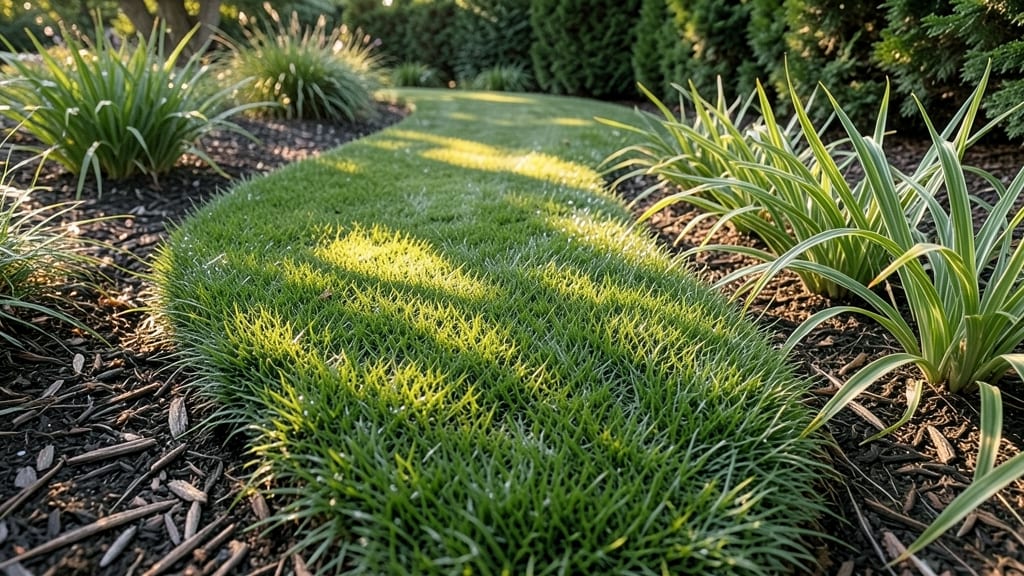
Skip the rigid borders and let nature do the work with living edging—a soft, sustainable solution that grows right into your garden. Ornamental grasses like mondo grass or liriope create a lush, evergreen border that thrives in sun or shade, requires zero mulch containment, and even deters weeds with their dense growth.
These grasses are the ultimate low-maintenance choice: simply plant them in a tight, 12-inch-wide strip along your bed’s edge, water occasionally, and trim back in early spring. Mondo grass stays compact at just 6 inches tall, perfect for crisp, formal edges, while liriope adds height and texture with its arching blades. Both handle drought once established and resist pests, making them ideal for eco-conscious gardeners.
Perfect for cottage gardens, modern landscapes, or pollinator-friendly spaces, living edging adds movement and texture while blending seamlessly with your plants. It’s the only border that grows more beautiful with time! 🌱
DIY Recycled Tire Edging for Eco-Friendly Gardens

Turn your old tires into a vibrant, eco-friendly garden border that’s as functional as it is fun! This creative solution repurposes discarded tires—often headed for landfills—into durable, customizable edging that adds a pop of color while keeping mulch neatly contained. Paint them in cheerful hues to match your garden’s theme, or leave them natural for a rustic look that blends with the earth.
Start by cutting tires into half-circles or strips (use a reciprocating saw for clean edges), then bury them 3-4 inches deep along your bed’s perimeter for stability. For extra durability, line the inside with landscape fabric to prevent tire degradation over time. This edging is perfect for kids’ gardens, pathways, or raised beds, offering a playful yet practical alternative to traditional materials.
Eco-conscious gardeners and families with little ones will love this zero-waste, budget-friendly option that transforms trash into treasure. Plus, it’s easy to move or repaint as your garden evolves! ✨