
Pruning
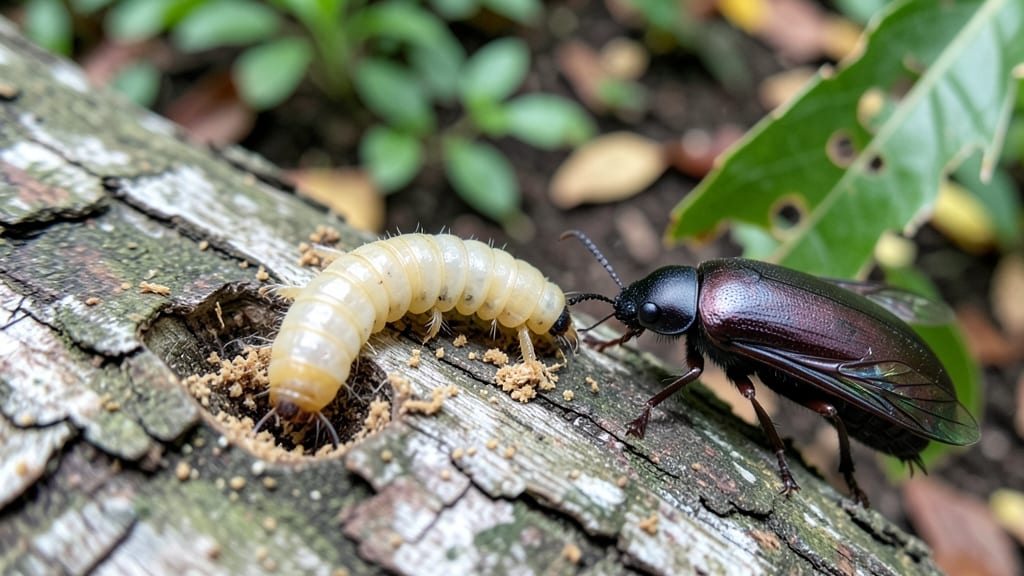
Fruit tree borers turn your backyard harvest into a nightmare of sawdust and wilting branches. 🌳 After losing two peach trees to these pests, I finally cracked the code on early detection and organic prevention—no harsh chemicals required.
The damage starts small: tiny holes, frass (that sawdust-like debris), and leaves that suddenly droop. By the time you see the adult moths, it's often too late. But healthy trees fight off borers better, and a few simple sprays at the right time can save your fruit crop.
You'll learn to spot the signs before they spread, use natural sprays that work, and maintain tree health so borers never get a foothold. My trees now produce full harvests every year—no frass in sight. This works for apples, peaches, cherries, and plums alike. Let's get those trees protected!
The Hidden Triggers Behind Tree Damage
Fruit tree borers don’t just appear out of nowhere—they’re drawn to specific conditions that make your trees vulnerable. Understanding these triggers is the first step in preventing an infestation.
Let’s break down the key reasons why these destructive pests target your fruit trees, so you can address the root causes before they strike.
Healthy trees have strong bark and natural defenses, making them less appealing to borers. But when trees are stressed, they become easy prey. Here’s what weakens them:
- Poor nutrition: Trees lacking nitrogen, phosphorus, or potassium struggle to maintain thick bark and robust growth. Borers detect these deficiencies and lay eggs in weakened areas.
- Drought stress: Prolonged dry spells force trees to divert energy to survival, leaving their bark brittle and vulnerable to borer larvae burrowing in.
- Physical damage: Cuts from pruning tools, storm wounds, or even animal scratches create entry points. Borers exploit these openings to infiltrate the tree’s vascular system.
- Disease pressure: Fungal infections (like canker or root rot) compromise a tree’s immune response, making it an easy target for borers seeking a meal.
💡 Pro Tip: Regularly inspect your trees for signs of stress—yellowing leaves, oozing sap, or dead branches—and address issues promptly. A well-fed, hydrated tree is the best defense against borers.
Borer larvae thrive in specific environmental conditions that create the perfect storm for infestation. These pests are opportunistic, and their life cycles accelerate when:
| Factor | Why It Matters |
|---|---|
| Warm, humid climates | Borer eggs hatch faster in temperatures between 70–90°F (21–32°C). High humidity keeps larvae moist, speeding up their development. |
| Deciduous trees in late summer/fall | As trees prepare for dormancy, their sap flow slows, making them easier targets. Borers time their attacks to coincide with this weakened state. |
| Overcrowded orchards | Poor airflow and shade create damp conditions, while dense foliage hides borer activity. Prune strategically to reduce hiding spots. |
| Freshly cut or wounded wood | Borer moths are drawn to the scent of sap and exposed cambium layers. Even small pruning wounds can become infestation gateways. |
🌡️ Climate Alert: If you live in a warm, humid region, monitor your trees closely during peak borer seasons (late summer to early fall). Traps or early pruning can disrupt their life cycle.
Borer moths don’t randomly choose trees—they’re lured by specific signals. Here’s what makes your fruit trees a buffet:
- Scent of stressed sap: Trees under drought or disease produce volatile organic compounds (VOCs) that borer moths detect from afar. Think of it as a distress signal.
- Freshly pruned or damaged bark: The exposed inner layers of wood release pheromone-like cues that attract female moths to lay eggs.
- Weak structural integrity: Cracks, peeling bark, or old wounds provide easy access for larvae. Borers prefer trees where they can burrow with minimal resistance.
- Overripe or fallen fruit: Some borer species are drawn to orchards with rotting fruit, which signals decay and potential hosts.
✨ Prevention Hack: Seal pruning cuts with tree wound paint or prune during the dormant season (late winter) to minimize exposure. Remove fallen fruit promptly to reduce attractants.
By tackling these underlying causes—stress, environment, and attractants—you can make your fruit trees less appealing to borers. The next step? Learning how to disrupt their life cycle naturally.
Quick Fixes for Wormy Fruit Trees
Fruit tree borers may seem like a persistent nightmare, but with the right approach, you can restore your trees to health—without relying on harsh chemicals. Below, we break down targeted solutions based on the root causes of infestations, from early detection to long-term prevention.
Think of this as your step-by-step battle plan to reclaim your orchard!
If you spot sawdust-like frass near the trunk, oozing sap, or weakened branches, you’re in the early stages of an attack. These are your warning signals to intervene before the borers tunnel deeper.
🛠️ Step 1: Prune Infested Branches
Use clean, sharp pruners to remove any branches with visible holes, sawdust, or sap. Cut 6 inches below the damage to ensure you eliminate the larvae hiding inside. Dispose of the cuttings in a sealed bag—do not compost them!
🧽 Step 2: Clean the Wounds
After pruning, sterilize the cuts with a mix of:
- 1 part hydrogen peroxide (3%)
- 1 part water
Apply with a brush to kill any remaining larvae and prevent fungal infections. For larger wounds, use pruning sealant to protect the tree.
🐛 Step 3: Trap and Remove Larvae
Borer larvae are most vulnerable when they’re near the surface. Use a wooden skewer or wire to poke into the holes and drag out any wriggling larvae. Drop them in soapy water to dispatch them humanely.
If borers have burrowed deep, heat can flush them out. This method is especially effective for young trees or small infestations.
☀️ Step 1: Solarize the Trunk
Wrap the infested area (and a few inches above/below) in clear plastic wrap. Secure it tightly with tape or wire. Leave it in place for 2–3 days in direct sunlight—the trapped heat will cook the larvae inside.
🔥 Step 2: Follow Up with Boiling Water
For stubborn cases, pour boiling water directly into the holes. The sudden heat will kill larvae at all stages. Repeat weekly for 2–3 weeks to ensure no survivors remain.
Prevention is your best defense! These non-toxic sprays disrupt borer life cycles while keeping your fruit safe to eat.
🍋 Citrus Oil Spray (Larvicide & Repellent)
Mix:
- 1 tsp citrus oil (or orange/lemon peel extract)
- 1 tsp dish soap (as an emulsifier)
- 1 quart water
Spray the trunk, branches, and soil around the base every 2 weeks during borer season (spring to early summer). The scent confuses their pheromone trails and smothers eggs.
🌿 Neem Oil Solution (Systemic Protection)
Combine:
- 2 tbsp neem oil
- 1 tsp horticultural oil
- 1 quart water
- 1 tsp soap (to help it stick)
Spray thoroughly on leaves and bark. Neem oil disrupts molting in larvae, preventing them from maturing. Reapply after rain.
🐝 Beneficial Nematodes (Underground Defense)
For root borers, apply beneficial nematodes (Heterorhabditis bacteriophora) to the soil. These microscopic worms seek out and kill borer larvae without harming plants. Water the base of the tree with a nematode solution every 4–6 weeks during growing season.
Stop borers before they start with these proactive habits:
🌳 Tree Health First
- Water deeply but infrequently—borers love stressed trees. Aim for 1–2 inches of water per week.
- Mulch properly with wood chips or straw to retain moisture and deter borers.
- Avoid over-fertilizing—too much nitrogen attracts pests.
🕵️ Regular Inspections
Check your trees monthly for:
- New holes or frass piles.
- Wilting leaves or epinasty (curling downward).
- Sap oozing from cracks.
💡 Pro Tip: Use a flashlight at dusk—adult borers are most active then!
🌿 Companion Planting
Plant borer-repelling companions near your fruit trees:
- Marigolds (release alpha-terthienyl, a natural borer deterrent).
- Garlic or chives (their sulfur compounds confuse borer pheromones).
- Basil (deters moths, which lay borer eggs).
🧹 Sanitation Matters
Remove and destroy:
- Infested branches or fruit mummies.
- Weeds and debris near the tree base.
- Old tree wounds or bark that’s peeling.
✨ Pro Tip: Wrap young tree trunks with tree guard (plastic or metal) to prevent adult borers from laying eggs.
With these strategies, your fruit trees can bounce back—and stay borer-free. The key is consistency: combine early action with preventive care, and you’ll outsmart these sneaky pests before they become a full-blown crisis. Happy gardening!
Frequently asked questions
What do fruit tree borer holes look like?
Look for small, round holes (about 1/16-inch wide) in the bark, often oozing sap or filled with sawdust-like frass (borer waste). Check the trunk, branches, and where limbs meet the trunk—these are their favorite entry points. The holes may also have tiny exit holes where adult moths emerge.
Can fruit tree borers kill my tree?
Yes, if left untreated, borers can girdle the tree by cutting through its vascular system, which transports water and nutrients. A heavily infested tree may show wilting leaves, dying branches, or even collapse. Early intervention (like pruning and sprays) can save it—don’t wait until you see major dieback!
How often should I apply neem oil for borer prevention?
Apply neem oil every 2-4 weeks during borer season (spring to early fall). For best results, spray in the evening when moths are active. Mix 2 tablespoons neem oil with 1 teaspoon soap and 1 quart water, and cover all bark surfaces. Reapply after rain to maintain protection.
Are there any natural predators that help control borers?
Yes! Woodpeckers, nuthatches, and some beetles feed on borer larvae. Encourage them by planting bird-friendly trees and avoiding pesticides. Parasitic wasps (like Goniozus legneri) also target borer eggs—introduce them if available through local extension services.
Why do borers attack some trees but not others?
Borers target stressed or damaged trees. Healthy trees with thick bark, proper nutrition, and good airflow resist attacks. Weak trees (from drought, poor soil, or disease) become easy targets. Prune properly, water consistently, and fertilize appropriately to make your trees less appealing.