
Shrubs
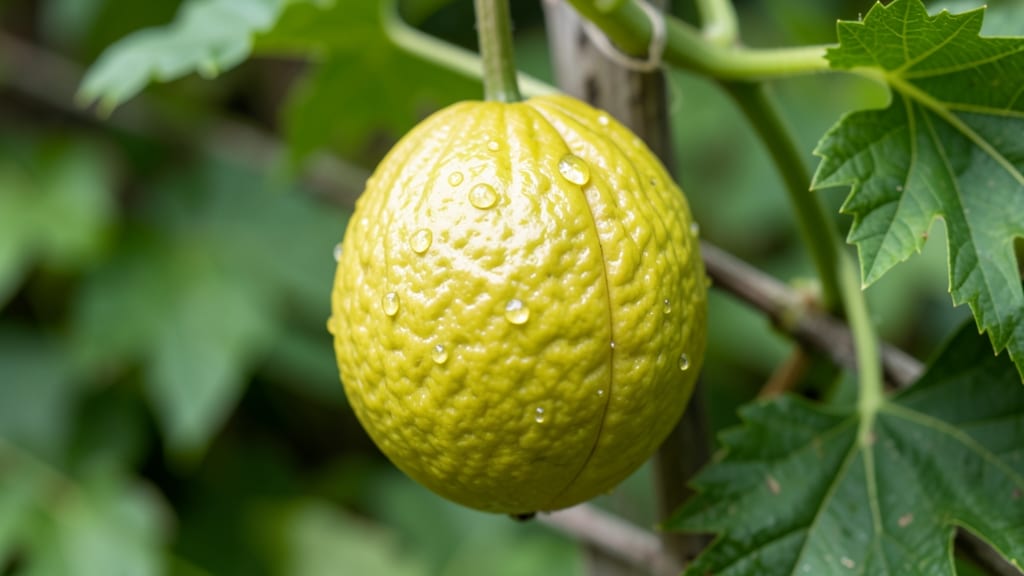
Florida’s endless sunshine makes frog fruit thrive year-round—no frost to fear, just lush, tropical growth. 🌿 I’ve grown mine in Central Florida for three seasons, and the secret lies in mimicking the Andean highlands’ cool nights while embracing our heat.
The key isn’t just planting; it’s creating the right microclimate where these delicate bushes feel at home.
You’ll need well-draining soil with a slightly acidic pH (6.0-6.5) and a spot that gets morning sun but afternoon shade—critical for Florida’s brutal afternoon heat. Most nurseries carry it as "naranjilla," but if you can’t find it, start with seeds (they germinate in 2-3 weeks).
The plants grow 6-10 feet tall, so prune aggressively to encourage bushier, fruit-heavy growth.
Harvest begins 6-8 months after planting, when the fruit turns bright yellow-green and yields slightly to touch. One bush can produce 50+ fruits per season, and the flavor—tart, citrusy, with a hint of pineapple—is unlike anything else in Florida.
The real magic? You’ll be picking fruit every 2-3 weeks once established, with minimal effort.
Florida’s humidity means watch for anthracnose fungus—space plants 8-10 feet apart for airflow, and prune lower branches to reduce moisture buildup. Mulch heavily with pine bark to keep roots cool, and water deeply 2-3 times per week during dry spells.
With these tweaks, your frog fruit will outperform any other tropical fruit in your yard.
📚 In This Guide
- What you need
- Instructions
- Tips and common mistakes
- Wrapping up and next steps
What you need
- ● Frog fruit seeds or cuttings: 5–10 seeds (for direct sowing) or 2–3 healthy cuttings (4–6 inches long)
- ● Pro tip: Seeds germinate best when fresh, but cuttings root faster!
- ● Well-draining soil: 2–3 bags of sandy loam mix (Florida’s native soil is ideal—amend with compost if needed)
- ● 1 part perlite or coarse sand (to prevent root rot)
- ○ Containers (optional but helpful): 2–4 6-inch pots (for seedlings) or 1-gallon containers (for cuttings)
- ● Drainage trays (to catch excess water)
- ● Garden tools: Hand trowel or small shovel
- ● Pruning shears (for trimming mature plants)
- ● Gloves (to protect hands from thorns)
- ● Slow-release fertilizer: 1–2 tbsp of balanced 10-10-10 (for established plants)
- ● Mulch: Pine straw or shredded leaves (to retain moisture)
- ● Shade cloth: Lightweight fabric (30–50% shade) for seedlings in hot Florida sun
- ● pH testing kit: To ensure soil pH is 5.0–6.5 (frog fruit thrives in slightly acidic soil!)
How to grow frog fruit in Florida's climate
Florida’s heat and humidity create perfect conditions for this tropical fruit—here’s how to cultivate it successfully.
🌱 Step 1: Select the Right Variety and Planting Site
Frog fruit, or Hylocereus undatus (commonly known as pitaya or dragon fruit), thrives in Florida’s USDA Zones 9-11. Choose a sunny, sheltered spot with 6+ hours of direct sunlight daily—partial shade in peak afternoon heat helps prevent sunburn on the fruit. The plant needs well-draining soil to avoid root rot, so amend heavy clay with compost or coconut coir to improve aeration.
If growing in containers, use 5-gallon pots with drainage holes and a mix of potting soil, perlite, and orchid bark (50-30-20 ratio). Frog fruit vines grow 10-20 feet long, so provide a trellis or sturdy fence for support. I’ve found that morning sun exposure with afternoon shade yields the sweetest fruit—watch for yellowing leaves as a sign of too much heat stress.
🌿 Step 2: Plant Cuttings or Transplants Correctly
Start with healthy cuttings (3-4 inches long) from a mature vine or purchase a potted transplant from a nursery. Dip the cut end in rooting hormone to encourage faster establishment, then plant 1-2 inches deep in prepared soil. Space plants 3-4 feet apart if growing in-ground or use one plant per 5-gallon container for patio culture.
Water deeply after planting to settle the soil around roots, but avoid soggy conditions—Frog fruit roots rot easily. Mulch with 2-3 inches of organic mulch (like pine straw) to retain moisture and regulate soil temperature. You’ll know it’s thriving when new growth appears within 2-3 weeks and the vine begins climbing its support structure.
☀️ Step 3: Maintain Optimal Water and Fertilizer Routine
Water 1-2 times per week, letting the top 2 inches of soil dry out between waterings. Overwatering leads to root rot, while underwatering causes bud drop. Florida’s humidity means you’ll rarely need to water daily—check soil moisture with your finger before watering. Fertilize monthly during growing season (spring-fall) with a balanced 10-10-10 or citrus fertilizer, cutting back in winter when growth slows.
Prune dead or yellowing leaves regularly to encourage airflow and prevent fungal issues. I also trim back excessive vines in late winter to redirect energy into flowering and fruiting. Watch for white, nocturnal blooms—these signal your plant is ready for pollination. Hand-pollinate with a small brush if bees are scarce, as frog fruit relies on night-blooming pollinators like moths.
⏰ Step 4: Harvest and Encourage Year-Round Production
Frog fruit takes 6-8 months from planting to first harvest. Fruits are ready when they plump slightly and the skin turns bright pink or red (depending on variety). Gently twist to detach—don’t pull, or you’ll damage the vine. Harvest mature but firm fruit for best flavor; overripe fruit becomes mealy.
To extend the harvest season, prune lightly after each fruiting cycle to stimulate new growth. In Florida’s warm climate, you can expect two harvests per year—spring and fall—with careful management. Store harvested fruit in a cool, dry place for up to 2 weeks, or refrigerate for longer shelf life. If your plant slows in winter, reduce watering and fertilizing but keep it protected from frost (even light freezes can kill the vine).
🌿 Step 5: Protect Against Pests and Diseases
Frog fruit is generally pest-resistant, but mealybugs and spider mites can appear in dry conditions. Spray affected areas with neem oil or insecticidal soap at the first sign of infestation. Avoid chemical pesticides—they harm pollinators and can damage the vine. For fungal issues like powdery mildew, improve airflow by pruning and apply copper fungicide as a preventative measure.
Watch for yellowing leaves or stunted growth, which may indicate nutrient deficiency (often nitrogen or potassium). Adjust fertilizer ratios if needed, and ensure the plant has consistent moisture but not waterlogged soil. In Florida’s heat, shade cloth (30-50%) can help during extreme summer afternoons, preventing sun scorch on leaves and fruit.
Tips & tricks for thriving frog fruit in Florida's climate
Real talk: Florida’s climate is a double-edged sword for frog fruit—too much sun can scorch, too much rain can drown. Here’s how to strike the perfect balance for lush, productive vines.
Sunlight Strategy: While the instructions call for 6+ hours of direct sunlight, I’ve learned the hard way that Florida’s afternoon heat can be brutal. Position your plants to receive morning sun and afternoon shade—this prevents sunburn on the fruit while still giving them the energy they need. A simple trick is to plant near taller trees or structures that provide natural shade after 12 PM. If you’re growing in containers, move them to a shaded patio during peak afternoon hours.
Root Health is Everything: The instructions emphasize well-draining soil, but I can’t stress enough how critical this is in Florida’s heavy clay. If you notice yellowing leaves or slow growth, your roots might be suffocating. Amend your soil with extra perlite or coconut coir to create air pockets—this prevents root rot, which is the #1 killer of frog fruit plants. For container growers, always use pots with drainage holes and elevate them slightly to allow excess water to escape.
Pollination Hack: Frog fruit relies on night-blooming pollinators, but Florida’s urban areas often lack these natural helpers. Keep a small paintbrush handy—when you see those white nocturnal blooms, gently transfer pollen between flowers. I’ve found that doing this for just 3-4 consecutive nights can dramatically increase fruit set. This is especially helpful if you’re growing in containers or urban settings where pollinators are scarce.
Winter Protection: While Florida rarely sees frost, even light freezes can damage frog fruit vines. The instructions mention protecting from frost, but I recommend going a step further. In late fall, move container plants to a sheltered location or wrap them in frost cloth. For in-ground plants, mound extra mulch around the base (3-4 inches) to insulate roots. This extra layer of protection ensures your plant survives winter and comes back strong for spring blooms.
Pro Tips for Frog Fruit Florida
- Real talk: Florida’s climate is a double-edged sword for frog fruit—too much sun can scorch, too much rain can drown.
- Sunlight Strategy: While the instructions call for 6+ hours of direct sunlight, I’ve learned the hard way that Florida’s afternoon heat can be brutal.
- Root Health is Everything: The instructions emphasize well-draining soil, but I can’t stress enough how critical this is in Florida’s heavy clay.
Frequently asked questions
Got questions about growing frog fruit in Florida?
You’re not alone! Here are answers to the most common queries from gardeners eager to cultivate this tropical gem.
What’s the best time to plant frog fruit in Florida?
Plant frog fruit (Phyla nodiflora) in early spring (March–April) or late summer (August–September) to avoid extreme heat or frost. Florida’s warm climate lets you grow it year-round, but timing helps roots establish before summer’s peak. Start seeds indoors 6–8 weeks before the last frost (if applicable) or transplant young plants for faster results.
How often should I water frog fruit, and does it need special care?
Keep soil consistently moist but not soggy—water deeply 2–3 times per week in Florida’s heat, more during droughts. Mulch with straw or pine needles to retain moisture and protect roots. Pro tip: Frog fruit thrives in swamps or boggy areas, so mimic its natural habitat with well-draining, acidic soil (pH 5.0–6.5). Avoid overhead watering to prevent fungal issues.
Can I grow frog fruit in containers, or does it need a garden bed?
Yes! Frog fruit adapts well to containers (12+ inches deep) with drainage holes. Use a mix of peat moss, perlite, and pine bark for airy roots. Place pots in partial shade (morning sun, afternoon shade) to prevent wilting. Just ensure containers stay hydrated—drying out stresses the plant. Bonus: Container-grown frog fruit is perfect for patios or balconies in urban Florida!
Why isn’t my frog fruit producing berries, even though it’s healthy?
Several factors may hold back berry production:
- Light: Needs bright, indirect light—too much shade = fewer blooms.
- Pollinators: While self-pollinating, bees/hummingbirds boost yields. Plant near native pollinator-friendly flowers.
- Age: Young plants (under 1 year) focus on growth. Be patient!
- Nutrients: Feed with a balanced fertilizer (10-10-10) in spring and summer.
If issues persist, check for pests (like spider mites) or root rot from overwatering.
Are frog fruit berries safe to eat, and how do I harvest them?
Yes! The tiny, blue-black berries are edible and packed with antioxidants (though they’re not the main draw—gardeners grow them for their fragrant foliage). Harvest when fully ripe (deep purple/black) by gently twisting or snipping stems. Wear gloves—juice stains! Fun fact: The berries taste tart and are often used in jams or teas. Note: All parts of the plant are non-toxic but may cause mild stomach upset if overconsumed.
Wrapping up and next steps
Growing frog fruit in Florida is a rewarding adventure that brings vibrant color and delicious harvests to your garden year-round! 🌿 With the right soil, sunlight, and care, you’ll enjoy lush plants and tasty fruit for months.
Whether you’re a seasoned gardener or just starting out, this tropical gem is worth the effort.
Ready to take the next step? Start by planting your first frog fruit shrub this season—your taste buds (and neighbors!) will thank you. Happy gardening! 🌱