
Tools
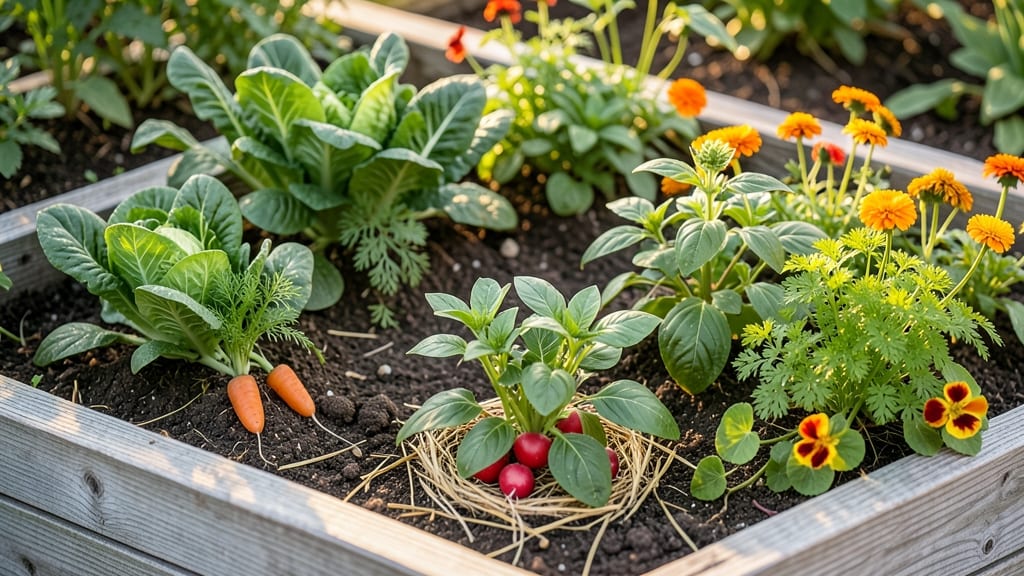
A raised bed potager garden transforms your backyard into a French-inspired harvest machine. 🌱 The key isn't just growing veggies—it's arranging them so herbs deter pests, tall plants shade delicate greens, and every inch produces something edible.
My first potager went from empty bed to dinner-plate overflow in just 8 weeks, and the layout makes weeding feel like a game. The secret lies in 4-foot-wide beds (so you reach every plant without stepping in) and companion planting that works like a living ecosystem.
Tomatoes near basil? Check. Carrots with onions? Always. Even beginners can nail this—just start with a simple square-foot grid and adjust as you learn what thrives together in your climate.
You'll end up with a garden that looks as good as it tastes, where every morning brings fresh herbs for cooking and vegetables that ripen in perfect succession. The raised beds stay weed-free, drain beautifully, and let you grow in almost any soil—even rocky yards or clay-heavy spots.
Perfect for small spaces, urban backyards, or anyone tired of fighting weeds and pests. Here's how to design yours from scratch!"
📚 In This Guide
- What you need
- Instructions
- Tips and common mistakes
- Wrapping up and next steps
What you need
- ● Raised Bed Frame: Cedar, redwood, or composite wood (4’ x 8’ or custom size; 8–12” tall). Pro tip: Avoid pressure-treated wood with arsenic (opt for pre-drilled frames for easier assembly!).
- ○ Landscape Fabric: 3–4 ft. wider than your bed to block weeds (optional but recommended).
- ● Garden Soil: 1–2 cubic yards of high-quality mix (60% topsoil, 30% compost, 10% perlite/sand for drainage). 💡 Test soil pH (aim for 6.0–7.0 for most veggies/herbs).
- ● Organic Mulch: Straw, wood chips, or shredded leaves (2–3” layer to retain moisture).
- ● Compost: 1–2 bags (or homemade) to enrich soil.
- ● Drip Irrigation Kit: 50–100 ft. tubing + emitters (or soaker hoses for simplicity).
- ● Garden Gloves: Heavy-duty (nitrile-coated for durability).
- ● Hand Trowel & Pruners: For planting and trimming.
- ● Wheelbarrow: 3–4 cubic ft. capacity for hauling soil.
- ● Trellis or tomato cages (for climbing plants like beans or cucumbers).
- ● Row covers (frost cloth) for early/late-season protection.
- ● Soil moisture meter (to avoid over/under-watering).
- ● Knee pad or bench (because gardening is hard on the knees!).
- ● French-inspired decor: Wrought-iron plant markers or a vintage watering can for charm!
Step-by-step instructions for designing a raised bed potager garden
Here's how to create a functional, beautiful French-style vegetable patch that produces all season long.
🪴 Step 1: Choose and Prepare Your Raised Bed Location
Select a spot that gets at least 6-8 hours of sunlight daily—most vegetables need full sun for best production. I always check the sun pattern for at least a week before building, watching how shadows move across the yard. Avoid low-lying areas where cold air settles in spring or fall.
Clear the ground of grass, weeds, and rocks—this prevents competition for nutrients and makes your bed look tidy. Lay down cardboard or landscape fabric as a weed barrier before adding soil. The cardboard will break down over time, enriching the soil naturally while keeping weeds at bay.
🌱 Step 2: Build the Raised Bed Frame
Construct your frame using untreated cedar or redwood lumber (both resist rot well) cut to your desired dimensions. For a classic potager, I recommend 4 feet wide by 8 feet long—this width allows easy reaching from both sides without stepping on the soil. The height should be 10-12 inches to accommodate good drainage and root growth.
Assemble the frame with galvanized screws and reinforce corners with metal brackets. Leave a small gap (½ inch) between the bottom of the frame and the ground to prevent rot. Line the inside with landscape fabric if your site has particularly aggressive weeds, then fill with your prepared soil mix.
🌿 Step 3: Layer the Soil for Maximum Fertility
Start with a 4-inch layer of coarse wood chips or straw at the bottom for drainage. Then add a 6-inch layer of compost—this feeds your plants slowly over time. Top with 4-6 inches of high-quality garden soil, mixing in a handful of bone meal or balanced fertilizer if you're planting heavy feeders like tomatoes or peppers.
Moisten the soil thoroughly before planting—it should feel like a damp sponge, not soggy. I like to let the bed settle for a week before planting, giving the soil time to integrate and warm up. This also helps prevent early bolting in fast-growing crops like lettuce.
☀️ Step 4: Plan Your French-Style Layout
Divide your bed into sections based on plant families and growth habits. Tall plants like tomatoes or sunflowers go in the north side to avoid shading shorter crops. Group similar plants together—this makes crop rotation easier and deters pests that target specific families.
Leave 12-18 inches of walking space between beds for easy access. In a true potager, herbs like thyme and rosemary often border the edges, creating a fragrant border. I like to plant fast-growing crops like radishes or lettuce near the front where they're easily harvested, with slower growers like carrots or onions in the back.
⏰ Step 5: Plant and Maintain for Continuous Harvests
Start with cool-season crops like spinach, peas, and carrots in early spring. As temperatures rise, replace them with heat-lovers like basil, peppers, and eggplant. Succession planting—sowing new seeds every 2-3 weeks—ensures you always have something ready to harvest.
Water deeply in the morning to encourage strong root growth, and mulch with straw or shredded leaves to retain moisture and suppress weeds. I check soil moisture daily during hot spells—if the top 1 inch feels dry, it's time to water. A well-maintained potager should yield fresh produce from early spring through fall, with proper planning even into winter.
Tips & tricks for perfect raised bed potager gardens
A few thoughtful adjustments can turn your vegetable patch into a thriving, year-round harvest haven.
Sunlight Strategy: That 6-8 hours of daily sunlight is non-negotiable, but here's the thing—morning sun is more valuable than afternoon for many crops. Position your bed to catch those early rays, especially in summer when afternoon heat can stress plants. I've found that east-facing beds produce the most consistently in my climate, though you'll need to adjust based on your local sun patterns.
Frame Foundation: The 10-12 inch height recommendation isn't just about drainage—it's also about extending your growing season. Deeper beds warm up faster in spring and stay cooler in summer. For even better results, consider adding a 2-inch layer of sand at the very bottom before your wood chips. This creates a perfect drainage layer that prevents waterlogging while keeping roots happy.
Soil Settlement: Letting your bed settle for a week before planting might feel like waiting forever, but trust me on this. During this time, the compost breaks down slightly, releasing nutrients that would otherwise be locked up. It also gives any buried weeds time to die off completely. Pro tip: Cover the bed with black plastic during this week to speed up warming and decomposition.
Planting Zones: When arranging your French-style layout, remember that the 12-18 inch walking space isn't just for convenience—it's for airflow. Crowded plants create humid microclimates that invite disease. I like to add a third section in the middle for medium-height plants like bush beans or kale, creating a natural tiered effect that maximizes space while keeping everything accessible.
Pro Tips for Raised Bed Potager Garden
- A few thoughtful adjustments can turn your vegetable patch into a thriving, year-round harvest haven.
- Sunlight Strategy: That 6-8 hours of daily sunlight is non-negotiable, but here's the thing—morning sun is more valuable than afternoon for many crops.
- Frame Foundation: The 10-12 inch height recommendation isn't just about drainage—it's also about extending your growing season.
Frequently asked questions
Got questions about creating your own raised bed potager garden?
You’re not alone! Here are answers to the most common queries to help you grow with confidence.
What’s the best time of year to start a raised bed potager?
A raised bed potager can be planted in early spring (as soon as the soil is workable) or late summer for a fall harvest. For year-round growing, start with cold-hardy crops like kale or spinach in spring and transition to heat-lovers like tomatoes and peppers in summer. Pro tip: Use row covers in early spring to extend the season!
How much does a raised bed potager cost to set up?
Costs vary based on materials, but a basic DIY raised bed (cedar lumber, soil, compost) typically runs $100–$300 for a 4’x8’ bed. Pre-made kits or premium cedar beds can cost $400–$800+. Save money by sourcing untreated wood, using recycled materials, or starting small with a single bed.
How do I keep pests out of my potager without chemicals?
Pests are less of an issue in raised beds, but you can deter them with companion planting (e.g., marigolds repel nematodes), row covers, or neem oil. Encourage beneficial insects like ladybugs and lacewings by planting herbs like dill or fennel. Troubleshoot: Check soil moisture—overwatering attracts slugs!
Can I grow a potager in a small space, like a balcony or patio?
Opt for mini raised beds (2’x4’ or smaller) or vertical gardening with trellises for vining plants like cucumbers. Dwarf varieties of herbs and veggies (e.g., ‘Tiny Tim’ tomatoes or ‘Mignonette’ carrots) thrive in tight spaces. Bonus: Use self-watering planters to conserve space and water.
How do I extend my potager’s growing season in cold climates?
Use season extenders like cold frames, hoop houses, or row covers to trap heat. Plant cold-hardy crops (e.g., lettuce, peas, radishes) early, and harvest before frost for tender greens. Pro tip: Mulch heavily with straw to insulate roots. For late fall, try spinach or kale—they sweeten after frost!
Wrapping up and next steps
A raised bed potager garden isn’t just a trend—it’s a game-changer for fresh, flavorful harvests year-round! 🌱 By mimicking the French tradition of organized, high-yield planting, you’ve got everything you need to grow lush herbs, crisp veggies, and fragrant flowers in one beautiful, functional space.
The key? Plan with purpose, prioritize soil health, and embrace seasonal rotations.
Ready to dive in? Start small—even a 4’x8’ bed is a fantastic beginning! Sketch your layout today, gather your supplies, and let your green thumb guide you.
Before you know it, you’ll be savoring homegrown tomatoes, snipping fresh basil, and basking in the pride of a thriving potager. À vos fourches! 🍅✨