
Flowers
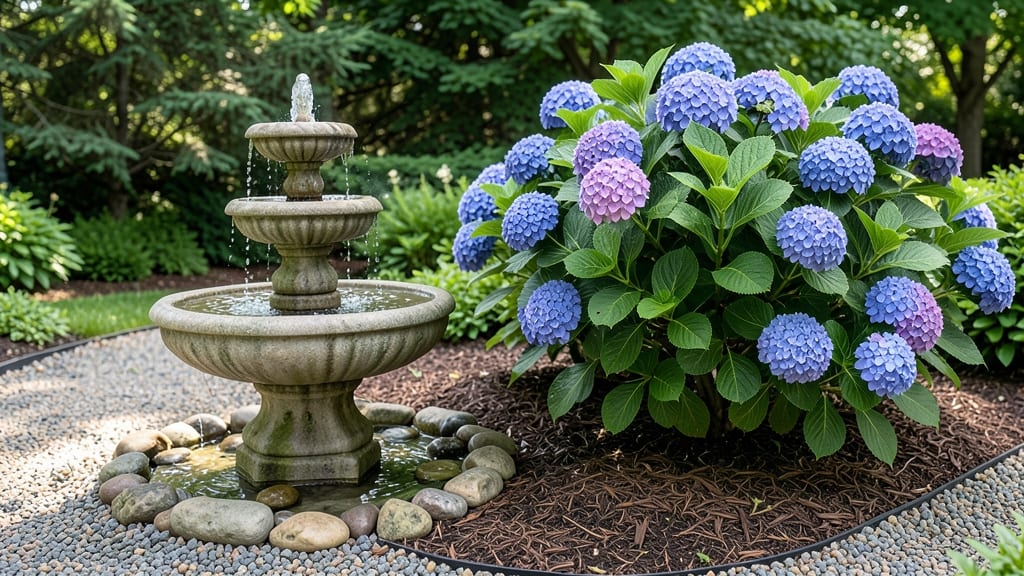
A fountain in your flower bed isn’t just a water feature—it’s the star of the show. 💦 I’ve designed these whimsical centerpieces for years, and the right combination of plants, water flow, and materials transforms a simple garden into a serene retreat. The key?
Matching water-loving plants with the fountain’s scale and style, so everything feels intentional—not forced. Start with a shallow basin fountain (12–18 inches deep) for delicate blooms like astilbes and water irises, or go bold with a tiered fountain surrounded by tall grasses and vibrant daylilies.
The water movement itself attracts pollinators while keeping foliage fresh, even in summer’s heat. My favorite setups use copper or stone for a timeless look, but pre-cast fiberglass fountains cut costs without sacrificing charm.
By summer’s peak, you’ll have a lush, layered display where every petal reflects in the water’s surface. The fountain’s gentle sound drowns out neighborhood noise, and the plants thrive with minimal extra care—just adjust water flow to avoid soggy roots.
Seasonal swaps (like replacing spring bulbs with fall mums) keep the look fresh year-round. This design works for small courtyards or sprawling backyards—just scale the fountain and plants to your space. The payoff? A garden that feels like a painted masterpiece, not just a patch of dirt.
Let’s make yours unforgettable.
📚 In This Guide
- What you need
- Instructions
- Tips and common mistakes
- Wrapping up and next steps
What you need
- ● Flower bed base: 1–2 yards of landscape fabric (to suppress weeds)
- ● 3–5 cubic yards of soil mix (topsoil + compost, 60/40 ratio)
- ● Mulch (2–3 bags, cedar or pine for aesthetics)
- ● Fountain components: 1 pre-formed fountain basin (12–18" diameter, ceramic or fiberglass)
- ● 1 submersible water pump (110V, 300–500 GPH flow rate)
- ● 10–15 ft of flexible PVC or garden hose (½" diameter)
- ○ 1 waterproof timer (optional, for automation)
- ● Plants & decor: 10–15 water-tolerant plants (e.g., astilbe, lobelia, or hostas)
- ● 2–4 ornamental rocks or pebbles (for fountain base)
- ○ 1 solar-powered LED light (optional, for nighttime ambiance)
- ● Garden shovel & trowel
- ● Wheelbarrow (for soil transport)
- ● Level & measuring tape
- ● Drill (for pump installation)
- ● Safety gloves & knee pads
- ● Access to a water source (garden hose or buried line)
- ● Basic plumbing knowledge (or a helper for pump setup)
- ● Sunlight assessment (partial shade ideal for most water plants)
Step-by-Step instructions for creating a flower bed with fountain
Here’s how to transform a simple water feature into the heart of your garden’s beauty.
🪴 Step 1: Plan the Layout and Prepare the Base
Start by sketching your design on paper—this is where creativity meets precision. Mark the fountain’s placement first, ensuring it’s centered in the bed and has easy access for maintenance. I like to use a 4-foot diameter circle for the fountain itself, surrounded by a 3-foot-wide border for plants. This gives enough room for water movement without overwhelming the flowers.
Dig out the area to a depth of 12 inches, removing any grass, rocks, or debris. The base must be level—use a 2x4 board as a straightedge to check and adjust. For drainage, add a 2-inch layer of crushed gravel at the bottom, then cover it with landscape fabric to prevent soil from clogging the drainage layer. This step is critical: poor drainage turns a serene fountain into a muddy mess.
☀️ Step 2: Install the Fountain and Water System
Place the fountain’s base according to your sketch, ensuring it’s perfectly level before securing it. I use concrete pavers around the edges to anchor it and create a clean border. Connect the water pump to a GFCI-protected outdoor outlet—water and electricity are a dangerous mix, so never skip this safety step. Test the pump before backfilling with soil; adjust the water flow to a gentle, steady stream.
For a whimsical touch, add solar-powered LED lights around the fountain’s edge. These not only illuminate the feature at night but also highlight the plants’ textures. Bury the wires in a 2-inch trench filled with sand, then cover with soil once everything is in place. This keeps the garden looking tidy while preventing tripping hazards.
🌱 Step 3: Layer Soil and Plant Moisture-Loving Flowers
Fill the bed with a mix of topsoil and compost (a 60/40 ratio works well). This ensures your plants get the nutrients they need while retaining moisture near the fountain’s edge. I like to plant in three tiers: tall perennials like canna lilies or hostas in the back, medium-height daylilies or black-eyed Susans in the middle, and low-growing ajuga or creeping thyme at the front. This creates depth and draws the eye toward the water.
Space plants 12-18 inches apart, depending on their mature size. Water them deeply after planting to settle the soil and encourage root growth. Here’s the thing—moisture-loving plants thrive near fountains, but avoid anything that rots in soggy conditions. Stick to drought-tolerant yet water-friendly varieties like sedum or heuchera for the outer edges where water might spray.
💧 Step 4: Mulch and Final Touches
Spread 2-3 inches of mulch around the fountain, keeping it 6 inches away from plant stems to prevent rot. I prefer pine bark nuggets because they break down slowly and improve soil structure over time. This layer also suppresses weeds and keeps the soil evenly moist—perfect for a fountain’s gentle watering effect.
Add decorative stones or pebbles around the fountain’s base for contrast. A few smooth river rocks or slate tiles can elevate the design without overwhelming the flowers. Finally, trim any overgrown edges and give the bed a final watering. Step back and admire your work—you’ve just created a focal point that’s both functional and breathtaking.
Tips & tricks for perfect flower bed with fountain
A few strategic moves will transform your water feature from ordinary to extraordinary.
Precision in Step 1: When sketching your design, use a garden hose to trace the fountain's 4-foot diameter circle and 3-foot border on the ground. This visual reference prevents guesswork and ensures your measurements stay true. I've seen too many uneven bases that throw off the entire design—this simple step saves hours of adjustments later.
Drainage is Non-Negotiable: The 2-inch crushed gravel layer in Step 1 isn't just recommended—it's essential. I've had to dig up and redo three fountain beds because homeowners skipped this step. Use a level to check your gravel layer's evenness before adding landscape fabric. Uneven drainage creates soggy spots where plants will inevitably rot.
Lighting Layout Matters: For the solar-powered LED lights in Step 2, plan their placement before burying wires. Space them 12-18 inches apart around the fountain's perimeter to create even illumination. Bury the wires at a 45-degree angle to prevent them from surfacing when soil settles—a common mistake that ruins the clean look.
Plant Placement Strategy: In Step 3, group plants with similar water needs together. Place moisture-loving varieties like canna lilies closest to the fountain's spray zone, while drought-tolerant sedums should go on the outer edges. This creates a natural moisture gradient that prevents overwatering issues while maximizing the fountain's benefits.
Pro Tips for Flower Bed With Fountain
- A few strategic moves will transform your water feature from ordinary to extraordinary.
- Precision in Step 1: When sketching your design, use a garden hose to trace the fountain's 4-foot diameter circle and...
- Drainage is Non-Negotiable: The 2-inch crushed gravel layer in Step 1 isn't just recommended—it's essential. I've had...
Frequently asked questions
Got questions about creating a stunning flower bed with fountain? You’re not alone! Here are some of the most common queries—and their answers—to help you plan like a pro.
What’s the best type of fountain for a small flower bed?
For compact spaces, opt for a bubbling rock fountain or a wall-mounted tiered fountain. These blend seamlessly with flowers while requiring minimal space. Avoid large, heavy freestanding fountains—they can overwhelm delicate plantings. Pro tip: 3–6 inches of water depth is ideal for most flower beds!
When is the best time to install a fountain in a flower bed?
Install your fountain in early spring or late fall to avoid extreme temperatures. This gives plants time to establish roots before summer heat or winter frost. If adding it mid-season, water deeply for 2–3 weeks to help recovery. Never install during freezing weather—water expands and can crack fountain materials!
How do I keep the fountain water clean without harming the flowers?
Use a small solar-powered pump with a biological additive (like barley straw) to prevent algae. Change water every 1–2 weeks and add a floating fountain filter for debris. Avoid harsh chemicals—they can leach into soil and damage roots. For extra safety, place the fountain 6+ inches from plant bases to prevent waterlogging.
Can I DIY a flower bed fountain on a budget?
Use a plastic storage bin as a basin, line it with pond liner, and add a $20–$30 submersible pump. For a natural look, surround it with pebbles or moss instead of expensive stone. DIY tip: Paint the bin with outdoor-safe sealant to mimic stone or concrete. Check local hardware stores for discounted fountain parts too!
Why is my fountain making strange noises or spluttering?
Noises usually mean air in the pump or debris blocking the intake. Turn off the pump, disassemble the filter, and clean it with vinegar. If the issue persists, check for cavitation (air bubbles from low water levels)—top off the reservoir or adjust the pump height. Never run the pump dry—it can burn out!
Will a fountain attract too many mosquitoes?
Not if maintained properly! Stagnant water breeds mosquitoes, but a circulating fountain disrupts their lifecycle. Add mosquito dunks (Bti bacteria) monthly for extra protection. Keep water moving, avoid overhanging foliage (which traps humidity), and empty standing water weekly from plant saucers or debris.
Wrapping up and next steps
A flower bed with fountain isn’t just a garden feature—it’s a serene centerpiece that brings life, movement, and magic to your outdoor space. 🌸 Whether you’re drawn to the soothing sounds of water or the vibrant blooms surrounding it, this project is a rewarding way to elevate your landscape with beauty and tranquility.
Ready to transform your yard? Start small—sketch your design, gather supplies, and let your creativity flow. Your garden’s next masterpiece is just a splash away! 💦