
Landscaping
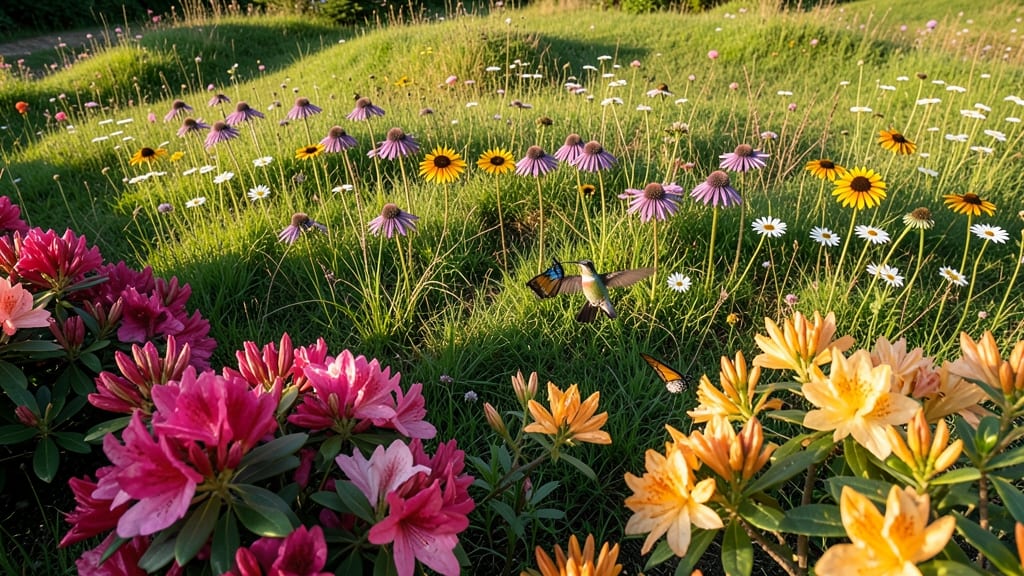
Azaleas bring vibrant color and texture to any garden, but pairing them with the right plants creates show-stopping flower beds that thrive year-round. These 10 bold color-blocking designs use azaleas as the star while ensuring seasonal interest through strategic plant combinations.
Classic Azalea and Hydrangea Border
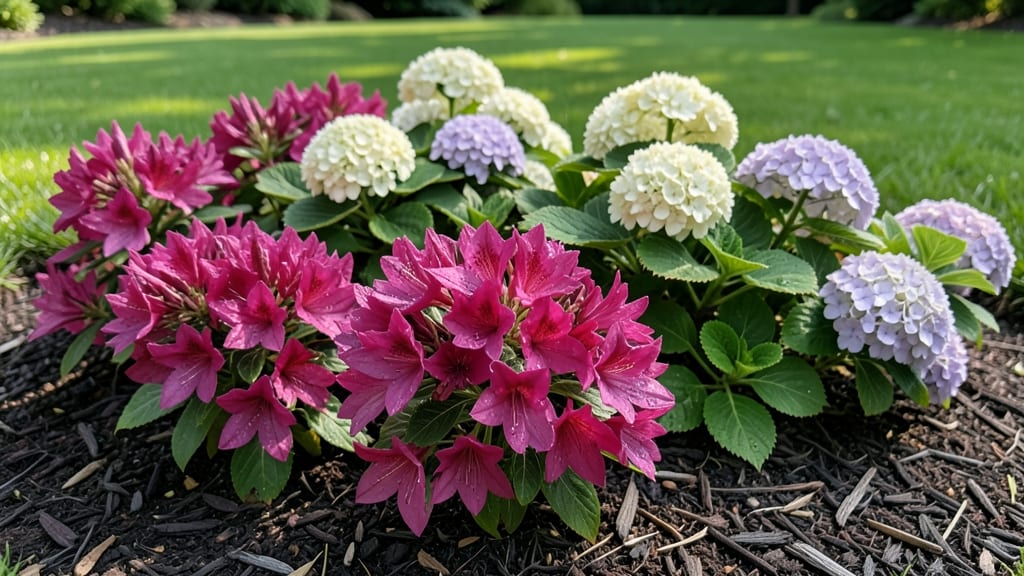
Want a flower bed that feels like a masterpiece without the fuss? This classic azalea and hydrangea border delivers a two-season color show with minimal effort—just plant, admire, and repeat. The secret lies in their natural blooming rhythm: azaleas burst into spring color while hydrangeas take center stage in summer, blending shades of pink and purple into a harmonious transition.
Start by planting azaleas along the back edge (they thrive in partial shade) and tuck hydrangeas in front, where their lush foliage will spill over the border. For extra drama, choose hydrangea varieties like 'Endless Summer' for reliable blooms or 'Nikko Blue' for deep purple contrast. Mulch with pine bark to keep roots acidic—both plants love it—and water deeply once a week during dry spells. This combo works beautifully in sunny or shaded borders, making it versatile for almost any yard.
Perfect for gardeners who love low-maintenance elegance, this border requires no deadheading or pruning tricks—just enjoy the show. It’s the ultimate "plant once, enjoy forever" design that even busy homeowners will appreciate. ✨
Sunburst Azalea and Daylily Mix
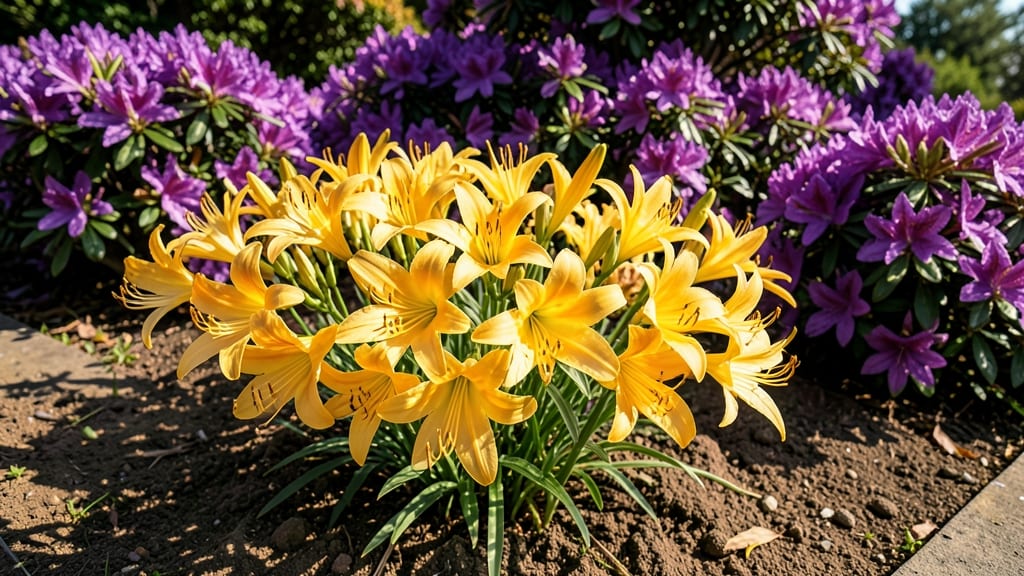
Want a sunny garden that pops with drama? This sunburst azalea and daylily mix creates a striking contrast where golden daylilies radiate outward like sunlight against deep purple azaleas. The bold color play works best in full sun with well-drained soil, making it perfect for slopes or raised beds.
Start with deep purple azalea varieties like 'Southern Indigo' for maximum impact, then surround them with daylilies in golden hues like 'Stella de Oro' or 'Happy Returns.' Space azaleas 3-4 feet apart and daylilies 18-24 inches apart for a natural sunburst effect. Both thrive in USDA zones 5-9 and bloom from early summer through fall.
This design is ideal for gardeners who love high-contrast color without the fuss of formal borders. Perfect for sunny borders, container arrangements, or even as a focal point in modern landscapes. 🌻
Monochromatic White Azalea Drift
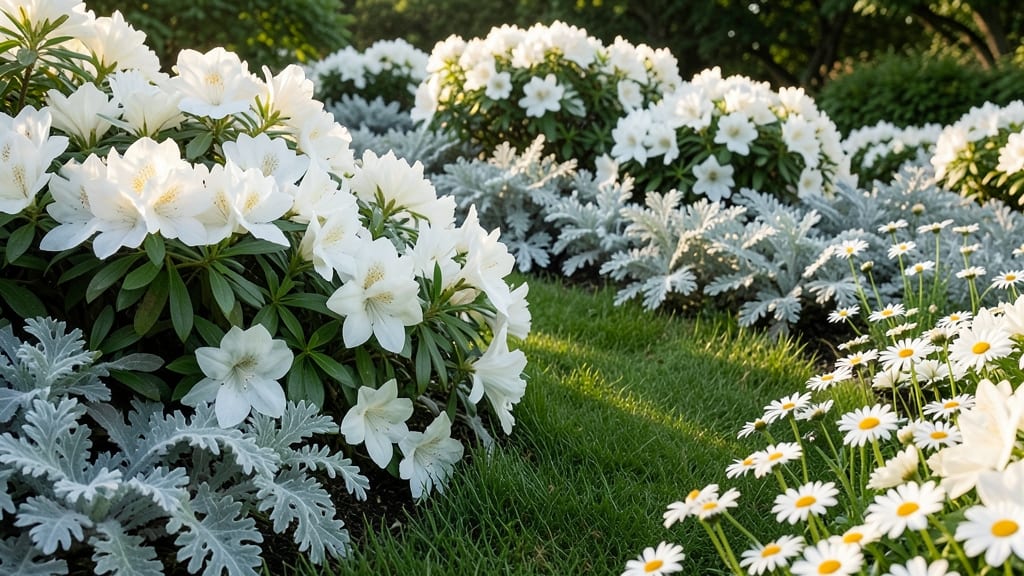
Craving a garden space that feels like a serene escape? A monochromatic white azalea drift transforms any yard into a dreamy, high-impact focal point—without relying on bold colors. This elegant design uses white azaleas as the star, their delicate blooms paired with silver lamb’s ear and white daisies for a cohesive, ethereal look that works year-round.
Start by planting white azalea varieties like ‘White Simplicity’ or ‘Girard’s White’ in a gentle, flowing curve. Tuck silver foliage plants—such as lamb’s ear (Stachys byzantina) or dusty miller (Artemisia)—between the azaleas for texture contrast. Add white daisies (like ‘Alaska’ or ‘Marguerite’) for a soft, airy touch. This combo thrives in partial shade and well-drained soil, making it ideal for under trees or along fences.
Perfect for gardeners who love minimalist elegance, this drift requires less maintenance than colorful beds but delivers year-round visual interest. The silver foliage adds depth in winter, while the azaleas and daisies keep the scene fresh through spring and summer. 💚
Tropical Azalea and Canna Lily Combo
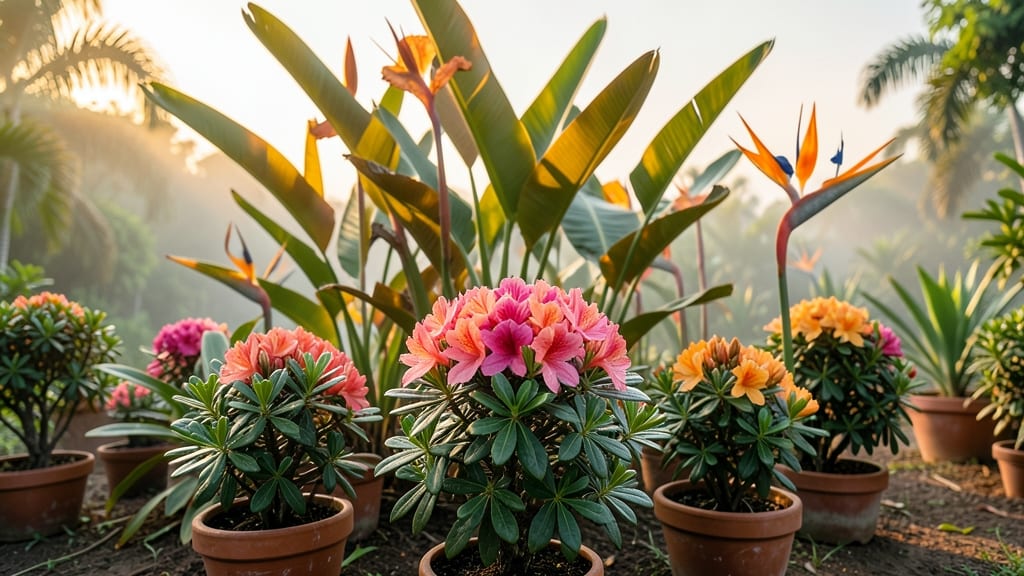
Transform your garden into a tropical paradise with this high-impact combo of azaleas, canna lilies, and bird-of-paradise. This bold design thrives in warm climates or containers, bringing lush foliage and vibrant blooms that scream "summer vacation" without the travel.
Plant dwarf azaleas (like 'George L. Taber' for compact growth) alongside canna lilies in fiery oranges and bird-of-paradise for dramatic vertical accents. These plants love morning sun to partial shade and moist, well-draining soil—perfect for urban balconies or poolside planters. The cannas' bold foliage contrasts beautifully with azaleas' delicate blooms, while bird-of-paradise adds architectural flair.
This combo is ideal for gardeners in USDA zones 8-11 or those using containers with heat mats in cooler climates. The tropical vibe extends your blooming season from summer through fall, making it a low-maintenance way to add exotic drama. 🌻
Seasonal Azalea and Perennial Pairings
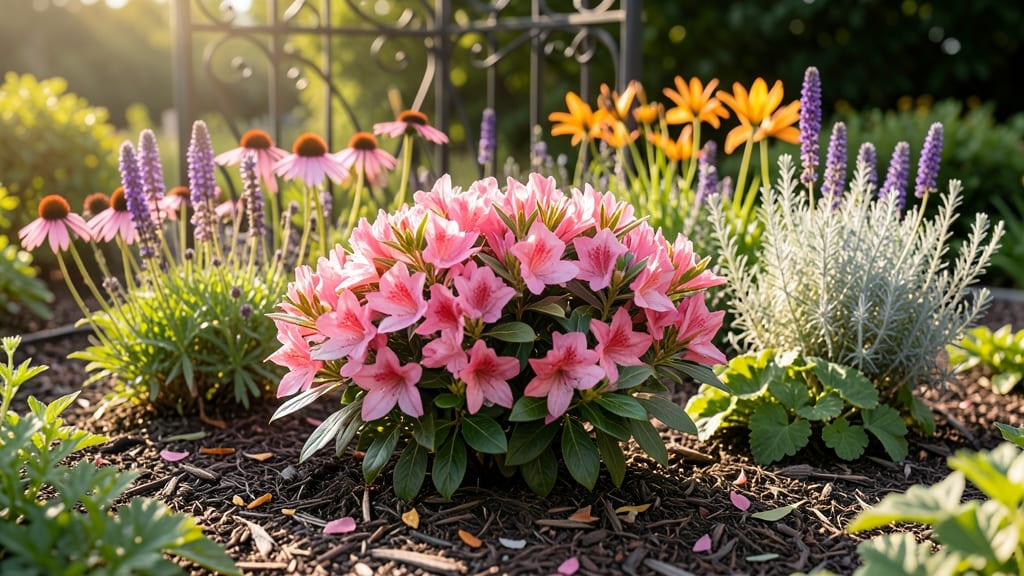
Want a flower bed that stays stunning from spring through fall without constant replanting? Use azaleas as your spring star and surround them with perennials that take over as the seasons change. This approach ensures your garden never looks bare, even when azaleas finish blooming.
Start with pink or purple azaleas as your spring anchor, then weave in coneflowers (for summer structure) and black-eyed Susans (for fall color). These perennials thrive in the same partial shade conditions as most azaleas, making maintenance effortless. For extra texture, add Russian sage in the back—its silvery foliage and lavender blooms provide late-season interest.
This design is perfect for gardeners who love low-maintenance beauty but want year-round visuals. The perennials will multiply over time, creating a lush, natural look that requires minimal intervention. 🌻
Modern Azalea and Ornamental Grass Garden
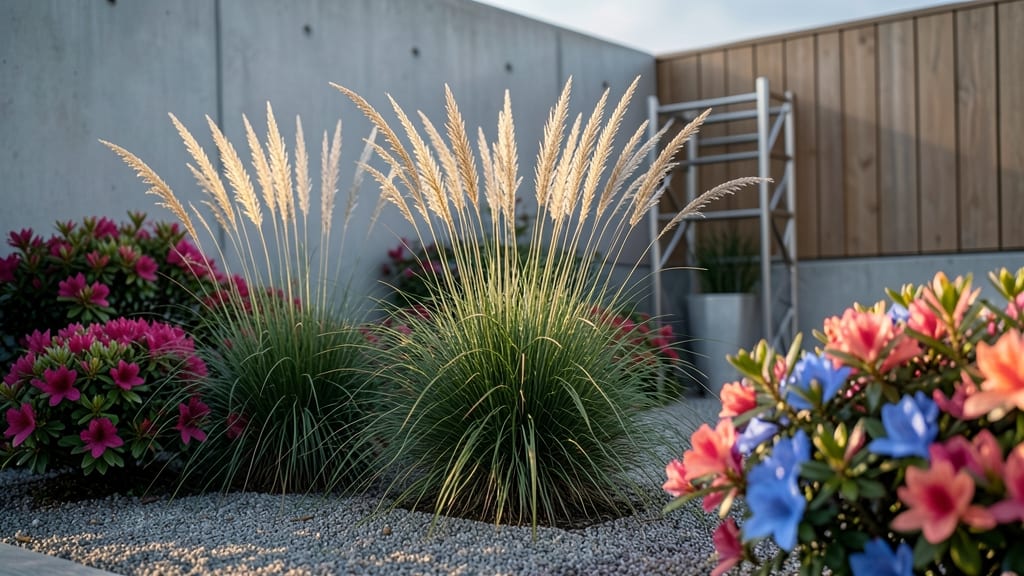
Want a garden that feels fresh and contemporary without sacrificing natural beauty? A modern azalea and ornamental grass garden delivers clean lines, bold textures, and year-round interest—perfect for urban spaces or minimalist landscapes.
Start with upright ornamental grasses like Miscanthus sinensis or Pennisetum for vertical structure, their airy plumes contrasting with the dense blooms of azaleas. Add heuchera (coral bells) for deep burgundy or chartreuse foliage to fill gaps and add color even when azaleas aren’t blooming. This trio creates a striking visual rhythm, especially when planted in geometric patterns—think staggered rows or asymmetrical clusters.
This design thrives in partial shade to full sun, making it versatile for different light conditions. Urban gardeners and those with limited space will love how it maximizes impact with minimal plants—ideal for small yards, courtyard planters, or even as a striking front-yard statement. 🌿
Fragrant Azalea and Lavender Meadow
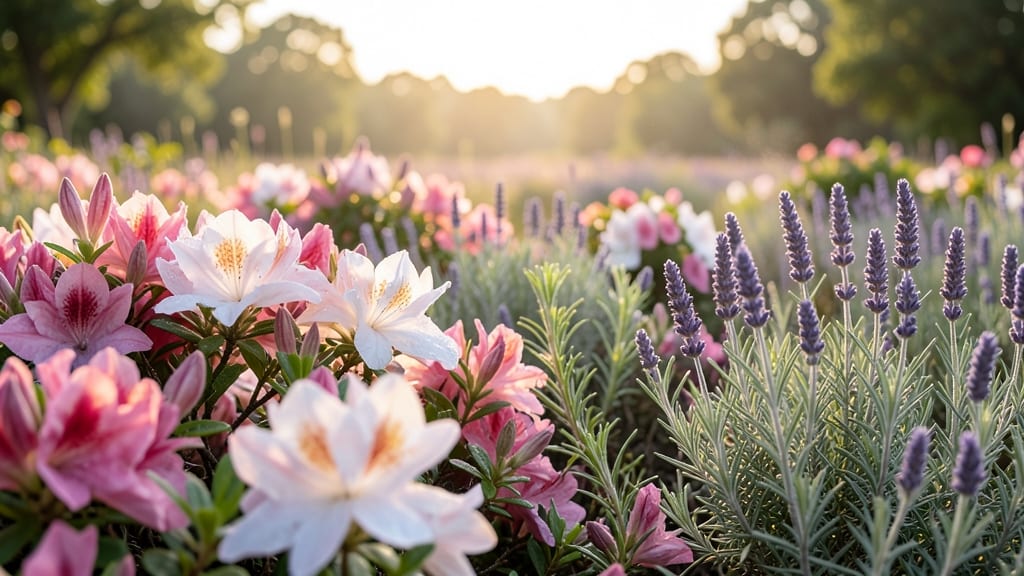
Transform your garden into a sensory paradise with a fragrant azalea and lavender meadow that delights both sight and smell. This design marries the delicate blooms of azaleas with the calming purple haze of lavender and the woody aroma of rosemary, creating a pollinator magnet that thrives in full sun.
Plant azaleas in clusters as the focal point, surrounded by swaths of lavender for its drought tolerance and rosemary for its evergreen foliage. The combination not only attracts bees and butterflies but also provides year-round interest—azaleas bloom in spring, lavender thrives in summer, and rosemary offers winter structure. For best results, ensure well-drained soil and space plants 2-3 feet apart to allow airflow.
This design is perfect for gardeners who love low-maintenance yet high-impact spaces, especially those with sunny, dry conditions. The intoxicating fragrance makes it ideal for seating areas or garden paths where you can enjoy the scents up close. 🌿
Dwarf Azalea and Rock Garden Creation
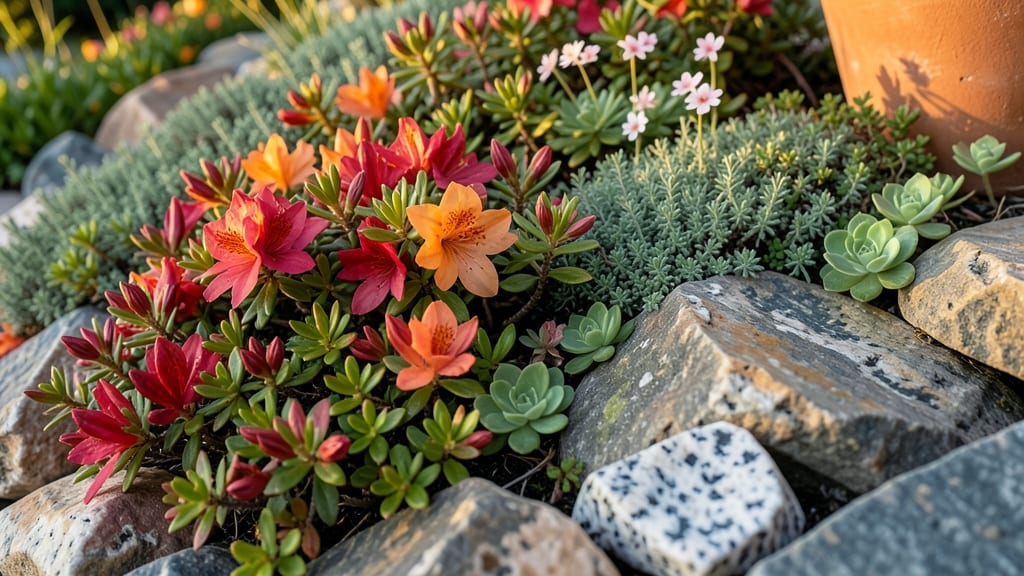
Turn tiny spaces into stunning displays with a dwarf azalea and rock garden—perfect for slopes, patios, or containers where every inch counts. This design marries compact azaleas (like 'Little Devil' or 'Firefly') with alpine plants such as saxifrage, creeping thyme, or stonecrop to create a miniature, high-impact landscape.
Start with a shallow container or sloped bed filled with well-draining soil (azaleas hate soggy roots). Place small rocks around the base for structure, then tuck in dwarf azaleas and alpines—these thrive in partial shade and need minimal water once established. The key? Layer textures: smooth pebbles, fuzzy alpine foliage, and velvety azalea blooms.
This design is ideal for urban gardeners, balcony growers, or anyone with limited flat space. It’s also low-maintenance once planted, making it a dream for busy enthusiasts who still want a show-stopping garden. 🌻
Azalea and Camellia Layered Shrub Border
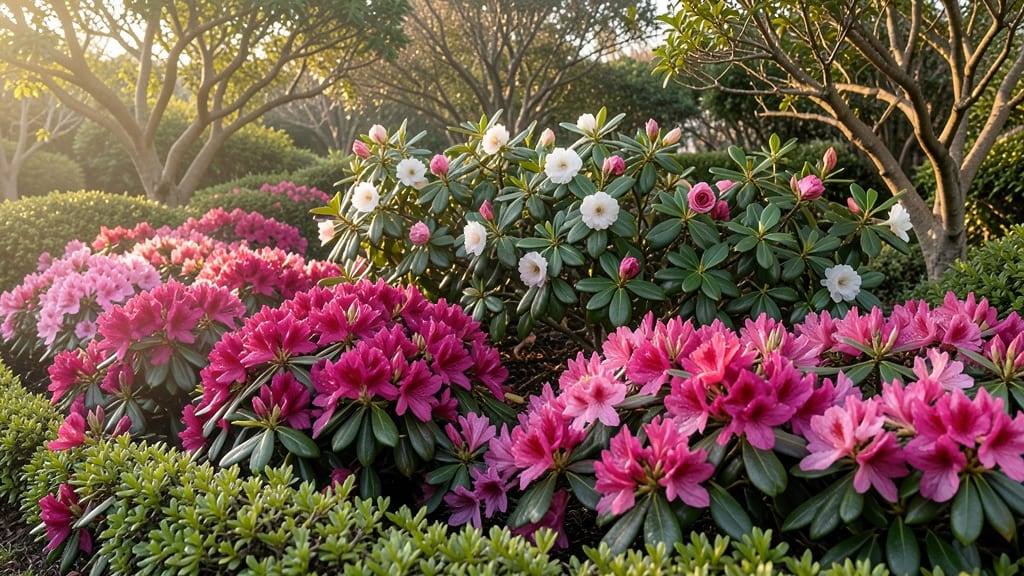
Tired of flower beds that fade into boring greenery after spring? A layered shrub border of azaleas and camellias keeps your garden vibrant year-round, with spring azalea blooms seamlessly transitioning to winter camellia flowers. This elegant pairing creates a lush, ever-changing backdrop that’s perfect for formal garden designs.
Plant dwarf camellias (3-4 feet tall) at the front for winter color, then layer taller azaleas (4-6 feet) behind them. Both thrive in partial shade and acidic, well-drained soil, making them ideal companions. Prune azaleas after blooming to maintain shape, while camellias benefit from light shaping in early spring. This combination works beautifully along fences, property lines, or as a privacy screen.
Gardeners with formal landscapes or shaded borders will love this low-maintenance design—it delivers seasonal color shifts without the upkeep of annuals. Plus, the glossy foliage adds texture even when flowers fade. 🌷
Wildflower Azalea Meadow Revival

Transform your garden into a thriving pollinator paradise by blending azaleas with native wildflowers. This wildflower azalea meadow design creates a structured yet natural look that supports local bees, butterflies, and hummingbirds while keeping maintenance low.
Start by planting azaleas in small clusters (3-5 plants) as focal points, then fill the surrounding space with native wildflowers like black-eyed Susans, coneflowers, or purple coneflower. This combo ensures year-round interest—azaleas bloom in spring, while wildflowers provide summer and fall color. Use acidic, well-draining soil and partial shade for optimal growth, and mow wildflowers to 4-6 inches to encourage new blooms.
Perfect for eco-conscious gardeners, this design reduces water needs and eliminates pesticides while creating a wildlife-friendly oasis. 🌻