
Tools
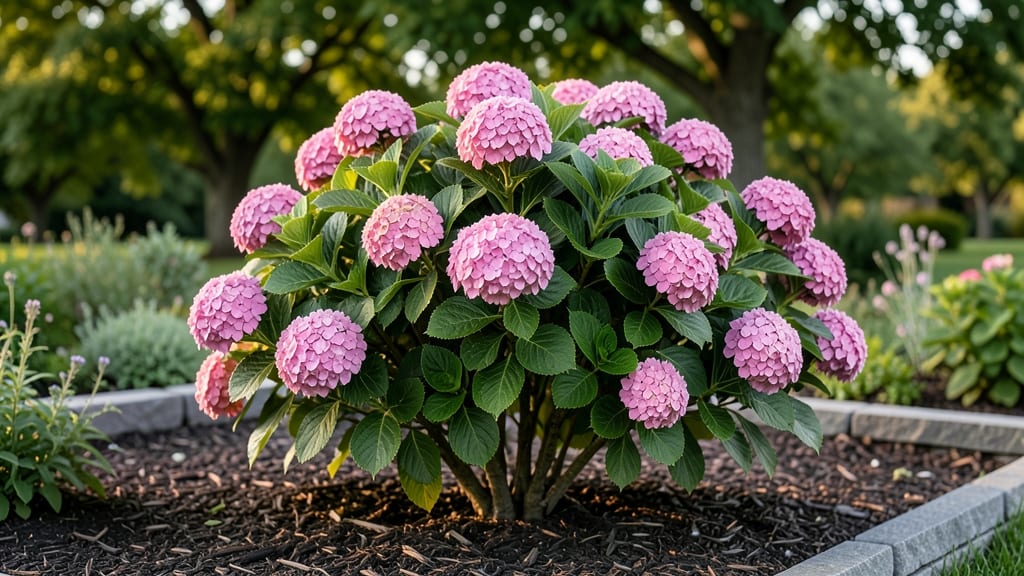
A garden bed along the foundation with Endless Summer hydrangea transforms your home’s exterior into a lush, ever-changing backdrop. 🌿 These hydrangeas bloom from early summer through frost, their vibrant blooms softening the hard lines of siding while requiring minimal effort.
The key is spacing them 3–4 feet apart to prevent overcrowding and allow airflow—critical for preventing powdery mildew in humid summers.
Layering in low-growing perennials like creeping thyme or heuchera creates a textured base that hides soil and complements the hydrangeas’ drama. Mulch with 3–4 inches of shredded bark to suppress weeds, retain moisture, and protect roots from temperature swings.
Drainage is non-negotiable: test your soil’s slope—hydrangeas hate soggy roots, so amend heavy clay with compost or install a French drain if needed.
By late summer, your bed will burst with jewel-toned blooms that shift color with soil pH, all while staying disease-resistant and drought-tolerant once established. The secret? Pruning spent blooms in early spring (not fall) to encourage next year’s flowers.
This design works for any home style—modern, cottage, or ranch—adding curb appeal without the upkeep of high-maintenance annuals.
For extra impact, pair hydrangeas with evergreens like boxwood or dwarf conifers to frame the bed year-round. Add solar-powered path lights to highlight the foliage at night, and you’ve got a foundation garden that’s as functional as it is stunning—no green thumb required.
Let’s make your home’s facade the envy of the neighborhood!
📚 In This Guide
- What you need
- Instructions
- Tips and common mistakes
- Wrapping up and next steps
What you need
- ● Endless Summer Hydrangea plants: 3–5 mature plants (depending on bed width; spacing ~4–5 ft apart).
- ● Topsoil or garden soil: 2–3 cubic yards (enough to fill the bed to 6–8 inches deep).
- ● Mulch: 1–2 bags of pine bark fines or shredded cedar mulch (3–4 inches deep).
- ● Landscape fabric: 1 roll (to suppress weeds and retain moisture).
- ● Garden gloves: 1 pair (for protection and grip).
- ● Hand trowel or spade: 1 (for planting and soil prep).
- ● Wheelbarrow: 1 (for hauling soil and mulch).
- ● Watering hose or sprinkler: With adjustable nozzle for gentle watering.
- ● Slow-release fertilizer: 1 bag (10–15 lb, balanced NPK, e.g., 10-10-10).
- ● Pruning shears: 1 (for shaping and cleanup).
- ● Compost or aged manure: 1–2 bags (to enrich soil before planting).
- ● Hydrangea food (acid-loving plant fertilizer): 1 bottle (for extra blooms).
- ● Decorative rocks or edging: For a polished look (e.g., black lava rocks or brick edging).
- ● Soil pH test kit: To ensure acidic soil (ideal pH: 5.2–5.5 for hydrangeas).
- ● Drip irrigation system: For low-maintenance watering.
Step-by-Step guide to designing a thriving foundation garden bed for Endless Summer hydrangeas
Here's how to create a stunning, low-maintenance foundation bed that showcases hydrangeas while protecting your home's exterior.
🪴 Step 1: Assess and Prepare the Foundation Space
Start by evaluating the foundation area where you'll plant. Clear away any weeds, debris, or existing mulch within a 12-18 inch border from your home's siding. Use a garden edging tool to create clean lines—this prevents grass and weeds from encroaching later. I like to mark the bed's dimensions with landscape fabric stakes first, so I can visualize the final look before digging.
Check for proper drainage by digging a small test hole—if water pools after 10 minutes, you'll need to amend the soil with 2-3 inches of compost and consider adding a gravel layer beneath the planting area. Hydrangeas hate soggy roots, especially along foundations where moisture can accumulate. A slight slope (1-2 inches per foot) away from the house ensures water flows away naturally.
🌱 Step 2: Amend Soil for Hydrangea Success
Endless Summer hydrangeas thrive in slightly acidic soil (pH 5.5-6.2) with excellent drainage. Test your soil's pH using a kit—if it's alkaline, mix in sulfur or peat moss to lower it gradually. For the foundation bed, blend 50% native soil with 50% high-quality garden soil and incorporate 2-3 inches of compost throughout the area.
Work the amendments into the top 12 inches of soil using a broadfork or tiller. Avoid compacting the soil—hydrangeas develop shallow but extensive root systems. Here's the thing: if your foundation soil is clay-heavy, add 10% perlite or coarse sand to improve aeration. The goal is soil that crumbles easily when squeezed but holds moisture without becoming waterlogged.
☀️ Step 3: Plant Endless Summer Hydrangeas at the Right Depth and Spacing
Dig planting holes twice as wide as the root ball but only as deep as the container's bottom. For a foundation bed, space plants 4-5 feet apart—this gives them room to mature while maintaining a cohesive look. Gently remove the hydrangea from its container and loosen any circling roots with your fingers. The top of the root ball should sit 1 inch above the surrounding soil level to prevent rot.
Backfill with native soil mix, tamping lightly every 2 inches to eliminate air pockets. Water deeply to settle the soil, then add a 2-inch layer of mulch (avoid wood chips near the stems). Real talk: I've seen gardeners plant too deep, which suffocates the roots. Always check the container's label for depth guidelines—Endless Summer hydrangeas are particularly sensitive to improper planting depth.
💧 Step 4: Establish a Watering and Maintenance Routine
Water newly planted hydrangeas deeply every 2-3 days until they establish roots (4-6 weeks). You'll know they're getting enough moisture when the top 2 inches of soil feel damp but not soggy. For foundation beds, consider installing a soaker hose along the bed's perimeter—this delivers water slowly at the root zone without wetting the house siding.
After establishment, water 1-2 times per week, adjusting for rainfall. Hydrangeas are drought-tolerant once established, but foundation plants face extra stress from reflected heat. Apply a slow-release fertilizer in early spring and again after flowering to support blooms. Prune spent flowers in late fall to encourage next year's blooms, but avoid heavy pruning—Endless Summers bloom on old wood.
✂️ Step 5: Protect and Enhance the Foundation Bed Year-Round
Add complementary plants like ajuga, heuchera, or ferns to fill gaps and create texture. These shade-tolerant perennials thrive in hydrangea's dappled light while preventing soil erosion. Install a 12-inch metal or plastic edging to keep mulch contained and create a polished look against the foundation.
In winter, apply a 3-inch layer of mulch to insulate roots from temperature swings. Check for winter damage in early spring—hydrangeas are hardy but can suffer from freeze-thaw cycles along foundations. If you notice any dead stems, prune them back in late winter before new growth begins. This bed will become your home's most colorful feature while protecting your siding from moisture and pests.
Tips & tricks for a thriving foundation hydrangea bed
Between us, creating a hydrangea foundation bed that actually thrives requires a few key insights I wish I'd known sooner. These details separate a good-looking bed from one that lasts for years.
Drainage is Non-Negotiable: That 10-minute water test in Step 1 reveals everything. If water pools after just 10 minutes, you're dealing with compacted soil that will suffocate roots. I've seen foundation beds fail spectacularly because gardeners skipped this test—don't make that mistake. For clay-heavy areas, mix in that 10% perlite or coarse sand right away. The goal is soil that holds moisture but drains freely, like a damp sponge rather than a wet towel.
Root Ball Position Matters: When planting in Step 3, that 1-inch elevation above soil level isn't just a suggestion—it's critical. Too many gardeners bury the root ball flush with the ground, which causes rot. I've had to dig up plants after just two years because they were planted too deep. The top of the root ball should always be visible after settling. This small detail prevents years of frustration.
Mulch Depth Strategy: That 2-inch layer of mulch in Step 3 is your first line of defense against weeds and moisture loss. But here's what nobody tells you—refresh it annually to maintain that depth. Over time, mulch breaks down, leaving gaps where weeds sprout. I mark my calendar to replenish mulch in early spring, right after the last frost. The 3-inch winter layer in Step 5 should be your final touch before cold weather sets in.
Soil pH Testing Hack: Testing your soil's pH before planting in Step 2 is essential, but here's how to do it right. Buy a digital pH meter for accuracy—test strips can be unreliable. If your soil tests above 6.2, don't panic. You can gradually lower the pH by mixing in sulfur or peat moss and watering regularly. I've seen dramatic color changes in hydrangeas within just one growing season after adjusting pH properly.
Pro Tips for Garden Bed Along The Foundation With Endless Summer Hydrangea
- Between us, creating a hydrangea foundation bed that actually thrives requires a few key insights I wish I'd known sooner.
- Drainage is Non-Negotiable: That 10-minute water test in Step 1 reveals everything.
- Root Ball Position Matters: When planting in Step 3, that 1-inch elevation above soil level isn't just a suggestion—it's critical.
Frequently asked questions
How close to the foundation can I plant my Endless Summer hydrangeas?
Keep them at least 12–18 inches away from the foundation to avoid moisture buildup or structural issues. Hydrangeas have shallow roots, so this distance also prevents competition with your home’s drainage system. If your soil drains poorly, add a gravel layer or extend the bed slightly farther out.
When is the best time to plant Endless Summer hydrangeas near my house?
Plant in early spring or fall when temperatures are mild (50–70°F). Avoid extreme heat or frost, which can stress roots. If planting in summer, water deeply every 2–3 days and use mulch to retain moisture. Fall planting gives roots time to establish before winter.
Can I use Endless Summer hydrangeas in a foundation bed with other plants?
Pair them with shade-tolerant perennials like heuchera, ferns, or hostas for texture. Avoid aggressive spreaders (e.g., mint or bamboo) near the foundation. For height, add boxwoods or azaleas—just ensure all plants share similar water and light needs.
Why aren’t my Endless Summer hydrangeas blooming near the foundation?
Check these fixes:
- Sunlight: They need partial shade (morning sun, afternoon shade). Too much direct sun can scorch leaves.
- Watering: Keep soil consistently moist (not soggy). Foundation areas may dry out faster.
- Pruning: Prune after flowering (late summer) to encourage next year’s blooms.
- Soil pH: Test for acidity (5.2–6.0). Use sulfur or peat moss if needed.
Do I need special soil prep for a foundation garden bed with hydrangeas?
Yes! Amend native soil with:
- Organic matter: Mix in compost or aged manure (2–3 inches) to improve drainage.
- Perlite/vermiculite: Adds aeration if soil is clay-heavy.
- Slow-release fertilizer: Use a balanced 10-10-10 or hydrangea-specific formula at planting.
For poor drainage, create a raised bed (6–12 inches high) with a gravel base.
Wrapping up and next steps
Creating a garden bed along your foundation with Endless Summer hydrangeas is a fantastic way to add year-round beauty while enhancing curb appeal and privacy.
These low-maintenance shrubs thrive in partial shade, making them perfect for foundation plantings, and their vibrant blooms bring joy from spring through fall—and even into winter with proper care! 🌸
Now that you’re inspired, it’s time to roll up your sleeves and get planting. Start by gathering your supplies, sketching a simple layout, and enjoy the process—your future self (and neighbors!) will thank you. Happy gardening! 🌿