
Flowers
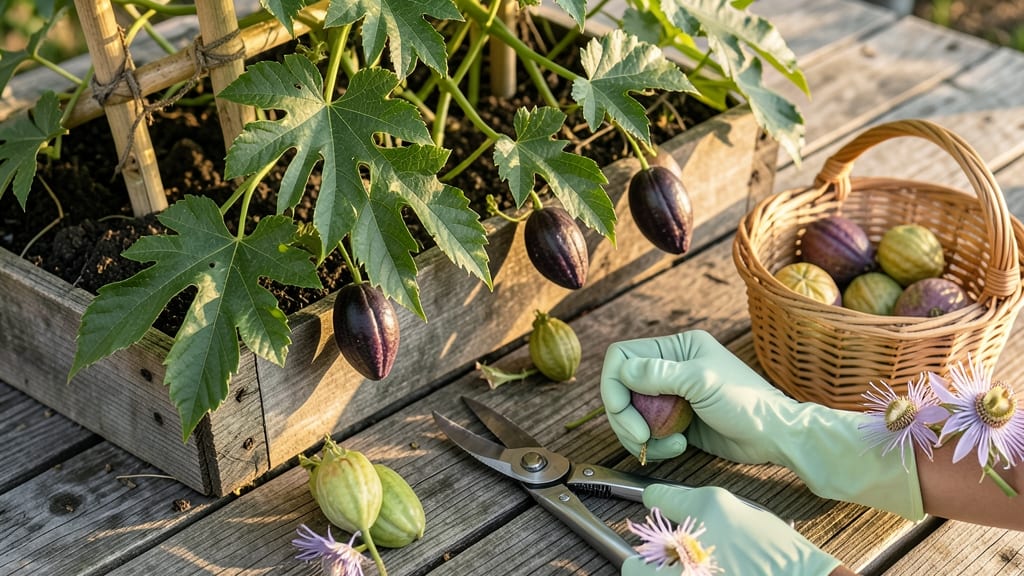
Edible passion flower fruit, known as passionfruit, offers a tangy-sweet flavor with a juicy pulp and edible seeds that make it versatile for cooking and nutrition. To use it fully, harvest when fully ripe (deep color, slightly soft), then slice open to access the vibrant interior.
Passionfruit's unique flavor profile—bright citrus notes with a hint of tropical sweetness—makes it a standout ingredient in both sweet and savory dishes. 🌿 The seeds add a satisfying crunch, while the pulp works beautifully in everything from desserts to marinades.
I've found that using ripe passionfruit maximizes flavor intensity, and freezing excess pulp prevents waste while preserving its vibrant taste for later use.
When selecting passionfruit, look for a deep purple or yellow hue (depending on the variety) and a slight give when gently squeezed. The ideal harvest time is late morning when the fruit is warmest, ensuring peak ripeness and flavor extraction.
Once opened, the pulp can be strained for puree or used whole in recipes like sorbets, dressings, or even as a tangy topping for grilled meats.
💡 In This Article
- Identifying and Harvesting Ripe Passionfruit
- Creative Culinary Uses for Passionfruit Beyond Juice
Identifying and harvesting ripe passionfruit
Determining when passionfruit is truly ripe involves checking three key indicators: color, texture, and scent. Purple passionfruit should have a deep, uniform purple hue with no green patches—this variety typically ripens fully in 7-10 days after reaching full size.
Yellow passionfruit, on the other hand, turns a golden yellow with a slight orange tint. The texture should feel slightly soft when gently squeezed, similar to a ripe avocado, but not mushy. 🔥 A ripe fruit will yield slightly under pressure.
The scent is your third clue—give the fruit a sniff near the stem end. A ripe passionfruit emits a sweet, floral aroma with a hint of tropical tang, almost like a cross between citrus and honey.
Unripe fruit smells bland or slightly green, while overripe fruit may have a fermented or overly sweet odor. Harvesting too early results in a bland, watery pulp with minimal flavor, while waiting too long leads to a grainy texture and loss of vibrant color.
When harvesting, always use a clean, sharp knife to cut the fruit from the vine at the stem. Avoid twisting or pulling, which can damage the plant's growth. The best time to harvest is late morning when the fruit has warmed slightly from the sun—this enhances the flavor extraction.
In tropical climates, passionfruit vine produces fruit year-round, but peak season varies by region, typically aligning with warm months when temperatures stay between 60-85°F.
Overripe passionfruit isn't just flavorless—it develops a gritty texture due to the breakdown of pulp into smaller particles, making it unusable for most recipes.
The seeds also lose their characteristic crunch and can become bitter. 💫 To test ripeness beyond visual cues, cut open a sample fruit and check for vibrant color and juiciness. If the pulp looks dull or watery, wait another day or two before harvesting.
For home gardeners, harvesting at the right stage is crucial because passionfruit doesn't ripen further once picked. The vine produces fruit in clusters, so monitor each one individually. A fully ripe passionfruit will have a stem that separates easily from the fruit—this indicates it's ready for picking.
The ideal size is about 2-3 inches in diameter, with a firm but yielding texture that signals perfect ripeness.
If you're growing passionfruit commercially, consider harvesting in batches over a few days to ensure consistent ripeness.
The fruit's sugar content peaks at full ripeness, which is why culinary professionals often prioritize harvesting at this stage for maximum flavor impact. 🌟 The difference between a ripe and unripe passionfruit in a recipe can be dramatic—think of the contrast between a bright, tangy sorbet and a bland, watery one.