
Pests
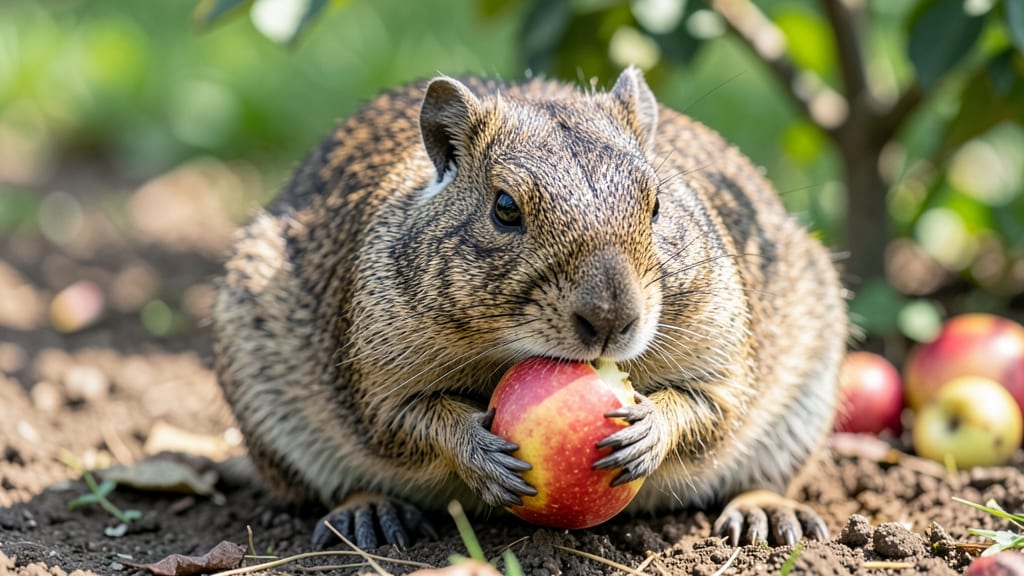
Groundhogs do eat fruit, though they primarily prefer vegetation like grasses, clovers, and leafy plants. Their diet includes berries, apples, and other soft fruits, especially during late summer and fall when other food sources are scarce.
Groundhogs are primarily plant-eaters, but their diet does include fruit when available. 🌿 These burrowing rodents have a specialized digestive system designed for processing fibrous vegetation, which makes up about 90% of their meals.
During late summer and fall, when fresh greens become less abundant, they'll happily munch on berries, apples, and grapes they find in gardens or wild areas. The key is timing—fruit consumption spikes when other food sources dwindle, helping them maintain energy levels through winter preparation.
Interestingly, their fruit preferences aren't random. Groundhogs show a particular fondness for soft, easy-to-digest fruits like blackberries and peaches, while avoiding tougher varieties. This seasonal flexibility actually plays a crucial role in their survival strategy, allowing them to adapt when their usual plant-based menu becomes scarce.
The fruits they do eat provide essential vitamins and sugars that complement their primarily fibrous diet.
💡 In This Article
- Groundhog Diet Science: Why Vegetation Dominates Their Meal Plan
- Fruit Types Groundhogs Love: Safe and Dangerous Options for Gardens
Groundhog diet science: why vegetation dominates their meal plan
Groundhogs, also known as woodchucks, have evolved as primarily herbivores with digestive systems finely tuned for processing fibrous plant material. Their large, powerful molars are designed to grind tough vegetation like grasses, clovers, and leafy plants, which make up the bulk of their diet—about 90% of their meals.
This adaptation reflects their ecological role as ecosystem engineers, helping disperse seeds and control plant growth in their habitats. Their gut contains specialized bacteria that break down cellulose, the tough structural component of plant cell walls, allowing them to extract maximum nutrients from their fibrous meals.
Their preference for vegetation isn't just about preference—it's about efficiency. A groundhog's digestive system is optimized for processing high-fiber, low-energy foods, which are abundant in their natural environments. When fruits appear in late summer and fall, they serve as a convenient energy boost.
Fruits like berries and apples are softer and easier to digest, providing a quick 20-30% increase in caloric intake compared to fibrous greens.
This seasonal shift helps groundhogs build fat reserves for hibernation, as fruits contain higher concentrations of simple sugars and vitamins that their bodies can quickly convert into energy.
What's fascinating is how their gut microbiota plays a role in this dietary flexibility. Groundhogs host a diverse community of microbes that can shift slightly to better process the sugars and pectins found in fruits when they become available.
For example, during berry season, their gut bacteria may increase production of enzymes like pectinase, which breaks down the fruit's cell walls. This microbial adaptation explains why groundhogs can handle occasional fruit feasts without digestive upset, even though their system is primarily built for fibrous vegetation. 🌱
Seasonal availability is the key factor determining how much fruit groundhogs consume. In early spring, when fresh greens are plentiful, fruit makes up less than 5% of their diet.
However, by late summer and fall, when many plants become less palatable or nutrient-poor, fruit consumption can jump to 20-25% of their meals. This seasonal flexibility isn't just about filling empty stomachs—it's a survival strategy that allows them to maintain energy levels when their primary food sources become scarce.
The fruits they choose are typically those that are easiest to access and digest, with soft-skinned varieties being the most appealing.
Interestingly, groundhogs show remarkable selectivity when it comes to fruit. They tend to avoid fruits with tough skins or large pits, as these require more energy to process than they provide. For instance, while they'll happily eat ripe apples, they'll often leave windfalls with bruised or damaged skins.
This selectivity extends to fruit trees—they prefer varieties that are naturally softer and sweeter, like peaches and plums, over tart or fibrous options. Their ability to distinguish between fruit types suggests a sophisticated sensory system that helps them maximize nutritional value with minimal effort.
One often overlooked aspect of their diet is how fruit consumption affects their behavior. When fruits become abundant, groundhogs may become more active during the day rather than their usual crepuscular (dawn/dusk) pattern.
This increased activity helps them locate and consume these seasonal treats before other animals can get to them. The sugar rush from fruits can also make them more bold, leading to encounters with humans or pets—a phenomenon gardeners often notice when their fruit trees suddenly become groundhog targets. 🐿️