
Tools
Small yards shouldn’t limit your gardening dreams. These 10 DIY garden bed designs maximize growing space, boost yields, and fit any outdoor area—from balconies to backyards—while keeping costs low and creativity high.
Vertical Pallet Herb Garden
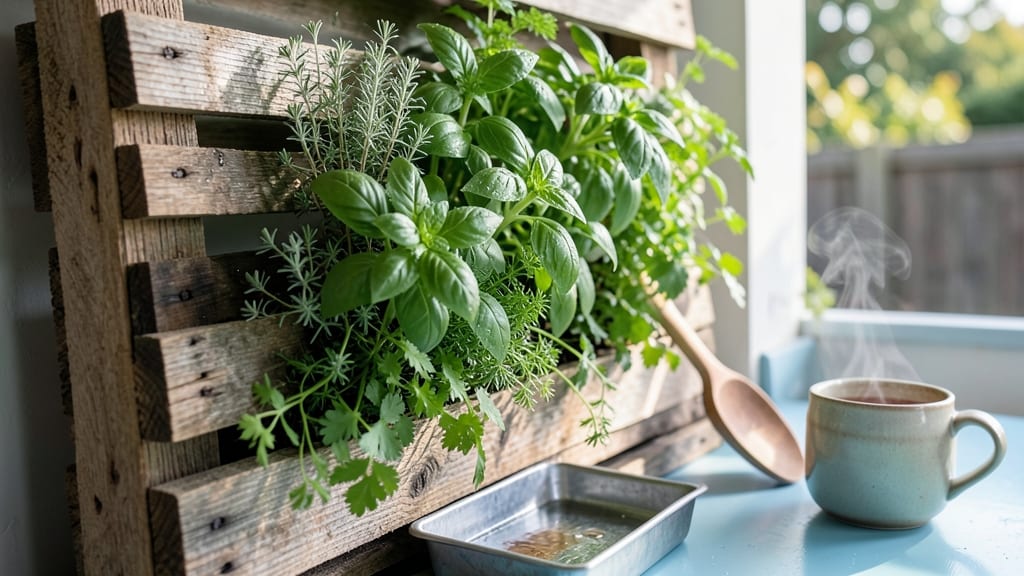
Turn your kitchen or patio into a fragrant, functional herb garden without sacrificing square footage—just repurpose a wooden pallet into a vertical planter. This DIY project is perfect for culinary enthusiasts who want fresh basil, thyme, and parsley within arm's reach, all while keeping costs under $20 and construction under an hour.
Start by disassembling the pallet (avoid treated wood) and securing it vertically to a wall or fence using sturdy brackets. Fill the gaps between slats with well-draining potting mix and plant herbs with varying root depths—bushy thyme in the top layers and deeper-rooted rosemary at the bottom. Water from the top to ensure even moisture, and add a drip tray to catch overflow. For extra productivity, double up by mounting a second pallet side by side.
This project is ideal for renters, small-space gardeners, and anyone who loves the convenience of having herbs ready for cooking. Plus, the rustic charm blends seamlessly with outdoor decor. 🌿
Raised Keyhole Garden Bed
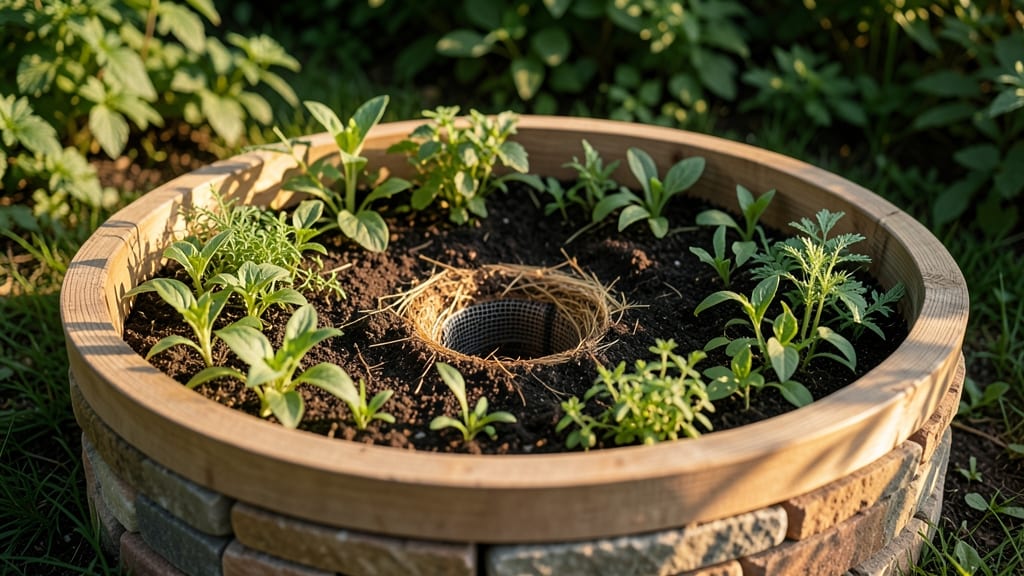
Tired of rectangular raised beds that leave corners unused? The raised keyhole garden bed transforms wasted space into a self-sustaining growing system with its circular design and built-in compost hole at the center.
This genius design lets you plant right up to the edges while the central compost hole (lined with chicken wire) breaks down kitchen scraps and yard waste directly into nutrient-rich soil. The circular shape makes every inch accessible—no more reaching across deep beds—and the compost hole eliminates the need for separate compost bins. Perfect for growing leafy greens, herbs, and root vegetables like carrots and radishes, this bed thrives in urban settings where space and soil quality are limited.
Urban gardeners and beginners will love how this bed reduces waste while improving soil health over time. Plus, the open center makes it easy to tend plants without stepping on the growing area. 💚
Hanging Shoebox Veggie Planters
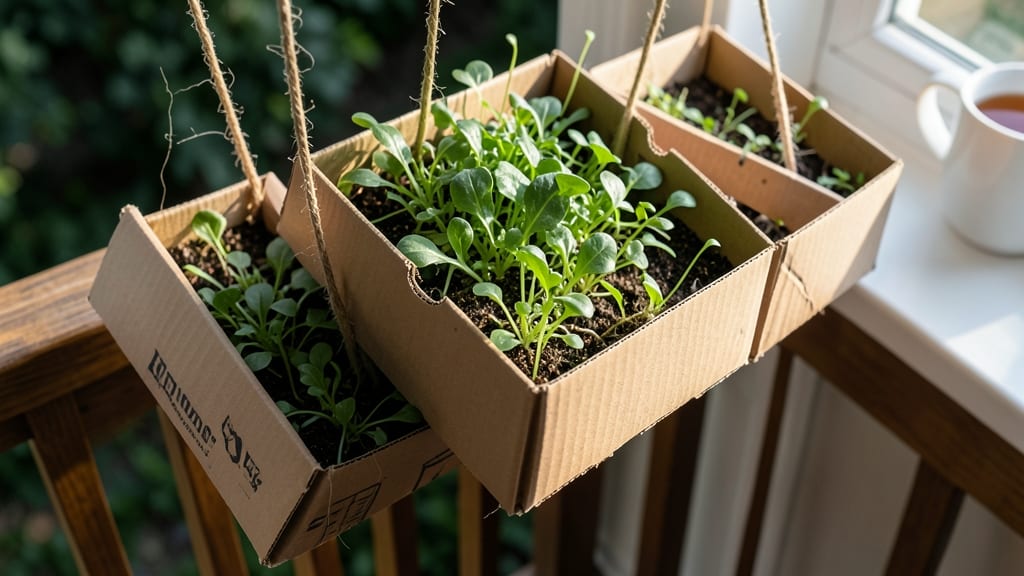
Why let unused shoeboxes collect dust when they can become year-round veggie producers? These lightweight, hanging planters transform old boxes into drought-tolerant homes for leafy greens and microgreens, perfect for balconies, patios, or even kitchen windows.
Drill drainage holes in the bottom and line the interior with breathable fabric to prevent soil spillage. Fill with a well-draining potting mix and plant fast-growing crops like lettuce, spinach, or radishes—harvest in as little as 3-4 weeks! Hang with sturdy twine or hooks from a fence or pergola, keeping them 6-12 inches off the ground for airflow.
This zero-waste solution is ideal for renters or urban gardeners who want fresh produce without permanent installations. Plus, kids love the playful, customizable design—just paint the boxes first! 🌱
Tiered Wooden Planter Boxes
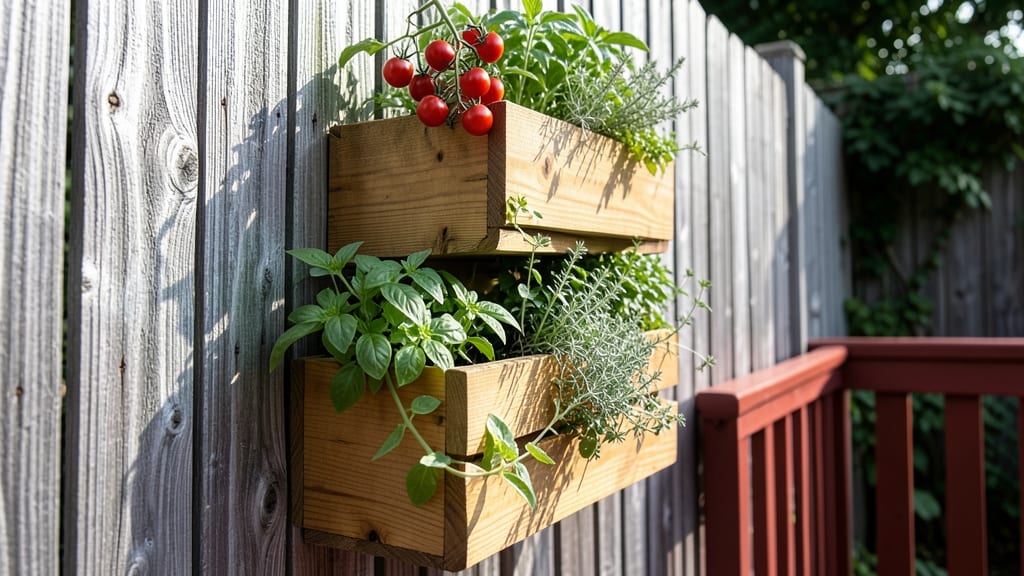
Turn a blank fence or deck into a lush, cascading garden with tiered wooden planter boxes that grow upward instead of outward. These stackable designs let you grow flowers, herbs, or veggies like cherry tomatoes in a compact footprint while adding visual drama to any space.
Start with cedar or redwood boxes (naturally rot-resistant) and add drainage holes at the bottom of each tier. Fill with lightweight potting mix and plant shallow-rooted varieties like basil, marigolds, or lettuce—the top tier gets the most sun, while lower tiers thrive in partial shade. Secure the stack with brackets or L-shaped hardware to prevent wobbling, and arrange them at varying heights for a dynamic look.
Perfect for urban gardeners or small spaces, these planters maximize growing area without sacrificing aesthetics. Plus, the rustic wood adds charm to any outdoor setting. 🌻
Straw Bale Garden Bed
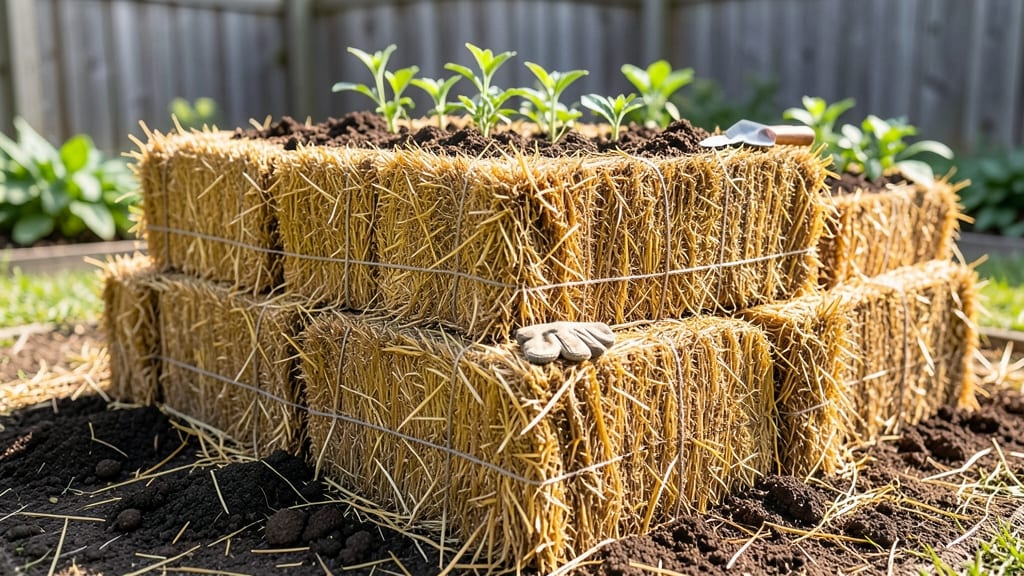
If you’ve ever wanted a garden but dreaded the prep work, straw bale garden beds are your secret weapon. These no-dig planters eliminate soil amending, tilling, and weeding—just stack, plant, and grow. Perfect for beginners or renters, they transform a simple bale into a fertile, temporary growing space in days.
Start by soaking the bale’s top with water, then top with 2-3 inches of compost and your chosen plants (lettuce, herbs, or flowers thrive here). The bale decomposes over time, enriching the soil naturally. Water lightly daily to keep the bale moist but not soggy—this method works in any season and requires no permanent installation. 🌱
Window Box Succulent Garden
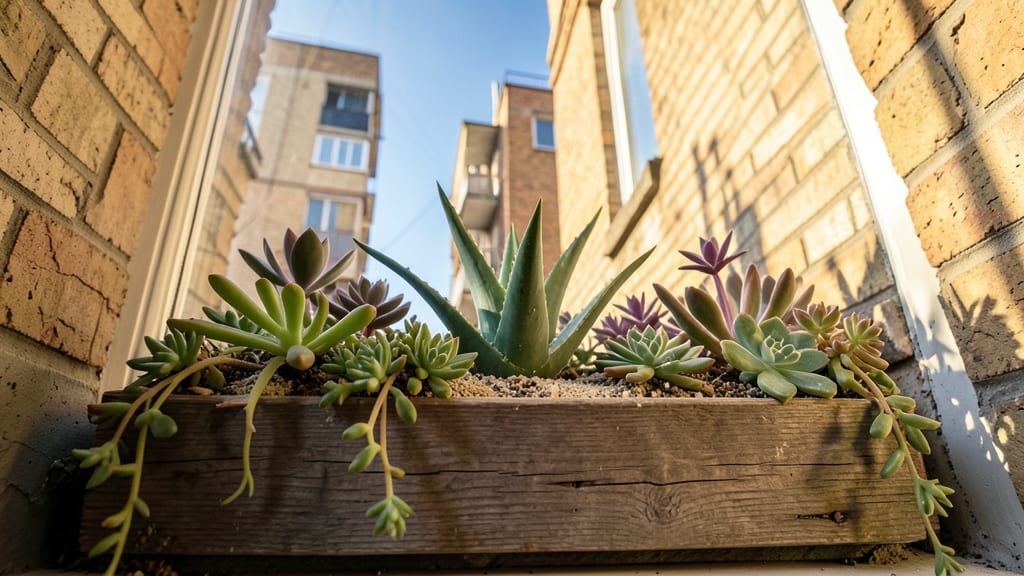
Transform even the smallest urban space into a lush, sunlit oasis with a window box succulent garden. This design turns overlooked windowsills or railings into vibrant displays of drought-resistant plants that thrive with minimal care—perfect for balconies, patios, or apartment dwellings where gardening space is scarce.
Fill your box with a mix of echeveria, sedum, and rosemary for a striking contrast of textures and colors. Use a lightweight cactus/succulent mix for drainage, and water only when the soil feels completely dry to the touch. Mount the box with sturdy brackets to ensure it can handle wind and rain, and place it where it gets at least 6 hours of sun daily for the best results.
This project is ideal for busy urbanites who want instant curb appeal without the upkeep of traditional gardens. Plus, the fragrant herbs like rosemary add a sensory bonus you can enjoy year-round. 🌱
Spiral Herb Garden Bed
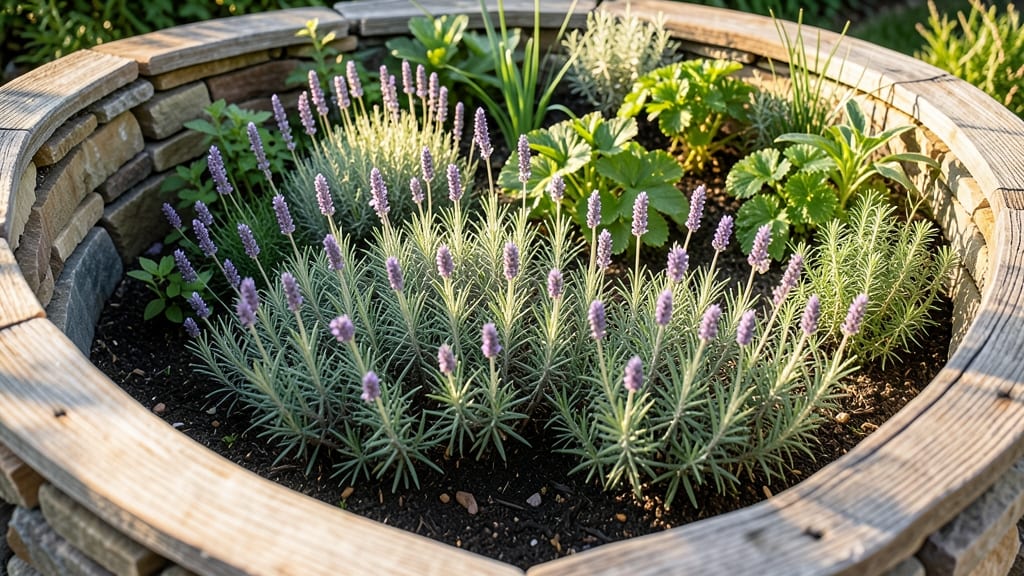
Transform your tiny garden corner into a fragrant, functional masterpiece with a spiral herb garden bed—where every inch of space works harder for you. This clever design mimics nature’s layered ecosystems, giving deep-rooted herbs like rosemary and lavender the depth they crave while letting shallow-rooted chives and thyme thrive at the edges.
Start by creating concentric circles of cinder blocks, bricks, or even repurposed logs, with each layer slightly higher than the last. Fill the center with nutrient-rich soil and work your way outward, placing moisture-loving herbs like parsley near the middle and drought-tolerant varieties like oregano at the outer edges. The spiral’s gentle slope also creates microclimates, letting you grow herbs with different sun and water needs in one bed. Add a small stepping stone path to access the center without compacting the soil.
Perfect for urban gardeners, small patios, or even as a charming centerpiece in a larger yard, this design maximizes harvests while minimizing footprint. Plus, the year-round greenery and aromatic blooms make it a conversation starter. 🌿
Gutter Garden Planters
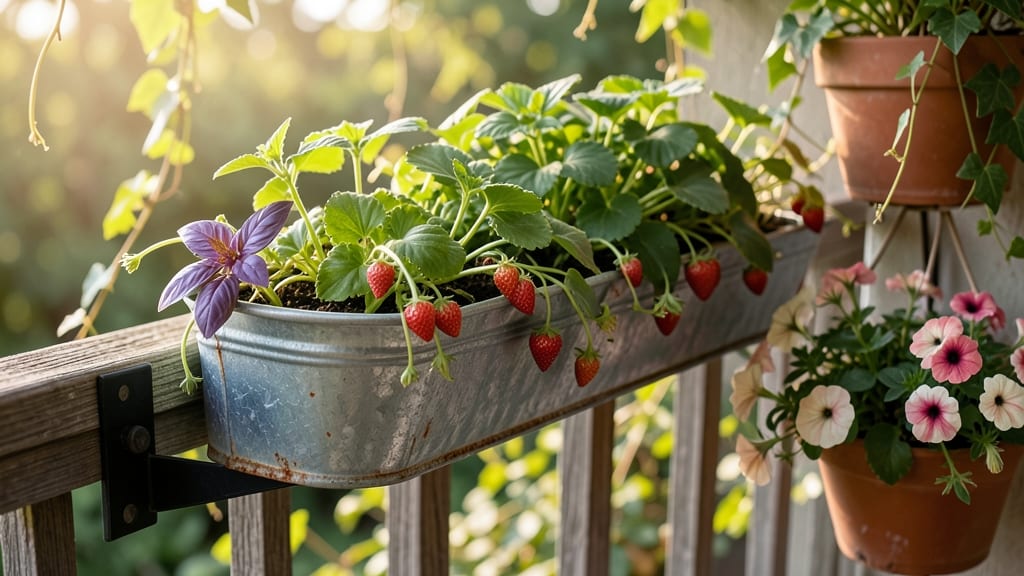
Turn clutter into a garden goldmine with gutter garden planters—a clever way to repurpose old gutters into stylish, functional hanging planters. These narrow channels are perfect for trailing plants like strawberries, lettuce, or cascading flowers, making them ideal for balconies, decks, or patios where space is tight but drainage is a must.
Start by cleaning and drilling drainage holes along the bottom of your gutters, then line them with landscape fabric to prevent soil loss. Fill with a lightweight potting mix and plant your chosen trailing varieties, ensuring they have enough room to spill over the edges. Hang them securely from a railing or hook system, positioning them where they’ll get 4-6 hours of sunlight daily. The metal gutters stay cool in summer, protecting roots from heat stress while keeping plants thriving.
This DIY project is a game-changer for urban gardeners or anyone with limited outdoor space. It’s budget-friendly, customizable, and adds a modern touch to small gardens—plus, you’re giving old gutters a second life! 🌱
PVC Pipe Vertical Tower
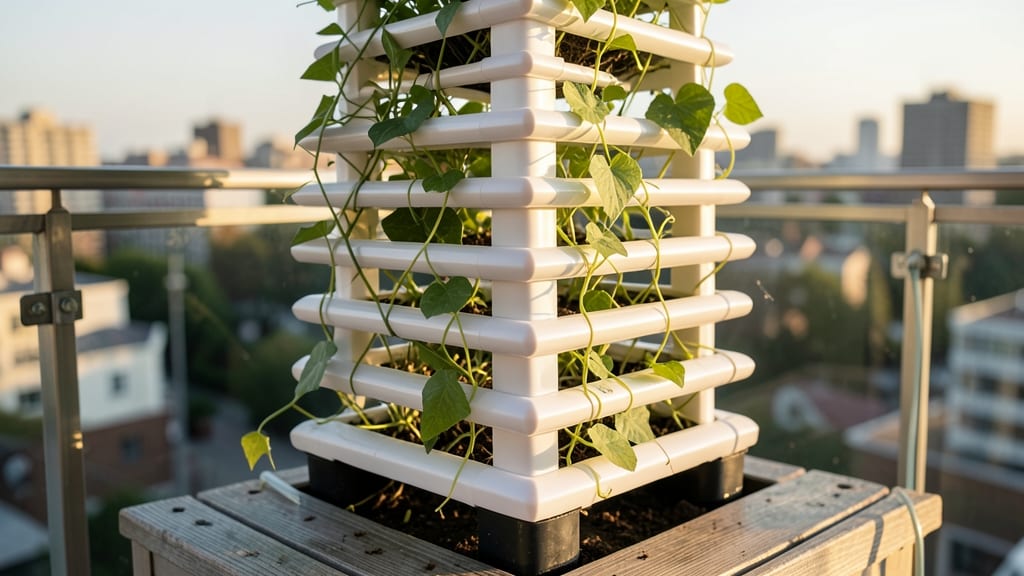
Turn your urban patio or balcony into a high-yield garden with a PVC pipe vertical tower—the perfect solution for growing pole beans, peas, or cucumbers without sacrificing floor space. This sleek, industrial-chic design repurposes inexpensive materials into a functional, space-saving structure that adds a modern twist to your garden.
Start by cutting 4-inch PVC pipes into 2-foot sections and stacking them vertically, securing each layer with PVC cement or brackets. Fill the bottom pipe with well-draining potting mix, then plant your climbing crops at the base. As vines grow, they’ll naturally weave through the gaps between pipes, creating a lush, vertical display. For extra stability, anchor the tower to a fence or wall with L-brackets, ensuring it can support the weight of mature plants.
This design is ideal for urban gardeners, renters, or anyone with limited space who still wants a bountiful harvest. Plus, the clean lines and minimalist aesthetic make it a standout feature in any outdoor area. 💡
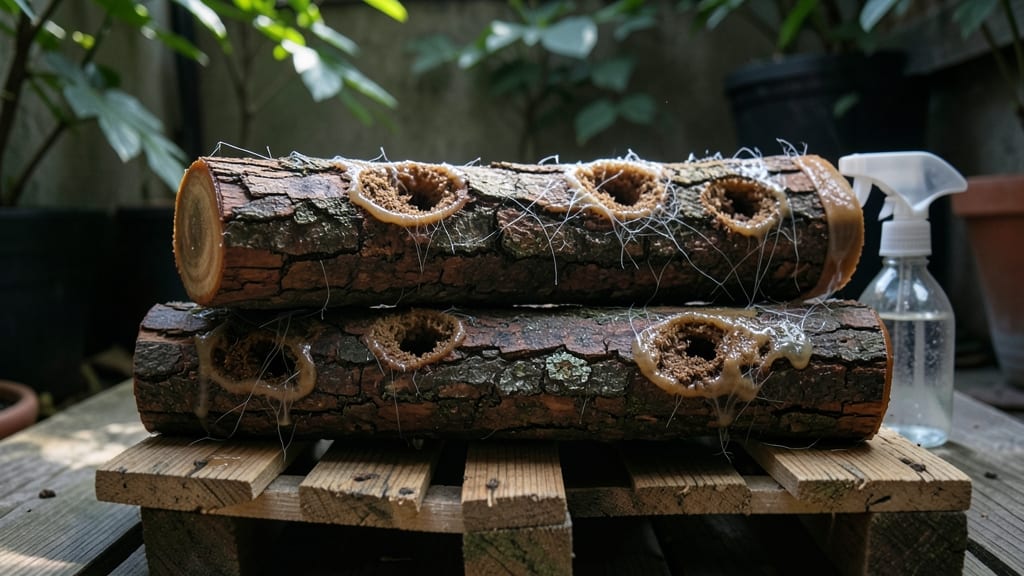
Mushroom Log Beds

Turn your old logs into a gourmet mushroom farm without needing a traditional garden. Mushroom log beds transform hardwood logs into productive growing spaces for oyster or shiitake mushrooms, thriving in shaded or indoor conditions where most plants struggle.
Start by drilling holes into sterilized logs, then inoculate them with mushroom spawn. Keep logs in a humid, shaded environment (60-80% humidity) and mist daily. Harvest clusters of oyster mushrooms in just 4-6 weeks after pins appear, or wait 6-8 weeks for shiitake. This method repurposes waste wood into a sustainable, space-efficient harvest.
Perfect for urban gardeners, homesteaders, or anyone craving unique yields, these beds require minimal space and no soil. 🌟