
Pruning
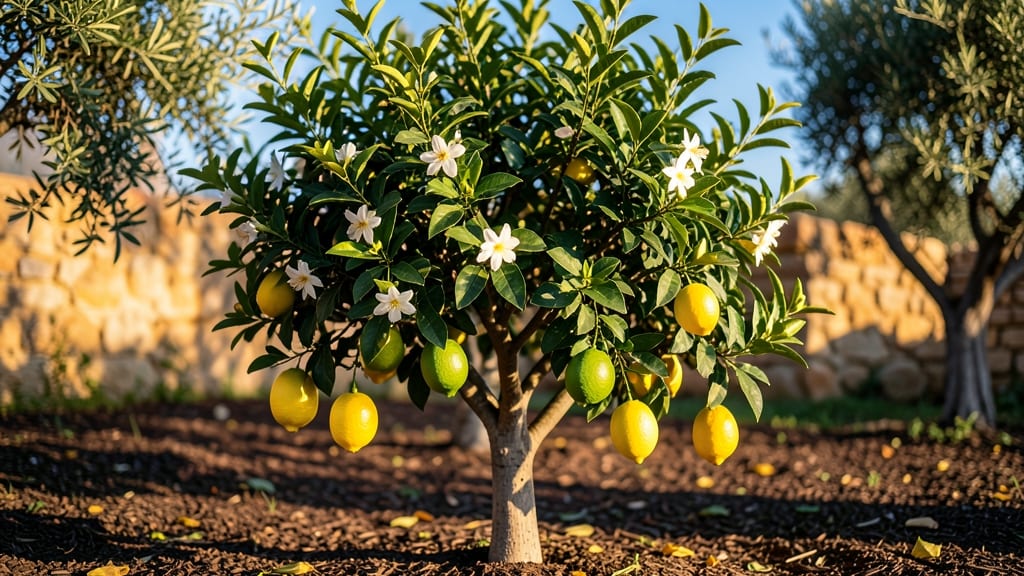
A citrus fruit salad tree bursting with Meyer lemons, Calamondins, and Kumas grows in my backyard year after year—even in Zone 8 winters. 🌿 The secret isn’t just picking the right varieties (though that matters) but creating the perfect microclimate where these finicky trees thrive together.
Most people assume citrus needs a greenhouse, but with the right soil, watering, and pruning, you can harvest sweet, tart fruit straight from your patio or garden bed.
The real magic happens when you combine dwarf varieties on a single rootstock—think of it like a living fruit salad. My tree produces 6-8 different citrus types on one trunk, saving space while giving me everything from blood oranges to tiny, candy-sweet Calamondins.
The key is starting with dwarf grafted trees (they fruit faster) and planting them in well-draining soil with at least 6 hours of morning sun. Containers work too, as long as the pot’s 18+ inches deep and you use a mix of potting soil and perlite.
By late spring, you’ll see tiny blossoms that smell like a Florida grove, followed by fruit that ripens in waves—some varieties in winter, others in summer. The pruning isn’t about shaping (though that helps), but opening the canopy so air circulates and sunlight reaches all branches.
I snip back any leggy growth in early spring, and by midsummer, the tree is dense with glossy leaves and fruit. The best part? Even in cooler climates, a well-mulched base and a lightweight frost cloth keep my tree producing through mild winters.
This works for small yards, patios, or even large gardens—just adjust the container size or spacing. The only rule? Don’t overwater (citrus hates soggy roots) and fertilize lightly in early spring.
Once you master the basics, you’ll have a tree that looks stunning year-round and tastes like a vacation in every bite.
📚 In This Guide
- What you need
- Instructions
- Tips and common mistakes
- Wrapping up and next steps
What you need
- ● Citrus tree varieties (3–5 plants): 1–2 Meyer lemon trees (dwarf or semi-dwarf)
- ● 1 Calamondin orange tree (compact, great for small spaces)
- ● 1 Kumquat tree (small, sweet-tart fruit)
- ● 1 Satsuma mandarin tree (cold-hardy, easy to grow)
- ● Pruning tools: 1 pair bypass pruners (sharp, 5–8" blades for clean cuts)
- ● 1 felco pruner (for thicker branches, 12"–16" handles)
- ● 1 pruning saw (for stubborn, woody stems)
- ● 1 sterilizing solution (70% isopropyl alcohol or 10% bleach water)
- ● Safety gear: 1 pair gardening gloves (nitrile-coated for grip)
- ● 1 safety goggles (to protect from debris)
- ● Grafting supplies: If you want to create a multi-graft tree, grab a grafting knife and grafting tape.
- ● Support system: A small trellis or stake (for dwarf varieties) to shape growth.
- ● Fertilizer: Citrus-specific fertilizer (balanced NPK, 6-6-6 ratio) for post-pruning recovery.
- ● Mulch: Organic mulch (straw or wood chips) to retain moisture and suppress weeds.
- ● A sunny location (6+ hours of direct sunlight daily).
- ● Well-draining acidic soil (pH 6.0–7.0) or a large container (15+ gallons per tree).
- ● Access to warmth (citrus trees thrive in USDA Zones 9–11; younger trees need winter protection).
- ● Patience! Dwarf trees take 2–3 years to bear fruit; grafted trees may take longer.
Step-by-Step instructions for creating a thriving citrus fruit salad tree
Here's how to craft a lush, multi-varietal citrus tree that delivers year-round harvests of bold tropical flavors.
🌱 Step 1: Select and Prepare Your Citrus Varieties
Choose 4 compatible citrus varieties that thrive in your climate zone—think Meyer lemon, Calamondin orange, Yuzu, and Kumquat for a perfect balance of sweet, tart, and aromatic flavors. I always select dwarf rootstock varieties since they fruit faster and fit well in containers or small spaces. These varieties naturally cross-pollinate to create unique fruit salads with complex flavors.
Remove the citrus fruits from their stems carefully, preserving the entire base where the fruit attaches to the stem. This ensures the budding nodes remain intact—critical for successful grafting. I like to work on a clean cutting board using sterilized pruning shears to prevent disease transmission between varieties.
🪴 Step 2: Graft the Citrus Scions onto a Rootstock
Select a healthy, disease-free citrus rootstock seedling that's about 6-12 months old with a ¼-inch diameter trunk. Using a sharp grafting knife, make a clean, slanted cut about 2 inches long on both the rootstock and the scion wood. The cuts should match in size—this ensures perfect cambium layer alignment for successful fusion.
Wrap the joined graft with rafting tape or plastic grafting film, leaving only the top ½ inch exposed to prevent rot. Place the grafted tree in a humidity dome or clear plastic bag to maintain 80-90% humidity—this mimics the tropical environment citrus loves. Keep the soil consistently moist but never soggy during the 4-6 week healing period.
☀️ Step 3: Provide Optimal Growing Conditions
Once the graft has taken (you'll see new growth emerging from the scion above the graft union), move the tree to a location with full sun exposure—at least 8 hours of direct sunlight daily. Citrus trees thrive in warmth, so maintain daytime temperatures between 70-90°F and nighttime temperatures above 55°F. If you're in a cooler climate, use a grow light to supplement during winter months.
Use a well-draining potting mix (I blend 50% cactus/succulent mix with 50% organic compost) in a 15-gallon container with drainage holes. Water deeply once a week, allowing the top 2 inches of soil to dry out between waterings. Overwatering causes root rot, which is fatal for citrus trees—always check moisture by sticking your finger into the soil.
✂️ Step 4: Prune and Fertilize for Maximum Fruit Production
Prune your citrus tree twice a year—once in early spring to shape the tree and remove dead wood, and again in late summer to encourage new growth. I focus on opening the canopy to improve air circulation and sunlight penetration, which prevents fungal diseases. Always use sterilized pruning shears and make cuts at a 45-degree angle just above a leaf node.
Fertilize every 4-6 weeks during the growing season with a balanced citrus fertilizer (look for a 6-6-6 or 8-3-9 ratio). I like to alternate between organic options like fish emulsion and slow-release granules to avoid nutrient burn. Stop fertilizing in late fall to allow the tree to prepare for dormancy, which actually improves next year's fruit set.
🍊 Step 5: Harvest and Enjoy Your Tropical Fruit Salad
Your citrus tree will begin producing fruit in 1-3 years, depending on the variety and growing conditions. Harvest fruits when they're fully colored but still slightly firm—this ensures peak flavor and texture. I like to pick Calamondins when they turn bright orange and Kumquats when they're deep yellow-green, as these indicate optimal ripeness.
To create your tropical fruit salad, combine segments from 2-3 different citrus varieties with fresh mango, pineapple, and a sprinkle of toasted coconut. The unique flavor combinations from your grafted tree will elevate any dish—think Meyer lemon with Yuzu for a tangy twist or Calamondin with Kumquat for a sweet-tart balance. Store harvested fruits in the fridge for up to 2 weeks to maintain freshness.
Tips & tricks for perfect citrus fruit salad trees
Between us, these little details make all the difference in growing a citrus tree that actually produces fruit salad-worthy harvests.
Variety Selection Wisdom: When choosing your four citrus varieties, prioritize those with different bloom times—this ensures continuous pollination and fruit set throughout the year. For example, Meyer lemons bloom early, while Calamondin oranges flower later. I also recommend including at least one self-pollinating variety like Yuzu to guarantee fruit production even if cross-pollination isn't perfect. The key is creating that flavor symphony where each variety contributes something unique to your tropical fruit salad.
Grafting Precision: That 2-inch clean cut in Step 2 is non-negotiable—any shorter and you risk poor cambium alignment, which means failed grafts. I use a dedicated grafting knife that I sharpen before each session, and I always make the cuts while holding the scion and rootstock at the same angle. After wrapping, leave exactly that ½-inch exposed—any more risks rot, any less prevents proper air circulation for new growth. The 4-6 week healing period is your critical window; don't disturb the humidity dome until you see new growth emerging from the scion.
Sunlight Strategy: Those 8 hours of direct sunlight aren't just about temperature—they're about photosynthesis intensity. Position your tree where it gets morning sun (gentler) and afternoon sun (stronger). In cooler climates, supplement with grow lights that mimic the sun's spectrum, not just output. I've seen trees in northern latitudes produce just as well with good lighting as those in full sun—it's all about replicating that tropical environment where citrus thrives. The 70-90°F daytime range is ideal because it maximizes enzyme activity in the leaves, which directly impacts fruit flavor development.
Pruning Technique: When you prune twice yearly, think of it as creating an open-air sculpture where every cut improves air flow and light penetration. That 45-degree angle above the leaf node isn't arbitrary—it creates a natural water runoff path and prevents disease entry points. I always sterilize my pruning shears with rubbing alcohol between cuts, especially when working with multiple varieties. The late summer pruning is particularly important as it stimulates new growth that will bear next year's fruit.
Pro Tips for Citrus Fruit Salad Tree
- Between us, these little details make all the difference in growing a citrus tree that actually produces fruit salad-worthy harvests.
- Variety Selection Wisdom: When choosing your four citrus varieties, prioritize those with different bloom times—this ensures continuous pollination and fruit set throughout the year.
- Grafting Precision: That 2-inch clean cut in Step 2 is non-negotiable—any shorter and you risk poor cambium alignment, which means failed grafts.
Frequently asked questions
Got questions about growing your own citrus fruit salad tree? Here are some of the most common queries—plus quick, practical answers to help you thrive!
How long does it take for a citrus fruit salad tree to bear fruit?
A citrus fruit salad tree (like a Citrus × aurantium or hybrid variety) typically takes 3–5 years to produce fruit from seed, but grafted trees can bear fruit in as little as 1–2 years. Patience pays off—young trees focus on root and branch growth first! Pro tip: Keep it in a sunny spot and fertilize with citrus-specific nutrients to speed things up.
Can a citrus fruit salad tree survive winter? What’s the coldest it can handle?
Most citrus fruit salad trees (especially hybrids) are tender perennials and struggle below 20–25°F (-6 to -4°C). In colder climates, grow it in containers and move it indoors during winter or use mulch and frost cloth for outdoor plants. Dwarf varieties are slightly hardier—check your specific cultivar’s tolerance!
How do I encourage more flowers (and thus more fruit) on my tree?
Citrus trees need a balance of sunlight, water, and nutrients to flower. Prune lightly in late winter to remove dead wood, and fertilize with a low-nitrogen, high-phosphorus blend (like 6-12-6) in early spring. Bonus: A light frost or temperature drop can trigger blooming—just don’t let it get too cold! Warning: Avoid overwatering, which can stress the tree and reduce flowering.
What’s the best way to prune a citrus fruit salad tree for maximum fruit?
Prune in late winter or early spring before new growth starts. Focus on:
- Removing dead, diseased, or crossing branches (use sterilized tools!).
- Thinning out overcrowded areas to improve airflow.
- Avoid heavy pruning—citrus trees fruit on current season’s growth, so keep the shape open.
Are there citrus alternatives if my tree isn’t producing fruit?
If your citrus fruit salad tree is slow to fruit, consider:
- Grafting: Ask a local nursery for a grafted branch of a fruiting variety (like Citrus × limon or Citrus × bergamia).
- Pollination help: Hand-pollinate with a soft brush if your tree lacks bees.
- Companion planting: Grow jasmine or sweet alyssum nearby to attract pollinators!
- Try a different citrus: Varieties like Meyer lemon or Calamondin orange are more prolific.
Wrapping up and next steps
Growing your own citrus fruit salad tree is a rewarding journey that brings vibrant flavors and tropical beauty to your backyard year-round! 🌿 With the right pruning techniques, you’ll ensure a bountiful harvest while keeping your tree healthy and thriving.
Whether you’re a beginner or a seasoned gardener, these secrets will help you master the art of citrus care—so grab your shears and get ready to enjoy the sweet taste of success!
Now that you’re armed with knowledge, why not take the next step? Start by inspecting your tree today—identify any overgrown branches or signs of stress—and begin your pruning adventure. Happy growing, and may your citrus tree flourish with every snip! 🍊✨