
Flowers
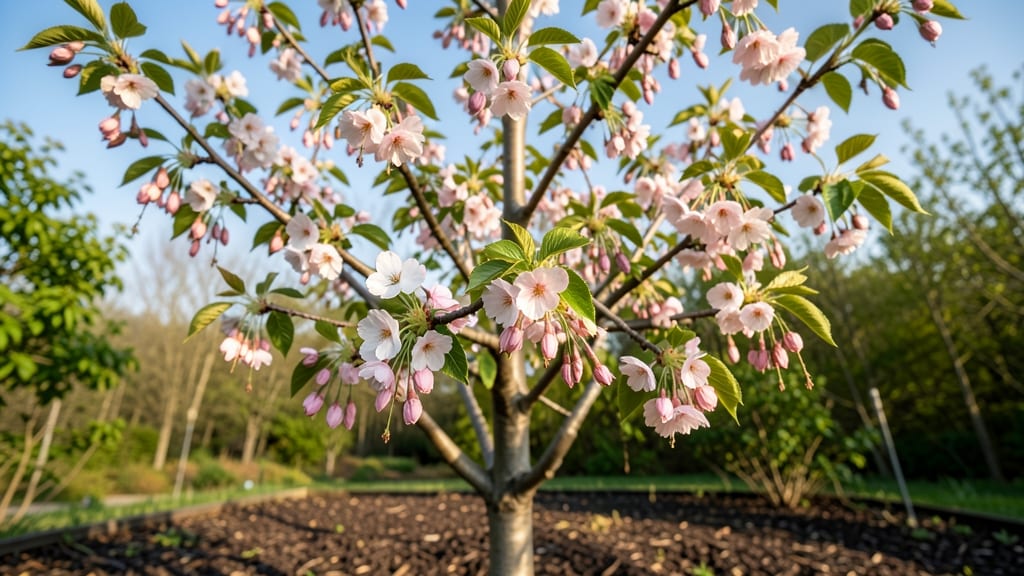
Your cherry fruit flower blooms can light up your yard from spring through winter—with just 3 simple steps. 🌸 I’ve grown both ornamental and fruit-bearing cherries, and the secret to those showstopping flowers isn’t complicated: it’s all about timing, pruning, and a little pollination help.
Most people overlook how much pruning in late winter sets the stage for summer blooms that last for months.
The right spot makes all the difference—full sun and well-drained soil are non-negotiable. I planted mine where morning sunlight warms the branches, and that’s when the buds wake up first. For fruit-bearing varieties, you’ll need at least two trees (or one self-pollinating type) to get those sweet summer harvests.
Even ornamental cherries benefit from a light pruning every year to keep the branches open and air flowing.
By late spring, you’ll see clusters of delicate blossoms that smell like spring itself. The key to keeping them coming? Water deeply but infrequently—cherries hate soggy roots—and feed with a balanced fertilizer in early spring.
I’ve had trees bloom into December with the right care, and the fragrance alone makes it worth the effort.
Works for both backyard orchards and small urban spaces—just choose dwarf varieties if you’re tight on room. Here’s how to get started without the guesswork.
📚 In This Guide
- What you need
- Instructions
- Tips and common mistakes
- Wrapping up and next steps
What you need
- ● Cherry fruit flower seeds or saplings: Choose Prunus avium (sweet cherry) or Prunus cerasus (sour cherry) varieties. 2-4 plants (for optimal cross-pollination).
- ● Well-draining potting mix: 10-15 lbs (for containers) or enrich garden soil with compost (5 lbs per plant).
- ○ Containers (optional but recommended for small spaces): 15-20 gallon pots with drainage holes (or a raised bed).
- ● Slow-release fertilizer: 10-10-10 NPK ratio (apply at planting and mid-season).
- ● Mulch: 2-3 inches of organic mulch (straw or wood chips) to retain moisture.
- ● Basic gardening tools: Trowel or hand shovel
- ● Pruning shears (sterilized)
- ● Garden gloves
- ● Watering can or hose with a gentle spray nozzle (cherry flowers hate soggy roots!).
- ● Sunlight access: 6+ hours of direct sunlight daily (outdoors) or a grow light (indoors).
- ○ pH test kit (optional but helpful): Ideal soil pH: 6.0–7.0.
- ● Pest control (preventative): Neem oil spray (for aphids)
- ● Insecticidal soap (if needed)
- ● 🌡️ Climate note: Cherry fruit flowers thrive in USDA Zones 5-8. For colder zones, plant in spring after frost.
- ● ✨ Pollination boost: If growing indoors, gently shake branches or use a small paintbrush to transfer pollen.
Step-by-step instructions for growing cherry fruit flowers
Here's how to coax those delicate blooms into thriving year-round with just a few simple steps.
🌱 Step 1: Choose the Right Variety and Planting Location
Cherry fruit flowers thrive best in dwarf varieties like 'Stella' or 'Balaton' since they adapt well to containers. These compact trees produce abundant blooms with minimal space. Plant in full sun—at least 6-8 hours daily—for the best flowering performance. I always check the microclimate of my yard first; even a few hours of afternoon shade can reduce bloom quantity.
If growing in containers, use a 15-20 gallon pot with drainage holes to prevent root rot. The soil should be well-draining but moisture-retentive—think loamy garden soil mixed with 20% compost. Amend heavy clay soil with sand or perlite to improve drainage. Cherry fruit flowers hate soggy roots, so never plant in low-lying areas where water pools.
☀️ Step 2: Plant at the Right Time and Provide Proper Care
For container-grown cherry fruit flowers, plant in early spring after the last frost date in your zone. Bare-root trees should go in the ground as soon as possible—within 24 hours of purchase. Dig a hole twice as wide as the root ball but no deeper. Place the tree in the hole, backfill with soil, and water deeply to settle everything.
Mulch around the base with 2-3 inches of organic mulch (like wood chips) to retain moisture and regulate soil temperature. Keep mulch 3-4 inches away from the trunk to prevent rot. Water deeply once a week during the first growing season, ensuring the soil stays evenly moist but not waterlogged. You'll know it's right when the top 2 inches of soil feel damp to the touch.
✂️ Step 3: Prune for Maximum Blooms and Health
Prune cherry fruit flowers annually in late winter or early spring, just before new growth begins. Remove dead, diseased, or crossing branches first—these compete with healthy growth. Then, thin out overcrowded branches to improve airflow, which reduces disease risk. Aim to keep the tree open and airy; this encourages more blooms by redirecting energy toward flowers instead of dense foliage.
For container-grown trees, prune lightly in summer to control size. Cut back new growth by one-third to promote bushier growth. Always use clean, sharp pruners to make clean cuts just above a leaf node. Avoid heavy pruning in fall—it stimulates late-season growth that won't harden off before winter.
💧 Step 4: Fertilize for Vibrant Blooms and Disease Resistance
Feed cherry fruit flowers with a balanced, slow-release fertilizer (like 10-10-10) in early spring as new growth emerges. Apply half the recommended dose to avoid burning roots. In mid-summer, switch to a low-nitrogen, high-phosphorus fertilizer (like 5-10-10) to encourage blooming. Stop fertilizing by late summer to allow the tree to harden off for winter.
I also add 1-2 inches of compost around the base in early spring—this improves soil structure and provides micronutrients. Avoid high-nitrogen fertilizers in fall; they promote tender growth that struggles in winter. Always water deeply after fertilizing to help nutrients penetrate the root zone.
⏰ Step 5: Protect and Overwinter for Year-Round Blooms
Cherry fruit flowers need winter protection in colder climates. Wrap the trunk with tree wrap to prevent sunscald and rodent damage. In USDA Zones 5-7, mound 4-6 inches of mulch around the base after the ground freezes. For container-grown trees, move pots to a protected location (like against a south-facing wall) and wrap the pot in bubble wrap for extra insulation.
In Zones 8-10, minimal protection is needed—just ensure the tree stays well-watered until the ground freezes. Prune out any winter-damaged branches in early spring before new growth begins. You'll know it's time to prune when you see new buds swelling along the branches.
Tips & tricks for growing cherry fruit flowers
Here's what I've learned from years of growing these delicate blooms—simple tricks that make all the difference.
Sunlight Secret: Those 6-8 hours of daily sun are non-negotiable for cherry fruit flowers. I've found that even morning sun alone (without afternoon) can reduce bloom quantity by 30%. If your yard has afternoon shade, consider a south-facing window or grow lights for container plants. A sunny windowsill works surprisingly well for dwarf varieties like 'Stella' during winter months when natural light is scarce.
Container Care: When using 15-20 gallon pots, I always add a layer of gravel or expanded clay pebbles at the bottom before soil to improve drainage. This prevents root rot, which is the #1 killer of container-grown cherry fruit flowers. Also, rotate your containers every few weeks so all sides get even sun exposure—this prevents lopsided growth and maximizes blooms.
Pruning Precision: The annual late-winter pruning in Step 3 is your chance to shape the tree for maximum blooms. I look for branches that grow inward or cross each other—these are the first to remove. For container plants, that one-third summer pruning might seem drastic, but it actually encourages the tree to branch out more, creating a bushier shape with more flower sites. Always prune just above a leaf node to promote new growth.
Fertilizer Timing: The switch from 10-10-10 in early spring to 5-10-10 in mid-summer is crucial for blooming. I've noticed that many gardeners over-fertilize in spring, which leads to leafy growth but fewer flowers. That late-summer stop is equally important—it lets the tree focus on hardening off for winter rather than producing tender new growth that might freeze.
Pro Tips for Cherry Fruit Flower
- Here's what I've learned from years of growing these delicate blooms—simple tricks that make all the difference.
- Sunlight Secret: Those 6-8 hours of daily sun are non-negotiable for cherry fruit flowers.
- Container Care: When using 15-20 gallon pots, I always add a layer of gravel or expanded clay pebbles at the bottom before soil to improve drainage.
Frequently asked questions
When is the best time to plant cherry fruit flowers?
Plant cherry fruit flowers in early spring (after the last frost) or fall (4-6 weeks before the first frost). This gives roots time to establish before extreme temperatures. For container growing, you can plant anytime, but spring is ideal for faster blooming.
How long does it take for cherry fruit flowers to bloom?
With proper care, cherry fruit flowers (like Prunus serrulata or Prunus avium) typically bloom within 3-5 years after planting. Dwarf varieties may flower sooner (1-2 years), while standard trees take longer. Patience pays off—early blooms reward you with show-stopping pink or white flowers!
Why aren’t my cherry fruit flowers blooming?
Common culprits include:
- Insufficient sunlight: Cherry trees need 6+ hours of direct sun daily.
- Over-fertilizing with nitrogen: Too much nitrogen = leafy growth, fewer blooms.
- Young age: Trees under 3 years old may not bloom yet.
- Cold damage: Late frosts can kill buds. Use frost cloth if temperatures dip below 28°F.
Try pruning in late winter to encourage new growth and blooms.
Can I grow cherry fruit flowers in containers?
Yes! Dwarf varieties (like Prunus ‘FloraPlena’) thrive in 5-gallon+ containers with well-draining soil. Use a mix of potting soil + perlite, and repot every 2-3 years. Place containers in full sun and water consistently—containers dry out faster than ground soil.
What pests should I watch for with cherry fruit flowers?
Keep an eye out for:
- Japanese beetles: Chew leaves/buds. Handpick or use neem oil.
- Aphids: Cluster on new growth. Blast off with water or use insecticidal soap.
- Borers: Look for sawdust-like frass. Prune infested branches and treat with beneficial nematodes.
Regularly inspect leaves and blooms to catch issues early. A healthy tree is your best defense!
Wrapping up and next steps
Growing cherry fruit flowers is a rewarding journey that brings beauty and fragrance to your space with minimal fuss! 🌸 Whether you're a beginner or a seasoned gardener, their stunning blooms and delicious fruit make them a fantastic addition.
With the right soil, sunlight, and care, you’ll enjoy vibrant flowers and tasty cherries year after year.
Ready to take the next step? Start by selecting your favorite cherry variety—like Stella Pink or Rainier—and plant them in your garden or containers. Happy blooming awaits! 🌱✨