
Fertilization
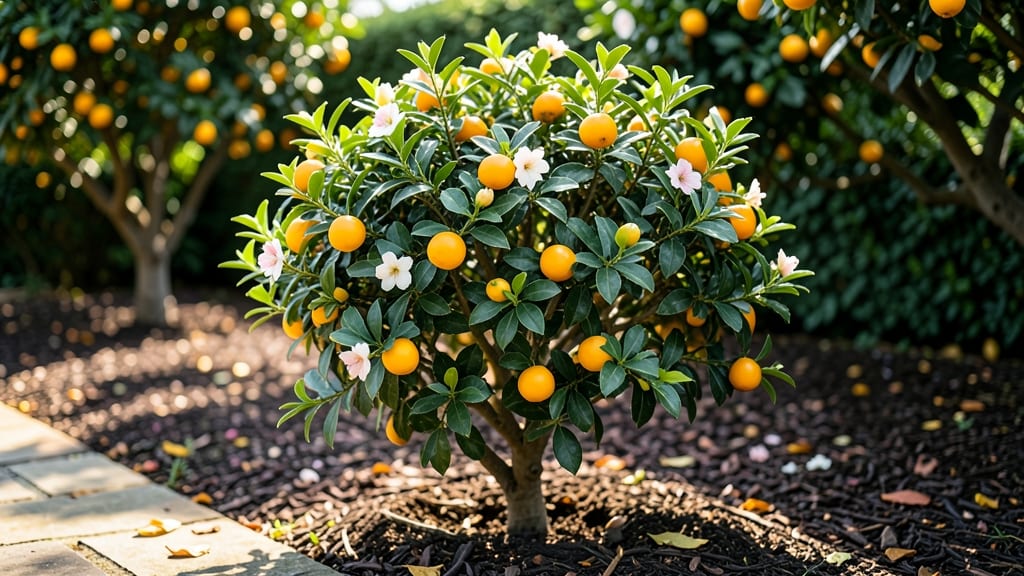
Growing calamondin citrus fruit transforms your patio into a tropical oasis with tiny, tangy orbs that taste like a cross between orange and lemon. 🌿 I've battled frost, pests, and impatient seedlings to perfect my method—now my tree produces fruit year-round, even in containers.
The secret lies in mimicking its native Southeast Asian climate: bright, indirect light, well-draining soil, and consistent moisture without soggy roots. Most people overwater, which leads to root rot—the #1 killer of calamondins. I've learned to check soil moisture with my finger before watering, and the difference is dramatic.
By late winter, you'll see clusters of bright orange fruit forming, each packed with juice perfect for marinades or homemade candied peel. The tree stays compact (under 10 feet tall), making it ideal for balconies, greenhouses, or sunny windowsills.
Here's where it gets interesting—calamondins thrive in zones 9-11 but can survive winters in pots moved indoors. Let's get your tree growing!
📚 In This Guide
- What you need
- Instructions
- Tips and common mistakes
- Wrapping up and next steps
What you need
- ● Calamondin citrus plants: 1–3 young trees (3–5 ft tall, grafted for better yield). Choose healthy ones with vibrant green leaves.
- ● Well-draining potting mix: 5–10 gallons (for containers) or enriched garden soil (for in-ground planting). Mix with perlite or sand (20–30%) for aeration.
- ● Fertilizer: Balanced citrus fertilizer: 6-6-6 or 8-3-9 NPK ratio (1 tbsp per gallon of water, every 4–6 weeks during growing season).
- ● Slow-release granules: 1–2 cups per plant (spring/fall).
- ● Citric acid or Epsom salt: 1 tsp per gallon (monthly, for micronutrients).
- ○ Containers (optional but recommended): 15–25 gallon pots with drainage holes (if growing indoors or in colder climates).
- ● Mulch: 2–3 inches of organic mulch (straw, wood chips) to retain moisture and regulate soil temp.
- ● Basic gardening tools: Trowel, pruning shears, gloves, and a watering can or hose with a gentle spray nozzle.
- ● pH testing kit: Ideal soil pH for calamondins is 5.5–6.5. Adjust with sulfur (to lower) or lime (to raise) if needed.
- ● Sunlight access: Full sun (6+ hours daily). South-facing windows or a greenhouse work for indoor setups.
- ● Watering schedule: Deep watering 2–3 times per week (more in extreme heat). Avoid soggy soil!
- ○ Pest control (optional but handy): Neem oil or insecticidal soap (for aphids/spider mites).
- ● Yellow sticky traps (to monitor fruit flies).
Step-by-Step guide to growing calamondin citrus trees
Here’s how I grow these tiny, fragrant citrus trees that pack a tangy punch year-round.
🌱 Step 1: Choose the Right Pot and Soil Mix
Calamondins thrive in containers, so pick a 10-12 inch pot with drainage holes—these trees hate soggy roots. I use a mix of 60% well-draining potting soil, 30% perlite, and 10% compost to keep moisture balanced. The perlite prevents compaction, which is critical since calamondins are tropical but need airflow around their roots.
Fill the pot halfway with your mix, then gently tap it to settle. This prevents air pockets that could stunt root growth. The soil should feel like a damp sponge—not wet, not dry. If it crumbles easily, add a splash of water and mix again.
☀️ Step 2: Plant and Position for Maximum Sunlight
Place your calamondin tree in the pot, spreading roots evenly. Cover them with the remaining soil mix, pressing lightly to secure the plant. I leave ½ inch of space between the soil and pot rim—this prevents spills when watering. After planting, water deeply until water runs out the drainage holes.
Calamondins need full sun (6+ hours daily) but can handle partial shade in hot climates. If you’re in a warm zone, morning sun with afternoon shade works best. Watch for leaves curling or yellowing—this means it’s too hot or dry. A south-facing window or grow light keeps them happy indoors.
💧 Step 3: Water and Fertilize for Year-Round Growth
Water when the top inch of soil feels dry. I check this by sticking my finger in—if it’s dry, it’s time. Overwatering is the #1 killer of calamondins, so let excess water drain completely. In winter, reduce watering to every 10-14 days unless your home is very dry.
Feed with a balanced citrus fertilizer (6-6-6 or 8-3-9) every 4-6 weeks during spring and summer. I dilute it to half-strength the first few times to avoid burning roots. In fall and winter, cut back to every 8-12 weeks—these trees rest lightly, and too much fertilizer can stress them.
✂️ Step 4: Prune and Encourage Fruit Production
Prune in late winter or early spring before new growth starts. Remove any dead, diseased, or crossing branches with clean bypass pruners. I also trim back leggy growth to encourage bushier shape—calamondins fruit better when they’re compact. Never cut more than ⅓ of the tree at once.
Pinch off the first few flowers that appear in spring. This might sound counterintuitive, but it forces the tree to produce stronger, larger fruit later. After the initial flush, let flowers remain—each one could turn into a tiny, tart calamondin in 8-12 months. Harvest when the fruit is bright orange and slightly soft to the touch.
🪴 Step 5: Overwinter and Repot as Needed
If temperatures drop below 40°F, bring your calamondin indoors near a sunny window. Avoid drafts or sudden temperature swings—these trees are tropical and sensitive. In winter, reduce watering but keep the soil slightly moist. If leaves yellow, it’s often from overwatering or low light—adjust accordingly.
Repot every 2-3 years in spring, moving up 1-2 pot sizes. I do this in early March, just as new growth begins. The roots should circle the current pot—if you see them spilling out, it’s time. Use fresh potting mix and trim any circling roots gently with scissors before repotting.
Tips & tricks for perfect calamondin citrus trees
Here's what I've learned after growing these tiny citrus powerhouses for years—tricks that make all the difference between a struggling plant and a thriving fruit producer.
Soil Mix Strategy: That 60-30-10 soil ratio in Step 1 is non-negotiable for calamondins. I always add a handful of coarse sand to the mix for extra drainage—these trees can't tolerate soggy feet. If you're using store-bought potting soil, mix in extra perlite (up to 40%) if your climate stays humid. The goal is soil that drains like a sponge but holds just enough moisture between waterings. Test your mix by squeezing it: water should bead up but not drip out.
Sunlight Positioning: For Step 2, I recommend placing your tree near a south-facing window if growing indoors, but here's the secret: rotate your pot quarter-turn every 2 weeks. This prevents the tree from leaning toward the light, which creates an uneven growth pattern. If you notice new leaves growing only on one side, it's time to rotate. Outdoor trees benefit from this too—just move the pot slightly each week for balanced exposure.
Watering Wisdom: The finger-test in Step 3 works, but I've found an even better method: use a moisture meter for the top 2 inches of soil. Aim for readings between 30-50% moisture—this range keeps roots happy without drowning them. In winter, I reduce watering to every 14-21 days unless my home has very dry air, which I check with a hygrometer. The key is consistency: calamondins hate wet feet but also can't handle bone-dry soil.
Fertilizer Timing: When you're fertilizing every 4-6 weeks in spring/summer, I've discovered a trick that prevents root burn: always water your tree 24 hours before applying fertilizer. This gives the roots time to adjust to the moisture level. Also, if you see new leaves yellowing after fertilizing, flush the soil with water immediately—this washes out excess salts. In fall, I switch to a low-nitrogen fertilizer (like 3-1-2) to prepare the tree for its winter rest period.
Pro Tips for Calamondin Citrus Fruit
- Here's what I've learned after growing these tiny citrus powerhouses for years—tricks that make all the difference between a struggling plant and a thriving fruit producer.
- Soil Mix Strategy: That 60-30-10 soil ratio in Step 1 is non-negotiable for calamondins.
- Sunlight Positioning: For Step 2, I recommend placing your tree near a south-facing window if growing indoors, but here's the secret: rotate your pot quarter-turn every 2 weeks.
Frequently asked questions
about growing and using calamondin citrus fruit—here’s what you need to know!How long does it take for a calamondin tree to bear fruit?
A calamondin tree typically takes 3 to 5 years to produce its first fruit, depending on growing conditions. With proper care—like full sun, well-draining soil, and regular fertilization—you can encourage earlier blooming. Be patient, though! These trees reward dedication with abundant harvests once mature.
Can I grow calamondin indoors? Yes—but how?
Calamondins thrive indoors in pots, especially in climates with cold winters. Place them near a sunny window (south-facing is ideal) or under grow lights for 6–8 hours daily. Use a well-draining potting mix and repot every 2–3 years. Just watch for pests like spider mites—mist leaves occasionally to keep them happy!
How do I protect my calamondin from frost or cold weather?
Calamondins are tropical and can’t handle frost (below 25°F/-4°C). If temps drop, move potted trees indoors near a bright window or wrap the pot in bubble wrap for insulation. For outdoor trees, mulch the base and cover with frost cloth. Pro tip: Prune lightly in early spring to encourage new growth once warm weather returns!
What’s the best way to use calamondin fruit in cooking?
These tiny citrus gems are versatile! Use them whole in drinks (like calamansi juice), marinades, or desserts (think: calamondin curd or sorbet). Their tart, tangy flavor pairs well with seafood, pork, or tropical fruits. For a zesty twist, zest the peel into dressings or infuse syrup with the fruit—just remove seeds first!
Why are my calamondin leaves turning yellow?
Yellow leaves usually signal overwatering, nutrient deficiency, or pests. Check the soil—it should be slightly moist but not soggy. If roots smell rotten, repot with fresh, well-draining mix. For pests, inspect undersides of leaves for aphids or scale. A neem oil spray can help, or wipe leaves with soapy water for a quick fix!
Wrapping up and next steps
From soil prep to fertilization secrets, growing calamondin citrus fruit is a rewarding journey that brings vibrant flavor and tropical charm to your garden. 🌱 With the right care—like balanced nutrients and patience—you’ll enjoy year-round harvests of these tangy, versatile fruits.
Whether you’re a beginner or a seasoned gardener, now’s the perfect time to plant your passion and watch your calamondin trees thrive!
Ready to take the next step? Start with a single plant or expand your citrus collection—your kitchen (and taste buds) will thank you! 🍋✨