
Plants
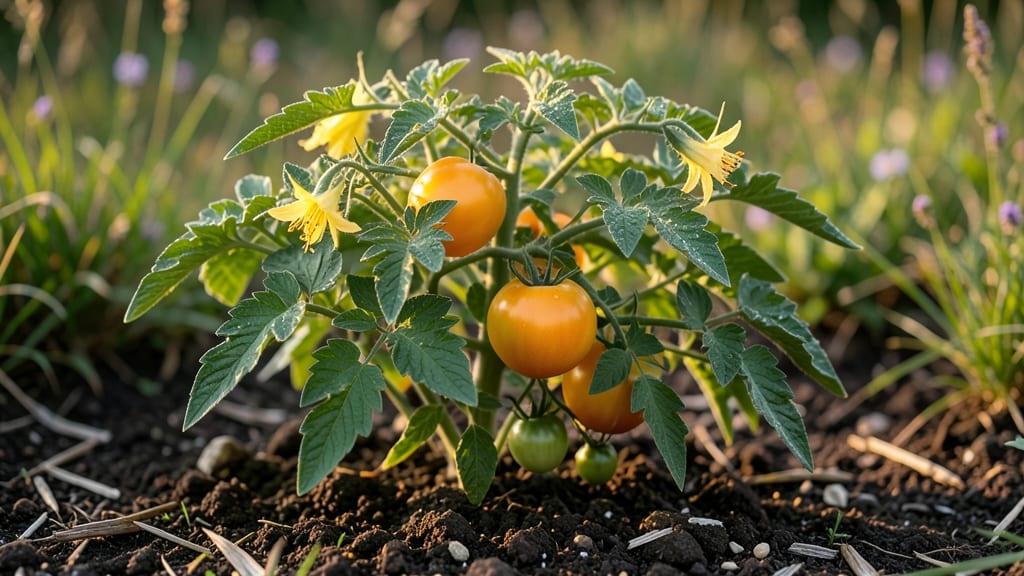
That orange fruit that looks like a tomato isn’t a mistake—it’s likely a tomatillo, a tangy, lime-like cousin of tomatoes that thrives in warm climates. 🌱 I’ve grown them for years, and their papery husks and tart flavor make them a gardener’s secret weapon for salsas and sauces.
First, confirm it’s not a diseased tomato by checking the leaves (no spots or yellowing) and stems (no wilting). Tomatillos grow in clusters like tomatoes but have a distinct, slightly waxy skin and a bright green husk that peels back to reveal the fruit inside.
If the plant looks healthy, you’re probably growing tomatillos—just wait for them to ripen fully! Once you’ve identified them, treat them like tomatoes: stake them for support, water consistently, and pinch off early flowers to encourage larger fruit.
They’ll reward you with a harvest that’s perfect for cooking—just don’t eat them raw like tomatoes. If you’re unsure, snap a photo and compare it to ground cherries (which have a tomato-like shape but a papery skin) or diseased tomatoes (which often have deformed, discolored fruit).
Either way, you’re growing something unusual—and delicious!
Genetic & Environmental Triggers
When your garden produces an orange fruit resembling a tomato—but it’s actually a tomatillo—it’s often due to a mix of genetic quirks and environmental factors. These plants, scientifically known as Physalis philadelphica, can sometimes display unexpected coloration, size, or texture.
Here’s why it happens, broken down by the most common causes:
Not all tomatillos are identical. Some varieties are bred or naturally mutate to produce fruits with orange, yellow, or even red hues instead of the classic pale green. This can happen due to:
- Seed source differences: Heirloom or hybrid seeds may carry recessive genes for color variation. If you planted seeds from an orange tomatillo (or a mix of types), expect some surprises!
- Incomplete dominance: In some cases, a mix of green and orange pigments (chlorophyll + carotenoids) can create a blended appearance, like a speckled or gradient fruit.
- Juvenile vs. mature color: Young tomatillos often start green but may shift to orange as they ripen—especially in hot climates. If harvested too early, they might look like a tiny, odd tomato.
Actionable tip: 💡 If you want consistent color, stick to certified seeds labeled for your desired hue. For adventurous gardeners, save seeds from your favorite oddball fruits to propagate unique traits!
Tomatillos are sensitive to temperature extremes, and stress from heat or cold can trigger color changes. Here’s how:
| Factor | Effect on Fruit | Why It Happens |
|---|---|---|
| Excessive heat (above 90°F) | Orange-yellow fruits with thinner skins | High temperatures inhibit chlorophyll production while boosting carotenoids (the pigments that make carrots orange). The plant shifts energy to stress responses. |
| Cool nights (below 50°F) | Greenish-orange or stunted orange fruits | Slow metabolism delays ripening, and incomplete pigment synthesis leads to a mixed-color appearance. |
| Late-season frost | Aborted orange fruits or deformed shapes | Cold damage disrupts cell division, causing fruits to stop growing mid-development. |
Pro tip: 🌡️ To encourage even coloring, plant tomatillos in full sun with afternoon shade in hot climates. Use row covers if frost is a risk in your zone.
Tomatillos are thirsty plants, and their fruit color can scream for attention when they’re not getting the right care. Common issues include:
- Underwatering: Fruits may turn dull orange or develop leathery textures due to stress-induced pigment changes. Cells shrink, concentrating carotenoids unevenly.
- Overwatering: Excess moisture can cause pale orange or greenish-orange fruits, as roots struggle to absorb nutrients, leading to poor pigment development.
- Nitrogen deficiency: Too little nitrogen (a key nutrient for chlorophyll) can make fruits lighter in color or even reddish-orange as the plant prioritizes survival over pigment production.
- Potassium or magnesium excess: These minerals can block chlorophyll synthesis, resulting in orange-tinted fruits with poor structure.
Fix it: ✨ Water deeply 1–2 times per week (depending on soil), and amend soil with balanced fertilizer (10-10-10) at planting and mid-season. Avoid heavy manure, which can burn roots.
When tomatillos are under attack, their fruits may change color as a defensive or survival mechanism. Look for these signs:
- Tomato fruitworm or aphids: Damaged fruits may develop patchy orange areas where chlorophyll breaks down due to cell rupture from feeding.
- Powdery mildew: Fungal infections can cause fruits to yellow-orange prematurely as the plant redirects energy to fight the pathogen.
- Blossom end rot (calcium deficiency): Often triggered by inconsistent watering, this causes dark orange-brown lesions on the fruit’s bottom.
Prevent it: 🛡️ Use neem oil for pests and calcium-rich compost to prevent rot. Prune plants for airflow to reduce mildew risk.
Tomatillos are self-pollinating, but poor pollination can lead to small, oddly colored, or deformed fruits. Here’s how it plays out:
- Insufficient bees/wind: Without proper pollination, fruits may stay tiny and orange-green, lacking the full green hue.
- High humidity: Damp conditions can prevent pollen from drying, leading to underdeveloped, pale orange fruits.
- Over-fertilizing with phosphorus: Too much P can stunt flower development, resulting in fewer but potentially more vibrantly orange (but small) fruits.
Boost pollination: 🐝 Hand-pollinate with a small brush, or plant bee-friendly flowers nearby (like marigolds or basil). Avoid over-fertilizing—stick to a low-phosphorus formula (e.g., 5-5-5).
Quick Fixes for Tomatillo Issues
If your tomatillos are turning orange and resembling tomatoes—whether due to overripeness, disease, or environmental stress—don’t panic! Here’s how to diagnose and resolve common problems, plus tips to keep your plants thriving.
Signs: Bright orange, leathery skin, or wrinkled appearance. Why it happens: Too much sun exposure or delayed harvest.
How to fix it: 🔥 Harvest sooner – Pick tomatillos when they’re still green or pale yellow (about 60–70 days after planting). Overripe ones won’t improve and may split or rot. 🍳 Use in recipes ASAP – If they’ve turned orange, cook them immediately (they’re still edible!). Try salsas, soups, or stews—they’ll add a tangy kick. 🌡️ Provide shade – If growing in hot climates, use shade cloth (30–50%) to prevent sunburn in future harvests.
Prevent it: ✨ Monitor ripening – Check plants every 2–3 days during peak season. 🎯 Harvest in cool mornings – Fruit is firmer and less prone to damage.
Signs: Orange discoloration with soft spots, mushy texture, or white/gray fuzz.
How to fix it: 🔪 Remove infected fruit immediately – Snip off affected tomatillos with clean shears and discard (don’t compost!). This stops spores from spreading. 👨🍳 Apply organic fungicide – Mix 1 tbsp baking soda + 1 tsp neem oil + 1 quart water, then spray on leaves and stems. Repeat every 7–10 days. 🥘 Improve airflow – Prune crowded branches and space plants 18–24 inches apart to reduce humidity.
Prevent it: 💡 Rotate crops – Avoid planting tomatillos (or other nightshades) in the same spot yearly. 🌡️ Water at the base – Keep leaves dry to prevent fungal growth. Use drip irrigation or water early in the day.
Signs: Orange-tinged fruit with stunted growth, yellowing leaves, or poor yield.
How to fix it: 📊 Test your soil – Tomatillos thrive in slightly acidic soil (pH 6.0–6.8). Use a home test kit or send a sample to a local extension office. 💪 Add compost or fertilizer – Work in 2–3 inches of compost before planting. For a boost, use a balanced fertilizer (10-10-10) at planting and again mid-season. 🥗 Fix calcium issues – If fruit is misshapen or weak, sprinkle crushed eggshells or lime around the base (follow package rates).
Prevent it: ✨ Mulch heavily – Use straw or grass clippings to retain moisture and nutrients. 🎯 Avoid over-fertilizing – Too much nitrogen = leafy growth but few tomatillos. Stick to the recommended dose.
Signs: Chewed leaves, holes in fruit, or sticky residue (honeydew).
How to fix it: 🔥 Handpick pests – Check plants daily for tomato hornworms (green caterpillars with white stripes). Drop them in soapy water. 🍳 Spray soapy water – Mix 1 tsp mild dish soap + 1 quart water and spray aphids or fruit flies. Reapply every 3–4 days. 🌡️ Use row covers – Protect young plants with floating row covers to block pests early.
Prevent it: 💡 Encourage beneficial insects – Plant marigolds or basil nearby to attract ladybugs and lacewings. 🎯 Clean up debris – Remove fallen fruit and weeds to eliminate hiding spots for pests.
Pro Tip: 🌱 Save seeds from healthy tomatillos! Dry the fruit, scoop out seeds, rinse, and store in a paper towel in the fridge for next season’s plants. Just ensure the original fruit was disease-free.
Frequently asked questions
Is an orange fruit that looks like a tomato actually edible?
Yes! If it's a tomatillo (like the ones in your photo), it's completely edible—just not raw like tomatoes. The tart flavor shines in cooked dishes like salsas, soups, or stews. If it's a ground cherry (another orange tomato-like fruit), it's also safe to eat once cooked or roasted. Always check for signs of disease (like mold or soft spots) before using.
How can I tell if my orange fruit is a tomatillo vs. a diseased tomato?
Look for these clues: tomatillos have papery husks that cover the fruit, while tomatoes don't. Tomatillos also grow in clusters with smaller, rounder shapes. Diseased tomatoes often show yellow leaves, spots, or wilting—check the stems and leaves first. If the fruit is soft or mushy, it's likely a tomato with rot.
Can I grow tomatillos in containers, or do they need a garden bed?
Tomatillos thrive in containers! Use a 5-gallon pot or larger with drainage holes and fill it with well-draining soil. Place them in full sun and water consistently. Just ensure the pot stays stable, as they can get top-heavy with fruit. Dwarf varieties like 'Purple de Milpa' are perfect for containers.
Why are my tomatillos turning orange before they're fully ripe?
This often happens due to heat stress or overripeness. Tomatillos need consistent moisture and moderate temperatures (60–85°F). If they're exposed to extreme heat or harvested too late, they'll turn orange prematurely. Harvest them when they're still green or pale yellow for the best flavor and texture.
What’s the best way to store tomatillos after harvesting?
Store them in a paper bag in the fridge for up to 2 weeks. Avoid plastic bags, as they trap moisture and cause rot. For longer storage, blanch and freeze them whole (peeled) for up to 6 months