
Diseases
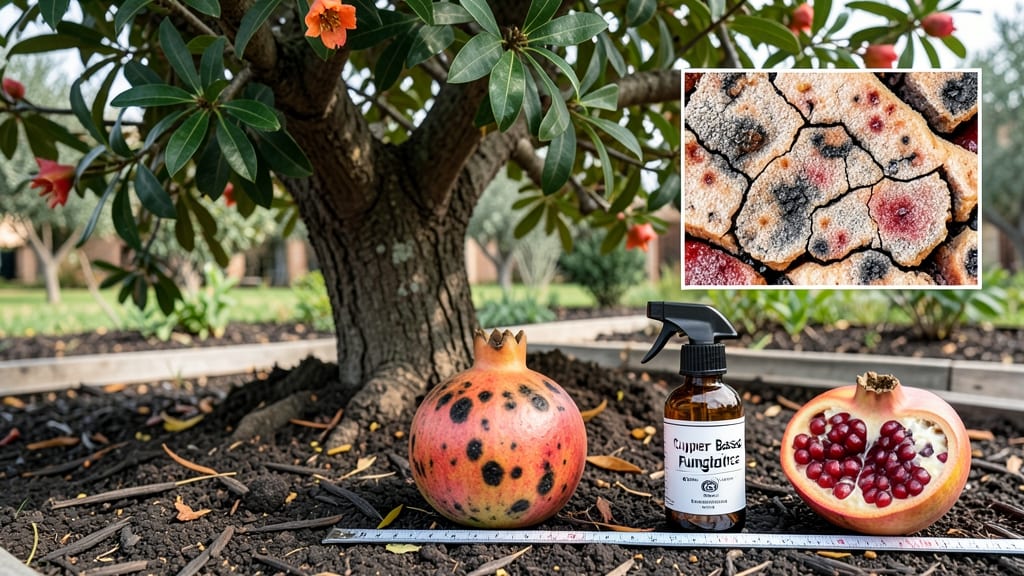
Black spots on pomegranate fruit turn vibrant reds into a sad, speckled mess—until you try this copper-free fix that works in just 7 days. 🌱 I’ve battled this problem for years, and the key isn’t harsh chemicals but smart organic strategies that actually prevent future outbreaks while saving your harvest.
The culprits? Fungal infections like Alternaria or anthracnose, often triggered by wet foliage or crowded plants. Bacterial spots can also sneak in, especially after storms. The good news? Proper spacing, pruning for airflow, and a few targeted sprays can turn things around—without copper sprays that harm beneficial insects.
You’ll see the spots stop spreading within 3-5 days of treatment, and new growth will emerge clean. The fix involves simple ingredients you likely already have: neem oil, baking soda, and a spray bottle. No fancy tools, just a foolproof method that protects your fruit and the environment.
This works for home gardens, containers, and even potted pomegranates. Let’s get those fruits looking showstopping again—no black spots in sight!
Understanding The Root Causes
Black spots on pomegranates can turn a vibrant harvest into a disappointing one, but understanding why they appear is the first step to fixing the problem.
Below, we break down the most common causes—backed by science—and explain how each one triggers those unsightly (and sometimes unsellable) marks on your fruit.
Pomegranates are particularly vulnerable to fungal pathogens, which thrive in warm, humid conditions. The most notorious culprits include:
- Alternaria Fruit Spot (Alternaria alternata) - How it spreads: Spores land on the fruit’s skin, especially through rain, overhead irrigation, or contaminated tools.
The fungus then penetrates weak spots (like wounds or natural openings) and produces dark, sunken lesions with concentric rings. - Why it’s worse: High humidity (above 70%) and temperatures between 77–86°F (25–30°C) create the perfect breeding ground.
Overhead watering keeps the fruit damp for extended periods, accelerating infection. - Tell-tale sign: Spots start as tiny brown dots and expand into black, crusty patches with a fuzzy texture.
- Phytophthora Rot (Phytophthora spp.) - How it spreads: This water-loving fungus thrives in waterlogged soil and splashes onto fruit during heavy rain or poor drainage.
It causes soft, dark, water-soaked spots that ooze when pressed. - Why it’s tricky: Unlike Alternaria, Phytophthora can infect healthy-looking fruit and spread rapidly in compacted or poorly aerated soils.
- Botrytis Blight (Botrytis cinerea)
- Why it’s a problem: It often strikes during harvest or storage, reducing shelf life and marketability.
💡 Pro Tip: Rotate your copper-based fungicides (if used) to prevent resistance—alternate with organic sprays like neem oil or baking soda mixtures for prevention.
While less common than fungi, bacterial infections can also cause black spots, often with a slime-like ooze or water-soaked appearance. The main offenders:
- Xanthomonas Bacterium (Xanthomonas axonopodis pv. punicae) - How it spreads: Bacteria enter through wounds, cracks, or natural openings (like the flower’s stigma).
They multiply in warm, wet conditions (77–86°F / 25–30°C) and produce dark, raised lesions with a yellow halo. - Why it’s destructive: Unlike fungi, bacteria cannot be cured—only prevented. Infected fruit may drop prematurely, and the bacteria can survive in plant debris for years.
- Pseudomonas Syringae
⚠️ Warning: Bacterial spots are often misdiagnosed as fungal issues. If you see ooze or a slimy texture, assume bacterial infection and act fast with copper-free organic controls (like hydrogen peroxide sprays or potassium bicarbonate).
Not all black spots are biological. Mechanical stress can also darken pomegranate skin, mimicking disease symptoms:
- Bruising from Harvesting or Handling
- How it happens: Rough handling (dropping, squeezing, or abrasion against rough surfaces) ruptures cells beneath the skin, leading to dark, discolored patches within 24–48 hours.
- Why it’s worse: Bruised fruit is more susceptible to rot because the damaged tissue invites fungal/bacterial entry.
- Sunburn (Physiological Damage)
- How it happens: Pomegranates with thin skin or those exposed to intense afternoon sun (especially in arid climates) develop blackened, leathery spots due to oxidative stress.
- Where it strikes: Often on the sun-exposed side of the fruit.
- Hail or Insect Damage
- How it happens: Punctures from hail, bird pecks, or sap-sucking insects create entry points for pathogens. The fruit may darken around the wound as it tries to seal itself off.
🎯 Fix It: Use netting or shade cloth during peak sun hours, harvest gently with soft containers, and inspect fruit regularly for early signs of trauma.
A pomegranate tree under stress is far more vulnerable to black spots. Key deficiencies to watch:
| Deficiency | Symptoms on Fruit | Why It Happens |
|---|---|---|
| Potassium (K) | Small, dark, sunken spots with premature shriveling | Poor root uptake (common in sandy or waterlogged soils). |
| Calcium (Ca) | Blackened tips or blotches, especially near the stem end | Calcium is immobile in plants—young fruit suffers first in deficient soils. |
| Boron (B) | Cracked skin with blackened patches | Boron aids cell wall strength; deficiency leads to poor fruit integrity. |
| Zinc (Zn) | Interveinal chlorosis (yellowing between veins) + small, deformed spots | Often seen in high-pH soils where zinc is less available. |
💡 Pro Tip: Test your soil every 2–3 years! Pomegranates thrive in slightly acidic to neutral pH (6.0–7.5). If deficient, apply organic amendments like wood ash (for calcium), kelp meal (for potassium), or zinc sulfate (foliar spray).
Pomegranates are heat-loving but struggle when conditions swing too extreme:
- Extreme Heat or Drought Stress
- How it shows up: Fruit may develop small, black, necrotic (dead) spots due to oxidative damage from heat stress.
- Why it’s a problem: Drought weakens the plant’s defense mechanisms, making it easier for pathogens to take hold.
- Sudden Temperature Fluctuations
- How it shows up: Blackened patches near the fruit’s blossom end after a cold snap followed by heat.
- Why it’s a problem: Rapid changes disrupt cell metabolism, leading to physiological disorders.
- Poor Air Circulation
- How it shows up: Clustered black spots on fruit growing in dense canopies (where humidity lingers).
- Why it’s a problem: Stagnant air traps moisture, promoting fungal growth.
✨ Solution: Mulch with straw or wood chips to retain moisture without suffocating roots, and prune for airflow—aim for 6–12 inches between branches.
Fixing Pomegranate Blemishes Naturally
Black spots on pomegranate fruit can be frustrating, but with the right approach, you can restore your crop’s health—without copper-based sprays—and prevent future issues. Below are targeted, organic solutions mapped to their root causes, along with prevention tips to keep your pomegranates spot-free.
If the spots are dark, sunken, or oozing, they’re likely fungal. Here’s how to treat and prevent them:
🔥 Step 1: Remove Infected Fruit Immediately
- 🍎 Pick and discard any heavily spotted fruit to stop the spread.
- 🧹 Sterilize pruners with 70% isopropyl alcohol or a 1:10 bleach-water mix (1 part bleach, 10 parts water) to avoid cross-contamination.
🍳 Step 2: Apply Organic Fungicides
Use these copper-free sprays every 7–10 days during wet seasons:
- 🌿 Neem oil solution (1 tbsp neem oil + 1 tsp mild soap + 1 quart water) – spray at dusk to avoid leaf burn.
- 🍄 Bacillus subtilis (Serenade ASO) – A beneficial bacteria that outcompetes pathogens.
- 🍓 Potassium bicarbonate spray (1 tbsp baking soda + 1 tsp horticultural oil + 1 gallon water) – alkalizes the surface, making it inhospitable for fungi.
🌡️ Step 3: Improve Air Circulation
- 🌬️ Thin out overcrowded branches to reduce humidity and slow fungal growth.
- 🌿 Train vines upward (if growing on a trellis) to prevent water from pooling on leaves.
💡 Prevention Tips
✅ Water at the base (not overhead) to keep foliage dry. ✅ Mulch with straw (3–4 inches deep) to reduce soil splashing onto fruit. ✅ Rotate crops – Avoid planting pomegranates in the same spot for 3+ years to break fungal cycles.
If spots are dry, papery, or only on sun-exposed sides, they’re likely sunburn or hail damage.
👨🍳 Step 1: Protect Young Fruit
- 🌞 Use shade cloth (30–50%) during peak sun (10 AM–4 PM) for new growth.
- 🎯 Hand-pollinate (if bees are scarce) to ensure even fruit set, reducing stress on plants.
🥘 Step 2: Post-Harvest Care
- 🍇 Harvest in the morning when temperatures are cooler.
- 🧊 Store in a cool, humid place (50–60°F) to slow spoilage.
🔪 Step 3: Prune for Better Canopy
- ✂️ Remove dense inner branches to allow even sunlight distribution.
- 🌿 Trim suckers (shoots growing from the base) to reduce competition for nutrients.
🎯 Prevention Tips
✅ Drip irrigation (instead of sprinklers) to avoid wetting fruit. ✅ Apply a light calcium spray (like Cal-Mag 15-0-15) to strengthen cell walls against stress. ✅ Choose heat-tolerant varieties (e.g., ‘Wonderful’ or ‘Eversweet’) if you’re in a hot climate.
If spots are yellowish with brown edges (often on older leaves/fruit), it’s likely a mineral deficiency.
🌿 Step 1: Soil Test & Amend
- 📊 Test soil pH (ideal: 6.0–7.0 for pomegranates).
- 🌱 Add:
- 🥬 Epsom salt (magnesium sulfate) – 1 tbsp per gallon of water, spray foliarly.
- 🥛 Crushed eggshells or lime (for calcium) – Work into soil 2–3 inches deep.
🍳 Step 2: Foliar Feeds
- 🍃 Mix 1 tsp magnesium sulfate + 1 gallon water and spray every 2 weeks.
- 🥛 Use seaweed extract (1 tbsp/gallon) for trace minerals and stress relief.
💡 Prevention Tips
✅ Mulch with compost (2–3 inches) to slow nutrient leaching. ✅ Avoid over-fertilizing with nitrogen – It burns roots, worsening deficiencies. ✅ Use slow-release organic fertilizers (like fish emulsion or worm castings) for steady nutrition.
If spots are sticky, sooty, or accompanied by tiny bugs, pests are likely the culprit.
🔥 Step 1: Knock Off Pests
- 💦 Blast off mites/scale with a strong water spray (40 PSI) in the early morning.
- 🍃 Dust with diatomaceous earth (DE) (food-grade only) around the base of the plant.
🍳 Step 2: Introduce Beneficial Insects
- 🐞 Ladybugs or lacewings – Release 5,000 per acre to control mites.
- 🕷️ Predatory mites (Phytoseiulus persimilis) – Apply every 2 weeks for spider mite control.
🌡️ Step 3: Use Horticultural Oils
- 🛢️ Apply dormant oil (like JMS Stylet Oil) in late winter/early spring to smother overwintering pests.
- 🍓 Repeat with neem oil (1% solution) every 7–10 days during outbreaks.
💡 Prevention Tips
✅ Encourage natural predators by planting marigolds or dill nearby. ✅ Avoid broad-spectrum pesticides – They kill beneficial insects too. ✅ Prune and dispose of heavily infested branches to reduce pest populations.
- 📅 Check fruit weekly after treatment—fungal spots may reappear if humidity stays high.
- 🌱 Rotate organic sprays (e.g., neem one week, potassium bicarbonate the next) to prevent resistance.
- 🌿 Keep a garden journal to track what worked and what didn’t for next season!
With these targeted, chemical-free fixes, your pomegranates should recover in 7–14 days—and stay spotless for harvest! 🍇✨
Frequently asked questions
Are black spots on pomegranates always a sign of disease?
Not necessarily! While fungal infections like Alternaria or bacterial spots are common causes, black spots can also result from physical damage like bruising during harvest or sunburn on exposed fruit. Check for ooze or fuzzy textures—those indicate disease, while dry, sunken spots suggest environmental stress.
Can I still eat pomegranates with black spots?
Small, superficial spots are usually safe to eat, but remove any moldy or oozing areas. Large, sunken lesions may indicate deeper rot—cut those sections out. When in doubt, peel the fruit before consuming. For storage, keep pomegranates in a cool, dry place to prevent further spoilage.
How often should I spray my pomegranate tree to prevent black spots?
Apply organic sprays like neem oil or potassium bicarbonate every 7–10 days during wet seasons (spring/fall). For prevention, a monthly application during dry periods helps maintain protection. Always spray in the early morning or evening to avoid leaf burn from sunlight.
Will pruning help stop black spots from spreading?
Prune to improve air circulation—aim for 6–12 inches between branches—and remove any crowded or diseased foliage. Thin out overgrown areas to reduce humidity, which fungi love. Sterilize pruners between cuts to prevent spreading pathogens.
Can I use copper sprays on pomegranates?
While copper sprays work, they harm beneficial insects like bees and ladybugs. Opt for copper-free alternatives like neem oil or baking soda mixtures. If you use copper, rotate with organic options to prevent resistance and protect your garden ecosystem.