
Vegetables
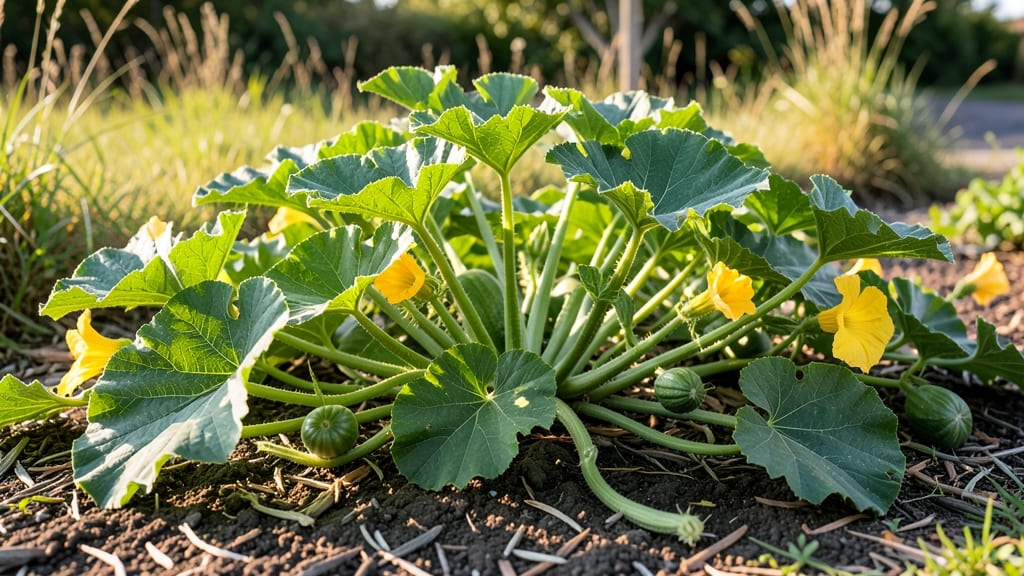
All squashes are botanically classified as fruits because they develop from flowers and contain seeds, but culinary definitions often treat them as vegetables due to their savory flavor and use in dishes like soups and stews.
This botanical classification might seem confusing at first, but it actually makes perfect sense when you think about how plants reproduce. 🌱 Squashes grow from flowers and contain seeds—just like apples or tomatoes—which is why scientists categorize them as fruits.
However, in the kitchen, their hearty, savory taste and meaty texture make them behave more like vegetables. This dual nature is why you'll find butternut squash in both fruit salads and hearty stews!
What's interesting is how this classification affects cooking techniques. For example, summer squashes like zucchini are tender and cook quickly, while winter varieties like acorn squash have thicker skins and sweeter flesh that benefit from longer roasting.
Understanding this distinction helps you choose the right preparation method—whether you're baking a whole pumpkin or spiralizing zucchini for noodles.
💡 In This Article
- Botanical vs Culinary Classification of Squash Fruits
- Cooking with Squash: Fruit or Vegetable Treatments?
Botanical vs culinary classification of squash fruits
Here's what's actually happening in plant biology: squashes develop from fertilized flowers and contain seeds within a protective shell—this is the scientific definition of a fruit. 🌱 The same rule applies to pumpkins, cucumbers, and even eggplants, which are all botanically fruits.
What makes squashes unique is their thick, fleshy rind and large seed cavities, which distinguish them from other fruits like berries or citrus. The botanical term for this group is "pepo," referring to a specific type of berry with a hard outer layer.
This classification comes from how plants reproduce. Squash flowers contain both male and female parts, and after pollination, the fertilized ovary grows into the fruit we harvest.
The seeds inside are essential for the plant's life cycle, which is why botanists prioritize this reproductive function over human food preferences. 🌿 For comparison, consider tomatoes—also botanically fruits but often used as vegetables in cooking.
The key difference is that squashes have a more pronounced "vegetable-like" texture and flavor that aligns with savory dishes.
What most people don't realize is how this classification affects storage and preservation. Since squashes are fruits, they contain natural sugars that concentrate as they ripen, which is why winter varieties like butternut squash develop sweeter flavors when stored properly.
This is similar to how apples become sweeter after harvest. The thick rinds also create a natural barrier that helps them store for months—unlike many true vegetables that spoil quickly.
In the kitchen, this botanical classification creates some interesting culinary gray areas. For instance, you can make "squash salsa" using roasted zucchini and tomatoes (both fruits), but it's still treated as a vegetable dish.
The savory flavor profile comes from compounds like cucurbitacins in some varieties, which give them a slightly bitter, earthy taste that pairs well with herbs and spices. This is why chefs often use squashes in savory contexts despite their botanical classification.
Consider these key factors when thinking about squashes:
- Botanical definition: Fruits because they develop from flowers with seeds
- Culinary function: Used as vegetables due to savory taste and texture
- Storage behavior: Like fruits (stores well at cool temperatures)
- Nutritional profile: High in vitamins A and C, similar to many vegetables
The confusion arises because our everyday language uses "vegetable" to describe any edible plant part that isn't sweet or a grain. But scientifically, the distinction matters—especially when discussing plant breeding or genetic research.
For example, when scientists study squash diseases, they look at it as a fruit crop, not a vegetable. 🌱