
How To
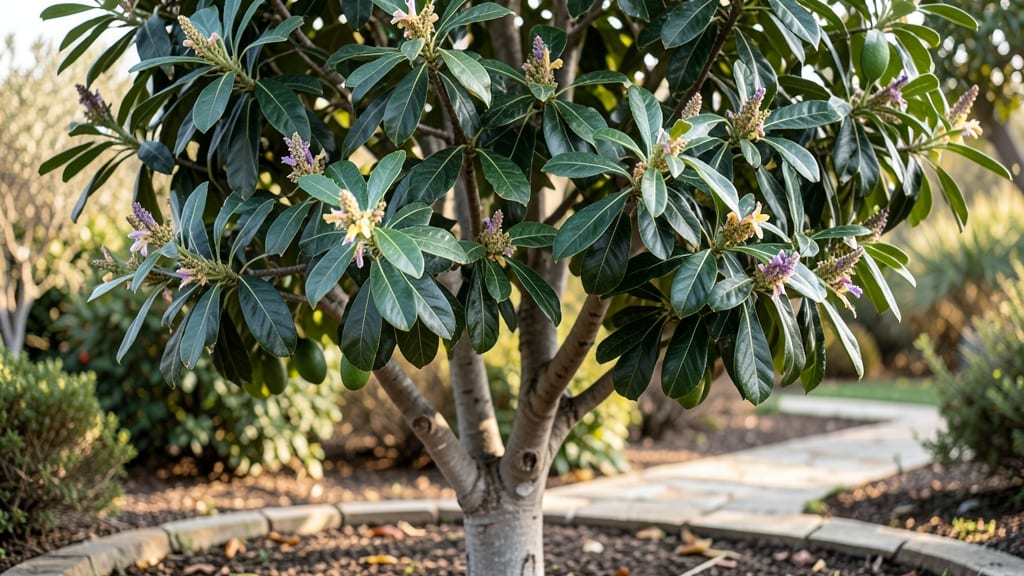
Transforming avocado bloom to fruit takes precise care: maintain 75-85°F temperatures, high humidity, and steady watering while hand-pollinating flowers with a soft brush to ensure fruit development in home gardens.
Avocado trees produce two flower types—Type A and Type B—that bloom at different times, which is why cross-pollination between trees often yields better fruit. 🌿 Without proper pollination, flowers drop off within days, leaving no chance for fruit development.
I’ve found that using a small paintbrush to transfer pollen between flowers in the morning (when they’re open) can double your success rate, especially in areas with fewer bees.
Beyond pollination, soil health plays a critical role. Avocados thrive in slightly acidic soil (pH 6.0-7.0) with well-draining compost. Pruning to improve airflow and monitoring for pests like lace bugs—common in subtropical climates—can prevent stress that halts fruit formation.
Patience is key: fruit development can take 6-12 months after successful pollination.
💡 In This Article
- Understanding Avocado Pollination and Flower Development
- Step-by-Step Guide to Maximizing Avocado Fruit Set
Understanding avocado pollination and flower development
Avocado trees produce two distinct flower types—Type A and Type B—that bloom at different times, creating a natural cross-pollination system. Type A flowers open in the morning and close by afternoon, while Type B flowers open in the afternoon and close at night.
This timing ensures that bees (or gardeners) can transfer pollen between different trees, which is critical for fruit development. Without cross-pollination, flowers drop within 24-48 hours, leaving no opportunity for fruit to form. 🌸
The science behind this involves the tree's reproductive strategy: Type A and Type B flowers release pollen at different times to maximize genetic diversity. For example, a tree with Type A flowers won't pollinate itself effectively because its pollen isn't released when its own flowers are receptive.
This is why planting at least two avocado trees (one Type A and one Type B) dramatically improves fruit set. In regions with fewer bees, like urban areas, manual pollination becomes essential to mimic this natural process.
What most people don't realize is that avocado flowers also produce a hormone called ethylene during pollination, which triggers the transition from bloom to fruit. If pollination fails, ethylene production stops, and the flower drops off.
This hormone is also why you’ll sometimes see small, misshapen fruits—these are often the result of incomplete pollination or environmental stress. The flower-to-fruit transition typically takes 7-10 days, during which the flower's petals fall, and a tiny fruit begins to form.
Environmental factors like temperature and humidity play a huge role in this process. Avocado flowers are sensitive to fluctuations: temperatures below 60°F or above 95°F can cause flowers to drop prematurely.
High humidity (above 70%) also supports pollen viability and bee activity, while dry conditions can desiccate flowers before they’re pollinated. This is why subtropical climates often struggle with fruit set—they may have the right temperatures but lack consistent humidity.
Another critical factor is the tree's overall health. Stress from poor soil drainage, nutrient deficiencies (like low potassium or magnesium), or pest damage can disrupt the flower-to-fruit process. For instance, avocado lace bugs—common in subtropical regions—feed on sap, weakening the tree and reducing its ability to support fruit development.
Regularly inspecting leaves for these pests (tiny white bugs on the undersides) and treating them with neem oil can prevent stress-related flower drop.
Here’s what’s actually happening at the cellular level: Once pollen lands on a compatible stigma, it germinates and grows a pollen tube down the style to the ovary. This process takes about 24-48 hours and requires consistent moisture.
If the tree’s water supply fluctuates (like during drought or overwatering), the pollen tube may fail to reach the ovary, resulting in no fertilization. This is why consistent watering—keeping soil evenly moist but not soggy—is non-negotiable during bloom season.
For home gardeners, the key takeaway is that avocado fruit development is a delicate balance of timing, biology, and environment. Understanding these mechanisms helps explain why some blooms fail to produce fruit despite seemingly ideal conditions. 🌱