
Landscaping
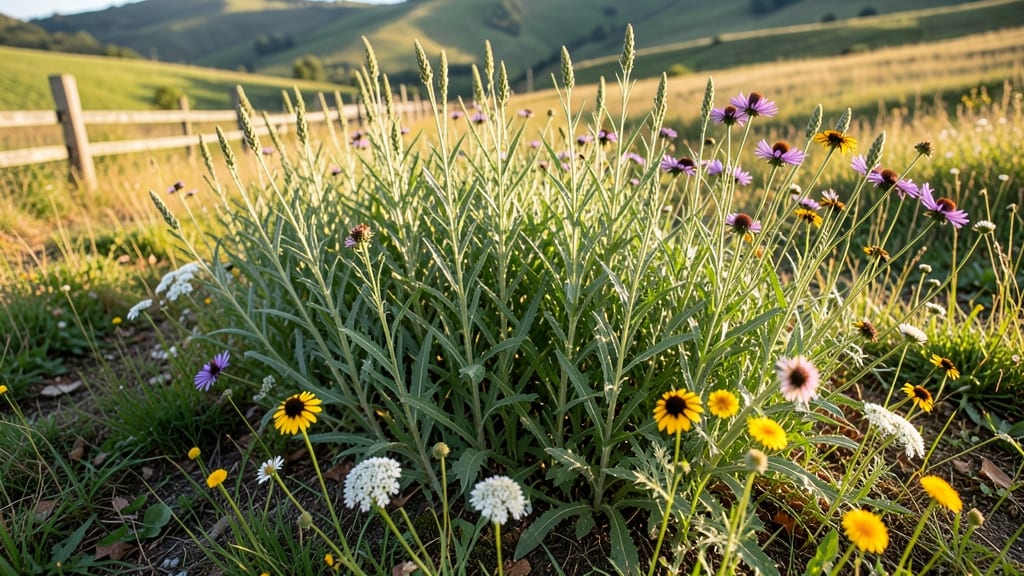
Tired of plain fences or boring hedges? These asparagus bed ideas transform your garden into a lush, colorful privacy screen that thrives year-round while adding seasonal beauty and texture. Perfect for both urban and rural spaces, these designs blend functionality with natural elegance.
Classic Asparagus Border With Boxwoods
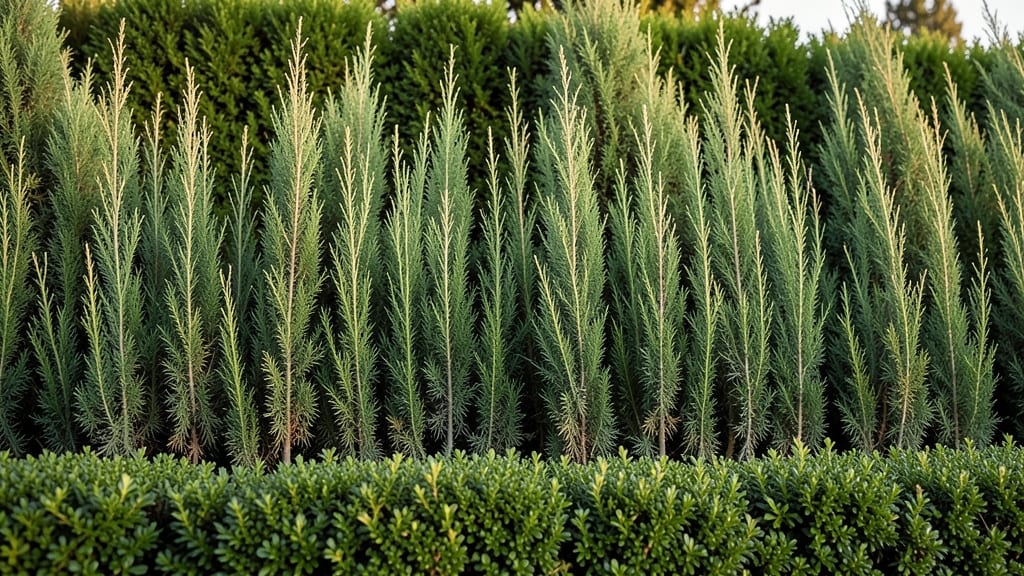
Looking for a privacy screen that’s both elegant and edible? The classic asparagus border with boxwoods delivers year-round structure with minimal fuss. This timeless combo leverages asparagus’s vertical growth (up to 5 feet tall) to create a lush, seasonal backdrop, while boxwoods provide a dense, evergreen foundation that stays vibrant in winter.
Plant boxwoods in a tight hedge (12–18 inches apart) as the base layer, then tuck asparagus crowns 18–24 inches apart in front. Use 3–4 inches of mulch (straw or wood chips) to suppress weeds and retain moisture—critical for asparagus’s first few years. Prune boxwoods twice yearly for a polished look, while asparagus spears emerge in spring, offering both harvests and height.
This design is perfect for formal gardens or urban backyards where structure matters. The boxwoods act as a living fence, while asparagus adds seasonal interest—plus, you’ll enjoy fresh harvests for years to come. 🌿
Asparagus And Ornamental Grasses Mix
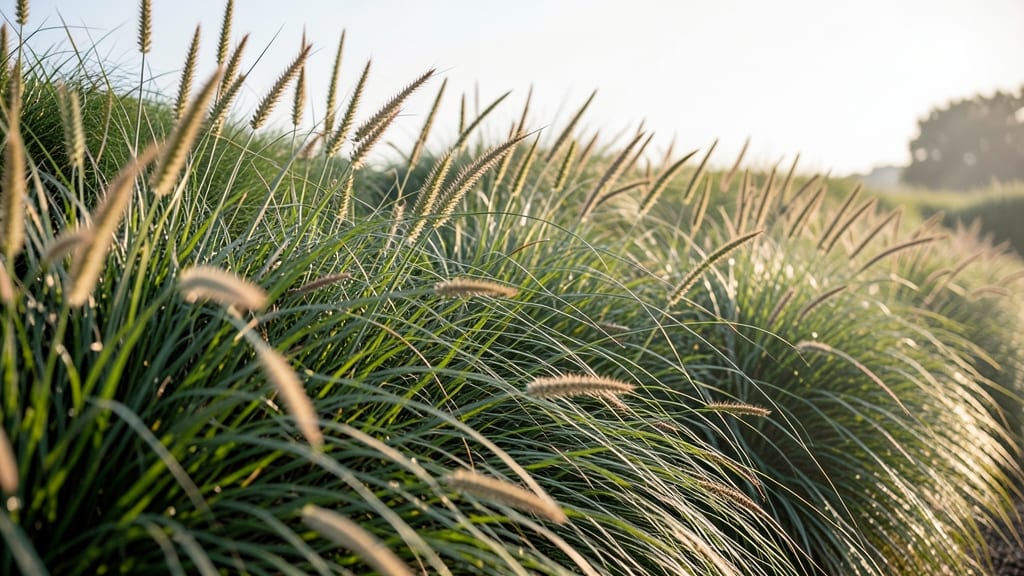
Want a modern privacy screen that moves with the wind and requires almost no upkeep? Pairing asparagus with ornamental grasses like fountain grass or maiden grass creates a dynamic, textured border that feels alive—no rigid hedges required.
Start by planting asparagus crowns 12–18 inches apart in a sunny spot, then tuck tall grasses (3–5 feet high) behind them for height contrast. The grasses’ graceful arching forms sway with asparagus spears, adding movement while their deep roots suppress weeds. This combo thrives in well-drained soil and needs minimal pruning—just cut back grasses in late winter and harvest asparagus in spring.
Perfect for contemporary landscapes, this design offers year-round structure (grasses stay upright in winter) and attracts pollinators. Urban gardeners will love how it softens hard edges while keeping maintenance simple. 🌻
Asparagus And Climbing Roses Combo
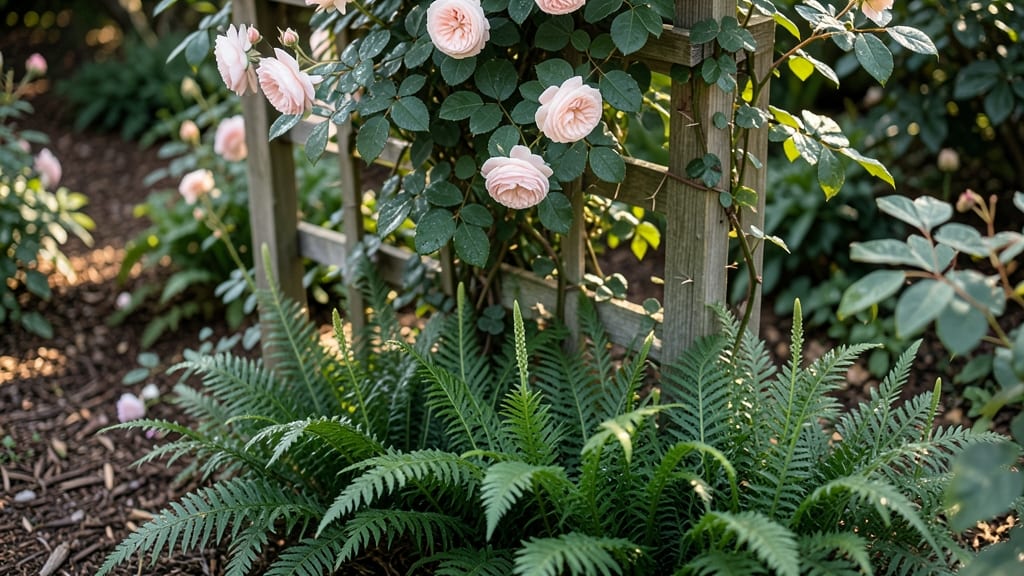
Transform your garden into a fragrant, edible paradise with this dreamy duo: climbing roses and asparagus. While the roses climb upward, their sweet blooms will fill your air with scent, while the asparagus grows below, providing a lush green base and early-season harvests you can enjoy.
Plant asparagus crowns in a trench 12 inches deep, spacing them 18 inches apart in well-draining soil with full sun. Install a sturdy trellis or fence for the roses to climb, positioning it just behind the asparagus bed. Choose disease-resistant rose varieties like 'Knock Out' or 'Blaze' for low maintenance, and let them intertwine naturally with the asparagus spears as they emerge in spring.
This combo is perfect for cottage garden lovers or anyone who wants a multi-functional space that’s both beautiful and productive. The roses will thrive in the asparagus' dappled shade, while the asparagus benefits from the roses' natural pest-repelling qualities. 🌷
Asparagus And Lavender Privacy Screen
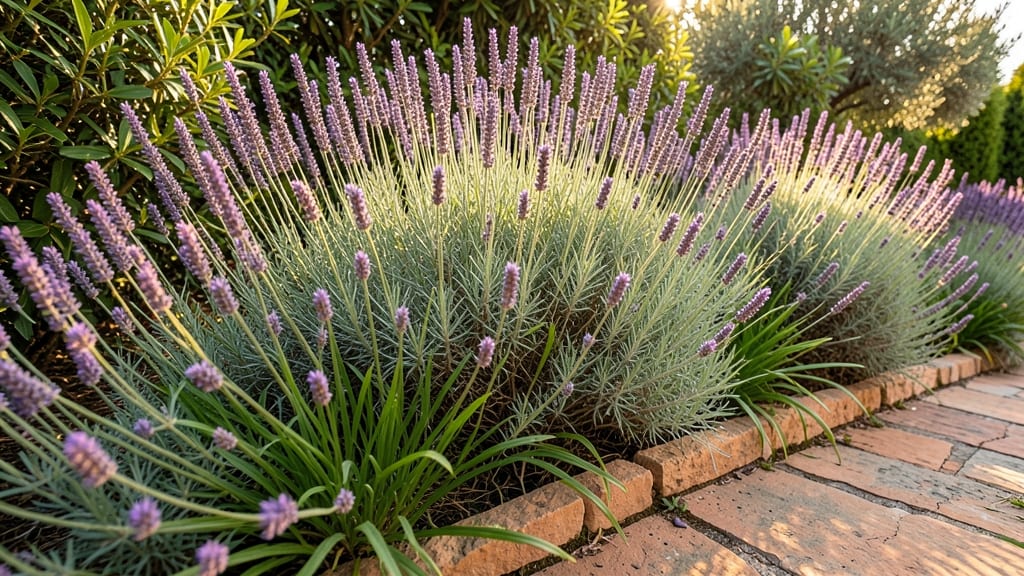
Craving a fragrant privacy screen that thrives on neglect and repels pests? Pair asparagus with lavender for a drought-resistant duo that’s both beautiful and functional. This Mediterranean-inspired combo blooms with purple spikes in summer while asparagus delivers fresh spears in spring—no fence required!
Plant lavender (preferably English or French varieties) in clusters every 18-24 inches alongside asparagus crowns spaced 12-18 inches apart. Both love well-drained soil and full sun, making them perfect companions for sunny borders. The lavender’s strong scent deters deer and rabbits, while its silvery foliage contrasts beautifully with asparagus’ deep green spears.
This low-maintenance screen is ideal for urban gardens or pollinator-friendly landscapes, offering year-round interest with minimal upkeep. Plus, the aromatic lavender attracts bees and butterflies while keeping pests at bay. 🌿
Asparagus And Hydrangea Foundation Planting
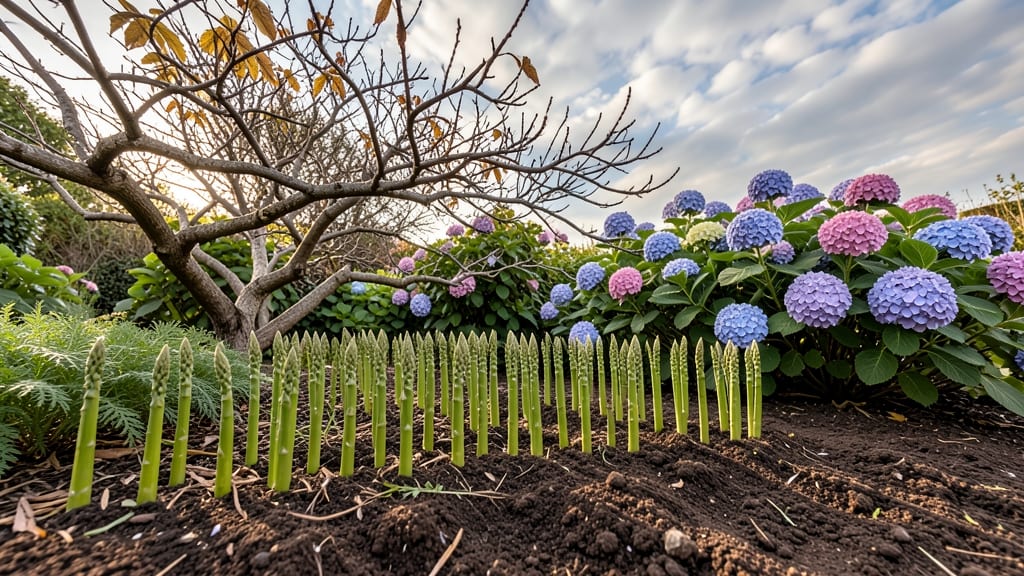
Watch your garden transform from bare soil to a seasonal masterpiece with this dynamic duo: asparagus and hydrangeas. While asparagus emerges in early spring with its bright green spears, hydrangeas burst into bloom in summer, creating a layered, ever-changing privacy screen that evolves with the seasons.
Plant asparagus crowns in the front row (12-18 inches apart) for an early-season edible harvest, then add hydrangea bushes (3-4 feet apart) behind them for summer color. The hydrangeas' large foliage and blooms will provide year-round structure, while the asparagus offers fresh harvests for your table. This pairing thrives in partial shade to full sun, making it versatile for most gardens.
Perfect for cottage-style gardens or homeowners seeking both beauty and productivity, this combination delivers privacy, color, and edibles—all while requiring minimal maintenance once established. 💚
Asparagus And Evergreen Shrubs Tiered Design
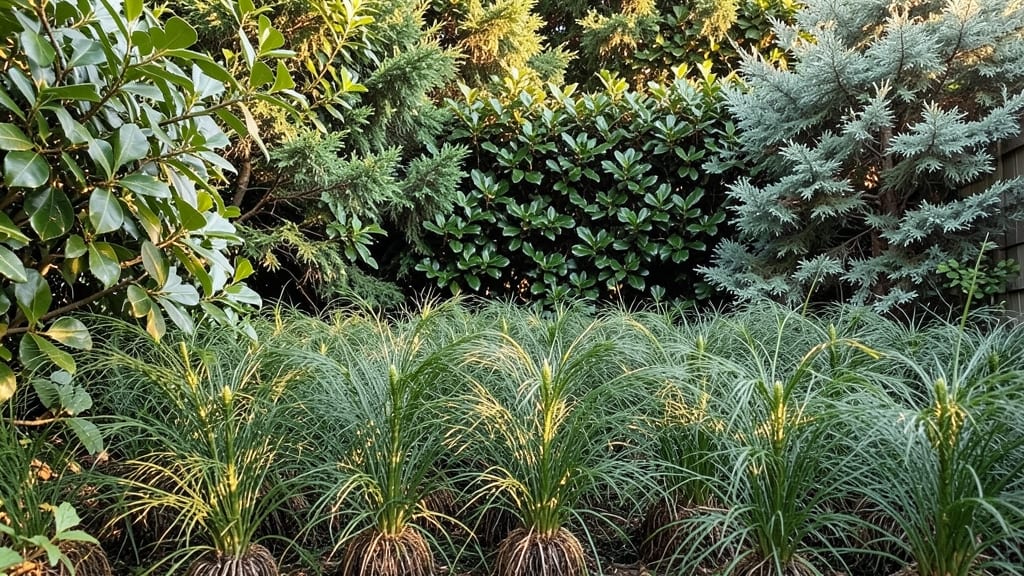
Urban backyards often struggle with limited space and privacy—until you try this three-dimensional approach that works like a natural curtain. By planting asparagus crowns in the front row (12-18 inches apart) and tucking evergreen shrubs like holly or juniper behind, you create a living privacy screen that grows taller over time while maintaining year-round greenery.
The key to success is spacing: place asparagus 18 inches apart in the front, then add holly shrubs 3-4 feet apart in the middle layer, and top with juniper or blue spruce spaced 5-6 feet apart for height. This layered structure blocks views immediately while maturing into a dense, low-maintenance barrier. Mulch heavily to suppress weeds and retain moisture, especially in the first growing season.
Perfect for city dwellers with small yards, this design offers instant vertical interest while delivering edible harvests. The evergreens provide winter structure, while asparagus delivers fresh spears in spring—privacy that pays off in more ways than one. 🌿
Asparagus And Sunflower Annual Border
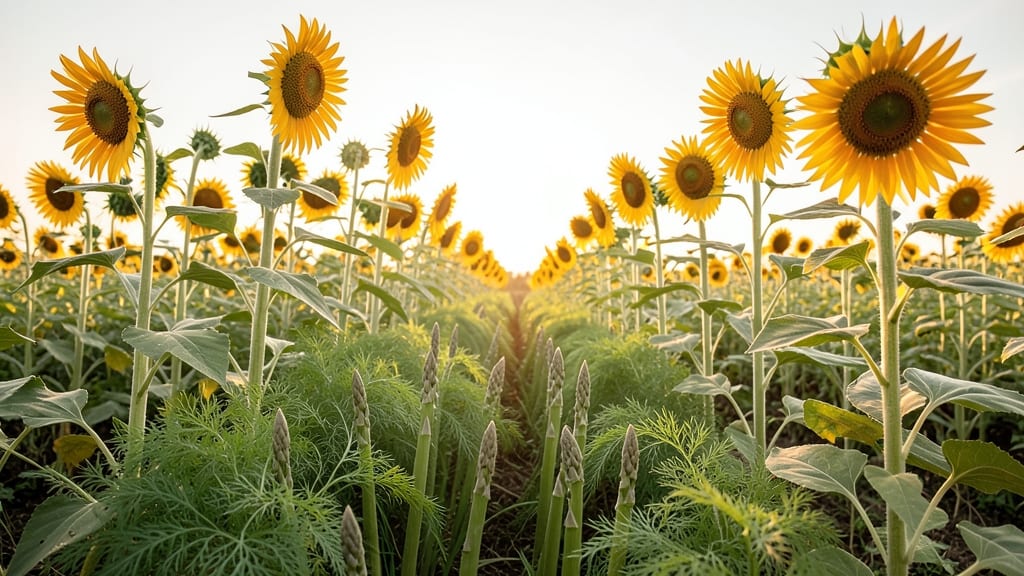
Want a food garden that doubles as a pollinator paradise? This asparagus and sunflower border combines the permanent structure of asparagus with the summer height and color of sunflowers for a dynamic, two-season display. The asparagus provides early greenery and edible harvests, while sunflowers tower overhead, attracting bees and butterflies while adding vertical interest.
Plant asparagus crowns in early spring, spacing them 12-18 inches apart in rows 3-4 feet apart. When the asparagus reaches 2-3 feet tall (around late spring), tuck in sunflower seeds at the base, choosing tall varieties like 'Mammoth' or 'Autumn Beauty' for maximum impact. The sunflowers will bloom in mid-to-late summer, providing a striking contrast to the asparagus' fern-like foliage.
This design is perfect for small-space gardeners or those who want to maximize their harvest while supporting local ecosystems. Plus, the sunflowers will drop seeds for next year, reducing your spring planting work. 🌻
Asparagus And Fern Underplanting
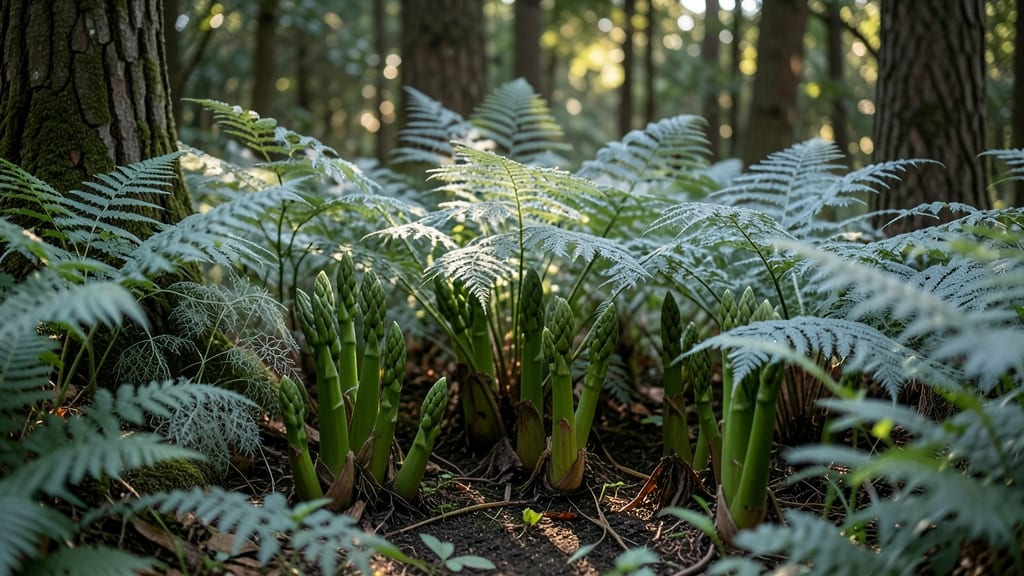
Transform shady corners into a lush, textured privacy oasis by pairing asparagus with delicate ferns like ostrich fern or maidenhair fern. This underplanting combo thrives in low-light conditions, making it perfect for north-facing gardens or wooded areas where other plants struggle.
Plant asparagus crowns 12–18 inches apart in well-draining soil, then tuck ferns around the base once the asparagus is established. Ferns like ostrich fern add height (up to 4 feet) while maidenhair fern creates fine, lace-like texture at ground level. Mulch with leaf litter to retain moisture and suppress weeds—both plants love the humid, shaded conditions this setup provides.
This design is ideal for gardeners seeking low-maintenance elegance without sacrificing productivity. The ferns soften the asparagus' upright structure, creating a natural, woodland-inspired screen that feels both wild and intentional. 🌿
Asparagus And Dwarf Fruit Trees
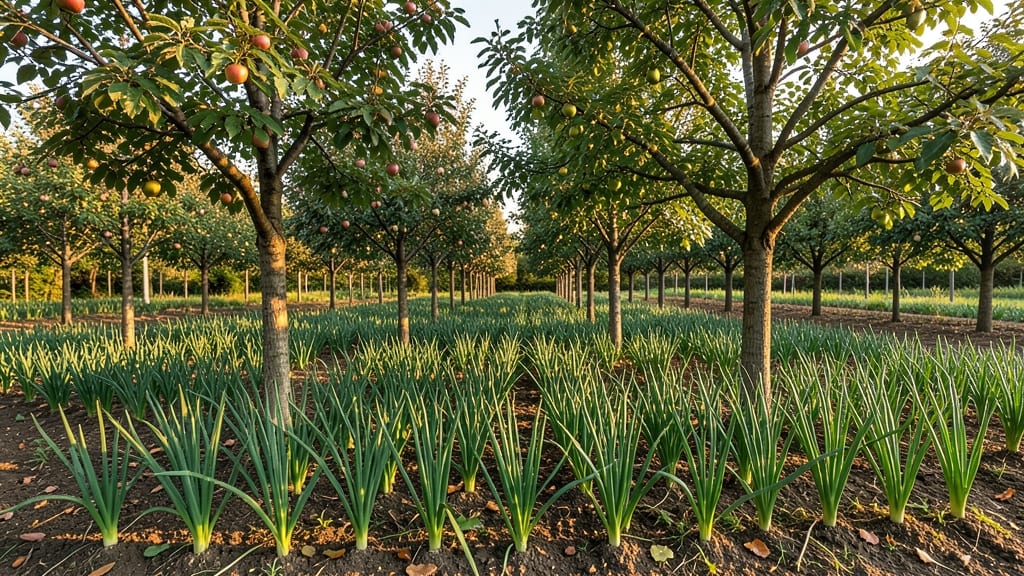
Transform your property into a functional food forest with this dual-purpose design that gives you both privacy and harvests. Plant dwarf apple or pear trees (like 'Columnar' or 'Centennial' varieties) in the back row, spaced 8-10 feet apart, with asparagus crowns planted 12-18 inches apart in the front. The trees provide early spring blossoms, summer shade, and fall fruit, while the asparagus delivers tender shoots starting in year three.
For best results, choose self-pollinating dwarf fruit varieties to simplify planting, and mulch heavily with wood chips to suppress weeds and retain moisture. This combo works especially well in small urban backyards or along property lines where you want both beauty and bounty. The asparagus will also help break up the tree's canopy for better light penetration to the ground.
Gardeners who love edible landscaping will appreciate how this design turns a simple privacy screen into a productive orchard. Plus, the year-round interest—from blossoms to fruit to asparagus spears—keeps your garden dynamic all season. 🌻
Asparagus And Native Wildflower Meadow

Want a privacy screen that thrives on minimal effort while supporting local ecosystems? Pairing asparagus with a native wildflower meadow creates a living, buzzing border that doubles as a pollinator paradise. This design works beautifully in rural properties or even larger urban yards where you can dedicate space to native plants.
Plant asparagus crowns in a 12-inch-deep trench along the front edge of your meadow, spacing them 12-18 inches apart for a dense, early-season green backdrop. Behind them, let native wildflowers like coneflowers, black-eyed Susans, and goldenrod establish naturally—no mowing required. The meadow will provide year-round color while attracting bees, butterflies, and birds, making your privacy screen ecologically vibrant.
This approach is ideal for gardeners who prioritize sustainability and want to reduce water use. The wildflowers thrive with minimal intervention, while the asparagus delivers fresh harvests for years. Perfect for eco-conscious gardeners who love watching their yard come alive with wildlife! 🌻