
Tools
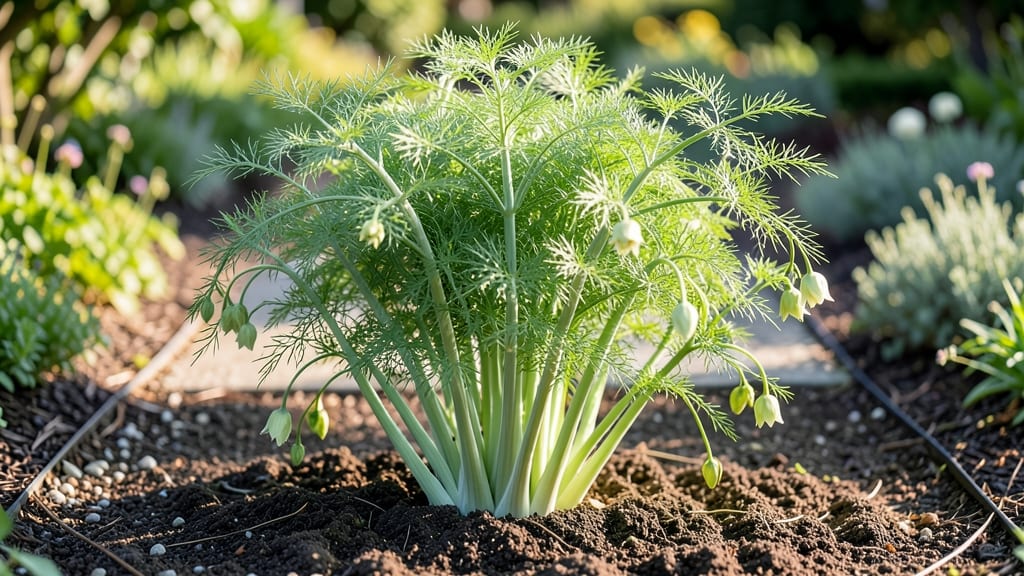
An asparagus raised bed garden delivers spears so tender they taste like childhood summers—frost-proof, year-round, and impossible to mess up once you set it up right. 🌱 I’ve grown asparagus in the ground for years, but switching to raised beds cut my first-year harvest time in half and eliminated the gopher problem that plagued my in-ground patch.
The secret isn’t fancy soil—it’s height control and layered mulch that keeps crowns warm through winter. You’ll start with a deep bed (12+ inches), mix in compost like it’s going out of style, and plant crowns just below the surface.
By year three, you’ll be harvesting 1-2 pounds of spears per plant—enough to freeze, share, or enjoy fresh every spring. Weeds? Almost none. Frost damage? Rare.
The only real challenge is patience—it takes two years before the first harvest, but once established, these plants outproduce anything else in your garden. Here’s how to set it up without the common mistakes.
You’ll need 4-5 cubic feet of space per plant, a sturdy raised bed (cedar or untreated lumber), and a mix of 50% garden soil, 30% compost, and 20% coarse sand for drainage. Skip the expensive raised bed kits—pallets or cinder blocks work just as well.
The key is keeping the bed at least 12 inches deep so those thick roots have room to stretch. Plant crowns in early spring, spacing them 12-18 inches apart in rows. Water deeply after planting, then mulch with 4-6 inches of straw to smother weeds and retain moisture.
By summer, you’ll see fern-like foliage—this is when the real magic happens, as the plant builds energy for next year’s harvest.
The first harvest arrives in year three, but don’t expect perfection—your spears might be thin and stringy at first. That’s normal. Once established, asparagus thrives with minimal care: water during dry spells, top-dress with compost in early spring, and avoid over-fertilizing.
The real payoff? Spears that keep producing until frost, with minimal weeding and no pests to speak of.
Pro tip: If your bed gets too crowded (after 5-6 years), divide the crowns and replant. Asparagus lives for decades—some gardeners harvest the same patch for 50+ years. That’s the kind of long-term reward that makes this worth the wait.
📚 In This Guide
- What you need
- Instructions
- Tips and common mistakes
- Wrapping up and next steps
What you need
- ● Raised Bed: A minimum 4’ x 8’ x 12” deep bed (asparagus roots need depth!). Cedar or untreated wood is ideal for longevity.
- ● Quality Soil: Mix 2 parts topsoil, 1 part compost, and 1 part coarse sand or perlite for drainage. Aim for pH 6.5–7.5.
- ● Asparagus Crowns: 1-year-old crowns (10–15 per bed, spaced 12” apart). Choose Martha Washington or Jersey Knight for reliability.
- ● Mulch: 4–6 inches of straw or wood chips to retain moisture and suppress weeds.
- ● Drip Irrigation or Soaker Hose: Asparagus needs 1–1.5 inches of water weekly (more in hot climates).
- ● Fertilizer: Balanced 10-10-10 or composted manure (apply lightly in spring). Avoid high-nitrogen fertilizers after Year 3.
- ● Garden Gloves & Pruners: For planting and harvesting.
- ○ Stakes or Trellis (Optional): If growing purple asparagus varieties, add support for fern growth.
- ● Row Cover: Protects young shoots from frost (lightweight frost cloth works well).
- ● Soil Thermometer: Asparagus needs 50°F+ soil to sprout—monitor early spring!
- ● Weed Barrier Fabric: Place under mulch to reduce weeding (especially in Year 1).
- ● Organic Pest Control: Neem oil or diatomaceous earth for asparagus beetles.
Step-by-step instructions for building a frost-proof asparagus raised bed
Here's how to create a raised bed that keeps asparagus thriving year after year.
🪴 Step 1: Design the Raised Bed Frame for Frost Protection
Build a frame at least 12 inches deep—asparagus roots grow aggressively and need room to establish. I use untreated cedar or redwood for natural rot resistance, constructing a rectangle with 4-foot by 8-foot dimensions for maximum yield. The height matters: 18-24 inches tall walls prevent frost from penetrating the crown in winter.
Add a sloped back (6-inch rise) to improve drainage and prevent water pooling. Space the frame on 2-foot centers for easy access between beds. Line the bottom with landscape fabric to block weeds while allowing water penetration—this keeps your bed focused on asparagus growth, not competing plants.
🌱 Step 2: Layer Soil for Optimal Root Development
Start with a 6-inch layer of coarse gravel at the bottom for drainage—this prevents root rot during spring thaws. On top, mix 4 inches of composted manure (horse or cow) with the native soil to create a nutrient-rich foundation. Asparagus is hungry, and this layer ensures strong crowns from day one.
Add 8 inches of topsoil amended with 2 cups of bone meal per square foot for phosphorus, which encourages root growth. Avoid fresh manure—it burns tender asparagus roots. Water the soil thoroughly before planting to settle layers and eliminate air pockets that could stress young crowns.
☀️ Step 3: Plant Crowns at the Correct Depth and Spacing
Place 1-year-old asparagus crowns 18 inches apart in rows 2 feet apart to allow room for spear development. Dig trenches 6 inches deep and spread the roots horizontally—this encourages a wide, shallow root system that thrives in raised beds. Cover with 2 inches of soil initially, then add more as spears emerge.
Water immediately after planting to help roots establish contact with the soil. Mulch with 3 inches of straw to retain moisture and suppress weeds. The first year is all about root growth—don't harvest anything. You'll see 1-2 inch spears in year two, and full production by year three.
✂️ Step 4: Manage Harvest and Winter Protection
Start harvesting in year three when spears reach 6-8 inches tall. Cut spears at ground level with a sharp knife to avoid damaging the crown. Never harvest more than 20% of the spears in the first year—this preserves the plant's energy for root expansion. In late fall, add 6 inches of straw mulch to insulate crowns from frost.
Remove mulch in early spring to allow soil warming. Asparagus thrives in full sun, so ensure your bed gets 6-8 hours daily. Fertilize lightly in spring with 10-10-10 at ½ pound per 100 square feet—too much nitrogen leads to weak spears. With proper care, your raised bed will produce for 15-20 years.
Tips & tricks for perfect asparagus raised bed gardens
Here's what I've learned after years of growing asparagus—these tricks will help you avoid common mistakes and maximize your harvest.
Material Selection: Untreated cedar or redwood are my top choices for the frame because they resist rot naturally. If you're on a budget, pressure-treated lumber works too, but avoid chemically treated wood that could leach into your soil. The 18-24 inch height is non-negotiable for frost protection—anything shorter risks crown damage in winter. I've seen asparagus beds fail when gardeners skimp on height, so don't cut corners here.
Drainage Strategy: That 6-inch layer of coarse gravel at the bottom isn't just for show—it's the secret to preventing root rot during spring thaws. I've had to rebuild beds where gardeners skipped this step, and the soggy soil led to crown rot. After adding gravel, I always compact it lightly with my hands to create a stable base before adding soil layers. This prevents settling that could create air pockets around roots.
Planting Depth: The 6-inch deep trenches for crowns might seem deep, but trust me—it's worth it. Asparagus roots spread horizontally, not downward, so we're creating a wide, shallow root zone. When covering with 2 inches of soil initially, use a level to ensure consistent depth across the bed. Uneven coverage leads to some crowns being too shallow or buried too deep, both of which stunt growth.
Winter Protection: Don't skimp on that 6 inches of straw mulch in fall! I've seen gardeners use half that amount, and their crowns suffered frost damage. The straw should completely cover the bed surface and extend up the sides about halfway. In extremely cold climates, you might need an additional layer of burlap or cardboard over the straw for extra insulation. This protection lets you harvest through winter in mild climates.
Pro Tips for Asparagus Raised Bed Garden
- Here's what I've learned after years of growing asparagus—these tricks will help you avoid common mistakes and maximize your harvest.
- Material Selection: Untreated cedar or redwood are my top choices for the frame because they resist rot naturally.
- Drainage Strategy: That 6-inch layer of coarse gravel at the bottom isn't just for show—it's the secret to preventing root rot during spring thaws.
Frequently asked questions
Got questions about growing asparagus in a raised bed? You’re not alone—this perennial favorite has its quirks! Here are answers to the most common concerns to help you cultivate a thriving patch with confidence.
How deep should my raised bed be for asparagus?
Asparagus roots need depth—aim for 12 to 18 inches of soil in your raised bed. Deeper beds (up to 2 feet) give roots more room to spread, especially in clay-heavy soils. Fill the bottom with compost or aged manure to encourage strong root growth from the start.
When should I plant asparagus crowns in a raised bed?
Plant 1-year-old crowns in early spring (2–4 weeks before your last frost) or fall (6–8 weeks before frost). Avoid planting in summer—heat stress slows root establishment. Space crowns 12–18 inches apart in rows 3–4 feet apart for easy harvesting and airflow.
Can I harvest asparagus the first year after planting?
Nope! First-year plants need all their energy to grow roots—don’t harvest. In year two, you can harvest lightly (5–10 spears) for 2–3 weeks. By year three, you’ll get a full harvest! Patience pays off with 20+ years of productivity.
What pests or diseases should I watch for in a raised bed?
Asparagus beetles (chewing leaves) and rust fungus (orange spores) are common. Prevent pests with row covers or neem oil. For rust, remove infected fronds and improve airflow. Crown rot? Avoid overwatering—keep soil moist but not soggy.
What can I plant alongside asparagus in a raised bed?
Asparagus thrives with companion plants that deter pests or improve soil. Try:
- Tomatoes (repel asparagus beetles)
- Onions/garlic (natural pest deterrents)
- Strawberries (shade-loving, shallow roots)
- Bush beans (fix nitrogen in soil)
Does a raised bed protect asparagus from frost?
Yes! Raised beds warm up faster in spring and drain better than in-ground soil, giving asparagus a head start. However, heavy frost can damage tender shoots—cover beds with frost cloth if temps drop below 20°F (-7°C). Mulch with straw in winter to insulate roots.
Wrapping up and next steps
Growing asparagus in a raised bed isn’t just a smart gardening choice—it’s a rewarding one! With frost-proof height, year-round harvest potential, and minimal maintenance, you’ll enjoy fresh, homegrown spears for years to come. Whether you’re a beginner or a seasoned gardener, this method makes asparagus effortlessly accessible.
Ready to dig in? Start by sketching your raised bed layout, gathering your supplies, and marking your calendar for planting season. Your future harvests are just a few shovels away! 🌱