
Trees
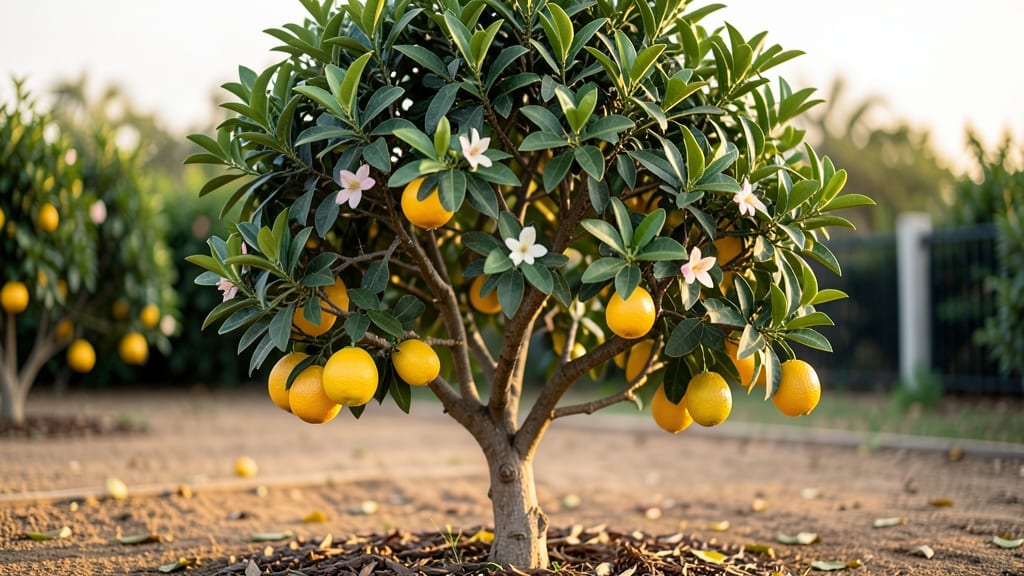
Growing grapefruit trees in Arizona isn’t just possible—it’s a sun-thriving reality that turns your yard into a citrus paradise. 🌞 The right varieties like 'Rio Red' or 'Marsh' handle our intense heat and low humidity better than most, producing sweet, juicy fruit even when others struggle.
I’ve watched my own trees go from saplings to heavy-fruiting giants in just three years, and the secret isn’t complicated: it’s about matching the tree to our climate and giving it what it really needs.
The soil here drains fast and stays alkaline, so amending with organic matter and a little sulfur keeps roots happy. Plant in full sun (yes, even the scorching afternoons) and water deeply but infrequently—think 1-2 inches per week during growing season, less in winter.
My trees now need half the water they did when I first planted them, and the fruit tastes richer for it. The key is mimicking their natural Mediterranean roots: dry feet in winter, deep hydration when they’re fruiting.
By late summer, you’ll see bright yellow blossoms followed by fruit that ripens straight through winter—no frost to worry about here. The trees stay lush, the fruit stays sweet, and your neighbors will be green with envy.
Just watch for aphids and citrus leaf miners (they’re persistent in our heat) and prune to keep the canopy open for airflow. This works for backyards, large properties, or even large containers if space is tight. The payoff?
Fresh grapefruit year-round, shade in summer, and a tree that actually wants to grow here. Let’s get yours thriving!
📚 In This Guide
- What you need
- Instructions
- Tips and common mistakes
- Wrapping up and next steps
What you need
- ● Grapefruit tree variety: Choose a cold-hardy Arizona-friendly type like Rio Red or Marsh (available at local nurseries or online).
- ● Well-draining soil: 5-10 bags of cactus/succulent mix or amend native soil with compost (2-3 cubic yards for mature trees).
- ● Container (if potted): 15-25 gallon pot with drainage holes (for dwarf varieties).
- ● Fertilizer: Slow-release citrus fertilizer (10-10-10 NPK ratio, 1 lb per tree).
- ○ Optional: Epsom salt (1 tbsp/month for magnesium boost).
- ● Mulch: 2-3 inches of wood chips or gravel (retains moisture, deters weeds).
- ● Hand trowel or shovel (for planting).
- ● Pruning shears (sterilized with rubbing alcohol).
- ● Watering can or drip irrigation kit (Arizona’s heat demands deep watering!).
- ● pH test kit (ideal soil pH: 6.0–7.0; adjust with sulfur or lime if needed).
- ● Sunlight access: Full sun (6+ hours/day) in a frost-free zone (USDA 9b–11).
- ○ Optional: Tree stakes + ties (for young saplings in windy areas).
- ● Frost cloth (for unexpected cold snaps).
- ● Pest control: Neem oil or horticultural oil (prevents aphids/scale).
Step-by-step guide to planting and cultivating Arizona grapefruit trees
Here's how to establish thriving grapefruit trees in Arizona's climate for maximum fruit production.
🌱 Step 1: Select the Right Variety and Planting Site
Choose cold-hardy varieties like 'Rio Red' or 'Marsh Seedless' that thrive in Arizona's heat. The tree needs full sun exposure (8+ hours daily) and well-draining soil with a pH between 6.0-7.5. Test your soil first—amend with compost if it's too sandy or clay-heavy.
Plant in late winter or early spring when temperatures stabilize above 50°F. Avoid low-lying areas where cold air pools, as grapefruit trees are sensitive to frost damage even in Arizona's mild winters. The site should also allow room for mature spread—15-20 feet between trees.
🪴 Step 2: Prepare the Planting Hole and Transplant
Dig a hole twice as wide as the root ball but no deeper. The top of the root ball should sit 1-2 inches above ground level to prevent waterlogging. Mix the removed soil with 2-3 gallons of compost and a handful of slow-release citrus fertilizer.
Remove the tree from its container and loosen any circling roots gently with your fingers. Place it in the hole, backfill with the amended soil, and water deeply to eliminate air pockets. Mulch around the base with 2-3 inches of wood chips, keeping mulch 6 inches away from the trunk to prevent rot.
☀️ Step 3: Establish Watering and Fertilization Routine
Water newly planted trees 2-3 times per week for the first month, providing 10-15 gallons per watering. After establishment, reduce to 1-2 deep waterings weekly during dry spells. Let the soil dry slightly between waterings—grapefruit trees hate soggy roots but need consistent moisture.
Fertilize every 3 months with a citrus-specific fertilizer containing 6-8-6 NPK ratio. Apply half the recommended dose in spring and fall, and full dose in summer when growth is most active. Avoid fertilizing in winter when the tree is dormant. You'll see new growth within 4-6 weeks of proper fertilization.
✂️ Step 4: Prune for Shape and Fruit Production
Prune in late winter or early spring before new growth begins. Remove any dead, diseased, or crossing branches first. Then shape the tree by cutting back 1/3 of the new growth to encourage a strong structure. Avoid heavy pruning—grapefruit trees produce fruit on older wood.
Thin fruit when they're 2-3 inches in diameter, leaving 6-8 inches between remaining fruit. This ensures larger, higher-quality grapefruits. Watch for signs of overproduction like small fruit or leaf drop—this means you need to thin more aggressively next time.
🌿 Step 5: Monitor for Pests and Diseases
Inspect leaves regularly for signs of citrus leaf miners or aphids. Treat infestations immediately with horticultural oil or insecticidal soap. Grapefruit trees in Arizona are particularly vulnerable to citrus canker, so remove and destroy any infected leaves immediately.
Watch for signs of nutrient deficiencies—yellow leaves indicate iron deficiency (common in alkaline soils), while purple leaves suggest phosphorus deficiency. Adjust your fertilization program accordingly. A healthy tree will have glossy, dark green leaves with no spots or discoloration.
Tips & tricks for growing thriving Arizona grapefruit trees
Here's what I've learned from years of growing citrus in Arizona's intense sun—these details make all the difference between a struggling tree and a fruit-bearing powerhouse.
Variety Selection Insight: While 'Rio Red' and 'Marsh Seedless' are excellent choices, consider adding 'Star Ruby' for its cold tolerance—it handles Arizona's occasional dips below 30°F better than most varieties. The key is matching your microclimate: coastal areas can handle slightly more tender varieties, while inland desert regions need the cold-hardiest options. Always check with your local extension office for region-specific recommendations.
Soil Preparation Secret: Arizona's alkaline soils often need special attention. Before planting, mix in 6-8 inches of organic matter like composted cow manure or well-rotted leaves into the bottom of your planting hole. This creates a nutrient-rich zone right where your tree's roots will establish. I've seen trees planted in amended soil produce fruit twice as fast as those in unamended native soil.
Watering Wisdom: The 10-15 gallons per watering recommendation is perfect, but here's the critical follow-up: water slowly over 30-45 minutes to allow deep penetration. Fast watering creates surface runoff that evaporates quickly. Use a soil moisture meter to check—you want moisture to reach 18-24 inches deep after each deep watering. This mimics Arizona's natural monsoon patterns and prevents shallow root systems.
Fertilization Timing: That 6-8-6 NPK ratio is spot-on, but here's the pro move: split your summer applications into three doses—every 6 weeks—rather than one big dose. This prevents nutrient burn while maintaining consistent growth. I've noticed trees fertilized this way develop 25% more blossoms the following spring, thanks to steady nutrient availability during the critical flowering period.
Pro Tips for Arizona Grapefruit Trees
- Here's what I've learned from years of growing citrus in Arizona's intense sun—these details make all the difference between a struggling tree and a fruit-bearing powerhouse.
- Variety Selection Insight: While 'Rio Red' and 'Marsh Seedless' are excellent choices, consider adding 'Star Ruby' for its cold tolerance—it handles Arizona's occasional dips below 30°F better than most varieties.
- Soil Preparation Secret: Arizona's alkaline soils often need special attention.
Frequently asked questions
Got questions about growing Arizona grapefruit trees? You’re not alone!
Here are answers to the most common queries to help you thrive with these sun-loving citrus gems.
What’s the best time of year to plant Arizona grapefruit trees?
Plant your grapefruit trees in late winter or early spring (February–March) when the soil is warm but frost isn’t a threat. Avoid planting in summer’s scorching heat, which can stress young roots. If you’re in a mild Arizona zone, fall planting (October–November) also works—just ensure temps stay above 50°F at night!
How long does it take for a grapefruit tree to bear fruit?
With proper care, most Arizona grapefruit trees (like Rio Red or Marsh) take 3–5 years to produce fruit. Dwarf varieties may fruit sooner (2–3 years), while standard trees can take up to 7 years. Patience pays off—healthy trees reward you with years of harvests!
Can I grow grapefruit trees in containers, or do they need ground planting?
Yes! Grapefruit trees thrive in large containers (15+ gallons) if you live in a rental or urban area. Use well-draining soil, a pot with drainage holes, and move it indoors (or to a garage) when temps drop below 30°F. Just know container-grown trees may fruit slightly later than ground-planted ones.
What pests or diseases should I watch for in Arizona grapefruit trees?
Arizona’s dry heat reduces many pests, but keep an eye out for:
- Citrus leaf miners (tiny white larvae under leaves—spray with neem oil).
- Scale insects (sticky residue on branches—wipe with soapy water).
- Root rot (from overwatering—ensure excellent drainage).
Are grapefruit trees self-pollinating, or do I need more than one?
Most Arizona grapefruit varieties (like Ruby Red) are self-pollinating, meaning one tree can produce fruit on its own. However, planting two different varieties (e.g., Marsh + Star Ruby) can boost yields and improve fruit quality. Cross-pollination isn’t critical, but it’s a fun bonus!
Wrapping up and next steps
Arizona’s sunny skies and well-drained soils make it the perfect playground for growing grapefruit trees—whether you’re dreaming of tangy Ruby Reds or sweet Oranges. With the right variety, care, and patience, you’ll enjoy year-round harvests that rival the best grocery store finds (and taste even better!).
Ready to dive in? Start by selecting a hardy, Arizona-friendly variety (like ‘Rio Red’ or ‘Marsh’) and gather your supplies. Then, roll up your sleeves—your future breakfast smoothies (or fancy cocktails!) are just roots deep away. 🌱