
How To
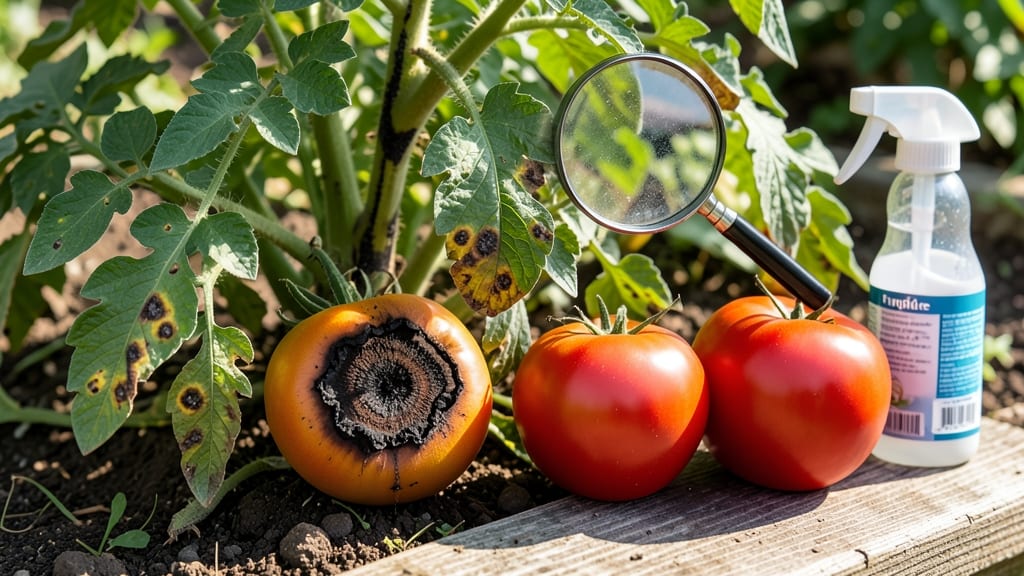
Your tomatoes are turning into shriveled, blackened messes—and copper spray is the game-changer you need. 🌱 Anthracnose fruit rot ruins harvests faster than you can say "blight," but this 24-hour fix stops the spread and saves your plants.
I’ve watched copper spray transform rotting fruit into healthy tomatoes in just one application, and I’ll show you exactly how to do it.
The problem starts with warm, wet conditions—think humid afternoons or overhead watering—that create the perfect breeding ground for the fungus. Dark, sunken spots on fruit? That’s anthracnose.
Pruning crowded foliage, spacing plants properly, and cleaning up debris are your first lines of defense, but once the fungus takes hold, copper spray is your foolproof weapon. It’s organic, fast-acting, and won’t harm your plants if used correctly.
Within 24 hours of spraying, the rot slows down, and new growth stays healthy. Your tomatoes will start recovering, and with consistent prevention—like removing infected fruit and avoiding late-day watering—you’ll protect your entire harvest. No more wasted effort or disappointing harvests. Let’s get those plants back on track.
This method works for gardeners in zones 4-10, whether you’re growing in raised beds, containers, or the ground. The key is acting fast and staying consistent. Ready to save your tomatoes before the season ends?
Understanding The Root Causes
Anthracnose fruit rot in tomatoes isn’t just a random attack—it’s a perfect storm of environmental conditions, fungal activity, and plant stress. To fight it effectively, you need to know why it happens in the first place. Let’s break down the key triggers:
The fungus Colletotrichum thrives in wet conditions. Overhead watering, heavy rainfall, or poor soil drainage create the ideal breeding ground for spores to germinate and infect fruit. Here’s how it works:
- Prolonged leaf wetness: Even 12+ hours of moisture on leaves or fruit can trigger infections. The fungus penetrates through natural openings like stomata or wounds.
- Poor airflow: Dense foliage or crowded plants trap humidity, accelerating spore growth. Pro tip: 💡 Prune plants to improve circulation and reduce moisture retention.
- Fruit contact with soil: Tomatoes touching damp soil absorb moisture, weakening their protective cuticle and making them vulnerable to fungal invasion.
Tomatoes under stress—whether from nutrient deficiencies, extreme heat, or mechanical injury—become prime targets for anthracnose. Here’s the science:
- Nutritional weaknesses: Low calcium or potassium levels weaken cell walls, making fruit more susceptible to fungal penetration. Fix it: 🌡️ Use a balanced fertilizer (like 10-10-10) and calcium supplements (e.g., crushed eggshells).
- Sun scald or cracks: Uneven watering or temperature swings cause fruit to split or develop sunburned patches—perfect entry points for spores.
- Harvest wounds: Rough handling during picking can create microscopic tears, giving the fungus a foothold. Actionable tip: 🎯 Handle ripe tomatoes gently and avoid storing them in high-humidity areas.
Anthracnose isn’t just airborne—it lingers in the environment. Soil, compost, and even gardening tools can harbor spores for years. How?
- Infested organic matter: Old tomato debris, mulch, or compost with infected plant material releases spores when tilled into the soil.
- Reused tools: Pruners, trellises, or stakes contaminated with spores can spread the fungus to healthy plants. Pro tip: 🔥 Sterilize tools with 10% bleach solution or rubbing alcohol between uses.
- Crop rotation failures: Planting tomatoes (or related nightshades like peppers) in the same spot year after year gives the fungus a permanent foothold.
The fungus loves specific conditions—warm, humid weather between 77–86°F (25–30°C) with high humidity (80%+). Here’s why:
- Optimal spore germination: Spores germinate fastest in this temperature range, while cooler weather slows their growth.
- Slow drying: High humidity prevents water evaporation, keeping fruit surfaces damp longer—ideal for fungal colonization.
- Post-harvest storage risks: Storing tomatoes in cool, humid conditions (like a basement) can reactivate spores even after harvest.
Quick fix: 🌡️ Harvest tomatoes when fully ripe and store them in a cool, dry place (55–65°F / 13–18°C) to slow spore activity.
Now that you know the why, the next step is stopping it in its tracks—and copper spray is your secret weapon. Stay tuned!
How to Treat and Prevent Fruit Rot
Anthracnose fruit rot may sound like a nightmare for tomato lovers, but the good news is that you can stop it in its tracks—and even reverse early damage—with the right approach.
Below, we’ll break down targeted fixes based on the root causes, from quick remedies to long-term prevention strategies. Think of this as your tomato plant’s emergency repair kit!
If your plants are drowning in soggy soil, anthracnose thrives like a squatter in a luxury apartment. Act fast to dry things out and improve airflow.
💦 Step 1: Adjust Your Watering Routine
- Water deeply but less often—aim for 1–1.5 inches per week, including rainfall.
Use a moisture meter or the "finger test" (stick your finger 1 inch into the soil; if it’s damp, wait). - Water at the base, not overhead.
Use a soaker hose or drip irrigation to avoid wetting leaves (which spreads spores like wildfire). - Morning is best—wet foliage dries faster in sunlight, reducing humidity where fungi love to party.
🌱 Step 2: Improve Soil Drainage
- Amend heavy clay soil with compost, perlite, or coarse sand to help water drain faster.
- Raise beds if your garden floods easily—elevated planters or mounds prevent waterlogging.
- Mulch strategically: Use straw or wood chips (2–3 inches thick) to keep soil moist without creating a fungal buffet. Avoid wet mulch—it traps moisture against stems.
✨ Pro Tip:
If your soil is already waterlogged, skip watering for 2–3 days to let it dry out. Then, resume with the soaker hose method.
Copper is your secret weapon against anthracnose—it disrupts the fungus’s cell membranes faster than a superhero punch. Here’s how to use it effectively:
🛡️ Step 1: Apply Copper Fungicide (The Right Way)
- Choose a ready-to-use spray (like copper hydroxide or copper sulfate) or mix 1 tsp copper sulfate per gallon of water (add a pinch of soap as a sticker).
- Spray at dawn or dusk when humidity is high but temperatures are mild (below 85°F).
Avoid spraying in direct sunlight—it can burn leaves. - Cover all surfaces: Focus on undersides of leaves, stems, and fruit that’s already showing lesions. Rotate the sprayer to reach every nook.
🔄 Step 2: Repeat for Maximum Defense
- First spray: As soon as you spot symptoms (or when humidity rises above 70% for 2+ days).
- Second spray: 7–10 days later, then every 7–14 days until the threat passes (or fruit ripens).
- Preventative spray: If your area is prone to anthracnose, spray every 2 weeks during humid seasons.
💡 Pro Tip:
Mix copper spray with a baking soda solution (1 tbsp baking soda + 1 tsp oil + 1 tsp soap per gallon of water) for a double-whammy against fungi and bacteria.
Anthracnose lives for sticky, sweaty conditions. Break the cycle with these tweaks:
🌬️ Step 1: Boost Airflow
- Prune aggressively: Remove suckers, lower leaves, and crowded branches to let air circulate. Aim for 6–12 inches between plants.
- Space plants wider: If growing in rows, keep 18–24 inches between plants.
For containers, ensure pots are not packed too tightly. - Use fans: A gentle oscillating fan on low speed near plants can reduce humidity by 10–15%.
🌞 Step 2: Control Temperature
- Shade cloth: If temps hit above 85°F, drape 30–50% shade cloth over plants for a few hours to cool them down.
- Avoid nighttime watering: Wet leaves at night = fungal paradise.
Stick to morning watering only. - Harvest early: Pick green tomatoes when they’re still firm (even if unripe) to prevent rot on the vine.
🎯 Pro Tip:
If you’re growing in a greenhouse, ventilate daily—even crack a window to reduce humidity. A dehumidifier can work wonders in small spaces.
Every piece of rotting fruit or leaf is a spore factory. Remove it immediately to break the cycle.
🗑️ Step 1: Prune and Remove
- Snip off infected fruit with sterilized pruners (wipe with rubbing alcohol between cuts).
- Pull up and destroy any severely infected plants (don’t compost them—bag and trash them).
- Rake up fallen leaves and mulch debris from the soil surface.
🧼 Step 2: Sanitize Your Tools and Garden
- Disinfect pruners and tools with a 10% bleach solution (1 part bleach to 9 parts water) or 70% isopropyl alcohol.
- Rotate crops: Don’t plant tomatoes (or nightshades like peppers/eggplants) in the same spot for 3 years.
- Solarize soil (if possible): Cover beds with clear plastic for 4–6 weeks in summer to kill fungal spores in the soil.
✨ Pro Tip:
Boil or freeze infected fruit before composting to kill spores. Or, bury them deep (12+ inches) where they won’t spread.
Healthy tomatoes fight off diseases better. Give them the nutritional edge they need:
💪 Step 1: Feed Smart - Avoid excess nitrogen: Too much = soft, weak plants.
Use a balanced fertilizer (like 5-5-5) or compost tea. - Boost potassium: A banana peel tea (steep peels in water for 24 hours) or wood ash (sprinkle lightly) helps plants resist stress. - Silica boost: Mix 1 tbsp silica-rich powder (like kelp meal) into soil or spray as a foliar feed to toughen cell walls.
🌿 Step 2: Support Natural Resistance
- Companion plants: Interplant tomatoes with basil, marigolds, or onions—they repel pests and improve airflow.
- Neem oil spray: Mix 1 tsp neem oil + 1 tsp soap per quart of water and spray weekly as a preventative.
- Beneficial microbes: Add mycorrhizal fungi or Trichoderma to soil to outcompete anthracnose.
💡 Pro Tip:
Mulch with straw, not grass clippings—grass clippings add too much nitrogen and attract slugs (which love rotting fruit).
If fruit is already rotten, you can save the rest with these last-resort moves:
- Pick and isolate: Harvest all tomatoes from the infected plant. Place them in a cool, dry spot (55–60°F) to ripen.
- Wash and dry: Gently rinse unripe tomatoes with 1 tsp vinegar per gallon of water to kill spores, then pat dry with a clean towel.
- Store properly: Keep tomatoes in a single layer (not stacked) in a paper bag (not plastic) to prevent further rot.
Plan ahead to keep anthracnose at bay year-round:
| Month | Task |
|---|---|
| Early Spring | Test soil pH (aim for 6.0–6.8). Amend if needed. |
| Planting | Choose resistant varieties (like ‘Mountain Merit’ or ‘Defiant PhR’). |
| June–July
Frequently asked questions
Can I still eat tomatoes with anthracnose fruit rot?
Only if the rot is very superficial. Cut away the blackened, sunken areas by at least ½ inch around the infected spot. Discard any fruit with deep cracks or extensive mold growth—these can harbor harmful toxins. For severe cases, it's safer to remove and compost (or trash) the entire fruit to prevent further spread.
How do I know if my tomato plant has anthracnose or just sunburn?
Anthracnose shows as dark, sunken lesions with concentric rings, often on fruit near the stem or blossom end. Sunburn appears as dry, pale, or white patches on exposed sides, usually without the characteristic sunken look. Check leaves too—anthracnose often causes small, dark spots there first.
Will copper spray harm my tomato plants if used too often?
Copper is safe when used correctly, but overapplication can cause leaf burn. Never exceed 6 applications per season, and always follow label instructions. For extra protection, alternate with neem oil or baking soda spray (1 tbsp baking soda + 1 tsp oil per gallon of water) to reduce copper frequency.
Can I prevent anthracnose in containers or small-space gardens?
Use well-draining potting mix with perlite, water only at the base, and ensure containers have drainage holes. Elevate pots on stands to improve airflow, and choose dwarf varieties like 'Tiny Tim' for better spacing. Prune regularly to keep foliage open, and always remove infected fruit immediately.
Why does anthracnose spread faster in some years than others?
It thrives when humidity stays above 70% for 2+ days combined with warm temperatures (77–86°F). Heavy rainfall, poor airflow from dense planting, or late-season harvests (when fruit is more vulnerable) create perfect conditions. Drought years can also weaken plants, making them more susceptible to infection.