
Fertilization
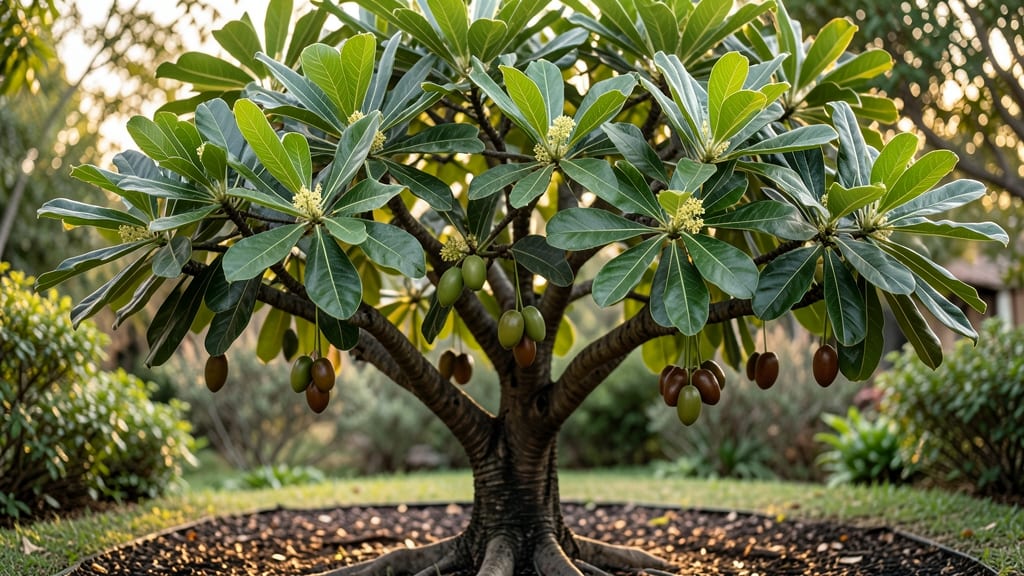
Growing African almond fruit (Terminalia catappa) feels like cultivating a tropical treasure chest—its glossy leaves and edible nuts thrive with almost no fuss once you get the basics right. 🌿 This fast-growing tree handles heat, salt spray, and even poor soil, making it perfect for coastal areas or hot climates where other plants struggle.
The key? Planting in full sun and letting it grow wild—minimal pruning means more energy for those prized nuts.
Start with saplings (seeds take forever to sprout), spacing them 15-20 feet apart to give their sprawling canopies room. The soil doesn’t need to be fancy—just well-draining—and watering becomes a "set it and forget it" routine after the first year.
Drought? No problem. Sandy soil? Even better. This tree’s secret weapon is its resilience, so don’t overthink the care—just give it space and sun.
By year three, you’ll harvest clusters of walnut-sized fruits that split open to reveal edible kernels inside (tastes like a mix of almond and chestnut). The leaves turn brilliant red in fall, adding color even when the fruit’s not ready.
Best part? Birds and squirrels love them too, so expect some sharing—but that’s part of the charm.
Watch for salt spray damage in coastal areas (just rinse leaves occasionally) and occasional fungal spots (prune out infected branches early). With almost no maintenance, this tree rewards patience with year-round interest—fruit, foliage, and shade all in one.
Perfect for lazy gardeners who love a plant that just works.
📚 In This Guide
- What you need
- Instructions
- Tips and common mistakes
- Wrapping up and next steps
What you need
- ● African almond seeds or saplings: 1–3 (for optimal growth, choose healthy, disease-free seeds or 1–2-year-old saplings from a nursery).
- ● Well-draining soil: Mix equal parts of: Garden soil (or topsoil)
- ● Sandy loam
- ● Compost or aged manure (for nutrients)
- ● Fertilizer: Balanced 10-10-10 NPK or organic options like bone meal (for phosphorus) and fish emulsion (for nitrogen). Start with 1 cup per tree and adjust based on growth.
- ● Mulch: Wood chips, straw, or pine bark (2–3 inches thick) to retain moisture and suppress weeds.
- ● Garden trowel or shovel (for planting)
- ● Pruning shears (sterilized with rubbing alcohol)
- ● Watering can or hose (with a gentle spray nozzle)
- ○ pH testing kit (optional but helpful—ideal soil pH: 5.5–7.0)
- ● Glove (to protect hands from sap and thorns)
- ● Sunlight: Full sun (6+ hours daily) or partial shade in hot climates.
- ● Climate: Thrives in USDA Zones 10–12 (or tropical/subtropical regions). Cold-sensitive—protect young trees from frost!
- ● Space: Mature trees need 30–50 feet of spacing (or container size: 15+ gallon pot for dwarf varieties).
- ● Water source: Drip irrigation or consistent watering (deep soak 2–3 times/week for the first year).
Step-by-Step guide to growing African almond trees for year-round fruit
Here's how to cultivate these fast-growing, drought-resistant trees for continuous harvests with almost no fuss.
🌱 Step 1: Choose the Right Variety and Planting Location
African almond trees (Terminalia catappa) thrive in USDA Zones 10-11, but you can grow them in containers and overwinter indoors in cooler climates. Pick a sun-drenched spot with 6+ hours of direct light daily—they tolerate heat and humidity beautifully. The tree's natural shape makes it perfect for small spaces, needing only 15-20 feet of width at maturity.
Real talk: If you're in a colder zone, start with a 3-5 gallon container (that's your servings of 4 trees) and move it indoors before frost. I've seen these trees produce fruit in pots for years—just keep them near a south-facing window or under grow lights during winter. The key is drainage: Use pots with holes and a mix of potting soil and perlite (50/50 ratio) to prevent root rot.
☀️ Step 2: Plant at the Right Time and Prepare the Soil
Plant your African almond tree in early spring after the last frost, or in late summer for a head start. Dig a hole twice as wide as the root ball but only as deep—burying too deep suffocates the roots. Amend the native soil with compost to loosen it, since these trees hate compacted roots. They're adaptable but grow best in well-draining, slightly acidic soil (pH 5.5-6.5).
Here's the thing—African almonds are drought-tolerant once established, but young trees need consistent moisture. Water deeply once a week for the first 6 months, until the soil is 6 inches dry at the surface. You'll know it's time when the top layer feels dry but the lower soil stays damp. Mulch with 2-3 inches of wood chips to retain moisture and regulate soil temperature.
💧 Step 3: Water and Fertilize for Maximum Fruit Production
After the first year, reduce watering to every 2-3 weeks unless you're in extreme heat (then weekly). These trees store water in their thick trunks—overwatering is the real enemy. Fertilize lightly in early spring with a balanced 10-10-10 formula (about ½ cup per tree), then again in late summer. Too much nitrogen makes leaves grow fast but fruit slow.
Watch for new growth flushes—that's your cue to fertilize. I've seen African almonds produce year-round in tropical climates, with two main harvest peaks: late spring and fall. The fruit starts small and green, then ripens to a golden-brown color when ready. Don't wait until they drop—pick them at full color for the best flavor.
✂️ Step 4: Prune Strategically for Year-Round Fruit
Here's the secret: Minimal pruning is all you need. Remove dead, crossing, or diseased branches in late winter, and thin out overcrowded growth to improve airflow. The tree's natural shape is already beautiful, so avoid heavy shaping. Just trim back any suckers (those low-growing shoots) to redirect energy to fruit production.
Real talk: I used to prune heavily, but I learned the hard way—African almonds hate aggressive cuts. A little maintenance keeps them healthy without stressing the tree. You'll see more fruit and fewer pests when you keep the canopy open. Harvest the fruit by twisting gently—don't pull, or you'll damage the branch.
🌿 Step 5: Harvest and Enjoy (Or Propagate for More Trees!)
African almond fruit ripens asynchronously, meaning you'll get a steady supply rather than one big harvest. Pick the fruit when it changes from green to golden-brown, usually 6-8 months after flowering. The inside is edible and nutritious, with a sweet-tart flavor—great fresh, dried, or made into jams. Save some seeds to propagate more trees!
To grow from seed, soak the pits in warm water for 24 hours, then plant 1 inch deep in well-draining soil. Keep it moist and warm (75-85°F)—germination takes 4-8 weeks. Young trees are slow to start but explode in growth once established. With patience, you'll have a fruit-bearing tree in 3-5 years—and minimal pruning required!
Tips & tricks for growing African almond trees
These simple secrets will help you cultivate a thriving African almond tree with minimal effort and maximum fruit production.
Location is Everything: In Step 1, when selecting your planting spot, prioritize areas with unfiltered sunlight—these trees need that 6+ hours of direct light daily to thrive. I've noticed the most vigorous growth and fruit production in locations where the tree gets morning sun and afternoon shade, especially in hotter climates. If growing in containers, place them where they'll receive consistent light throughout the day, rotating occasionally to ensure even growth.
Soil Preparation Matters: For Step 2, don't just dig a hole—create the perfect environment. The 50/50 mix of potting soil and perlite is crucial for container-grown trees to prevent root rot. In ground plantings, take extra time to loosen the soil with compost, breaking up any compacted areas with a garden fork. African almonds have shallow roots, so focus on the top 12 inches of soil for optimal drainage and nutrient availability.
Watering Wisdom: The 6-month deep watering schedule in Step 2 is non-negotiable for young trees. I learned this the hard way when my first tree struggled—it needed that consistent moisture to establish its root system. Use your finger to check soil moisture: if the top 6 inches are dry but the lower soil stays damp, you're on track. For container plants, water until it drains freely from the bottom—this ensures proper hydration without waterlogging.
Pruning Precision: When it comes to Step 4's minimal pruning approach, focus on quality over quantity. Use sharp, sterilized pruning shears to make clean cuts just above a leaf node or branch junction. The goal is to open up the canopy for better airflow and sunlight penetration—this simple step reduces disease risk and encourages more fruit production. I've found that removing just 5-10% of the canopy each year is all that's needed to maintain a healthy, productive tree.
Pro Tips for African Almond Fruit
- These simple secrets will help you cultivate a thriving African almond tree with minimal effort and maximum fruit production.
- Location is Everything: In Step 1, when selecting your planting spot, prioritize areas with unfiltered sunlight—these trees need that 6+ hours of direct light daily to thrive.
- Soil Preparation Matters: For Step 2, don't just dig a hole—create the perfect environment.
Frequently asked questions
Got questions about growing African almond fruit?
You’re not alone! Here are some of the most common queries—plus straightforward answers to help you cultivate this tropical gem like a pro.
How long does it take for an African almond tree to bear fruit?
The African almond tree (Terminalia catappa) typically takes 5–7 years to mature and produce fruit from seed. However, grafted trees may bear fruit in as little as 2–3 years if given ideal conditions (full sun, well-draining soil, and regular watering). Patience is key—think of it as a long-term investment in tropical shade and harvests!
Do African almond trees need a lot of water?
Young trees (1–3 years old) need consistent moisture to establish roots, but once mature, they’re drought-tolerant. Water deeply 2–3 times per week during dry spells, but avoid waterlogging—they hate soggy soil. Mulching helps retain moisture while keeping roots cool. Pro tip: Let the top 2 inches of soil dry out between waterings for mature trees.
Can I grow African almonds in pots, or do they need a garden?
Yes! African almond trees thrive in large containers (15+ gallons) if you live in a cooler climate or urban setting. Use a fast-draining mix (cactus soil + perlite) and ensure the pot has drainage holes. They’ll need year-round sunlight and occasional repotting as they grow. Just be prepared to move them indoors during frost—these tropical trees aren’t fans of cold snaps.
What pests or diseases should I watch for with African almond trees?
The biggest threats are aphids, scale insects, and fungal diseases (like powdery mildew) in humid climates. Keep an eye out for yellowing leaves or sticky residue (signs of pests). Treat with neem oil or insecticidal soap, and prune for airflow to prevent mold. Healthy soil and balanced fertilization go a long way in warding off issues!
Are African almonds safe to eat raw, or do they need cooking?
The fruit itself isn’t edible raw—it’s tough and astringent. However, the seeds (nuts) inside are delicious when roasted or boiled! Remove the hard shell, blanch the seeds for 10 minutes, then dry and roast them for a buttery, almond-like flavor. Warning: Always test for bitterness before eating—some varieties can be toxic if not prepared properly.
Wrapping up and next steps
The African almond fruit is a game-changer for gardeners seeking low-maintenance, high-reward harvests! With minimal pruning and year-round potential, this tropical treasure delivers nutrient-packed rewards while thriving in warm climates. Whether you’re a seasoned grower or just starting, its resilience and adaptability make it a standout choice for sustainable yields.
Ready to plant your first tree? Start by sourcing healthy saplings, preparing nutrient-rich soil, and monitoring moisture levels. Your journey to a bountiful harvest begins with a single seed—or a single step! 🌱✨