
Tools
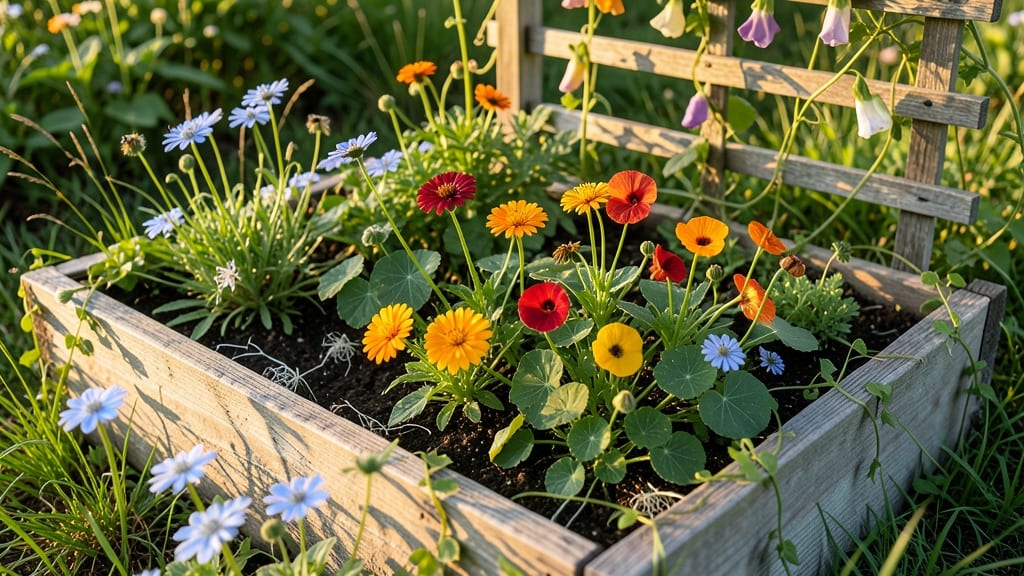
Transform your garden into a buzzing pollinator paradise with these ten wildflower garden bed ideas. Each design supports local ecosystems while providing year-round color and texture that traditional gardens can't match.
Sunny Meadow Pollinator Paradise
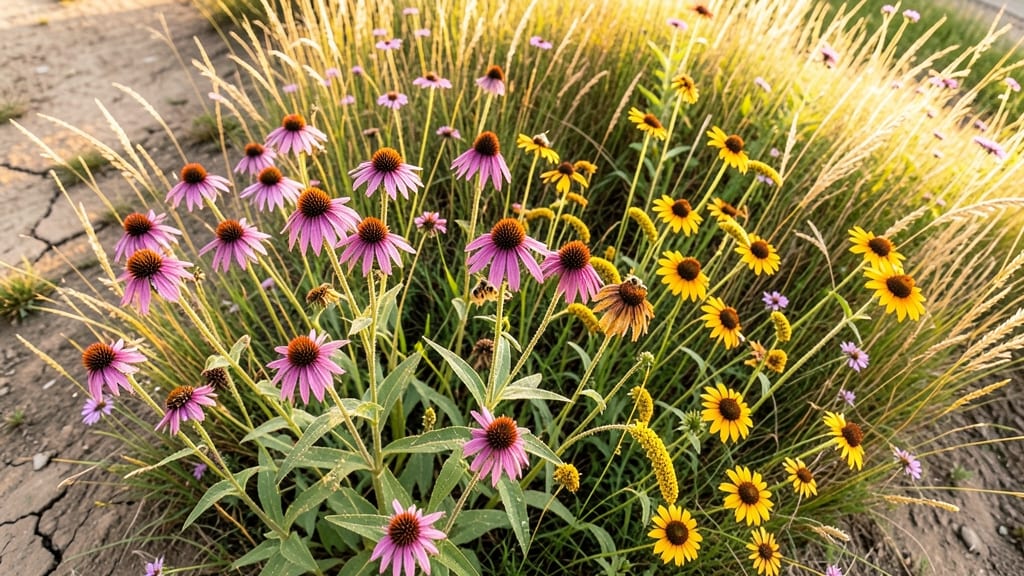
Turn your sunbaked garden corner into a thriving pollinator paradise with this low-maintenance meadow design. By planting drought-resistant perennials like purple coneflower, black-eyed Susan, and goldenrod, you'll create a self-sustaining ecosystem that blooms from early spring to late fall—without the fuss of constant watering.
Start by selecting a full-sun area (at least 6 hours of sunlight daily) and prepare the soil with a light raking to break up compaction. Mix in a pollinator-friendly seed blend that includes native grasses like little bluestem for texture and structure. Once established, these plants require minimal care—just occasional mowing in late fall to promote new growth. The key is diversity: combine early bloomers (like wild bergamot) with midseason stars (such as butterfly weed) and late-season favorites (like asters) to keep pollinators fed year-round.
This design is perfect for beginner gardeners or those with dry climates, as it thrives on neglect once planted. Watch your garden transform into a buzzing hub of activity as bees, butterflies, and hummingbirds flock to your sunny meadow oasis. 🌻
Woodland Edge Wildflower Border
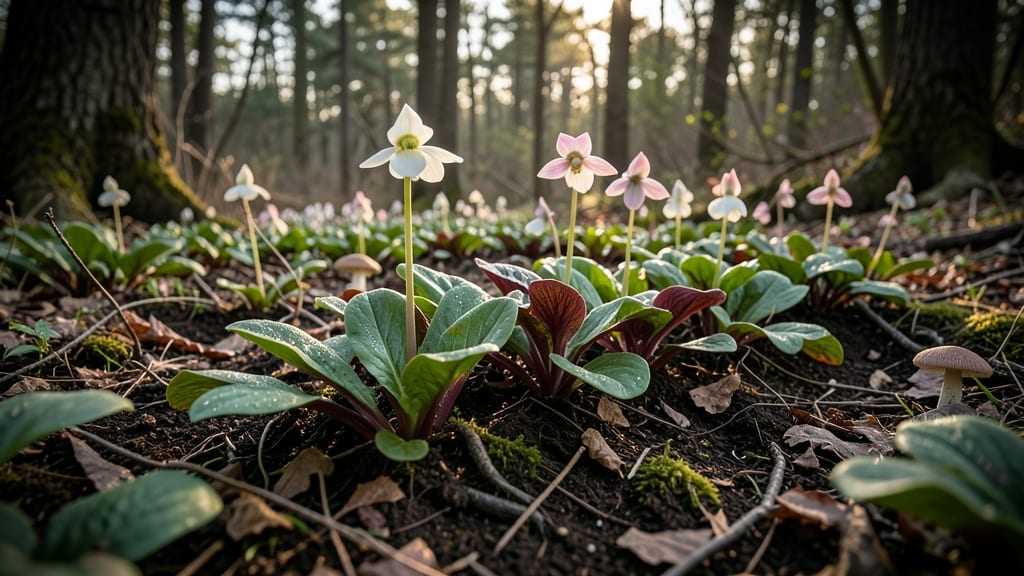
Tired of struggling with sun-starved garden edges? A woodland edge wildflower border transforms those tricky, shady spots under trees into lush, low-maintenance havens for native plants like trillium and bloodroot—both of which thrive where sunlight is scarce but moisture lingers.
This design works by layering shade-tolerant perennials with varying heights: start with low-growing wild ginger and foamflower at the front, add mid-height toad lilies and solitary blue violets in the middle, and top with tall woodland phlox or asters for vertical interest. Mulch with leaf litter or wood chips to retain moisture and suppress weeds—perfect for gardeners who want beauty without the upkeep.
Ideal for beginners or urban gardeners with limited sun, this border creates a natural transition between lawn and forest while supporting local wildlife. The dappled light conditions actually enhance the delicate blooms, making it a secret garden gem. 💚
Butterfly Magnet Cottage Garden
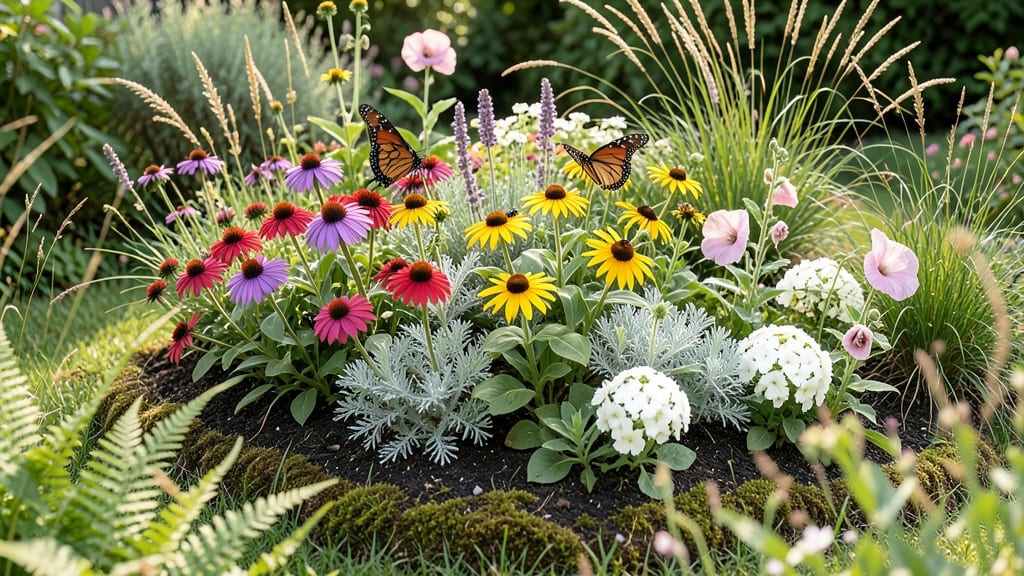
Turn your garden into a fluttering haven for monarchs and swallowtails with this butterfly magnet cottage garden—a nostalgic yet purposeful twist on classic cottage aesthetics. Unlike traditional cottage gardens, this design prioritizes life-cycle support by pairing vibrant annuals with essential host plants like milkweed, ensuring butterflies have both food and breeding grounds.
Start with orange milkweed as your centerpiece—its bright blooms attract monarchs while providing the sole food source for their caterpillars. Flank it with nectar-rich annuals like purple salvia, white alyssum, and red zinnia to sustain adult butterflies throughout the season. For a cottage-garden charm, add climbing roses or clematis to create vertical interest, and scatter small pebbles or stepping stones to mimic an old-world path.
This design is perfect for gardeners who love romantic, low-maintenance beds but want to make a real ecological impact. Even small spaces can support butterfly populations—just 4' x 4' of this layout provides enough resources for a family of monarchs. 🌻
Drought-Tolerant Desert Wildflowers
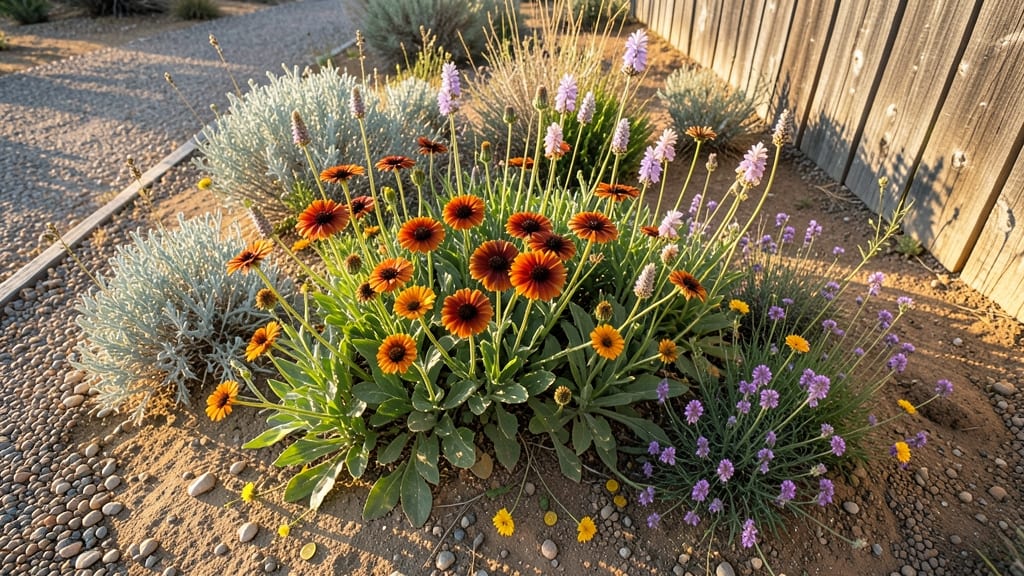
If you live in a dry climate where water conservation is key, this low-maintenance wildflower design transforms your garden into a vibrant oasis without the high water bills. By choosing native desert wildflowers like blanket flower (Gaillardia) and penstemon, you create a stunning display that thrives on rainfall alone once established.
These hardy plants love full sun and well-draining soil, making them perfect for rocky or sandy areas where other flowers struggle. Blanket flower blooms in fiery reds and yellows from summer to fall, while penstemon offers delicate purple and blue spikes that attract native bees. Plant them in clusters for maximum impact, and watch as your garden becomes a haven for pollinators while requiring almost no supplemental water after the first year.
This design is ideal for gardeners in USDA zones 4-9 who want beauty without the upkeep. Even urban gardeners with limited water access can enjoy a thriving, drought-resistant wildflower bed that supports local ecosystems. 🌻
Seasonal Succession Wildflower Patch
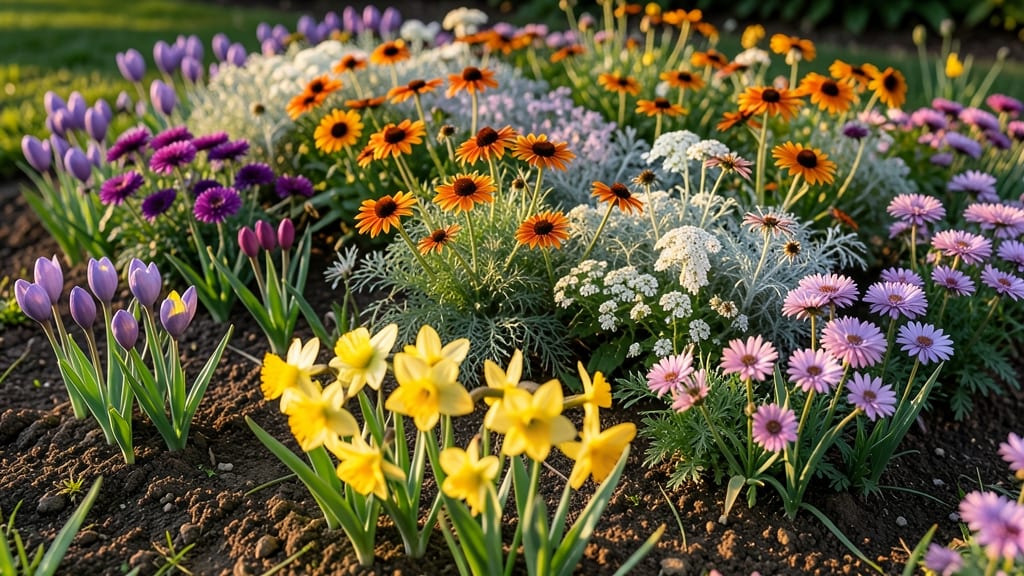
Tired of seasonal gaps in your wildflower garden? A seasonal succession wildflower patch keeps your garden buzzing with activity year-round by blending spring bulbs, summer perennials, and fall asters in a single bed.
Start with early bloomers like crocus and daffodils for spring color, then layer in black-eyed Susans and coneflowers for summer, and top with New England asters for late-season blooms. This three-tiered approach ensures pollinators always have fresh nectar while minimizing maintenance. Plant bulbs first in fall, then perennials in spring, and fill gaps with annuals for extra color.
Perfect for gardeners who want low-maintenance beauty without sacrificing pollinator support—ideal for small urban spaces or larger landscape beds. 🌻
Rock Garden Wildflower Tucks
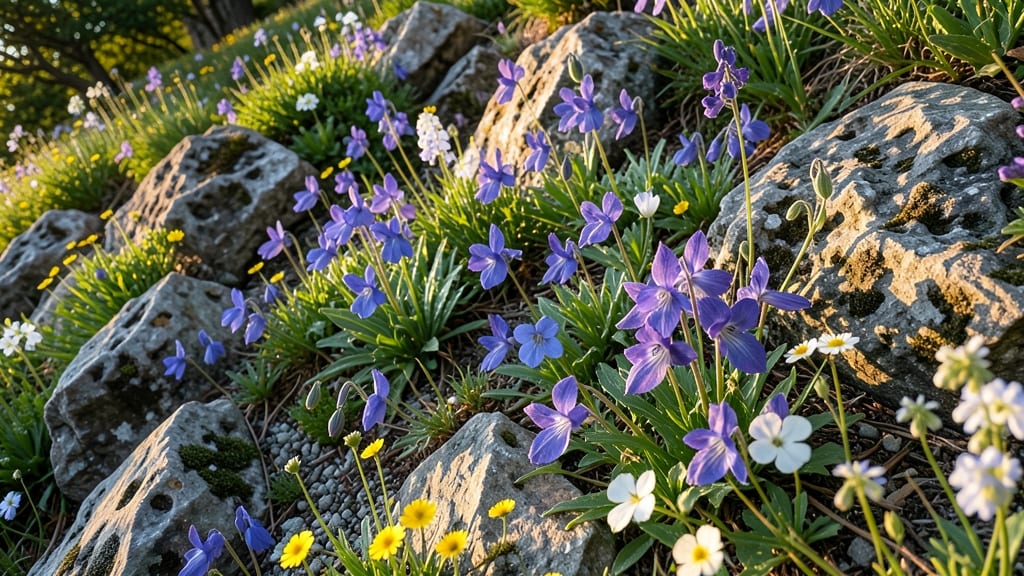
Turn those unsightly rocks into a stunning wildflower display with alpine wildflowers that thrive in tight spaces. This creative solution transforms rocky terrain into a vertical garden teeming with color, perfect for small yards, slopes, or even container gardens.
Choose columbine for its nodding blue blooms that attract hummingbirds, or shooting stars for delicate pink spikes that bloom early. These plants love well-draining soil and 3-6 hours of sun daily, making them ideal for crevices between rocks. Add creeping thyme as a ground cover to soften the look and prevent erosion.
Urban gardeners and small-space lovers will adore how this design maximizes beauty with minimal square footage. Plus, it requires almost no maintenance once established! 🌻
Native Prairie Restoration Bed
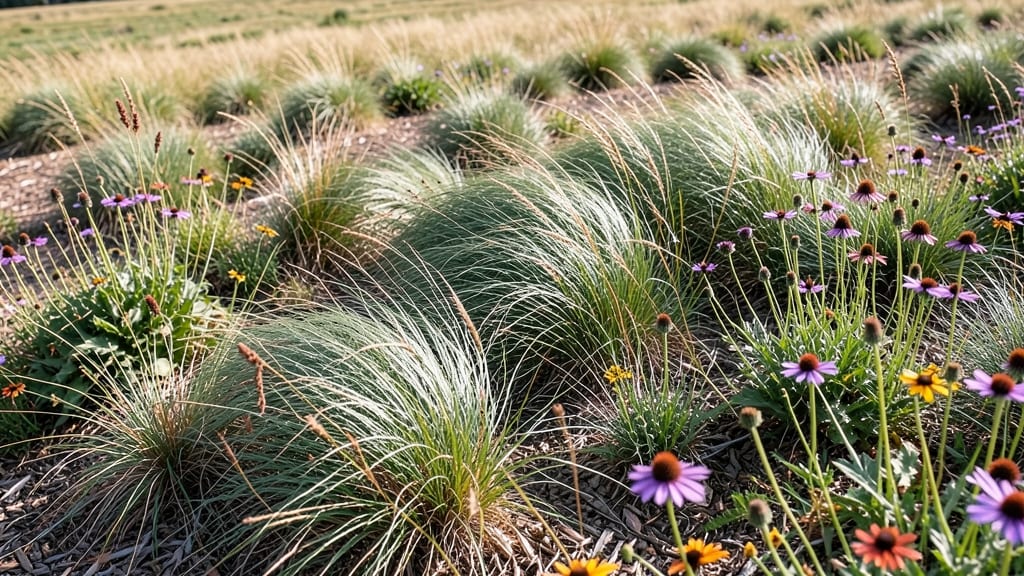
Ready to make a real difference in your ecosystem? A native prairie restoration bed transforms your garden into a thriving mini-prairie that supports endangered pollinators and restores natural habitats—no fancy landscaping required.
Start by researching regionally native grasses like little bluestem and wildflowers such as purple coneflower and black-eyed Susan, which thrive in your local climate. Plant in large drifts rather than rows to mimic natural prairie conditions, and avoid fertilizers to preserve the delicate balance. Once established, this bed will require minimal watering and maintenance, as native plants are perfectly adapted to your area's rainfall and soil conditions.
This design is ideal for gardeners passionate about conservation, offering both ecological benefits and stunning seasonal interest. Your garden becomes a lifeline for bees, butterflies, and birds—all while creating a self-sustaining ecosystem that thrives with minimal effort. 🌿
Container Wildflower Window Box
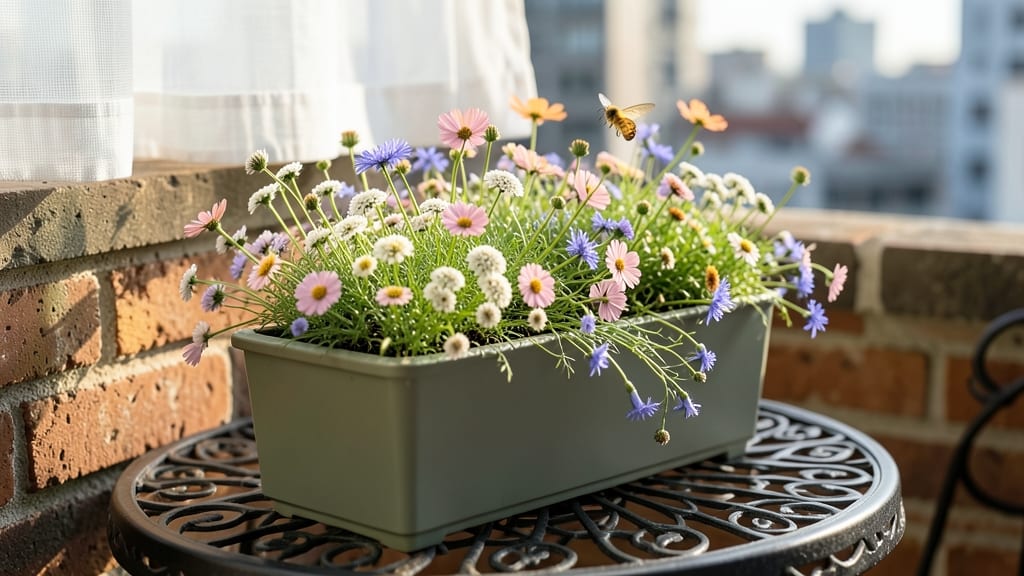
No green thumb or sprawling yard? No problem! A container wildflower window box brings pollinator power to balconies, patios, and city apartments with minimal space. This portable oasis lets you grow a thriving ecosystem in a shallow box just 6-12 inches deep.
Choose shallow-rooted annuals like sweet alyssum (for bees) and nasturtiums (edible and butterfly-friendly) alongside perennials like lavender or catmint. Mix in marigolds for pest control and vibrant color. Use well-draining potting mix and place your box where it gets at least 4-6 hours of sun daily—even a sunny windowsill works!
This design is ideal for urban gardeners with limited space or renters who need flexible, moveable gardens. Plus, you’ll create a pollinator highway right outside your door, turning your balcony into a buzzing hub of activity. 🌻
Moon Garden Night-Blooming Wildflowers
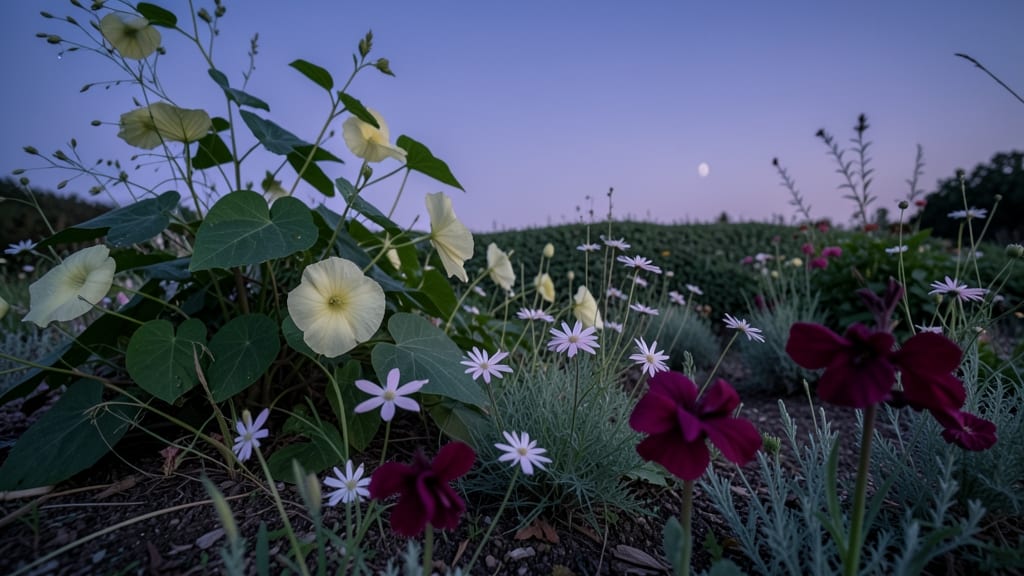
Transform your garden into a magical evening retreat with a moon garden that comes alive after dark. This enchanting design features nocturnal wildflowers like moonflower vine, evening primrose, and four o'clock flowers, which bloom only when the sun sets—creating a serene, fragrant escape for you and night-flying pollinators like moths and bats.
Start by planting moonflower vine (Ipomoea alba) along a trellis or fence for dramatic, 6-inch-wide white blooms that glow under moonlight. Pair it with evening primrose (Oenothera biennis), whose yellow flowers release a sweet fragrance at dusk, and four o'clock flowers (Mirabilis jalapa), which open in vibrant pink, yellow, or purple hues as temperatures drop. These plants thrive in well-draining soil and full sun to partial shade, making them versatile for most garden settings.
Perfect for gardeners who love romantic, low-light spaces, this design adds a whimsical touch to patios, entryways, or secluded corners. Plus, it supports nocturnal pollinators struggling to find evening nectar sources. 🌿
Edible Wildflower Pollinator Garden

Why settle for a garden that’s just pretty when it can also feed you? An edible wildflower pollinator garden turns your flower bed into a dual-purpose powerhouse, attracting bees and butterflies while providing culinary and medicinal harvests like borage, calendula, and nasturtium.
Start by planting borage (with its star-shaped blue flowers) for cucumber-flavored leaves and nectar-rich blooms that bees adore. Add calendula for its bright orange petals—great for salads and skin remedies—and nasturtiums for their peppery greens and vibrant flowers that butterflies can’t resist. These plants thrive in full sun to partial shade and prefer well-draining soil, making them perfect for borders or containers. For extra pollinator appeal, interplant with lavender or catmint to create a fragrant, buzzing ecosystem.
This design is ideal for herb gardeners, homesteaders, or urban growers who want to maximize space. You’ll enjoy fresh edible blooms while supporting local wildlife—what could be more rewarding than a garden that feeds both you and the planet? 💚