
How To
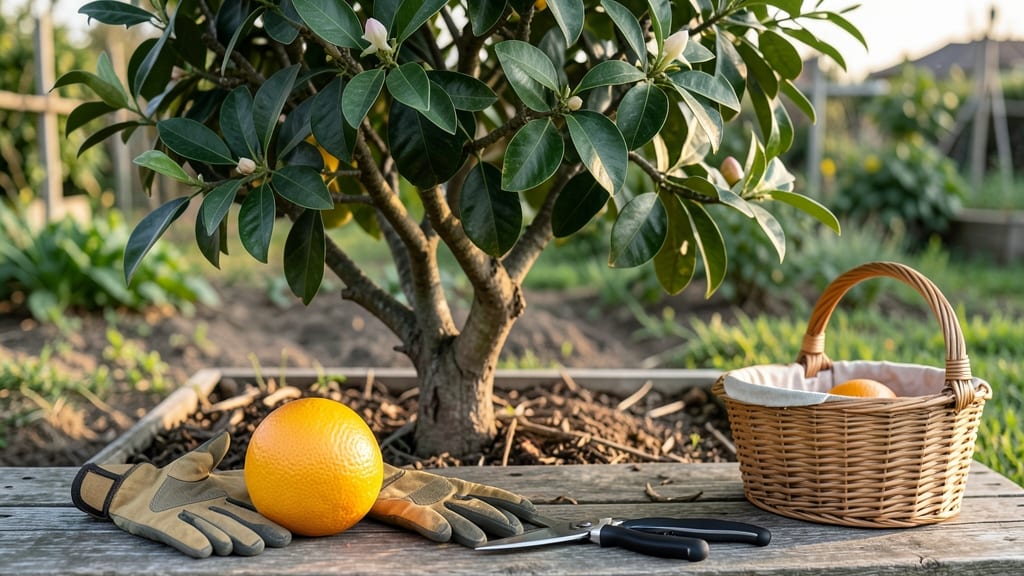
Harvesting grapefruit at the right time means the difference between tart, seedy fruit and sweet, juicy perfection 🍊—and the key is knowing when those citrus gems are truly ready to pick.
Grapefruit trees reward patience with sweet, juicy fruit, but harvesting too early or too late ruins the flavor. Whether you're growing in Florida's heat or California's coastal breezes, timing is everything for that perfect balance of sugar and acidity.
You’ll learn how to spot ripe grapefruit by color, size, and texture—plus the best months for harvest depending on your variety and climate zone. No more guessing whether that fruit is ready or still needs time on the tree.
From Ruby Red to White and Pink varieties, we’ll break down the exact signs (like stem release and peel color) that tell you it’s time to pick. Plus, storage tips to keep your harvest fresh for weeks.
5 Visual and physical signs your grapefruit is ripe for harvesting
Harvesting grapefruit at the perfect moment transforms a good fruit into an exceptional one. Unlike some fruits that continue ripening after picking, grapefruit must be harvested at just the right stage for optimal flavor and texture.
If you're growing Ruby Red, White, or Pink varieties, timing matters—especially since each type ripens slightly differently. Let’s explore the key visual and physical cues to watch for, so you never miss the harvest window again.
First, understand that grapefruit ripeness isn’t just about color—it’s a combination of visual cues, physical traits, and even subtle changes in the fruit’s behavior. For example, a grapefruit that looks ripe but feels too firm might still need weeks on the tree.
Meanwhile, one that’s soft or overly heavy could be past its prime. Mastering these signs ensures you pick fruit that’s juicy, sweet, and packed with flavor rather than bitter or mealy.
🍊 5 Signs Your Grapefruit Is Ripe for Picking
- 🔹 1. Skin Color Changes
Ruby Red turns deep red-orange; White grapefruit shifts to pale yellow; Pink develops a blush hue. - 🔹 2. Heavy for Its Size
Ripe fruit feels surprisingly heavy when held—this indicates juicy flesh inside. - 🔹 3. Slight Give When Pressed
Gently squeeze the fruit—it should yield slightly near the stem but not feel mushy. - 🔹 4. Stem Separates Cleanly
The stem should twist off easily without tearing—this means the fruit is ready to detach. - 🔹 5. Aroma Near the Stem
A sweet citrus scent near the stem signals peak ripeness—sniff carefully!
💡 Pro Tip: Test one grapefruit first—if it’s perfect, the others nearby are likely ready too!
Let’s dive deeper into each of these signs, starting with color changes, which is often the first clue that your grapefruit is nearing harvest. For Ruby Red varieties, the skin should transition from green to a vibrant deep red-orange.
Meanwhile, White grapefruit will turn a pale, almost golden yellow, and Pink varieties develop a soft pink blush over a yellow base. Remember, though: a fully colored grapefruit isn’t always ripe—always check the other signs too!
Next, pay attention to the weight of the fruit. A ripe grapefruit feels surprisingly heavy for its size, almost like it’s too heavy to hold comfortably. This weight comes from the juicy flesh inside, which is at its peak when the fruit is ready to harvest.
If your grapefruit feels light, it’s likely still developing and needs more time on the tree. Conversely, if it feels too light or hollow when shaken, it might be overripe or even rotting inside.
Testing the firmness of the grapefruit is another critical step—do it gently to avoid damaging the fruit. Press your thumb near the stem end: a ripe grapefruit will give slightly under gentle pressure, almost like pressing a ripe avocado.
If it feels rock-hard, it’s not ready yet. If it’s too soft or mushy, it’s past its prime. This test is especially useful for White grapefruit, which can sometimes look ripe but still be underdeveloped.
One of the most reliable signs of ripeness is how the stem responds when you try to twist it off. A ripe grapefruit’s stem should separate cleanly from the fruit with just a slight twist—no resistance, no tearing.
If the stem resists or the fruit skin tears when you pull, the grapefruit isn’t ready yet. This test is quick and painless, and it saves you from harvesting fruit that’s still developing. Plus, it’s a great way to avoid bruising the fruit during the picking process.
Finally, trust your nose. A ripe grapefruit releases a sweet, citrusy aroma near the stem when you hold it close to your face. This scent is a natural byproduct of the sugars developing inside the fruit. If your grapefruit doesn’t have this fragrance, it’s likely not ready yet.
For Pink grapefruit, this aroma is often more pronounced, making it easier to detect. If you’re unsure, let the fruit sit on the tree for another week and check again.
Seasonal timing also plays a role in harvest readiness. In Florida and California, grapefruit typically ripens between October and March, with Ruby Red varieties often ready first, followed by White and Pink types.
However, if you’re growing in a container or cooler climate, your harvest window might shift slightly. Always align your visual checks with the expected ripening timeline for your specific variety and region.
Once you’ve confirmed your grapefruit is ripe, harvest it carefully using a sharp pruner or knife to avoid damaging the tree or the fruit itself. Cut the stem about an inch above the fruit to prevent rot.
Store ripe grapefruit at room temperature for a few days to let flavors fully develop, or refrigerate to extend shelf life. With these signs in mind, you’ll never miss the perfect moment to harvest again!
Grapefruit ripening timeline: month-by-month harvest guide by variety
Timing your grapefruit harvest depends on variety, climate zone, and even when you planted your tree.
In USDA Zones 8-11, most grapefruit varieties ripen between October and March, but early-season types like Ruby Red may start as early as September, while late-season White Marsh can extend into April. Understanding these patterns helps you plan for peak flavor and avoid wasting fruit.
If you planted your grapefruit tree in spring, expect your first harvest 18-24 months later. Trees planted in fall may produce fruit slightly earlier, around 15-18 months. Dwarf varieties like Foster ripen faster—sometimes as early as 12 months—while standard trees take longer.
Always check for color change, stem separation, and fruit firmness before harvesting.
| Variety | Climate Zones | Planting Time | First Harvest Window | Peak Harvest Months |
|---|---|---|---|---|
| Ruby Red | USDA 9b-11 | Spring or Fall | September-October (Year 2) | October-November |
| White Marsh | USDA 9a-11 | Spring | November (Year 2) | December-March |
| Foster (Dwarf) | USDA 9b-11 | Fall | October (Year 1.5) | November-January |
| Pink Marsh | USDA 10-11 | Spring | December (Year 2) | January-February |
| Orlando | USDA 9b-11 | Fall | November (Year 2) | December-April |
In cooler zones (USDA 8-9a), like parts of Southern California or Central Florida, grapefruit ripening slows slightly. Ruby Red may take an extra 2-3 weeks to reach peak sweetness, while White Marsh benefits from a winter chill period to develop full flavor.
If you're in Zone 10-11, like South Florida or Arizona, your harvest window extends later into spring, sometimes until April.
For container-grown grapefruit trees, harvest timing shifts slightly due to limited root space and pot size constraints. These trees often produce fruit 1-2 months earlier than their in-ground counterparts.
If your Foster dwarf variety is potted, expect your first harvest as early as late September, with peak fruit ready by November. Always monitor fruit color and stem separation closely, as container stress can accelerate ripening.
Pro tip: Mark your calendar 12-18 months after planting to track potential harvest windows. In USDA Zone 11, where frost is rare, grapefruit trees can produce year-round, but flavor peaks during cool winter months.
If you're unsure about timing, use a fruit maturity tester—a simple tool that measures soluble solids (a key indicator of sweetness)