
Plants
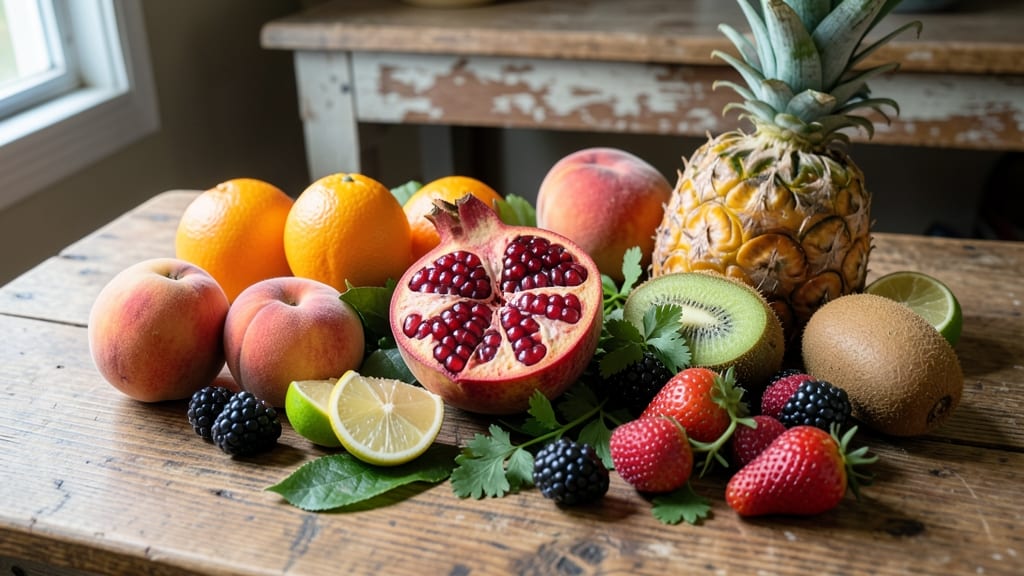
In March, you'll find early-season fruits like strawberries, grapefruits, and kiwis hitting their peak, while citrus varieties such as oranges and lemons stay fresh in warmer regions. Cooler areas may also enjoy rhubarb and early stone fruits like plums.
March's fruit bounty is all about the climate—warmer zones keep citrus in rotation while cooler areas welcome the first berries and stone fruits of the year. 🌱 The longer daylight hours and rising temperatures trigger ripening in strawberries, which are often the first berries to appear after winter.
Meanwhile, grapefruits and kiwis reach their sweetest point, making them perfect for juicing or snacking. What's interesting is how regional differences create such variety: in Florida, you might find mangoes starting to ripen early, while Pacific Northwest gardeners can plant rhubarb crowns for a late-spring harvest.
For those who love preserving the season, March is a great time to start planning. Citrus fruits like oranges freeze beautifully for winter smoothies, while strawberries can be turned into jams or frozen whole. 🍓 The key is acting fast—early-season fruits often spoil quicker due to their delicate skins.
I always recommend washing and drying fruits thoroughly before storage to prevent mold, especially with berries that have high moisture content.
💡 In This Article
- March Fruit Ripening Science and Climate Influence
- Best March Fruits for Home Gardening and Preservation
March fruit ripening science and climate influence
March's fruit abundance is driven by a perfect storm of daylight and temperature shifts. As daylight increases by about 2-3 hours from winter solstice, plants respond by accelerating photosynthesis and flowering. Strawberries, for example, need 10-14 hours of daylight to trigger fruit set—something March reliably delivers in most temperate zones.
The rising temperatures (typically 50-65°F in many regions) break winter dormancy in perennials like rhubarb while allowing tropical fruits like grapefruits to reach peak sweetness in warmer climates.
The science behind early-season fruits involves ethylene gas production, which peaks when temperatures stabilize above 55°F. This hormone regulates ripening—strawberries, for instance, develop their signature red hue and sugar content when ethylene levels rise during March's warming trend.
Meanwhile, citrus fruits like oranges maintain their freshness because their thick skins protect them from temperature fluctuations. In cooler regions, rhubarb's stalks grow rapidly in March's moist soil, while stone fruits like plums begin their flowering phase when night temperatures stay above 40°F.
Regional variations create dramatic differences in what's available. In Florida's subtropical climate, mangoes start ripening early due to consistent 70-80°F temperatures, while Pacific Northwest gardeners can plant rhubarb crowns that thrive in 40-55°F conditions.
The key factor is chilling requirements—stone fruits need 200-1,000 hours below 45°F to break dormancy, which explains why they appear later in cooler climates. This is why you'll see plums in March in California but not in Minnesota until May.
What most people don't realize is how soil temperature affects root development. Strawberry plants, for example, need soil temps above 50°F to establish strong roots before fruiting. This is why March-planted strawberries often yield smaller berries—they're still developing their root systems.
Meanwhile, citrus trees in warmer zones continue producing because their roots stay active year-round. The contrast between these growing patterns explains why March offers such diverse fruit options across different climates.
For home gardeners, understanding these patterns means timing is everything. Planting strawberries in early March gives them 8-10 weeks to establish before peak fruiting, while citrus trees in pots need protection from late frosts.
The science of fruit ripening also explains why March fruits often have more intense flavors—the combination of longer daylight and stable temperatures creates optimal conditions for sugar development. This is why March-grown strawberries taste sweeter than those grown in summer's heat.