
Tools
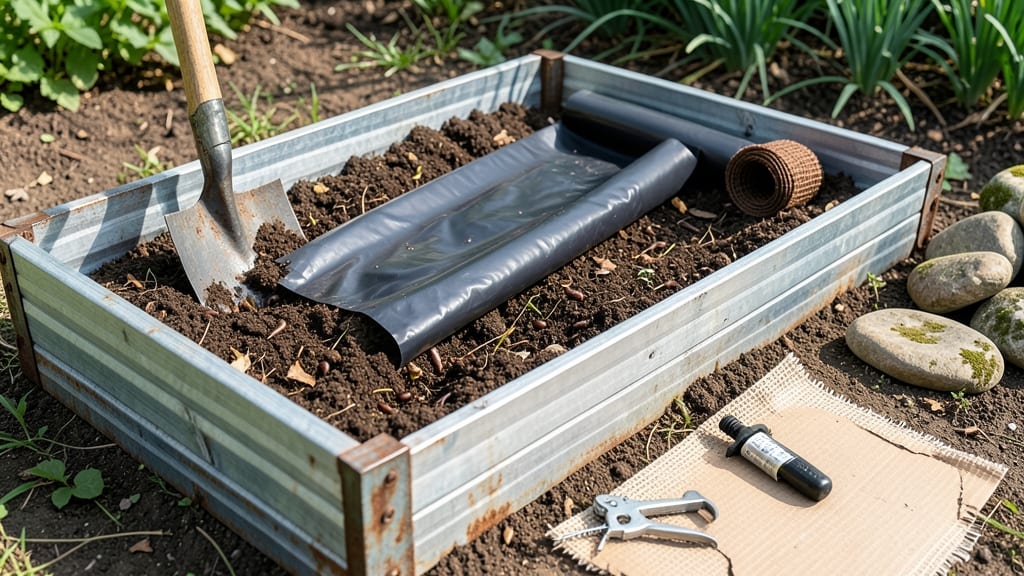
Lining your raised garden bed with plastic may help stop soil erosion and block weeds, but it can reduce root growth and drainage over time, while natural options like cardboard or fabric support healthier soil and better aeration.
Plastic liners create a barrier that keeps soil contained and weeds at bay, making them popular for new gardeners.
However, this impermeable surface can trap moisture, leading to root rot in some plants while also preventing beneficial organisms from breaking down organic matter. 🌱 Organic alternatives like untreated cardboard or landscape fabric decompose over time, enriching the soil as they do, and allow excess water to drain properly—critical for long-term plant health.
For those prioritizing sustainability, cardboard is an excellent choice because it breaks down completely, adding nutrients back to the soil. Landscape fabric offers a middle ground, filtering out weeds while still allowing water and air to pass through.
The key is balancing convenience with long-term soil vitality—your plants will thank you for the thoughtful choice.
💡 In This Article
- Pros and Cons of Plastic Lining for Raised Beds
- Best Organic Alternatives to Plastic for Raised Garden Beds
Pros and cons of plastic lining for raised beds
Plastic liners create an artificial barrier that solves two immediate problems: soil erosion and weed intrusion. The smooth, non-porous surface prevents topsoil from washing away during heavy rains, which is especially valuable in sloped gardens or areas with poor soil quality.
This containment also blocks weed seeds from sprouting through the barrier, reducing maintenance time by up to 70% compared to unlined beds. The material's lightweight nature makes installation straightforward—just lay it flat before adding soil—while its durability ensures it won't decompose or tear easily under normal conditions.
The downside begins with moisture dynamics. Plastic traps water like a greenhouse, creating conditions where roots can suffocate if drainage isn't perfect.
Studies show that in 6-8 weeks, plastic-lined beds can develop 20-30% higher moisture levels than unlined ones, increasing the risk of fungal diseases like root rot in moisture-sensitive plants such as tomatoes or peppers.
The impermeable surface also disrupts natural soil aeration, forcing roots to grow in a confined space where they compete for oxygen and nutrients. Over time, this can stunt plant growth by 10-20%, particularly for deep-rooted vegetables like carrots or potatoes.
Long-term soil health suffers most from plastic's lack of biodegradability. Unlike organic materials, plastic doesn't break down, meaning it remains a permanent barrier that prevents beneficial soil organisms—like earthworms and microbes—from moving freely. These creatures play crucial roles in aerating soil and decomposing organic matter.
Without them, your soil becomes compacted and nutrient-poor, requiring more frequent amendments. The environmental cost is also significant: plastic liners often end up in landfills, where they can take hundreds of years to decompose, contributing to microplastic pollution when they eventually break down.
Temperature fluctuations present another challenge. Plastic absorbs and retains heat, which can raise soil temperatures by 5-10°F during sunny days. While this might seem beneficial for warm-season crops, it can stress heat-sensitive plants like lettuce or spinach, causing bolting or leaf scorch.
The material also reflects sunlight differently than organic mulches, creating uneven heating patterns that may favor certain plants over others. For example, peppers thrive in the warmer microclimate, but basil may struggle to adapt, leading to inconsistent harvests across your bed.
Consider this real-world comparison: A 4'x8' raised bed lined with 4-mil plastic will cost about $15-$20 upfront but may require replacing every 3-5 years due to UV degradation. In contrast, untreated cardboard costs $5-$10 and decomposes completely in 6-12 months, enriching the soil with carbon and nitrogen.
The trade-off isn't just financial—it's about long-term sustainability and plant vitality. For gardeners prioritizing ecosystem health over short-term convenience, organic alternatives offer a clear advantage.