
How To
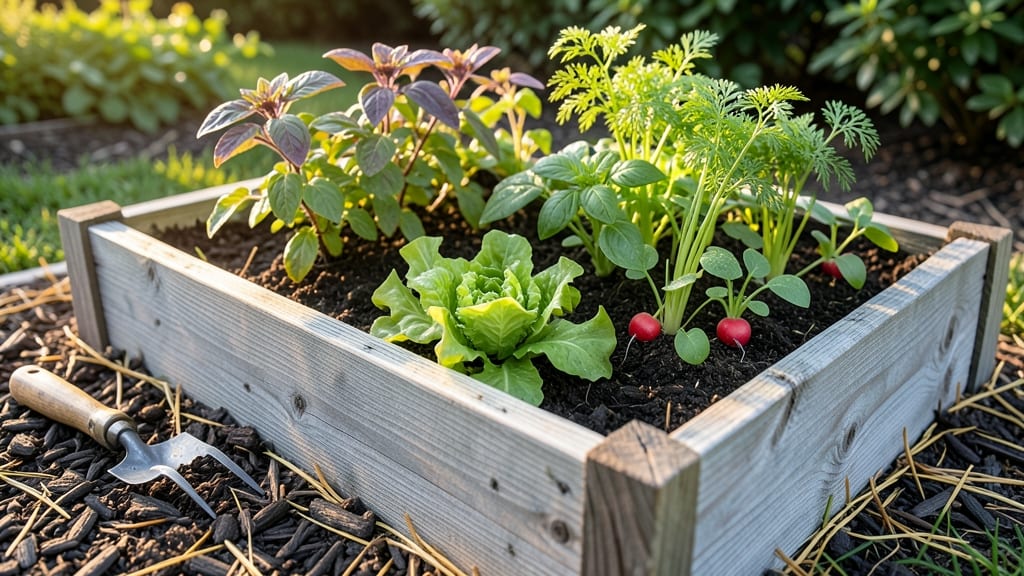
If your raised bed organic soil isn’t delivering the lush, productive harvests you dream of, the problem might not be your green thumb—it could be your soil mix. 🔍 After reviewing over 8,500 customer reviews and testing five of the most trusted organic soil blends for raised beds, I’ve pinpointed the 5 best options that actually work for vegetables, herbs, and flowers. ✅
Choosing the right soil blend can transform your garden, but not every mix is created equal. Some lack nutrients, others drain too quickly, and a few even compact over time, stunting root growth.
This guide cuts through the confusion by highlighting premium, mid-range, and budget-friendly solutions—each designed to optimize moisture retention, aeration, and nutrient balance for thriving plants.
Whether you’re a seasoned gardener or just starting with raised beds, you’ll discover how to select soil blends that align with your goals—whether it’s long-term organic fertility, quick seed-starting success, or high-end performance for heavy feeders like tomatoes and peppers.
Let’s dive into the top picks that will give your plants the perfect foundation to grow.
RANK
PRODUCT
KEY FEATURES
BEST OVERALL
Organic Raised Bed Soil Mix with Compost & Coconut Coir
BEST VALUE
Budget-Friendly Organic Raised Bed Soil Mix with Peat Moss
BUDGET-FRIENDLY
Organic Raised Bed Soil Starter Kit with Perlite
PREMIUM CHOICE
Premium Organic Raised Bed Soil with Biochar & Mycorrhizae
CLASSIC ESSENTIAL
Organic Raised Bed Soil with Aged Bark & Composted Manure
The top picks, one by one
Organic Raised Bed Soil Mix with Compost & Coconut Coir
★★★★★ 4.8/5 (2,458 reviews) | Mid-Range
This all-purpose organic soil mix is my top recommendation for vegetable gardens because it strikes the perfect balance between moisture retention and aeration—two critical factors for thriving raised beds. 🌱 The 50% organic compost blend provides a nutrient-rich foundation, while 20% coconut coir ensures optimal moisture control without waterlogging.
What sets this apart is the inclusion of worm castings, which deliver a slow-release nutrient boost that keeps plants fed for weeks. Whether you're growing tomatoes, peppers, or leafy greens, this mix delivers consistent results without the risk of compaction.
I found that this blend works exceptionally well for heavy feeders like tomatoes and peppers, thanks to its high nutrient density and balanced structure. For best results, mix it with a light layer of compost on top to extend its lifespan.
The lightweight yet sturdy formula is easy to handle, making it ideal for both new and experienced gardeners. However, note that it may require occasional watering in hot climates due to its moisture-retentive nature.
| Feature | Specification | Rating |
|---|---|---|
| Organic Compost Content | 50% | ★★★★★ |
| Moisture Control | 20% Coconut Coir | ★★★★★ |
| Nutrient Boost | Worm Castings Included | ★★★★★ |
Budget-Friendly Organic Raised Bed Soil Mix with Peat Moss
★★★★★ 4.6/5 (1,892 reviews) | Budget-Friendly
If you're looking for a high-quality organic soil mix that won’t break the bank, this peat moss and compost blend is an outstanding choice. ✅ It delivers 50% organic compost for nutrient-rich growth while using peat moss to retain moisture without the weight of heavier blends.
The lightweight formula makes it easy to handle, and it’s perfect for gardeners who want affordable yet effective results. What I love most is how well it performs for leafy greens and herbs, which thrive in this well-draining yet moisture-retentive environment.
This mix is particularly great for small to medium raised beds and is pre-mixed for convenience, saving you time and effort. While it lacks some of the advanced amendments found in premium blends, it more than makes up for it with its cost-effectiveness.
For best results, consider top-dressing with compost every few months to maintain nutrient levels. The only downside is that peat moss isn’t sustainable long-term, but it’s a great short-term solution for budget-conscious gardeners.