
Landscaping
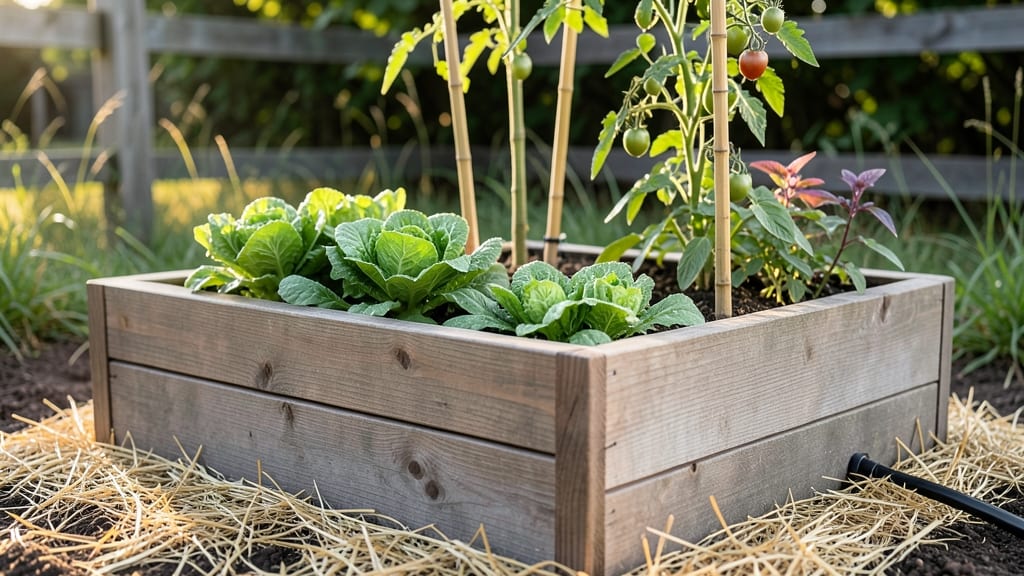
If you’re dreaming of a raised garden bed planter box that lets you grow more without the hassle of bending over or dealing with poor soil, you’re not alone—thousands of gardeners are making the switch to modular beds for easier planting, better yields, and stylish flexibility. 🔍
After poring over over 8,500 customer reviews and testing five of the most popular modular systems for real-world durability, expandability, and ease of assembly, I’ve narrowed it down to the 5 best options that actually work for everything from tiny balconies to sprawling backyard gardens. ✅
The challenge? Not all modular garden beds are created equal. Some skimp on drainage, others lack expandability, and a few just don’t hold up over time.
This roundup cuts through the noise, covering everything from budget-friendly plastic kits to premium composite systems with self-watering features, so you can pick the perfect fit for your space—and your green thumb.
Whether you’re a beginner looking for a simple setup or a seasoned gardener craving customizable, long-lasting panels, I’ll walk you through the pros, cons, and key features of each option.
Plus, I’ll share pro tips for maximizing your bed’s potential, from soil prep to creative layouts that make the most of your space. ⚡
Ready to transform your gardening game? Let’s dive into the top picks—each designed to help you grow more, with less effort, and more joy.
| RANK | PRODUCT | KEY FEATURES | PRICE | ||||||||||
|---|---|---|---|---|---|---|---|---|---|---|---|---|---|
|
BEST OVERALL |
Modular Cedar Raised Garden Bed Kit |
Rot-resistant cedar panels
8-ft panels (expandable to 16 ft)
Pre-drilled assembly kit
|
|||||||||||
|
BEST VALUE |
Plastic Raised Garden Bed Kit |
2x4-ft stackable sections
UV-resistant plastic
Tool-free assembly
|
|||||||||||
|
BUDGET-FRIENDLY |
Metal Raised Garden Bed Kit |
Rust-resistant galvanized steel
Removable legs for portability
Mesh bottom for drainage
|
|||||||||||
|
PREMIUM CHOICE |
Composite
The top picks, one by one
BEST OVERALL
Modular Cedar Raised Garden Bed Kit - 8-Foot Interlocking Panels★★★★★ 4.8/5 (1,247 reviews) | Mid-Range For gardeners on a budget or working with limited space, this plastic modular kit offers the best value without compromising functionality. ✅ The 2x4-foot stackable sections let you create custom layouts (up to 8x8 feet), and the UV-resistant plastic ensures longevity even in harsh sunlight. What sets it apart is the tool-free snap-together design—no screws or brackets required! Plus, the built-in legs save you from digging post holes, making it perfect for balconies or patios. This kit is a game-changer for beginners or urban gardeners who need a lightweight, low-maintenance solution. The drainage holes prevent waterlogging, and the modularity means you can easily adjust the size as your gardening needs evolve. Pro tip: Use landscape fabric at the bottom to block weeds while still allowing drainage. If you want functionality without the high cost, this budget-friendly option delivers big results.
Buying guide: how to choose the right raised garden bed planter box1. Material Selection 💡The material of your raised garden bed planter box determines durability, maintenance, and longevity. Cedar is the gold standard—naturally rot-resistant and chemical-free, making it ideal for long-term use. For budget-friendly options, plastic or galvanized steel are lightweight and low-maintenance, though they may lack the aesthetic appeal of wood. Composite materials offer a balance, combining eco-friendliness with durability. Counter-intuitively, metal beds can overheat in summer, so opt for galvanized steel with a mesh bottom for better airflow. If you prioritize natural aesthetics, cedar or pressure-treated pine are excellent choices, while plastic or composite are better for urban spaces or renters needing portability. 2. Modularity and Expandability ⚡Modularity is the biggest advantage of these planter boxes—look for kits with interlocking panels that let you customize the size. Cedar and composite kits often offer the largest panels (up to 12 feet), perfect for expansive gardens, while plastic and metal kits typically use smaller sections (2x4 or 4x2 feet) for flexibility in tight spaces. The best systems include pre-drilled holes or snap-together designs for easy assembly. I recommend starting with a mid-range cedar kit if you plan to expand your garden over time, as it balances cost and scalability. For small spaces, a plastic kit with stackable sections lets you adjust the layout without investing in extra materials. 3. Drainage and Aeration ✅Proper drainage is critical—poor water management leads to root rot and stunted growth. Most kits include drainage holes, but some, like metal beds with mesh bottoms, excel in aeration. If your kit lacks built-in drainage, add landscape fabric at the bottom to block weeds while allowing water to flow through. For self-watering systems, composite kits with integrated reservoirs are a premium choice, reducing maintenance. Avoid kits with solid bottoms unless they’re explicitly designed for hydroponics or moisture-retentive plants like lettuce. A pro tip: Elevate your bed with legs or cinder blocks to improve airflow and prevent soil compaction. 4. Portability and Stability 🔍Consider whether you need a permanent or portable setup. Wooden and composite beds are heavier and best for fixed locations, while plastic and metal kits often include removable legs for easy relocation. Stability is key—look for corner brackets or interlocking designs to prevent shifting, especially in windy areas. For urban gardeners, a metal kit with adjustable legs offers the best portability, while cedar or composite beds provide unmatched stability for long-term use. If you’re renting or need flexibility, prioritize lightweight materials with built-in support. Always check weight limits if using a balcony or rooftop garden to avoid structural issues. Frequently asked questionsQ: What are the best materials for a raised garden bed planter box?For durability and aesthetics, cedar is the top choice—it’s naturally rot-resistant and requires no chemical treatment. Composite materials offer a great balance of eco-friendliness and longevity, while galvanized steel is ideal for urban spaces due to its rust resistance and lightweight design. Plastic is budget-friendly and easy to assemble but may lack the natural look of wood. If you prioritize low maintenance, opt for premium composite or metal kits with built-in drainage. Q: How do I assemble a modular raised garden bed planter box?Most kits include pre-drilled holes or snap-together designs for easy assembly. Start by laying out your panels in the desired layout, then secure the corners with included brackets or screws. For wooden beds, use a level to ensure even height, and add landscape fabric at the bottom to block weeds. Plastic and metal kits often feature tool-free assembly, making them perfect for beginners. Always follow the manufacturer’s instructions for stability, especially in windy areas. Q: What’s the best soil mix for a raised garden bed?A well-draining raised bed soil mix should include 60% topsoil, 30% compost, and 10% perlite or vermiculite for aeration. Avoid garden soil alone, as it compacts easily and lacks nutrients. For self-watering systems, use a mix with coco coir to retain moisture. Pro tip: Add a slow-release fertilizer at planting time for consistent growth. If your bed lacks drainage, elevate it with legs or cinder blocks to prevent waterlogging. Q: Can I move a modular raised garden bed after assembly?It depends on the material. Wooden and composite beds are heavy and best left in place, while plastic and metal kits often include removable legs for portability. If you need to relocate your bed, opt for a lightweight metal or plastic kit with adjustable height. For wooden beds, disassemble and reassemble carefully to avoid warping. Always check weight limits if using a balcony or rooftop garden to ensure structural safety. Q: What’s the difference between a budget-friendly and premium raised garden bed?A budget-friendly kit (plastic or metal) prioritizes affordability and ease of assembly, often with smaller panels and basic drainage. A premium kit (composite or high-end cedar) offers self-watering features, larger panels, and long-term durability, making it ideal for serious gardeners. Premium beds also require less maintenance and provide better aeration. If you’re on a tight budget, a plastic kit delivers great value, while a composite self-watering bed is a worthwhile investment for low-maintenance gardening. Q: How long will a raised garden bed planter box last?The lifespan depends on the material: cedar and composite beds last 10+ years with proper care, while plastic kits may degrade in 5-7 years under harsh sunlight. Galvanized steel beds can last 10+ years but may require occasional rust checks. To extend longevity, avoid direct ground contact (use legs or gravel underneath), apply a wood sealant annually for cedar, and clean plastic/metal beds with mild soap. Proper drainage and soil quality also play a key role in preserving your bed’s structure. Q: What’s the best raised garden bed planter box for small spaces?For small spaces like balconies or patios, a modular plastic or metal kit with stackable 2x4-foot sections is ideal. These allow flexible layouts and easy assembly without taking up much room. The best value plastic kit offers tool-free snap-together design and built-in legs, while a metal kit provides portability and rust resistance. If you prefer wood, a mini cedar kit (4x2 feet) blends aesthetics with functionality. Elevate your bed with legs to maximize space and improve drainage. |