
Container Gardens
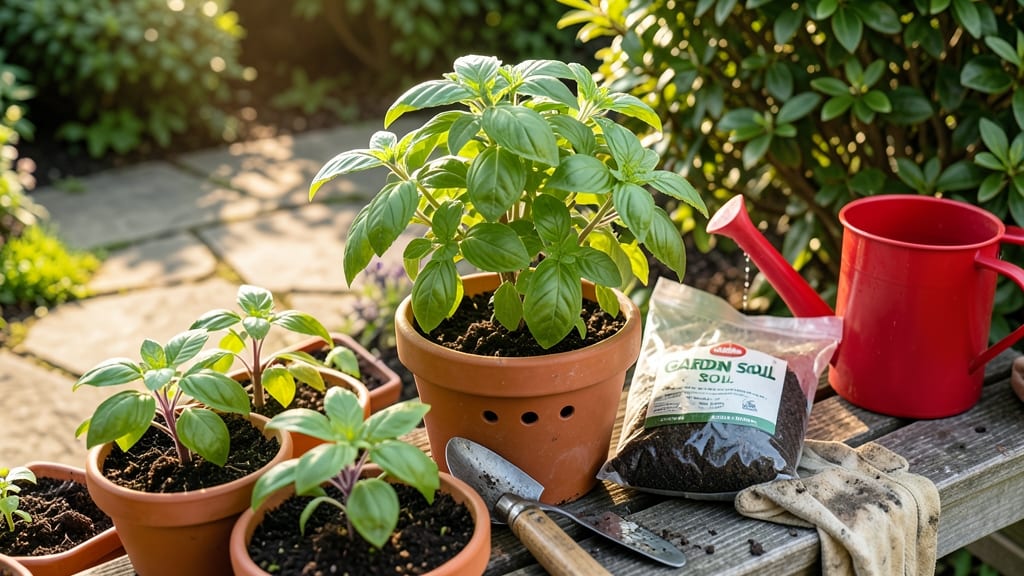
You can use raised bed soil in pots, but only after verifying drainage, nutrient density, and compatibility with potted plants to prevent root suffocation or nutrient depletion.
Raised bed soil often contains heavier clay or silt that compacts easily in containers, cutting off oxygen to roots. 🌱 The key issue is moisture retention—potted plants dry out faster than in-ground beds, so soil must balance water retention with aeration.
For example, adding 20-30% perlite or coarse sand can transform dense garden soil into a breathable mix. Always test your soil first: a simple squeeze should leave it crumbly, not sticky.
Nutrient levels also shift when repurposing soil. Raised beds often have higher organic matter from compost, but pots lose nutrients faster due to leaching. Mix in worm castings or balanced fertilizer before planting, and consider slow-release options like osmocote granules.
Herbs like basil thrive in this adjusted mix, while succulents need even more gritty amendments to prevent rot.
💡 In This Article
- Why Raised Bed Soil Needs Adjustments for Container Gardening
- How to Modify Raised Bed Soil for Successful Potted Plants
Why raised bed soil needs adjustments for container gardening
Raised bed soil often contains higher clay or silt content that creates a dense, compacted structure when confined to pots. This texture reduces pore space—critical for oxygen exchange—causing roots to suffocate. In containers, roots grow in a 360-degree confined space, accelerating compaction as soil dries and shrinks.
For example, a 5-gallon pot can develop 50% less aeration than the same soil in a raised bed due to side wall pressure.
The moisture retention difference is dramatic too. Raised beds benefit from capillary action in surrounding soil, while pots dry out 3-5 times faster due to exposed surfaces. This creates a cycle where soil stays too wet at the bottom (risking rot) while the top layer dries out.
Plants like tomatoes, which need consistent moisture, will struggle without adjustments. The solution? Amending with 20-30% perlite or coarse sand creates air pockets that mimic natural soil structure.
Nutrient availability shifts dramatically in containers. Raised beds have a larger volume to buffer leaching, but pots lose nutrients 2-3 times faster through watering. Organic matter breaks down quicker in confined spaces due to higher microbial activity, depleting nitrogen and phosphorus.
For instance, a 10% compost addition to raised bed soil may only last 2 months in pots, requiring supplemental worm castings or slow-release granules.
Root systems also behave differently. In raised beds, roots spread horizontally, but in pots they grow in a circular pattern, increasing competition for nutrients. This is why container plants often show stunted growth despite adequate watering.
The fix? Mixing in 10-15% coconut coir improves water retention while maintaining aeration, creating a buffer against nutrient depletion.
Consider the pH shift too. Raised bed soil often has a stable pH due to surrounding earth, but potted soil can become 1-2 points more acidic over time from organic breakdown. For example, blueberries (which need pH 4.5-5.5) will suffer in unadjusted raised bed soil repurposed to pots.
Testing with a simple pH meter and adding dolomitic lime if needed prevents nutrient lockout.
Finally, the texture contrast matters. Raised bed soil often feels loamy and moist to the touch, while potted soil needs to be crumbly and slightly gritty. The "squeeze test" reveals this: if soil clumps when pressed, it's too dense for containers.
Adjusting the mix creates the ideal 40-60% pore space that container roots crave for oxygen and drainage.