
Landscaping
Tired of critters raiding your raised garden beds? These 10 fence ideas create secure, stylish barriers that protect your plants while adding privacy and curb appeal to your outdoor space.
Cedar Wood Privacy Fence Panels
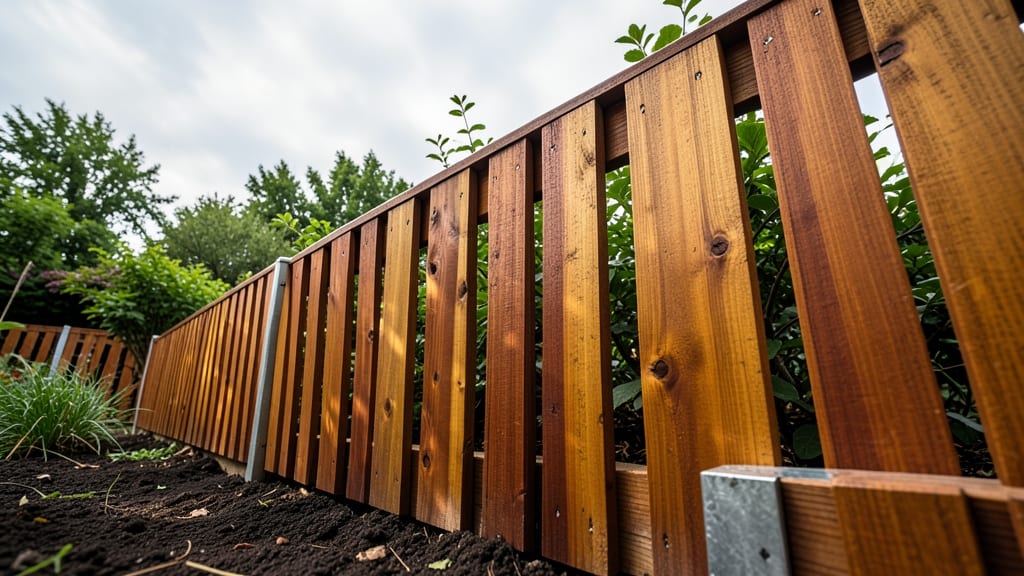
Want a fence that keeps deer and rabbits out while looking like part of your garden? Western red cedar is the answer—its natural oils repel pests while its rich, rustic color enhances any landscape.
Cedar’s natural rot resistance means it lasts decades without chemical treatments, and its tight-grain wood deters burrowing critters. For maximum protection, install panels at least 4 feet tall—high enough to block jumping rabbits while still allowing airflow. The wood’s aromatic scent even deters some insects, making it a multi-layered defense.
Perfect for gardeners who want a low-maintenance, long-term solution that blends with natural surroundings, cedar panels are especially ideal for cottage-style or woodland gardens. 🌿
Wrought Iron Vertical Slat Fencing
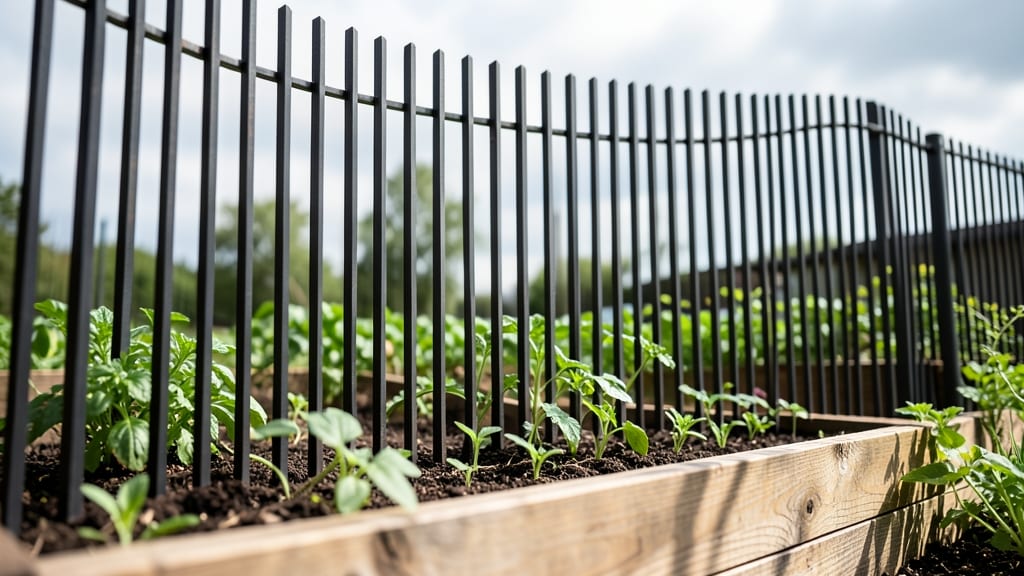
When urban gardening space is at a premium, wrought iron vertical slat fencing offers a sleek solution that keeps pests out without sacrificing sunlight or airflow. Unlike solid panels, its open design deters climbing pests like squirrels and raccoons while letting 6+ hours of sunlight reach your plants daily.
The durable metal construction resists rust and warping, making it ideal for city gardens where weather conditions vary. Install it around raised beds to create a modern, industrial-chic look that complements containers and small-space layouts. Choose powder-coated finishes to match your garden's aesthetic while ensuring long-term protection.
Perfect for urban gardeners who want both style and function, this fence keeps your plants thriving while adding curb appeal. 💡
Chicken Wire and Wood Frame
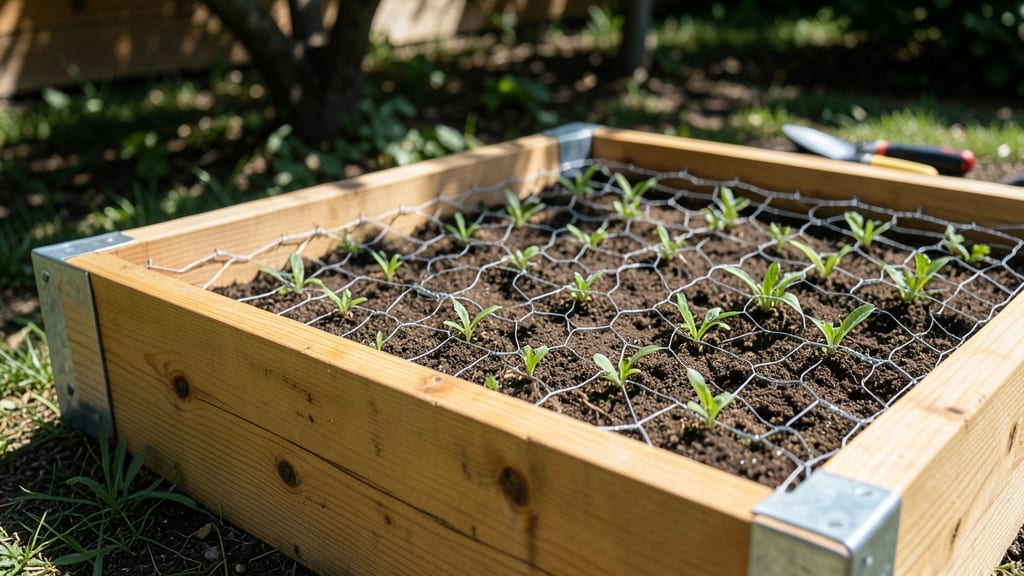
When you need a quick, affordable way to shield your raised beds from rabbits, voles, or curious insects without breaking the bank, a chicken wire and wood frame fence is your best friend. This DIY solution costs less than $20 for materials and can be installed in under an hour—perfect for renters or gardeners who prefer flexibility over permanence.
Start by constructing a simple frame using 2x4 lumber (cut to your bed’s dimensions) and staple hardware cloth or heavy-duty chicken wire (1/2-inch mesh) to the inside. Bury the bottom edge 6 inches deep or weigh it down with bricks to prevent digging pests from sneaking in. For extra durability, line the wire with burlap to deter chewing insects while still allowing airflow and sunlight.
This setup is ideal for seasonal gardens or small spaces where permanent fencing isn’t practical. When the wire wears out (usually after 1–2 years), simply swap it out—no need to replace the entire frame. 🌱
Bamboo Privacy Screens
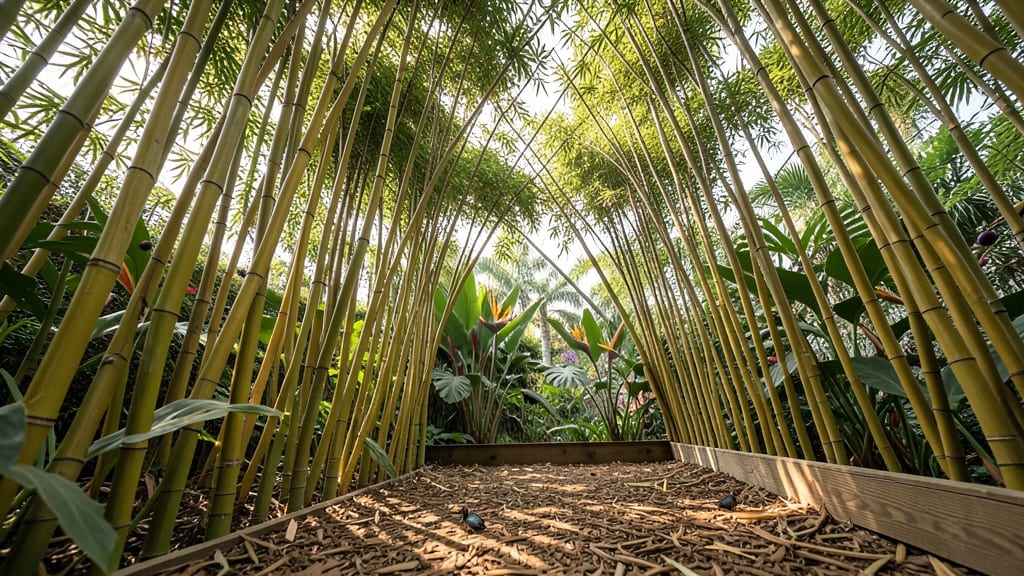
Transform your raised garden bed into a lush, tropical retreat with bamboo privacy screens—a fast-growing, eco-friendly solution that doubles as a natural pest barrier. Unlike rigid fences, bamboo's flexible stalks create a living windbreak that deters deer, rabbits, and even flying insects while filtering sunlight beautifully.
For warm climates, clumping bamboo (like Moso bamboo) grows 3-4 feet per year, reaching heights of 10-15 feet with minimal care. Plant screens in a staggered pattern around your bed, spacing stalks 12-18 inches apart for airflow. The dense foliage also blocks wind and reduces soil erosion, while the natural green tones enhance your garden's ambiance.
This option is perfect for gardeners who want a low-maintenance, sustainable solution that blends seamlessly with tropical or Japanese-inspired landscapes. 🌿
Vinyl Coated Chain Link Fence
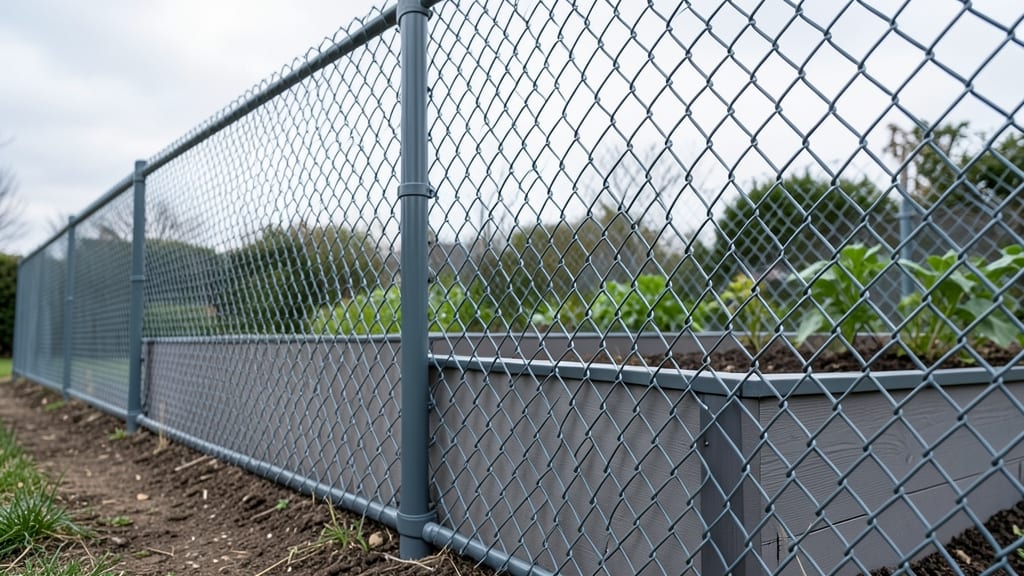
If you're tired of replacing rotting wood or dealing with rusty metal fences, a vinyl-coated chain link fence offers the ultimate low-maintenance solution for your raised garden beds. This durable material combines the strength of chain link with a protective vinyl coating that resists weather damage, UV rays, and corrosion, ensuring your fence stays looking pristine for years.
Unlike traditional chain link, the vinyl coating adds a sleek, modern look while maintaining the fence's pet-proof and pest-deterrent properties. The smooth surface prevents critters from climbing or chewing through, making it ideal for protecting against rabbits, squirrels, and even curious dogs. Plus, the vinyl won't warp or splinter like wood, so you won't have to worry about replacing sections every few years.
This fence is perfect for gardeners with large spaces who want a long-term, hassle-free solution. It’s especially great for those with active pets or in areas with harsh weather conditions. 💪
Living Hedge Fence with Thorny Plants
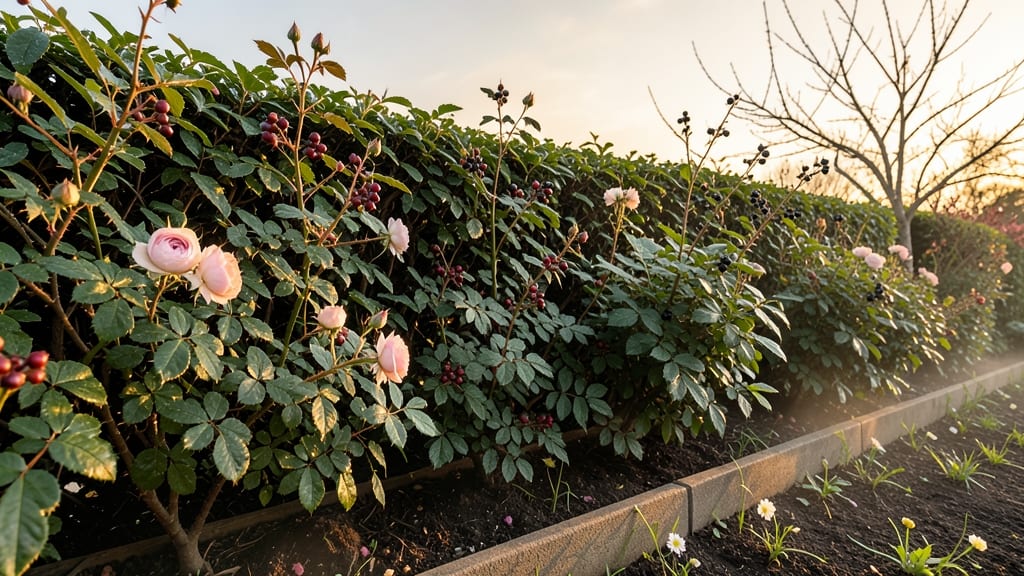
Skip the harsh chemicals and opt for nature’s own pest deterrent—a living hedge fence made from thorny roses or berberis. This isn’t just a fence; it’s a beautiful, functional border that keeps rabbits, deer, and even curious cats at bay while adding year-round interest to your garden.
Plant thorny roses like Rosa rugosa or berberis varieties such as Berberis thunbergii in a double row around your raised bed. Their sharp thorns create a natural barrier, while their vibrant blooms and berries add seasonal color. For best results, space plants 18–24 inches apart and prune annually to maintain density. This method works especially well for organic gardeners who prefer chemical-free solutions.
Perfect for cottage gardens or rustic landscapes, this approach also improves soil health over time. Plus, it’s a low-maintenance way to deter pests while enhancing your garden’s beauty. 🌷
Corrugated Metal Roofing Panels
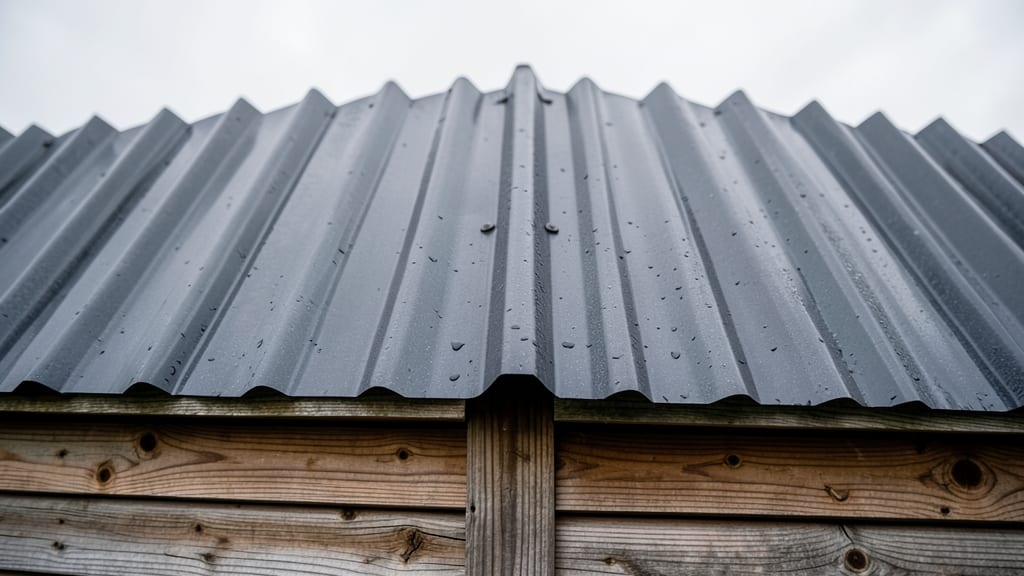
Want a pest-proof fence that screams modern farmhouse charm while standing up to wind, rain, and critters? Corrugated metal roofing panels transform your raised bed into an impenetrable fortress without sacrificing style. Their sharp edges and reflective surfaces deter everything from rabbits to raccoons, making them ideal for urban homesteads or rural gardens alike.
These panels are surprisingly easy to install—just attach them vertically to sturdy wooden posts or your raised bed frame using heavy-duty screws. The weather-resistant material won’t rot, rust, or warp over time, and you can paint them to match your garden’s aesthetic. For extra security, overlap panels slightly or add a wire mesh backing to block determined diggers. They’re also lightweight enough for DIYers to handle solo.
Perfect for gardeners who love industrial-meets-rustic vibes, these panels offer year-round protection with minimal upkeep. No more lost harvests to deer or rabbits—just sturdy, stylish defense that lasts. ✨
PVC Pipe and Wire Mesh Grid
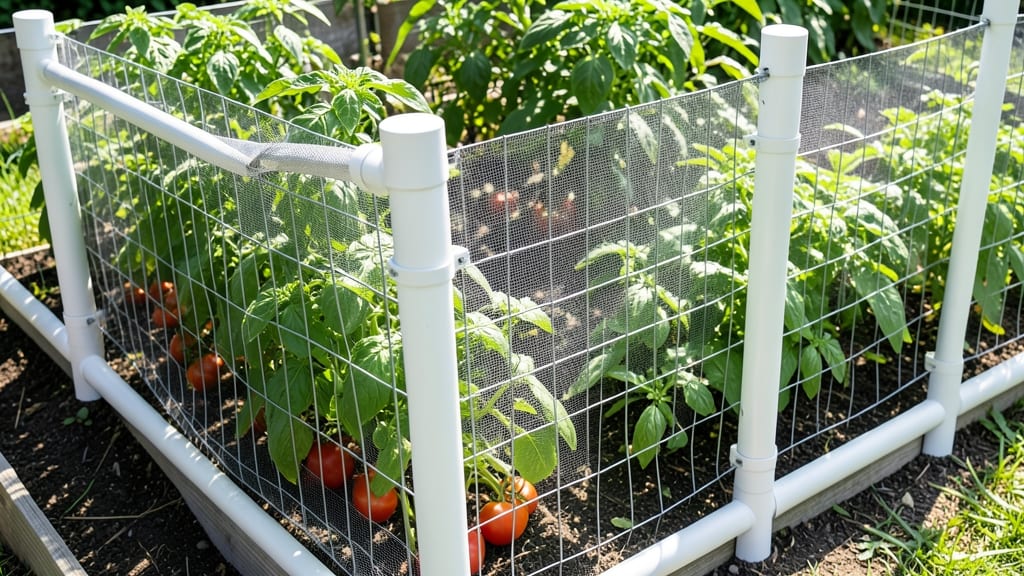
Struggling with flying pests like aphids or whiteflies ruining your vegetable harvest? A PVC pipe and wire mesh grid creates a breathable, customizable barrier that keeps insects out while letting sunlight and air flow freely to your plants.
This modular system uses 4-inch PVC pipes arranged in a grid pattern, wrapped with fine wire mesh (like hardware cloth) to block pests while maintaining airflow. You can adjust the grid spacing based on your plants' needs—tighter weave for delicate greens and wider spacing for taller veggies. The pipes are lightweight, easy to assemble, and can be painted to match your garden aesthetic.
Perfect for urban gardeners or those with limited space, this solution is also budget-friendly and reusable for years. It’s especially great for leafy greens, herbs, and young seedlings that need protection without sacrificing sunlight. 🌿
Hemp Twine and Wooden Stakes Barrier
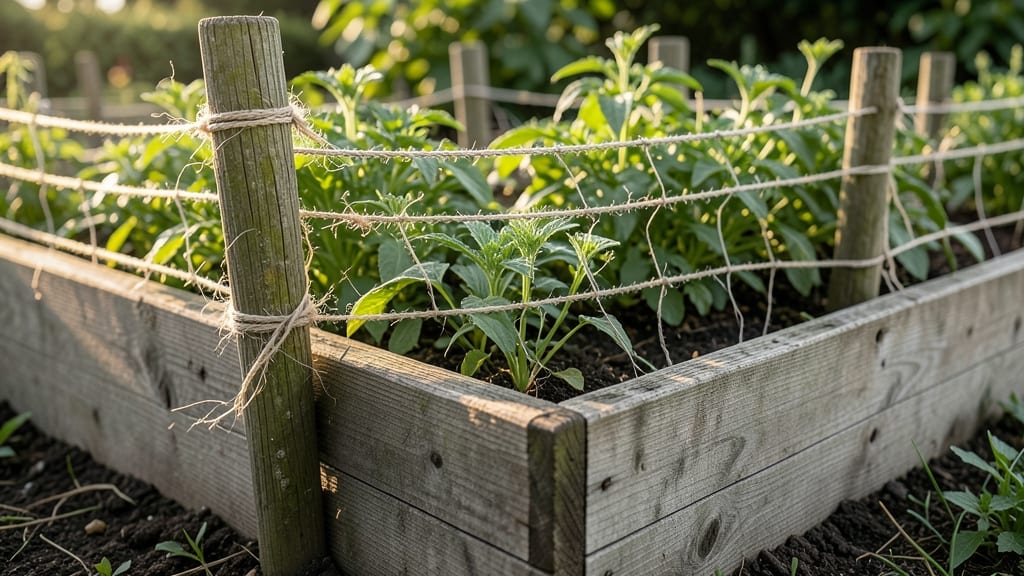
Looking for a fence that won’t leave a trace when it’s time to move on? A hemp twine and wooden stakes barrier offers a 100% biodegradable solution that’s perfect for renters, seasonal gardeners, or anyone who wants to protect their plants without harming the planet. Unlike plastic or metal fences, this natural option breaks down harmlessly at the end of its life—often just a single growing season.
Start by driving untreated wooden stakes (like cedar or bamboo) into the ground at 12-inch intervals around your raised bed. Then, wrap hemp twine tightly between stakes, creating a temporary physical barrier that deters small pests like rabbits, voles, and even determined insects. For extra durability, add a second layer of twine or reinforce corners with additional stakes. This method allows full airflow and sunlight while still keeping critters out—ideal for leafy greens or delicate seedlings.
This eco-conscious choice is perfect for small-scale gardeners, permaculture enthusiasts, or anyone practicing zero-waste gardening. Plus, the rustic aesthetic blends seamlessly with organic garden designs. 🌱
Decorative Trellis with Climbing Plants

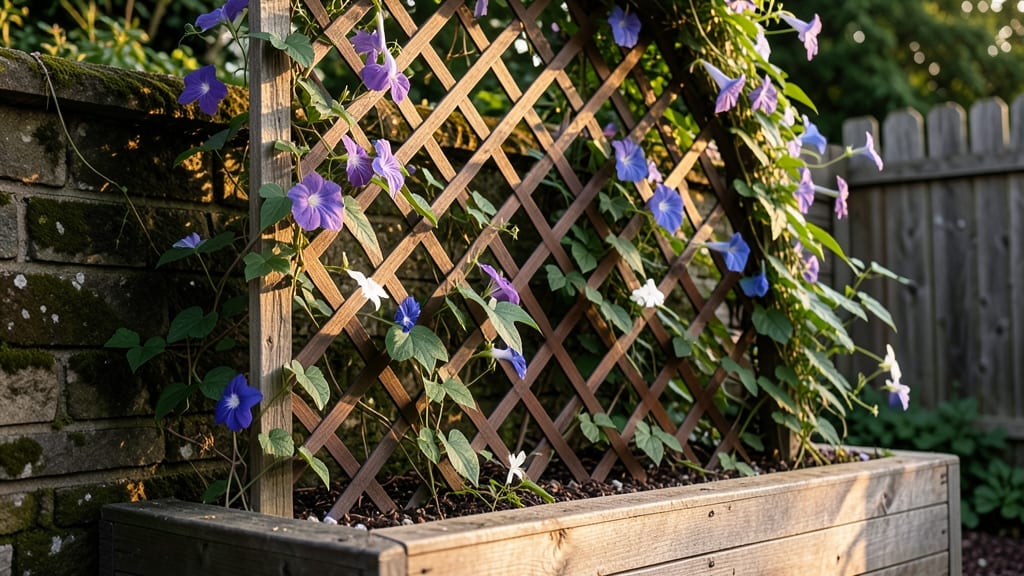
Turn your raised garden bed into a vertical oasis with a decorative trellis that doubles as a pest-deterring fence. Unlike traditional barriers, this approach combines climbing plants like clematis, morning glories, or passionflowers with sturdy latticework to create a living shield against rabbits, deer, and even ground-dwelling insects.
Install a 3-4 foot tall trellis around your bed using cedar or metal lattice panels for durability. Choose fast-growing climbers that spread quickly to fill gaps, creating a dense barrier by midsummer. The trellis’s vertical structure also elevates plants away from slugs and snails while adding seasonal blooms and fragrance to your garden.
This solution is perfect for small urban gardens or cottage-style plots where space is limited but you want both beauty and function. The trellis transforms your fence into a multi-seasonal feature, offering year-round interest while keeping pests at bay. 🌻