
Companion Plants
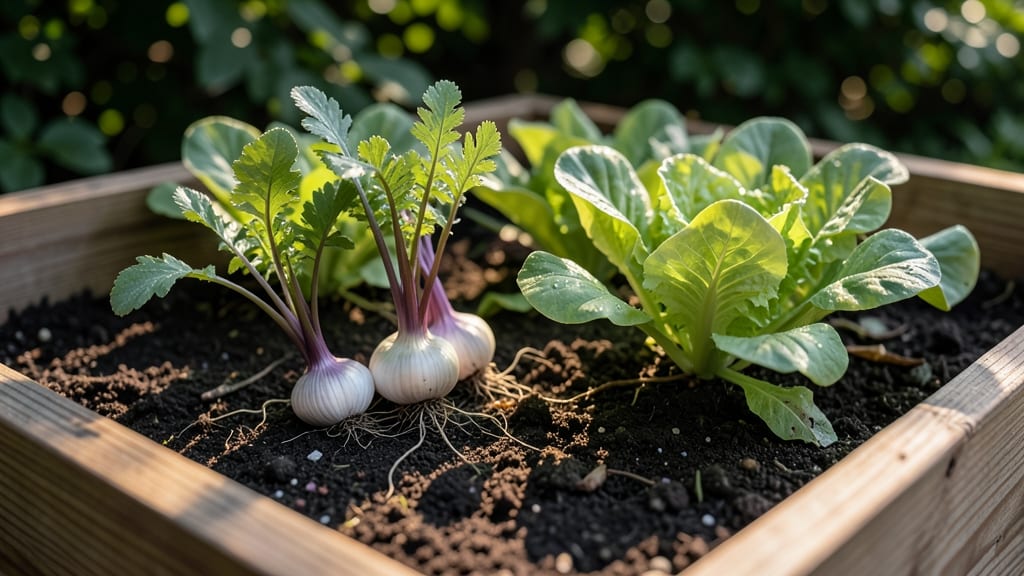
Shady gardens don’t have to mean low yields. These 10 raised bed companion planting layouts leverage shade-tolerant vegetables and beneficial pairings to create productive, space-efficient gardens even in low-light conditions.
Leafy Greens and Radish Trio Layout
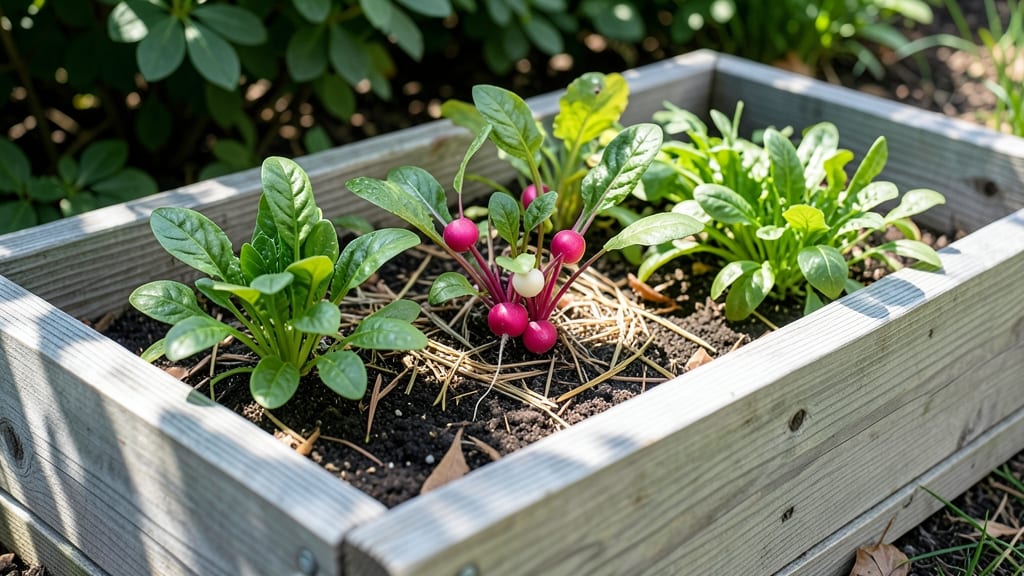
If you're new to gardening and want a foolproof layout that thrives in partial shade, this trio of leafy greens and radishes delivers fast results with minimal effort. The secret? Radishes grow in just 25-30 days, outpacing pests before they become a problem, while their roots loosen the soil for deeper-rooted greens like kale and spinach.
Start by planting radishes along the edges of your raised bed—their quick growth creates a natural barrier against insects like flea beetles. Tuck spinach and kale in the center, spacing them 6-8 inches apart to allow room for their broad leaves. This setup not only maximizes space but also ensures your greens get the nutrients they crave, thanks to the radishes' soil-improving roots.
Perfect for beginners or urban gardeners with limited sun, this layout gives you a nutrient-packed harvest without the fuss. Plus, the radishes' vibrant colors add a pop of cheer to your garden bed. 🌱
Herb and Lettuce Shade Tower Design
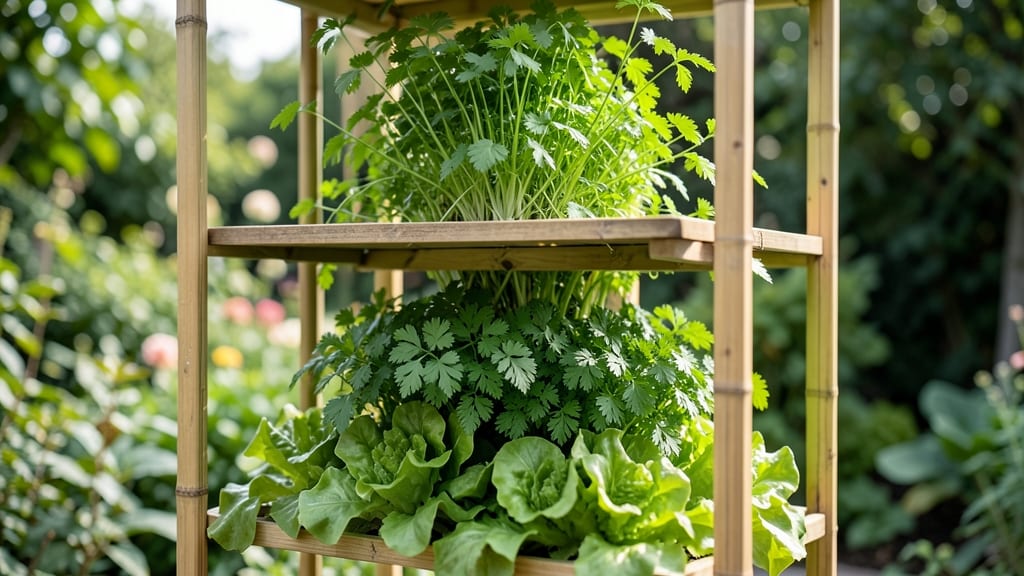
Small gardens crave vertical solutions, and this herb and lettuce shade tower turns wasted space into a fragrant, pest-resistant harvest hub. By stacking cilantro, parsley, and loose-leaf lettuce on a simple trellis, you create a self-shading ecosystem where each plant supports the others—literally and figuratively.
Start with a rustic wooden trellis or repurposed lattice in your raised bed, training parsley and cilantro to climb while letting lettuce varieties spill between the gaps. Their shallow roots intertwine without competing, while the herbs' strong scents naturally deter cabbage moths that plague lettuce. For best results, plant slow-bolting lettuce (like 'Black Seeded Simpson') alongside flat-leaf parsley and calypso cilantro—all thrive in 4-6 hours of morning sun.
This design is perfect for urban balconies or shady backyards where space is limited but flavor isn’t. The vertical structure also makes harvesting easier, and you’ll enjoy fresh herbs year-round in many climates. 🌿
Potato and Carrot Underground Pairing

Tired of battling compacted soil and weeds in your raised beds? Potatoes and carrots are the dynamic duo that solves both problems—while delivering a double harvest. Their deep roots break up dense soil naturally, creating ideal growing conditions for each other.
Plant potatoes along the edges of your raised bed, where their vines can spill over, while tucking carrot seeds between rows. The potato foliage acts as a living mulch, blocking weeds before they sprout, while carrots thrive in the loose, aerated soil. For best results, choose early-maturing varieties like 'Yukon Gold' potatoes and 'Nantes' carrots, which pair well together.
This layout is perfect for gardeners with limited space or heavy clay soil. The underground harmony means less work for you—just watch your harvest grow! 🌱
Broccoli and Onion Pest-Repelling Duo
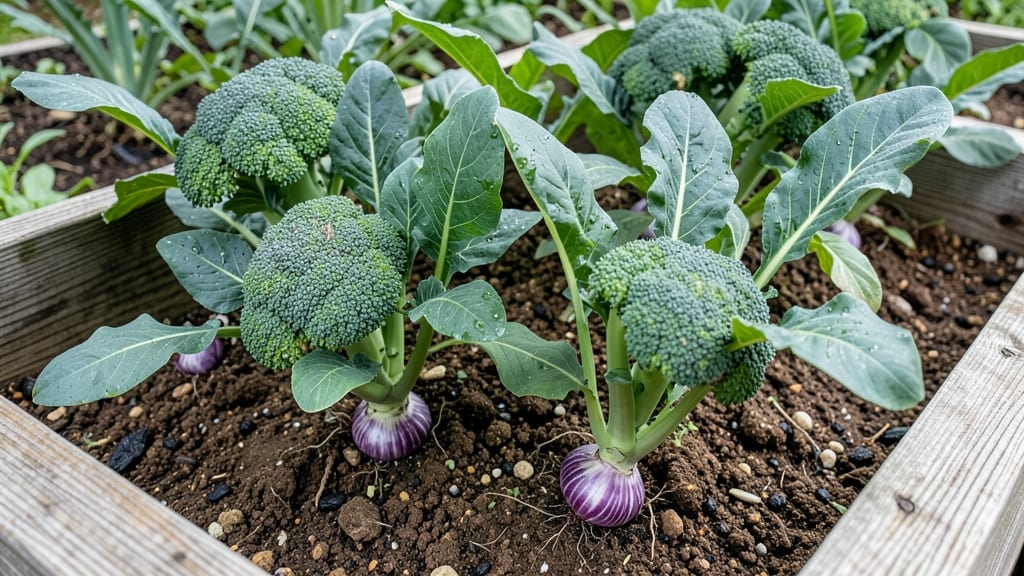
Tired of battling cabbage worms chewing your broccoli? This pest-repelling power duo combines onions' natural pest-deterring properties with broccoli’s shade-providing leaves, creating a self-sustaining microclimate that keeps both plants thriving while minimizing chemical interventions.
Plant onion sets or small bulbs around the perimeter of your broccoli plants, allowing their strong scent to waft through the bed and confuse cabbage worms. Meanwhile, broccoli’s broad leaves create a natural canopy that keeps onion bulbs cool and moist, preventing bolting. For best results, space onions 8-12 inches apart around the broccoli plants and water consistently—this pairing works especially well in partial shade conditions.
This layout is perfect for gardeners who want to reduce pesticide use while maximizing space efficiency. The combination also improves flavor—onions grown near broccoli develop a milder, sweeter taste from the shade protection. 🌱
Pea and Spinach Vertical Harmony
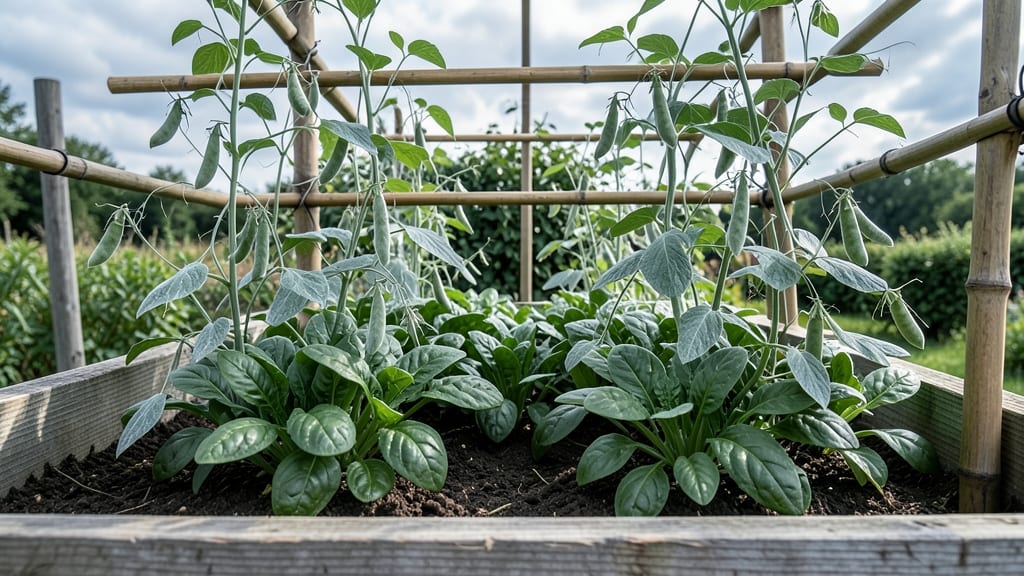
Cool, shady spots don’t have to mean sacrificing fresh peas and spinach—this dynamic duo thrives together by combining nature’s best features. Peas climb trellises while fixing nitrogen in the soil, while their lush vines create a perfect living shade canopy for heat-sensitive spinach below.
Plant sugar snap or shelling peas along one side of your raised bed with a trellis, then tuck spinach seedlings at the base. The vines will block harsh afternoon sun, keeping spinach cool and crisp, while the peas enrich the soil for both crops. This combo works beautifully in spring and fall, extending your harvest window by weeks.
Perfect for gardeners with limited sun or cool climates, this layout maximizes space and minimizes maintenance. Plus, kids love picking fresh peas while the spinach stays tender beneath. 🌱
Swiss Chard and Beet Root Symbiosis
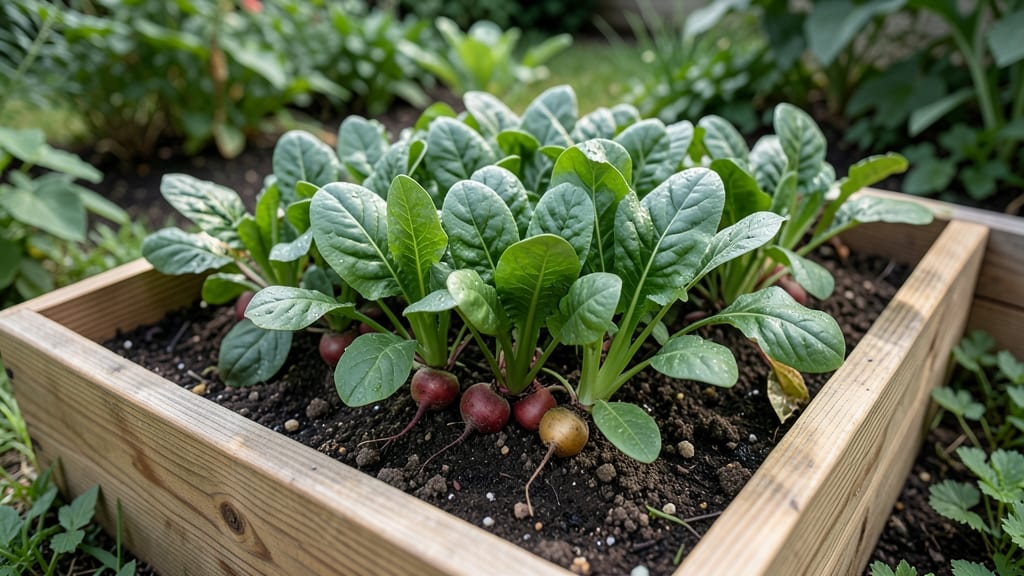
If your raised bed gets only a few hours of sunlight, don’t skip planting—Swiss chard and beet roots are a perfect duo for partial shade. Their natural partnership maximizes space while creating a cooler, more stable microclimate for both plants.
The broad leaves of Swiss chard act like a living umbrella, shielding beet roots from overheating in afternoon sun. Meanwhile, chard’s deep taproots access nutrients from lower soil layers, while beets’ shallower roots thrive near the surface. This dual-root system ensures neither plant competes for resources, and the chard’s dense foliage suppresses weeds naturally.
This pairing is ideal for urban gardeners with limited sun or containers—both plants mature quickly (50-60 days) and tolerate light shade. Plus, harvesting the beet greens first leaves room for the roots to expand. 🌱
Bush Bean and Strawberry Companion Bed
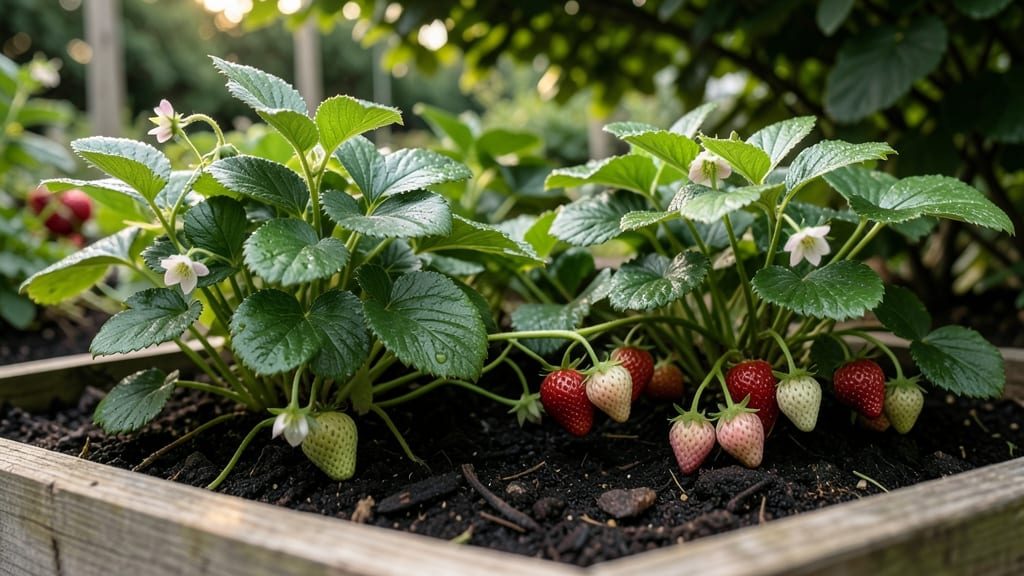
Turn your shady raised bed into a dual-purpose harvest zone with this dynamic duo: bush beans and strawberries. This pairing isn’t just about space efficiency—it’s a symbiotic relationship where beans work underground to feed strawberries while the strawberries act as natural shade, keeping bean roots cool and moist during those hot afternoons.
Plant strawberries along the edges of your raised bed, where their trailing runners can spill over slightly. Nestle bush beans in the center, spacing them about 6 inches apart in rows 18 inches apart. The beans will fix nitrogen in the soil, giving your strawberries a nutrient boost, while the strawberry foliage creates a living mulch that locks in moisture and keeps soil temperatures stable. This combo thrives in partial shade (3-6 hours of sun) and works especially well in containers or small spaces.
Perfect for gardeners who want year-round productivity—strawberries produce fruit in early summer, while beans follow with a late-summer harvest. Plus, the vertical growth of strawberries keeps the bed looking lush without taking up extra ground space. 🌻
Cucumber and Marigold Shade-Tolerant Pair
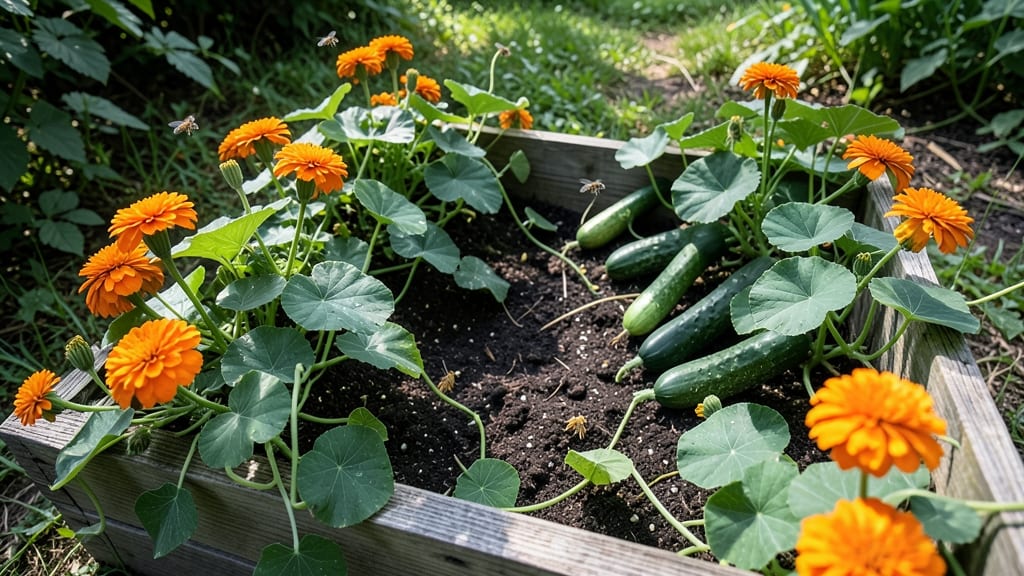
Turn your shady raised bed into a high-yield cucumber haven with this dynamic duo that works magic in partial shade. Marigolds aren’t just pretty—they act as nature’s pest control, repelling cucumber beetles while their bright blooms lure in pollinators like bees and hoverflies. This means more cucumbers and fewer problems, even when sunlight is limited.
Plant trailing cucumber varieties (like 'Straight Eight' or 'Marketmore') along the edges of your raised bed, letting their vines cascade over the sides. Tuck French marigolds (the most effective for pest control) between the cucumber plants, spacing them 12-18 inches apart. The marigolds’ deep roots also help break up compacted soil, giving cucumbers better access to nutrients. For shade tolerance, aim for 4-6 hours of morning sun—this combo thrives where other cucumber pairings might struggle.
This layout is a game-changer for gardeners with dappled shade or north-facing beds, delivering sweet, productive harvests without the fuss. The marigolds’ vibrant blooms also add a cheerful pop of color to your garden while keeping pests at bay. 🌻
Fennel and Dill Aromatic Shade Layout
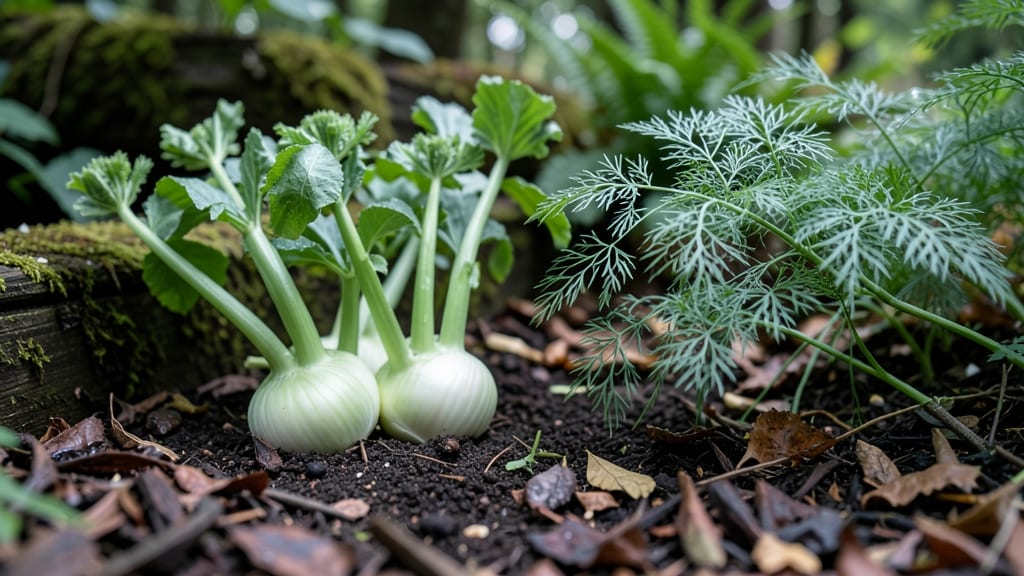
Transform your shady raised bed into a fragrant pest-control powerhouse with this fennel and dill duo—two aromatic herbs that work together to create a natural defense system. The bulbous base of fennel acts as a slug magnet, luring them away from your other plants, while dill’s feathery foliage becomes a magnet for beneficial insects like ladybugs and lacewings that devour aphids and other pests.
Plant fennel at the center of your bed, surrounded by dill in a loose circle—this arrangement maximizes their protective benefits while allowing both to access 4-6 hours of morning sun. Fennel’s tall, upright growth provides vertical interest, while dill’s bushy habit fills in gaps. For best results, harvest fennel leaves regularly to encourage bushier growth, and snip dill flowers before they go to seed to prolong the harvest season. This pairing thrives in partial shade and adds a sophisticated, culinary edge to your garden.
This layout is perfect for gardeners who want to reduce chemical pesticides while creating a low-maintenance, high-reward bed that doubles as a natural pest control system. The aromatic duo also repels deer and rabbits, making it ideal for rural or suburban gardens alike. 💚
Garlic and Lettuce Low-Light Duo

If your raised bed gets less than 6 hours of sun but you still crave fresh harvests, this garlic and lettuce duo delivers a flavorful, pest-resistant solution. The pungent aroma of garlic naturally deters aphids that plague lettuce, while its shallow roots leave plenty of room for leafy greens to spread—making this the perfect low-light powerhouse for shade gardens.
Plant garlic cloves in early spring, spacing them 4-6 inches apart, then tuck lettuce seedlings (like butterhead or romaine) between the rows. The garlic’s broad leaves will provide light shade for the lettuce in hot afternoons, while its natural pest-repelling properties keep your greens thriving. This pairing works especially well in containers or small raised beds, where space is limited but yields are high.
Ideal for urban gardeners or those with dappled shade, this layout gives you two harvests in one bed—garlic bulbs in late summer and continuous lettuce from spring to fall. It’s the ultimate low-maintenance, high-reward combo for shade lovers. 🌱