
Companion Plants
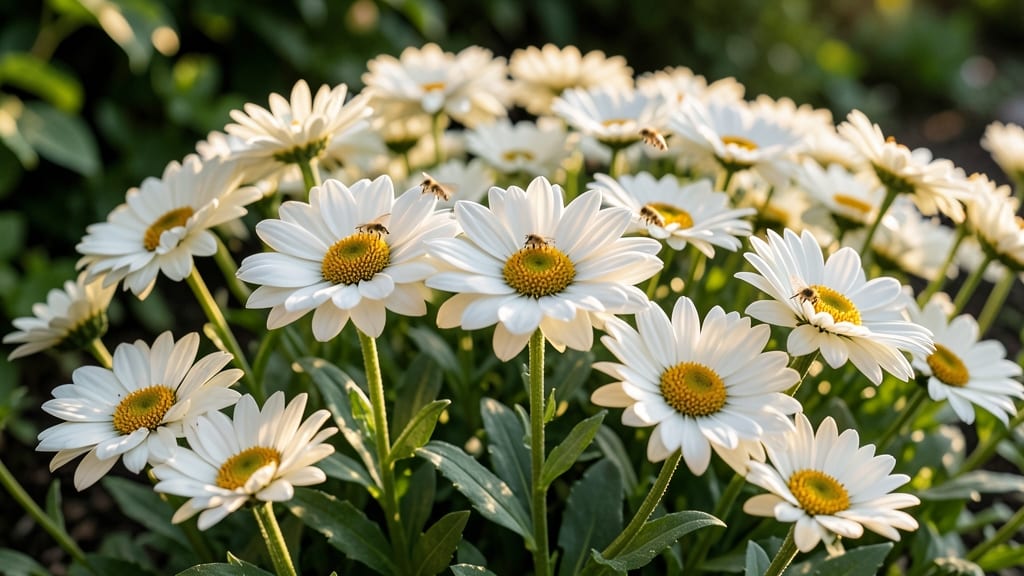
Creating a vibrant, low-maintenance flower bed requires the right plant combinations that bloom sequentially and support each other. These 10 all-season favorites offer stunning color, pest resistance, and year-round interest when paired strategically.
Coneflower Echinacea Purple Sunshine
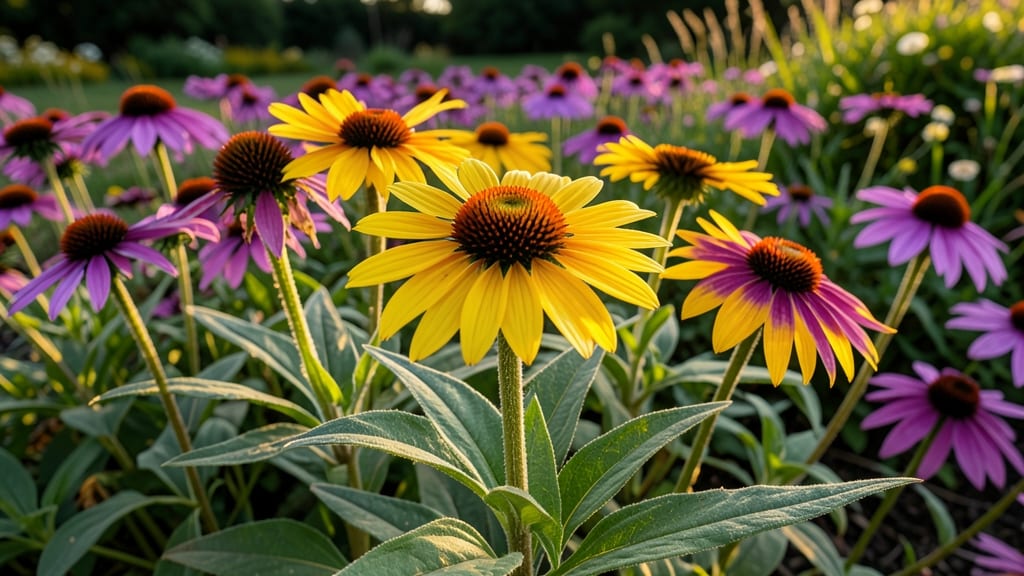
Looking for a drought-resistant perennial that adds a pop of color while keeping deer away? Echinacea 'Purple Sunshine' delivers golden-yellow blooms that stand out against traditional purple coneflowers, making it a standout choice for pollinator-friendly gardens.
This variety thrives in full sun to partial shade, tolerating dry spells once established, and blooms from mid-summer through fall. Its cheerful blooms attract bees, butterflies, and hummingbirds while its strong scent deters deer—perfect for problem areas. Plant in well-drained soil and deadhead spent blooms to encourage more flowers.
Ideal for beginner gardeners and eco-conscious landscapers, this coneflower brings low-maintenance beauty with high ecological benefits. 🌻
Black-Eyed Susan Rudbeckia Hirta
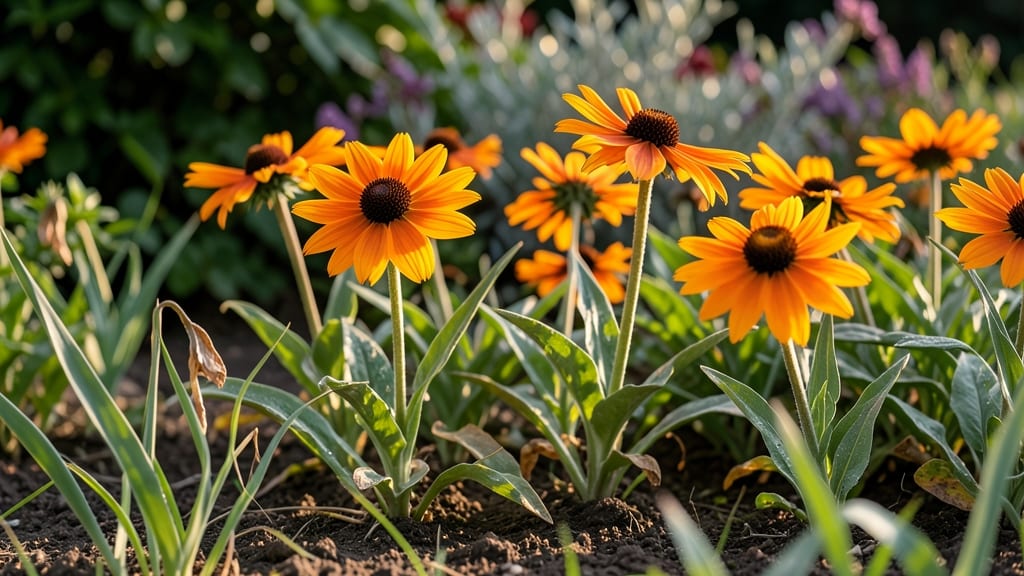
When your tulips fade in late spring, Black-Eyed Susan (Rudbeckia hirta) steps in to steal the show with its bright orange daisy-like blooms that thrive from August through frost. This hardy perennial is the secret weapon for extending seasonal color without gaps in your flower bed.
Plant them in full sun to partial shade and watch them self-seed for years of effortless blooms. Their drought-tolerant nature makes them perfect for low-maintenance gardens, while their cheerful faces attract bees and butterflies. Pair them with early spring tulips for a seamless transition from cool to warm hues.
Gardeners with busy schedules will love how Black-Eyed Susans require minimal care—just deadhead spent blooms to encourage more flowers. Their rustic charm also makes them ideal for cottage gardens or wildflower meadows. 🌻
Lavender English Lavandula Angustifolia
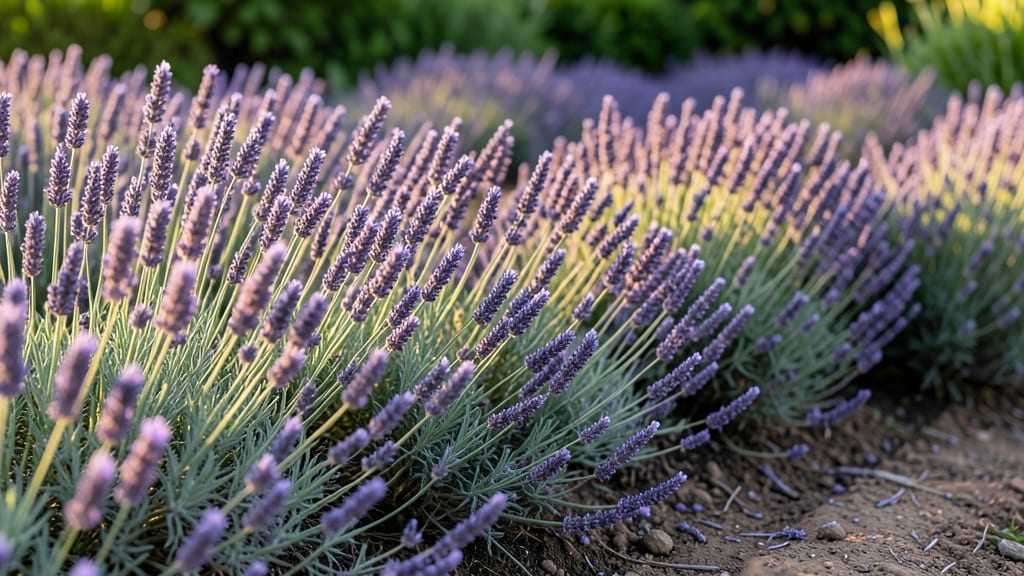
Tired of fighting pests in your garden while still wanting a fragrant, eye-catching plant? English lavender (Lavandula angustifolia) is the multi-purpose solution you’ve been searching for—its signature scent repels mosquitoes, aphids, and even deer, all while creating a dreamy purple haze that lasts all summer.
Thriving in full sun and well-drained soil, this drought-tolerant perennial blooms from mid-summer to early fall, making it perfect for sunny borders, container gardens, or even as a living edging. Prune lightly after flowering to encourage bushier growth, and harvest stems for sachets or culinary uses (like lavender shortbread!).
Urban gardeners and cottage-style enthusiasts will love how lavender adds texture and fragrance without demanding constant attention. Pair it with rosemary or thyme for a pest-repelling trio that’s as functional as it is beautiful. 💚
Russian Sage Perovskia Atriplicifolia
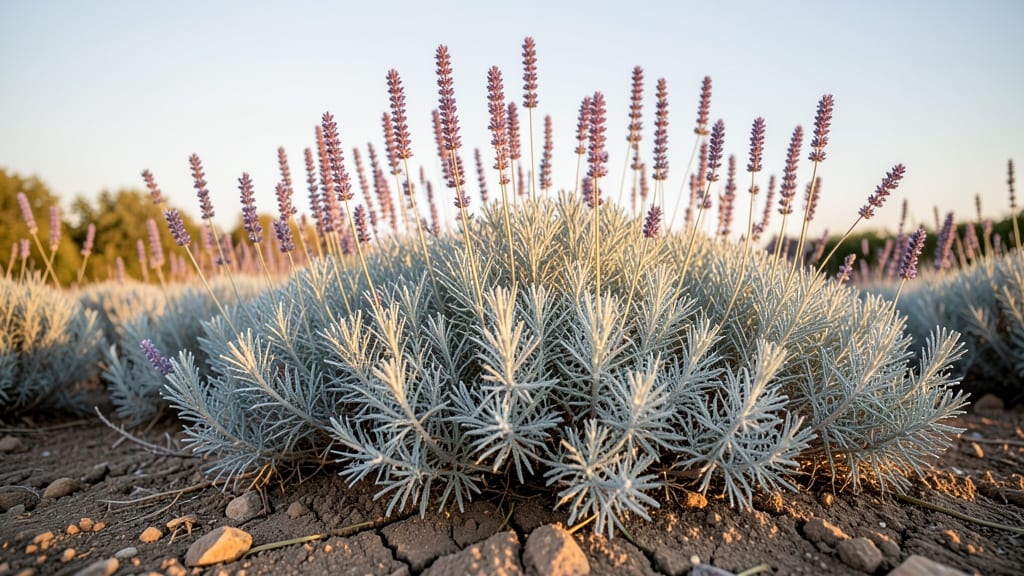
If you're dreaming of a low-maintenance flower bed that thrives even in challenging soil, Russian Sage (Perovskia atriplicifolia) is your secret weapon. This hardy perennial delivers silvery-blue foliage and fragrant lavender-blue flower spikes that bloom from mid-summer through fall, adding vertical drama and late-season interest.
Russian Sage excels in full sun and tolerates drought, poor soil, and even urban pollution, making it ideal for city gardens or neglected patches. Its airy, wispy growth habit reaches 3-5 feet tall, creating a stunning backdrop for shorter perennials. Plus, its bee magnet status ensures your garden stays buzzing with pollinators all season long.
Perfect for beginner gardeners and pollinator enthusiasts, this plant requires minimal fuss—just occasional pruning after flowering to maintain its shape. Pair it with black-eyed Susans or salvias for a dreamy, long-blooming combination. 🌻
Catmint Nepeta Faassenii
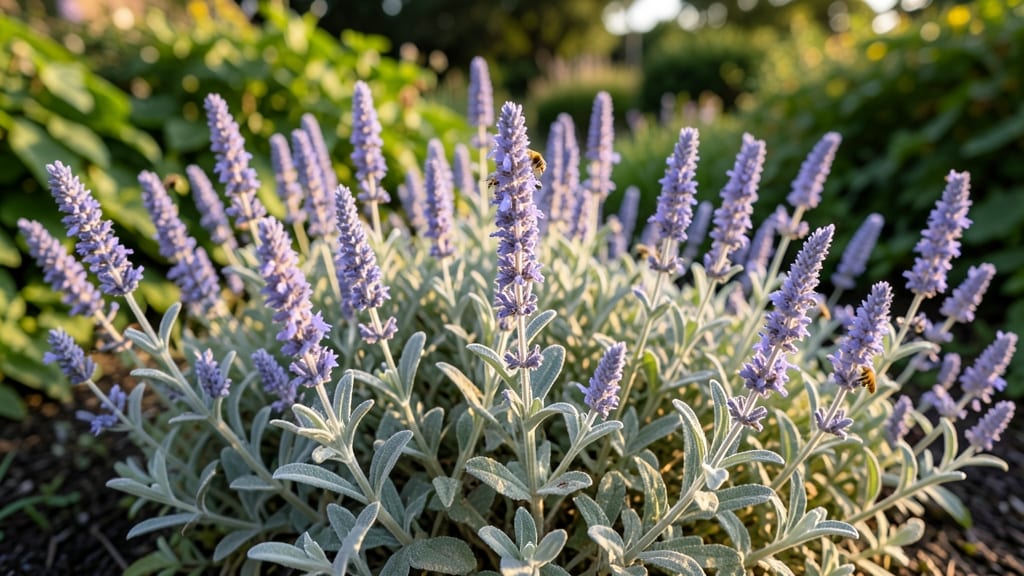
Tired of plants that fizzle out after one summer season? Catmint Nepeta Faassenii delivers three months of blooms—from early summer through fall—with its soft lavender-blue flower clusters that keep pollinators buzzing. This hardy perennial thrives in full sun to partial shade, making it a versatile choice for borders, cottage gardens, or pollinator-friendly meadows.
Beyond its long-lasting beauty, this plant works double duty by repelling mosquitoes and deer, thanks to its strong minty fragrance. It’s also drought-tolerant once established, so you won’t need to fuss over watering. For best results, shear back stems after flowering to encourage bushier growth next season.
Perfect for beginner gardeners and eco-conscious landscapers, catmint adds texture and color while keeping pests at bay. Pair it with Russian sage or lavender for a low-maintenance, deer-resistant garden that hums with life. 🌿
Bee Balm Monarda Didyma
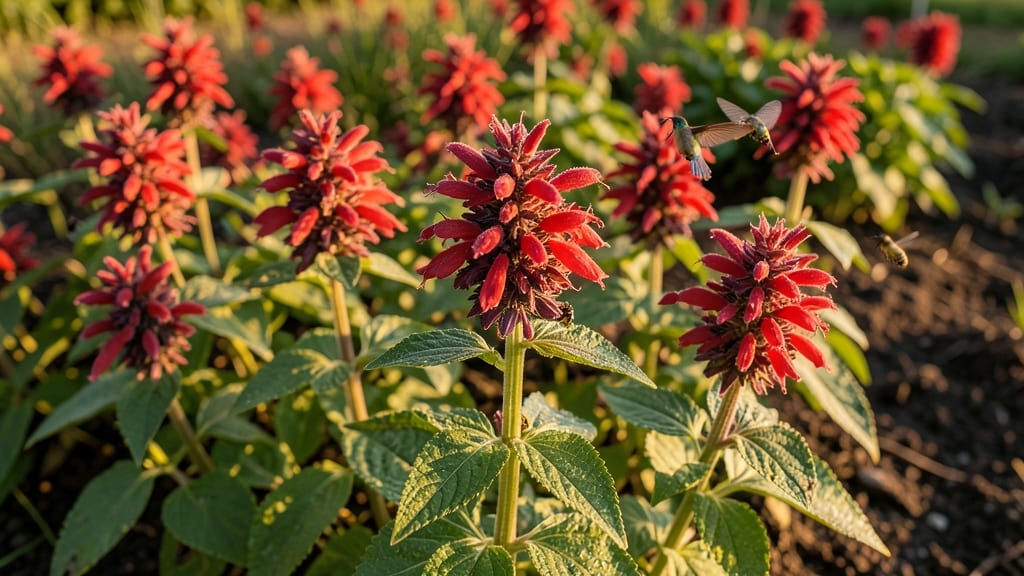
If you want a pollinator powerhouse that doubles as a medicinal plant, bee balm (Monarda didyma) delivers with its striking red blooms and aromatic foliage. This native North American beauty thrives in moist, well-drained soil and attracts hummingbirds, bees, and butterflies—making it a must-have for wildlife gardens.
Plant bee balm in full sun to partial shade, where it will reward you with summer-to-fall color and a hint of minty fragrance when brushed. Its leaves contain compounds used in traditional medicine for sore throats and digestive issues, adding a practical bonus to its ornamental value. Just be sure to space plants 18-24 inches apart to prevent powdery mildew, which can affect crowded beds.
Perfect for cottage gardens, rain gardens, or pollinator patches, bee balm brings both beauty and function to your flower bed. 🌻
Salvia Salvia Nemorosa
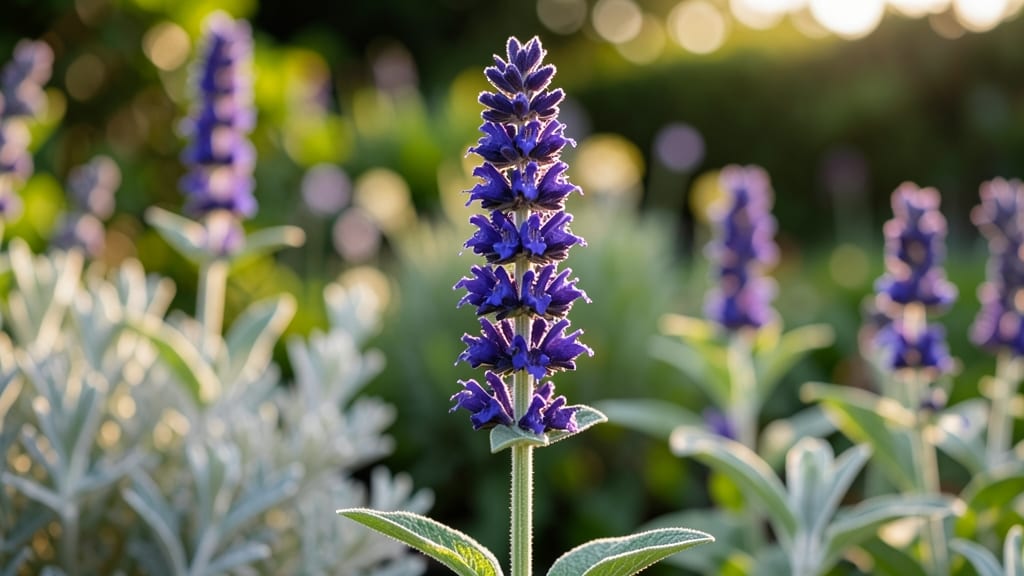
When you need late-spring drama that lasts with minimal watering, Salvia nemorosa delivers. This drought-tolerant perennial produces striking purple-blue flower spikes that rise above the garden like natural exclamation points, making it a standout for both cutting gardens and pollinator-friendly borders.
Plant it in full sun with well-drained soil, and you’ll reward yourself with prolific blooms from May through June—just as other perennials are winding down. The vertical structure adds height to flower beds, while its deer-resistant nature means fewer losses. For long-lasting cut flowers, harvest stems when buds are half-open and arrange them in water—they’ll last up to a week indoors.
Perfect for low-water gardens and beginner-friendly designs, this salvia thrives with almost no fuss after establishment. Pair it with shorter perennials like catmint or Russian sage for a layered, pollinator-magnet display. 🌟
Daylily Hemerocallis Fulva
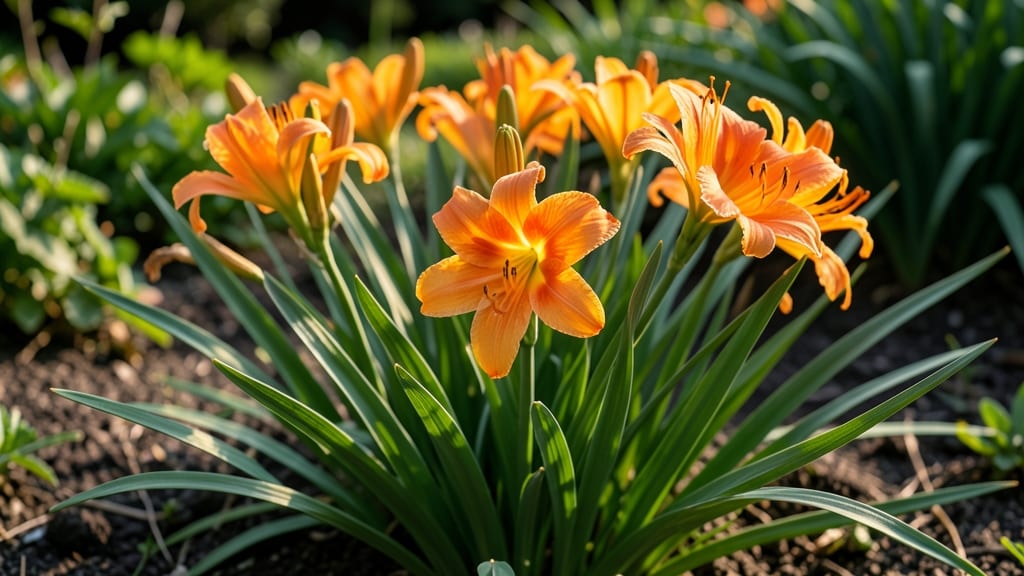
Looking for a low-maintenance plant that delivers bright orange blooms all summer without fuss? Meet Hemerocallis fulva, the daylily that thrives in partial shade while attracting butterflies and hummingbirds to your garden.
This hardy perennial spreads easily, creating lush foliage that tolerates poor soil and occasional drought once established. Unlike many daylilies, Hemerocallis fulva reblooms prolifically from early summer through fall, offering continuous color. Plant in clusters of 3-5 for maximum impact, and enjoy its disease-resistant nature that keeps maintenance minimal.
Perfect for beginners or busy gardeners, this daylily adds cheerful color to shady borders, woodland gardens, or even containers. 🌻
Yarrow Achillea Filipendulina
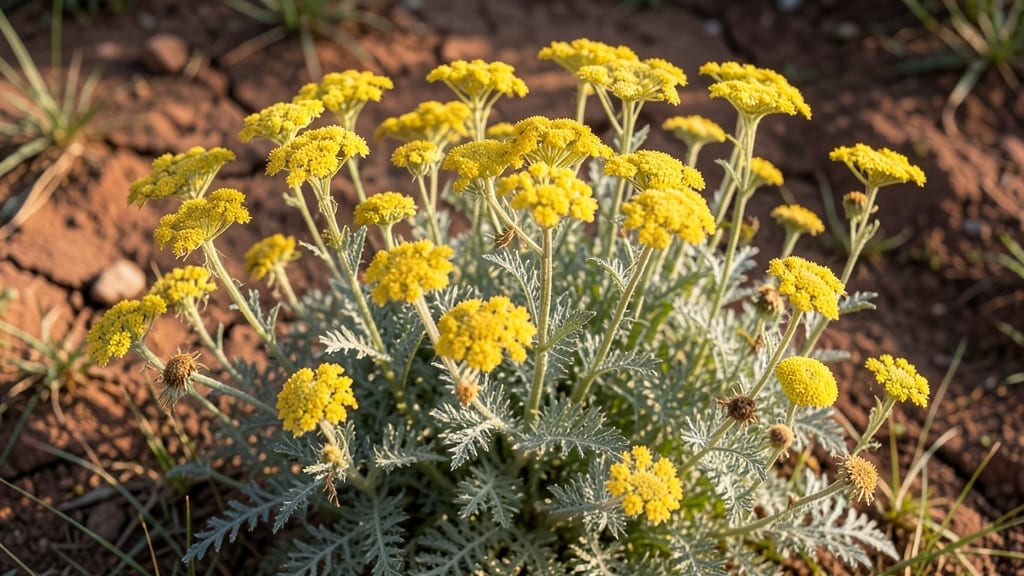
Looking for a low-maintenance flower that thrives in poor soil while adding a bright pop of color? Yarrow (Achillea filipendulina) delivers with its fern-like foliage and cheerful flat-topped yellow blooms that last for weeks in vases.
This hardy perennial blooms from early summer to fall, attracting pollinators while repelling deer and rabbits. Its medicinal properties (used historically for wound healing) add an extra layer of value. Plant in full sun with minimal soil prep—it tolerates drought and even rocky ground once established.
Perfect for cutting gardens, cottage-style beds, or pollinator-friendly borders, yarrow brings effortless beauty to even the most challenging spaces. 🌻
Shasta Daisy Leucanthemum Superbum

Want a flower that screams "classic garden beauty" while keeping your pollinators happy? The Shasta daisy (Leucanthemum superbum) delivers effortless charm with its pure white petals and golden centers, blooming from early summer straight through frost.
This hardy perennial thrives in full sun to partial shade and tolerates a wide range of soils, making it perfect for both beginner gardeners and seasoned pros. Its long bloom season provides continuous color, while its open structure creates a welcoming habitat for ladybugs, bees, and butterflies. Deadhead spent blooms to encourage more flowers and prevent self-seeding if you prefer controlled growth.
Shasta daisies are the ultimate "plant once, enjoy for years" choice—they multiply over time, creating natural drifts that brighten any border. Ideal for cottage gardens, wildflower meadows, or cutting gardens, they bring timeless elegance with minimal fuss. 🌻