
Flowers
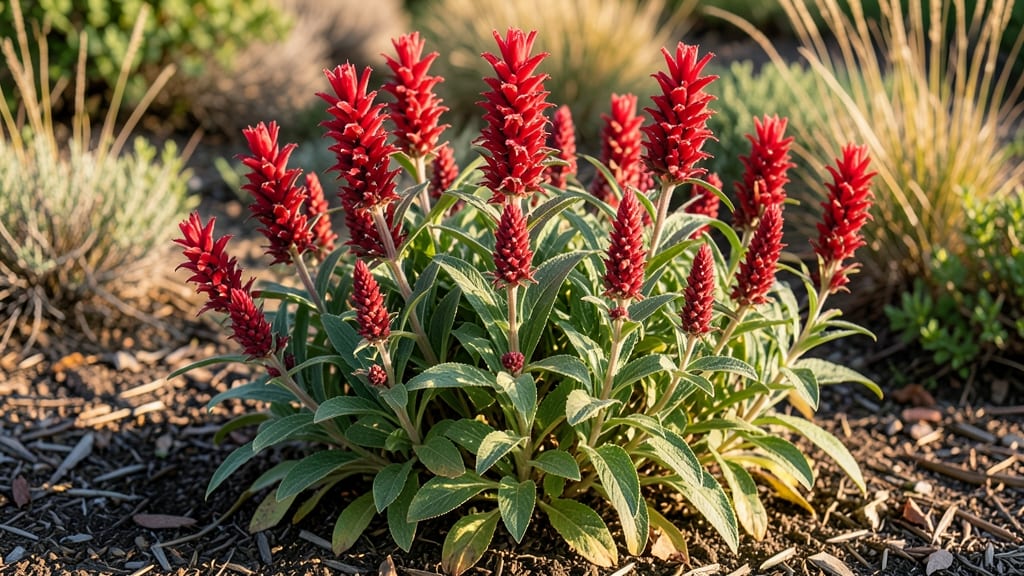
Watching a pineapple flower transform into fruit feels like magic—because it is. 🌱 That tiny bloom on your plant could become a sweet, golden harvest in just 6 weeks if you know the secret steps.
I’ve grown pineapples for years, and I’ve learned exactly what triggers that transformation: temperature, humidity, and a little help with pollination. The key is creating the right conditions—warmth, moisture, and patience. Pineapple plants need daytime temps between 80-90°F and humidity above 50% to set fruit.
Without this, the flower might drop before it starts developing. Once pollinated, you’ll see the flower turn into a tiny fruit within days, growing rapidly over the next month. By week 6, you’ll have a ripe pineapple ready to harvest—sweet, juicy, and completely worth the wait.
The process is simpler than it seems, and with the right care, you’ll avoid common pitfalls like failed fruiting or slow growth. Let’s break it down step by step so you can enjoy your own homegrown harvest.
You’ll need just a few things to get started: a mature pineapple plant with a healthy flower spike, a spray bottle for humidity, and a soft brush for pollination. The plant itself should be in a warm, sunny spot—either outdoors in a tropical climate or indoors under grow lights.
If you’re growing in a cooler zone, a heat mat can make all the difference in keeping the plant happy.
Once the flower appears, the real work begins. Pineapples often need a little help with pollination—just gently brush the flower’s center with a soft brush to spread pollen. Keep the area humid by misting the plant daily, and watch as the flower begins to swell into a fruit.
In just 6 weeks, you’ll go from bloom to harvest, with a pineapple that’s sweeter and more flavorful than anything you’ve ever bought.
Troubleshooting is part of the process, but don’t worry—most issues are easy to fix. If the flower drops, it’s usually due to low humidity or temperature swings. If the fruit grows slowly, check for enough sunlight and nutrients.
With the right care, your pineapple will thrive, and you’ll have a harvest that’s as rewarding as it is delicious.
📚 In This Guide
- What you need
- Instructions
- Tips and common mistakes
- Wrapping up and next steps
What you need
- ● Mature pineapple plant (Ananas comosus) – Ensure it’s at least 3-5 years old and has a healthy flower stalk (crown) emerging.
- ● Potting soil – Well-draining, slightly acidic mix (pH 4.5–6.5). A blend of peat moss, perlite, and pine bark works perfectly.
- ● 10-inch or larger pot – With drainage holes to prevent root rot.
- ● Balanced liquid fertilizer (10-10-10 or 20-20-20) – Diluted to half-strength for feeding.
- ● Watering can with a fine rose nozzle – For gentle, precise hydration.
- ● Humidity tray or pebble tray – Helps maintain 60-70% humidity, especially in dry climates.
- ● Pruning shears or sharp knife – For trimming dead leaves or adjusting the plant.
- ● Spray bottle – For misting leaves to boost humidity.
- ● Grow lights (LED or fluorescent) – If growing indoors and lacking 6-8 hours of sunlight/day.
- ● Thermometer/hygrometer – To monitor ideal temps (70-85°F) and humidity.
- ● Epsom salt (magnesium sulfate) – 1 tsp per gallon of water, used monthly to prevent deficiencies.
- ● Compost or worm castings – For enriching soil naturally.
- ● Plant support (small stake) – If the pineapple stalk needs extra stability.
How to guide a pineapple plant through fruit development
Watch your pineapple plant go from vibrant bloom to ripe fruit in just six weeks.
🌱 Step 1: Identify and Support the Developing Fruit
When the flower cluster opens and turns into a small green bud, that’s your cue to start monitoring closely. Pineapple fruits develop from the central flower first, so focus on keeping that area healthy. Gently remove any dead or dying flowers that didn’t set fruit—this redirects the plant’s energy toward the developing fruit.
Here’s the thing—pineapples need consistent care during this phase. Place your plant in a spot with bright, indirect light (think east or west-facing window). Direct sun can scorch the delicate fruit as it forms. You’ll notice the bud swelling within 3-5 days—that’s when you know the transformation has truly begun.
☀️ Step 2: Maintain Ideal Growing Conditions
Pineapples thrive in warmth (70-85°F) and high humidity during fruit development. If your home runs cooler, a small space heater near the plant (not too close!) helps. Keep the soil evenly moist—not soggy, not dry. Stick your finger 1 inch deep into the soil; if it feels dry, water thoroughly until it drains from the bottom.
This is where most growers mess up. Overwatering now causes fruit rot, while underwatering stunts growth. Watch the leaves—they should stay slightly crisp but not wilted. A humidity tray (pebble tray with water) under the pot adds moisture without drowning the roots.
💧 Step 3: Fertilize for Sweetness and Size
After the fruit bud forms, switch to a balanced liquid fertilizer (10-10-10) diluted to half-strength. Feed every 2 weeks until harvest. The goal is to boost sugar content and fruit size without overloading the plant. Too much fertilizer now leads to bitter fruit—trust the process.
You’ll see the fruit start to change color from green to yellow-green in about 3 weeks. That’s your signal to reduce fertilizer to once every 4 weeks. The plant is shifting its focus entirely to ripening, not new growth. Here’s a pro tip: A pinch of Epsom salt (1 teaspoon per gallon of water) monthly keeps magnesium levels high for sweeter fruit.
⏰ Step 4: Monitor Ripening and Harvest Readiness
By week 5, the fruit will turn mostly yellow with a few green spots at the base. That’s normal—don’t harvest yet. Instead, check for a slight softness when you gently squeeze the fruit. It should give slightly, like a ripe peach. The leaves at the base will also start to dry out and turn brown.
Harvest when the fruit feels heavy for its size and the base leaves are 70% brown. Use a sharp knife to cut the stem—leave 1 inch attached to the fruit. Place it in a warm, shaded spot to ripen fully. It may take 3-5 more days to reach peak sweetness. If you rush it, the fruit will be tart and underripe.
🌿 Step 5: Post-Harvest Care for the Mother Plant
After harvesting, don’t toss the mother plant! With care, it can produce 1-2 more fruits over time. Remove any dried leaves or dead flowers to encourage new growth. Reduce watering slightly—now that the fruit is gone, the plant needs less moisture. Keep it in bright light and fertilize lightly every 6 weeks to prep for future blooms.
Real talk: The first fruit is always the easiest. Future blooms may take longer to set, but don’t give up. Your pineapple plant is a slow but rewarding grower. With patience, you’ll have a steady supply of homegrown pineapples—no grocery store needed!
Tips & tricks for perfect pineapple fruit development
Growing pineapples from flower to fruit takes patience, but these tricks will help you avoid common pitfalls and maximize your success.
Lighting Strategy: Pineapple plants need bright, indirect light during fruit development—this is non-negotiable. If your home has limited natural light, supplement with a grow light 12 inches above the plant for 14 hours daily. I learned this the hard way when my first fruit turned pale and underdeveloped. The ideal spot is near an east or west-facing window where morning or afternoon sun gently warms the plant without scorching it.
Humidity Hack: Most homes struggle with humidity during dry winter months, but pineapples thrive in 50-70% humidity. Place your plant on a humidity tray filled with pebbles and water, or mist the leaves lightly twice daily. You'll notice the leaves stay crisp and vibrant, which is a clear sign your plant is happy. Avoid letting water pool in the tray—just keep the air around the plant moist.
Fertilizer Timing: The 2-week feeding schedule is crucial, but don't overdo it. I've seen growers double the fertilizer hoping for bigger fruit, only to end up with bitter, small pineapples. Stick to half-strength 10-10-10 fertilizer and watch for color changes—the yellow-green shift at 3 weeks is your signal to reduce to monthly feedings. The plant naturally shifts its energy to fruit development at this stage.
Harvest Readiness: When checking for ripeness at week 5, look for three key signs: the fruit's base turning 70% brown, a slight give when pressed, and the fruit feeling noticeably heavier. I've harvested too early and gotten tart fruit, and waited too long and ended up with overripe mush. The 3-5 extra days after harvest are just as important as the 6 weeks of growth—don't skip this final ripening period!
Pro Tips for Pineapple Flower To Fruit
- Growing pineapples from flower to fruit takes patience, but these tricks will help you avoid common pitfalls and maximize your success.
- Lighting Strategy: Pineapple plants need bright, indirect light during fruit development—this is non-negotiable.
- Humidity Hack: Most homes struggle with humidity during dry winter months, but pineapples thrive in 50-70% humidity.
Frequently asked questions
Got questions about watching your pineapple plant go from a stunning flower to a juicy fruit? Here are some of the most common ones—and their answers!
How long does it take for a pineapple flower to turn into a fruit?
A pineapple flower typically transforms into a fruit in about 6 to 8 weeks, though some varieties may take slightly longer. During this time, the flower cluster (called an "inflorescence") grows into a compact, spiky fruit. Patience is key—don’t rush it!
What does a healthy pineapple flower look like before fruiting?
A healthy pineapple flower starts as a tight, compact cluster of small, tubular blooms (usually pink, purple, or yellow). As it matures, the buds swell, and the center turns greenish before developing into a fruit. If the flower wilts or dries up, it may not fruit—check for pests or poor pollination.
Can I speed up the pineapple fruiting process?
You can’t artificially speed up the process, but you can optimize conditions! Ensure your plant gets full sun (6+ hours/day), well-draining soil, and consistent watering. Avoid over-fertilizing with high-nitrogen—too much promotes leaves over fruit. A balanced 10-10-10 fertilizer every 4-6 weeks helps.
Do pineapple flowers need to be pollinated to produce fruit?
Yes! Pineapple plants are self-pollinating, but cross-pollination (by bees, wind, or even a soft brush) can improve fruit quality. If you’re growing indoors or in a pest-free zone, gently tap the flower cluster or use a small brush to transfer pollen between blooms. No bees? No problem—just a little DIY help!
What should I do if my pineapple flower drops off before fruiting?
Don’t panic! Flowers may drop due to stress (under/overwatering, extreme temps, or pests). Check your plant’s roots for rot or bugs like mealybugs. If the issue is fixed, your pineapple may still produce a smaller fruit—or even rebloom later. Keep an eye out for new flowers!
Wrapping up and next steps
Watching a pineapple flower transform into a sweet, juicy fruit is a rewarding experience that connects you to nature’s incredible cycle! 🌱 From pollination to harvest, this journey—just six weeks in the making—shows how patience and care yield delicious results.
Whether you’re growing for beauty, curiosity, or harvest, you’ve now got the know-how to nurture this tropical wonder.
Ready to dive deeper? Try experimenting with different pollination methods or share your progress with fellow plant enthusiasts. Your garden (and taste buds!) will thank you. 🍍✨