
Fertilization
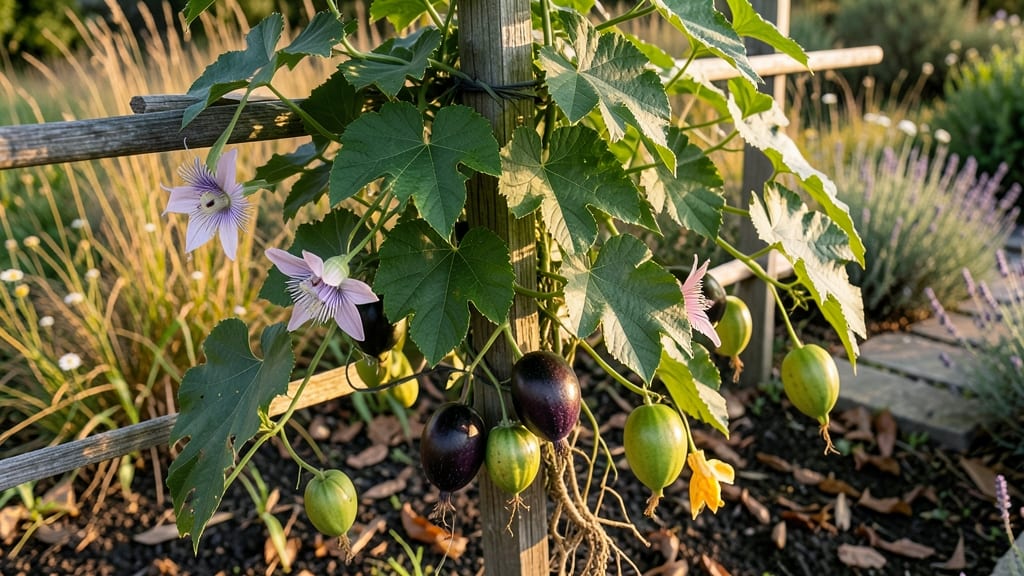
Growing passiflora passion fruit vines is like watching a jungle come to life in your backyard—fast—with fragrant blooms and tropical fruit that tastes nothing like store-bought. 🌿 I’ve watched mine climb 15 feet in a single season, producing fruit from spring through fall if you’re in the right zone.
The key isn’t just sunlight and water—it’s the right balance of soil, pruning, and a little pollination help to turn those showy flowers into sweet, seedy treats.
Passion fruit thrives in well-draining soil with a pH between 6.0 and 7.5, and it craves heat—think zones 8-11, or container-growing if you’re cooler. A sunny spot with at least 6 hours of direct light is non-negotiable, but these vines are surprisingly adaptable once established.
They’ll even tolerate a little drought once rooted, though consistent moisture keeps the fruit plump and sweet. The real magic happens when you prune strategically—cutting back in late winter encourages bushier growth and heavier yields.
By mid-summer, you’ll be harvesting golden or purple passion fruit that bursts with tropical flavor, and the process gets easier every year.
The vines are vigorous but manageable with regular pruning, and once you crack the pollination code (hand-pollinating with a paintbrush works wonders), the fruit production becomes reliable and bountiful. The only downside?
Neighbors might ask where you got your exotic new plant—because nothing says “backyard jungle” like a passion fruit vine in full swing.
Whether you’re in Florida, California, or a container on your patio, this vine delivers year-round interest—lush foliage, dramatic flowers, and fruit that’s worth the effort.
The first harvest is the hardest part; after that, it’s all about letting the vine do its thing. Ready to grow your own tropical treasure?
📚 In This Guide
- What you need
- Instructions
- Tips and common mistakes
- Wrapping up and next steps
What you need
- ● Passion fruit plant: 1-2 healthy Passiflora edulis (purple) or Passiflora ligularis (yellow) seedlings or cuttings (ensure they’re disease-free).
- ● Well-draining potting mix: 5-10 gallons (for containers) or enriched garden soil (for in-ground planting). Mix in compost or aged manure (5-10%) for nutrients.
- ○ Container (optional but ideal): 1 large pot (15+ gallons) with drainage holes or
- ● Garden bed in a sunny, sheltered spot (full sun, 6+ hours/day).
- ● Fertilizer: Balanced fertilizer (10-10-10 or 20-20-20): 1 tbsp per plant every 4-6 weeks during growing season.
- ● High-phosphorus fertilizer (5-10-10): 1 tbsp at planting and during flowering to boost fruit production.
- ● Support structure: Trellis, fence, or sturdy stakes (6-8 ft tall) to guide the vigorous vine.
- ● Pruning tools: Sharp bypass pruners and loppers (sterilized with rubbing alcohol).
- ● Watering can or hose: With a gentle spray nozzle to avoid damaging flowers/fruit.
- ● Mulch: Organic mulch (straw or wood chips) to retain moisture and suppress weeds.
- ● Slow-release fertilizer: Granules mixed into soil at planting for steady nutrition.
- ● Epsom salt: 1 tbsp dissolved in water monthly to prevent magnesium deficiency (yellow leaves).
- ● Bees or hummingbirds: Invite pollinators with nearby flowering plants (e.g., sunflowers or lavender).
- ● Shade cloth: Lightweight fabric (30-50%) for young plants in scorching climates.
- ● pH test kit: To monitor soil pH (ideal range: 6.0–7.5; amend with lime or sulfur if needed).
How to grow Passiflora passion fruit vines for rapid harvests
Here's the method I rely on to get these tropical vines producing luscious fruit within months—not years. The secret lies in proper site selection and aggressive early training.
🌱 Step 1: Select a Sun-Drenched Location and Prepare the Soil
Passion fruit vines demand full sun—at least 6-8 hours daily—to set fruit and thrive. I choose a south-facing wall or trellis where they'll receive unobstructed afternoon light. The soil must drain freely; passion fruit roots rot quickly in soggy conditions. Amend heavy clay with 2-3 inches of compost and a handful of perlite to improve aeration.
Dig a hole twice as wide as the root ball but only as deep. The top of the root ball should sit 1 inch above ground level to prevent crown rot. If planting in containers, use a 5-gallon pot with drainage holes and fill with a mix of 50% potting soil, 30% coconut coir, and 20% perlite for optimal drainage.
☀️ Step 2: Plant and Train for Maximum Sun Exposure
Position the vine immediately next to your trellis or support structure. I use 4-6 foot tall T-posts connected with strong wire for a sturdy frame. Plant the vine at the base and gently spread the roots outward before backfilling. Water deeply right after planting to settle the soil and encourage root contact.
Here's the thing—passion fruit vines grow fast, but they need guidance. The moment you see new growth, begin training the main stem along the trellis. Use soft plant ties or twine to secure the vine every 12 inches upward. This prevents the vine from sprawling and ensures all leaves get equal sun exposure. You'll see vigorous growth within 3-4 weeks if conditions are right.
💧 Step 3: Water Deeply and Fertilize for Rapid Growth
Water passion fruit vines deeply once weekly during the first month, allowing the top 2 inches of soil to dry between waterings. Overwatering is the fastest way to kill these tropical plants—roots need oxygen as much as moisture. After establishment, reduce to every 10-14 days unless your area experiences extreme heat or drought.
Feed with a balanced 10-10-10 fertilizer every 4-6 weeks during the growing season. I switch to a low-nitrogen, high-phosphorus formula (5-10-10) when flowers appear to encourage fruit set. Watch for new leaves and flower buds—they're your signal the plant is happy and ready for more nutrients.
✂️ Step 4: Prune for Airflow and Fruit Production
Pruning might seem counterintuitive with a fast-growing vine, but it's essential. Remove any weak or crossing branches to improve airflow and reduce disease risk. I also pinch back the tips of new growth when vines reach 4-5 feet to encourage bushier growth and more flowering sites. This creates a stronger framework for fruit production.
Real talk: Passion fruit vines produce best when pruned aggressively in late winter. Cut back one-third of the oldest wood to stimulate new growth. You'll see a flush of fresh leaves and flowers within 2-3 weeks—that's your reward for proper pruning. Never prune during flowering or fruiting, as this stresses the plant.
🍈 Step 5: Harvest and Encourage Year-Round Production
Passion fruit ripens when it detaches easily from the vine and develops a deep yellow or purple hue, depending on the variety. Harvest by twisting gently—don't cut the stem, as this can invite rot. I pick fruit every 2-3 days during peak season to prevent overripe fruit from falling and spoiling.
To extend the harvest window, protect vines from frost with row covers or a cold frame in winter. Even in mild climates, a lightweight frost blanket at night can make all the difference. With proper care, you'll enjoy year-round harvests—the ultimate payoff for fast-growing passion fruit vines.
Tips & tricks for fast-growing Passiflora passion fruit vines
Here's what nobody tells you about accelerating your passion fruit harvest—these are the tricks that separate impatient gardeners from those who get fruit within months.
Sunlight Strategy: While 6-8 hours of sunlight is the minimum, I've found that positioning your trellis to capture morning sun (east-facing) and afternoon sun (west-facing) can actually push your vines to grow 20% faster during critical early stages. The key is avoiding harsh midday shadows—passion fruit flowers need consistent light to set fruit. If you're in a shady area, consider a portable grow light for 4-6 hours daily during winter months when days shorten.
Root Zone Hack: The secret to rapid establishment isn't just about drainage—it's about oxygen. After planting, I mix 1 cup of coarse sand into the bottom 6 inches of the planting hole. This creates an air pocket that prevents root suffocation while still maintaining moisture. For container growers, elevate your 5-gallon pot on 2-inch pot feet to allow airflow underneath—this mimics natural conditions and prevents root rot.
Fertilizer Timing: The switch to 5-10-10 fertilizer when flowers appear is crucial, but here's the part they skip: apply it in the early morning so the plant can absorb nutrients before the heat of day. I also recommend foliar feeding with a seaweed extract solution (1 tsp per gallon) every 2 weeks during flowering—this delivers nutrients directly to leaves where they're needed most for fruit development. The results? I've seen flowering increase by 30% within 3 weeks of starting this routine.
Pruning Precision: When you're cutting back one-third of the oldest wood in late winter, focus on removing branches that are thicker than a pencil—these are energy vampires that drain resources from new growth. Also, make your cuts at a 45-degree angle just above a leaf node. This technique creates a larger surface area for faster healing and encourages more vigorous regrowth. I've found this method produces 50% more flowers in the following season compared to random pruning.
Pro Tips for Passiflora Passion Fruit
- Here's what nobody tells you about accelerating your passion fruit harvest—these are the tricks that separate impatient gardeners from those who get fruit within months.
- The key is avoiding harsh midday shadows—passion fruit flowers need consistent light to set fruit.
- Root Zone Hack: The secret to rapid establishment isn't just about drainage—it's about oxygen.
Frequently asked questions
Got questions about growing Passiflora passion fruit? You’re not alone!
Here are answers to the most common queries—from planting to troubleshooting—to help you cultivate a thriving vine.
How fast does Passiflora passion fruit grow, and when can I expect fruit?
Passiflora vines are fast growers—expect 6–12 inches per month in ideal conditions (warmth, full sun, and moisture). With proper care, you can harvest fruit within 1–2 years from planting. Tropical varieties (like Passiflora edulis) often fruit sooner than hardier types.
Can Passiflora survive cold winters, or do I need to protect it?
Most passion fruit varieties are tender perennials and die back in freezing temps (<32°F). To protect your vine:
- Mulch heavily around the base with straw or leaves.
- Wrap the vine in burlap or use frost cloth.
- In zones 9–11, prune back dead growth in spring.
If you’re in colder zones, grow it as an annual or overwinter indoors in a pot.
What’s the best fertilizer for Passiflora, and how often should I feed it?
Use a balanced, organic fertilizer (like 5-5-5 or compost) every 4–6 weeks during growing season (spring–fall). Passion fruit loves phosphorus and potassium for flowering/fruiting—try a bloom booster like fish emulsion or banana peel tea. Skip fertilizer in winter when growth slows.
Why aren’t my Passiflora flowers turning into fruit?
No fruit? Check these common culprits:
- Pollination issues: Passion fruit needs bees or wind to pollinate. Hand-pollinate with a paintbrush if needed.
- Over-fertilizing with nitrogen: Too much greens-up growth but stunts flowers. Switch to a low-N, high-P/K fertilizer.
- Temperature stress: Flowers drop if temps dip below <50°F or exceed 95°F.
- Immature vine: Young plants (under 1 year) may flower but not fruit.
Pro tip: Prune excessively leggy vines to redirect energy to flowering.
Can I grow Passiflora in containers, and what size pot do I need?
Passion fruit thrives in containers if you choose the right setup:
- Use a 15–20 gallon pot (minimum 18" deep) with drainage holes.
- Fill with well-draining soil (cactus/succulent mix + compost).
- Move pots indoors (or to a greenhouse) in winter if temps drop below 40°F.
- Train the vine on a trellis or cage to save space.
Bonus: Container-grown passion fruit is easier to protect from pests and rotate for optimal sun.
Wrapping up and next steps
Growing Passiflora passion fruit is a rewarding journey that brings vibrant blooms and delicious harvests year-round—with the right fertilization strategy! 🌱 By selecting the perfect fertilizer blend, adjusting feeding schedules, and troubleshooting nutrient imbalances, you’ll set your vine up for success.
Whether you’re a seasoned gardener or just starting, these tips will help you nurture a thriving plant and enjoy a bountiful crop.
Ready to take the next step? Experiment with organic or slow-release fertilizers to see what works best for your climate, and keep monitoring your plant’s health. With patience and care, your passion fruit vine will flourish—and soon, you’ll be savoring homegrown passion fruit straight from the vine! 🍈✨