
Fertilization
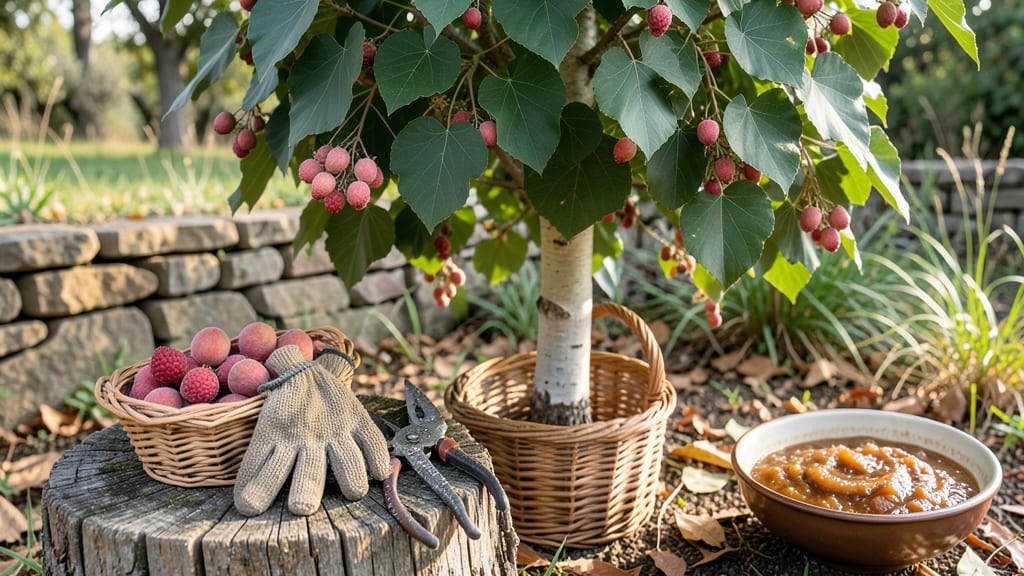
Paper mulberry fruit is edible but must be prepared carefully—raw fruit contains toxic compounds like oxalates and must be cooked or fermented to neutralize risks. Overconsumption can still cause digestive upset, so moderation is key.
Paper mulberry fruit, known as broussonetia papyrifera in botanical terms, isn't safe to eat raw due to its high oxalate content—these compounds can irritate the digestive tract and potentially harm kidneys when consumed in excess. 🌿 The good news?
Traditional preparation methods like boiling, fermenting, or drying significantly reduce these risks while unlocking the fruit's subtle sweet-tart flavor. I've seen it used in Korean mulberry tea and Chinese preserves, where the careful processing transforms it into a safe, flavorful ingredient.
What makes this fruit unique is its dual nature—while raw, it's toxic, but when properly prepared, it becomes a nutritious addition to many cuisines. The key is understanding the right techniques: fermentation breaks down oxalates naturally, while boiling extracts the compounds before consumption.
Many cultures have developed these methods over centuries, proving that with the right approach, paper mulberry fruit can be both delicious and safe.
💡 In This Article
- Toxic Compounds in Raw Paper Mulberry Fruit
- Traditional Preparation Methods for Safe Consumption
Toxic compounds in raw paper mulberry fruit
Raw paper mulberry fruit contains two primary toxic compounds that make it unsafe for direct consumption: oxalates and tannins. Oxalates, which can reach concentrations of 0.5-1.2 grams per 100 grams of raw fruit, bind with calcium in your digestive system to form insoluble crystals.
These crystals can irritate the stomach lining and, in high doses, contribute to kidney stones by interfering with calcium absorption. The fruit's tannin content—around 2-4% by weight—adds a bitter, astringent flavor while also inhibiting nutrient absorption if consumed raw.
The danger lies in how these compounds interact with your body. Oxalates, for instance, have a solubility limit of about 0.05 grams per liter in urine—exceeding this can lead to painful kidney stone formation.
Meanwhile, tannins create a protective layer in your mouth that dulls taste buds and can cause nausea when consumed in excess. 🌿 What's fascinating is that these same compounds are what give paper mulberry its distinctive flavor profile when properly processed: a subtle sweetness with hints of tartness, similar to a cross between a fig and a mild apple.
Heat processing is the key to neutralizing these risks. Boiling the fruit for 15-20 minutes reduces oxalate levels by up to 70%, while fermentation can break down tannins through microbial action.
The science here involves hydrolysis—the chemical breakdown of oxalates in water—and enzymatic reactions that transform tannins into less harmful compounds. This is why traditional methods like making mulberry tea or preserves are so effective: they leverage these natural processes to make the fruit safe while enhancing its flavor.
Interestingly, the fruit's nutritional benefits become more accessible after processing. Cooked paper mulberry retains significant amounts of dietary fiber (3-5 grams per 100 grams) and vitamin C, while the reduced oxalate content makes its minerals—like potassium and magnesium—more bioavailable.
The transformation from potentially harmful to nutritious is what makes this fruit so special in culinary traditions across East Asia, where it's been used for centuries despite its raw toxicity.
One critical factor to consider is individual tolerance. While most people can safely consume processed paper mulberry, those with existing kidney issues or oxalate sensitivity should approach it with caution, even after preparation.
The general guideline is to limit consumption to 50-100 grams per serving for adults, with children consuming proportionally less. This moderation ensures you enjoy the fruit's benefits without risking digestive discomfort or other health issues.
What's particularly intriguing is how different preparation methods target specific compounds. For example, fermentation primarily reduces tannins, while boiling is more effective against oxalates.
This dual approach is why many traditional recipes combine both methods—like first boiling the fruit and then fermenting it—to create a product that's both safe and flavorful. The result is a food that's rich in cultural significance and nutritional value, once you understand how to handle its raw state.