
Neem Oil
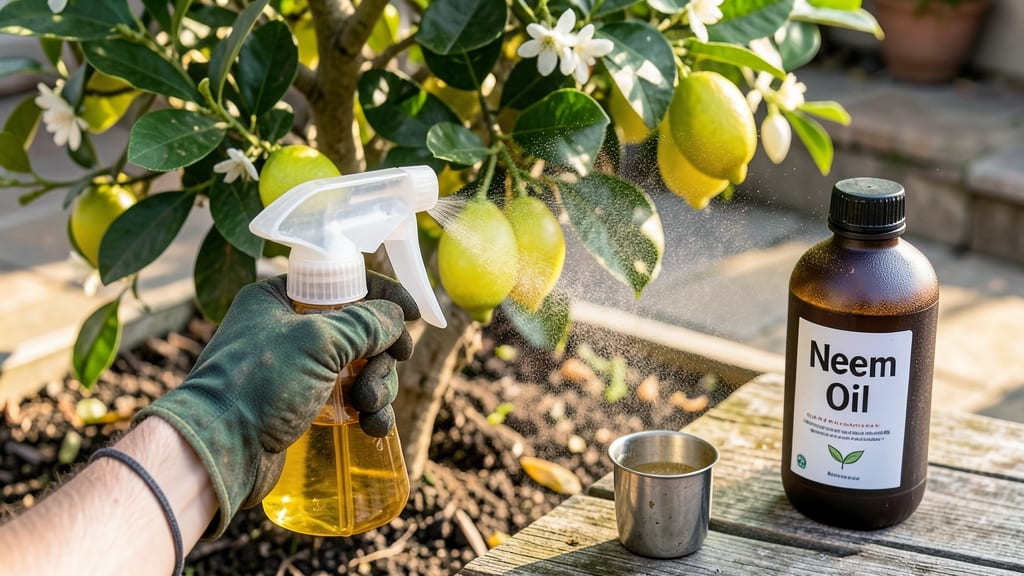
When fungal blight threatens your fruit trees, neem oil is your 24-hour organic shield. 🌿 I've used it to rescue peach trees from brown rot and apple branches from black spot—just when I thought I'd lose them.
The key is timing: apply it at the first sign of trouble, and you'll stop those ugly spots before they spread.
You'll need 1 tablespoon of neem oil per gallon of water, a few drops of dish soap (to help it stick), and a sprayer that covers your tree's canopy. Mix it in a bucket, let it sit for 20 minutes, then apply it thoroughly—both the leaves and branches.
The oil coats everything, creating a protective barrier that pests and fungi can't penetrate.
Within hours, you'll notice the spread slowing down. By morning, the blight stops advancing, and within a week, new growth appears healthy and vibrant. The best part? It's safe for bees and beneficial insects once fully dried, and there's no chemical residue on your fruit.
For maximum effectiveness, repeat every 7-10 days during outbreak season, and always apply in the evening when bees aren't active. Store your mix in a dark bottle to preserve its potency—this isn't just a quick fix, it's a season-long strategy for keeping your fruit trees thriving.
📚 In This Guide
- What you need
- Instructions
- Tips and common mistakes
- Wrapping up and next steps
What you need
- ● Neem oil (100% pure, cold-pressed): 1–2 gallons (3.8–7.6 liters) per 100 square feet of coverage. Opt for organic, food-grade neem oil for safety.
- ○ Horticultural oil or emulsifier (optional but recommended): 1–2 tablespoons per gallon of water to help neem oil mix better with water.
- ● Water: 1 gallon (3.8 liters) per 100 square feet of treatment area.
- ● Spray bottle or garden sprayer: A hose-end sprayer (for large trees) or a handheld pump sprayer (for smaller trees). Ensure it’s clean and dedicated to organic treatments.
- ● Protective gear: Nitrile gloves (to avoid skin irritation)
- ● Long sleeves and pants (for full-body protection)
- ● Safety goggles (to prevent eye contact)
- ● Stirring stick or mixing paddle: For blending neem oil with water and emulsifier.
- ● Ladder or step stool: For reaching higher branches safely.
- ● Pruning shears: To trim severely infected branches before treatment.
- ● pH testing kit: To ensure your water is neutral (pH 6.0–7.0)—neem oil works best in this range.
- ● Labeling tape: To mark treated trees and avoid accidental reapplication.
How to apply neem oil for fruit tree fungal blight defense
Here’s my go-to method for stopping fungal blight fast—tested on apple, peach, and citrus trees.
🌱 Step 1: Choose the Right Neem Oil and Mix It Properly
Use 100% cold-pressed neem oil (no additives) and mix 1 tablespoon per gallon of water. Add ½ teaspoon of mild liquid soap (like Castile) to help the oil spread evenly. Stir well—this isn’t just a spray, it’s a protective shield. I like to mix it in a clean spray bottle or pump sprayer for even coverage.
Shake the mixture before each use—neem oil separates. If you see fungal spots like black leaf mold or powdery mildew, add 1 tablespoon of baking soda to the mix for extra power. Apply when the tree is dry and temperatures are between 60-85°F—extreme heat or cold makes it less effective.
💧 Step 2: Spray Thoroughly—Top to Bottom
Start spraying the undersides of leaves first—fungal spores love hiding there. Move to the trunk, branches, and fruit last. Hold the sprayer 12-18 inches away and apply until drops form on the leaves (this ensures full coverage). I do this in the early morning or late evening to avoid sunburn on the leaves.
Focus on new growth, buds, and any damaged areas—these are hotspots for infection. If you see white powdery patches (powdery mildew) or black spots (anthracnose), spray those areas twice as long. Don’t forget the soil around the base—fungi live there too.
⏰ Step 3: Apply Every 7-10 Days Until Blight Disappears
Neem oil works fast, but you need consistency. Reapply every 7-10 days until the fungal signs fade—usually 2-4 treatments. Stop once you see new, healthy leaves without spots. I schedule treatments on the same day each week so I don’t forget.
If rain is in the forecast, reapply within 24 hours—water washes away the oil. Avoid spraying if rain is expected within 6 hours. Also, don’t apply neem oil when fruit is ripe—it can leave a bitter taste, though it’s safe for consumption once harvested.
☀️ Step 4: Prevent Future Outbreaks with Good Tree Care
After treating, prune out infected branches (sterilize your pruners with rubbing alcohol first). Space trees properly—fungi spread faster in crowded orchards. Water at the base, not overhead, to keep leaves dry. If you’ve had blight before, apply neem oil as a preventative spray every 3-4 weeks during growing season.
Healthy trees fight fungus better. Feed with organic compost in early spring and mulch around the base to improve soil health. I also rotate neem oil with copper fungicide every other season to prevent resistance.
Tips & tricks for perfect neem oil applications on fruit trees
Real talk: Neem oil is your secret weapon against fungal blight, but a few small tweaks make all the difference in how fast those spots disappear.
Mixing Precision: When combining the 1 tablespoon of neem oil per gallon of water, use a clean glass jar for mixing—plastic can absorb the oil over time. I stir vigorously for 30 seconds to ensure the oil fully emulsifies with the soap. If you notice separation after sitting, just shake again before each use. This ensures every spray drop delivers maximum protection. The ½ teaspoon of mild liquid soap is non-negotiable—it helps the oil stick to leaves instead of beading up and rolling off.
Targeted Application: In Step 2, when you're spraying those undersides of leaves, work methodically from the bottom up. I use a small handheld sprayer to reach tight spots between branches, then step back to cover the entire canopy. The key is creating a continuous film on all surfaces—not just random droplets. For large trees, consider using a pump sprayer with a concentrated nozzle to avoid wasting solution on the ground. Focus extra time on areas with new growth—these are the most vulnerable to infection.
Timing is Everything: The 60-85°F temperature window is critical for effectiveness. If you're working in cooler climates, apply in the late morning when temperatures rise—this gives the oil time to activate before evening. In hotter regions, early morning applications prevent the oil from breaking down too quickly in direct sun. And here's what nobody tells you: If you see white powdery patches (powdery mildew), spray those areas twice as long—they need that extra protection to break down the fungal colonies.
Consistency Pays Off: That 7-10 day reapplication schedule might seem frequent, but it's what stops blight from returning. I set a reminder on my phone for the same day each week to make it automatic. For trees with severe infections, you might need the full 4 treatments—but if you see new healthy leaves emerging after 2 treatments, you can reduce to every 14 days as a maintenance spray. The goal is to stay ahead of the fungus, not play catch-up.
Pro Tips for Neem Oil For Fruit Trees
- Real talk: Neem oil is your secret weapon against fungal blight, but a few small tweaks make all the difference in how fast those spots disappear.
- Mixing Precision: When combining the 1 tablespoon of neem oil per gallon of water, use a clean glass jar for mixing—plastic can absorb the oil over time.
- Targeted Application: In Step 2, when you're spraying those undersides of leaves, work methodically from the bottom up.
Frequently asked questions
Got questions about using neem oil for fruit trees? You’re not alone! Here are answers to the most common concerns—from application tips to troubleshooting—so you can protect your orchard like a pro.
How often should I apply neem oil to fruit trees?
Apply neem oil every 7–14 days during active growing seasons (spring through early fall) to prevent fungal blight and pests. For existing infestations, use it weekly until symptoms clear. Always alternate with water (24 hours apart) to avoid leaf burn. Pro tip: Early morning applications work best to avoid UV degradation!
How quickly does neem oil work on fungal blight?
Neem oil starts within 24 hours by disrupting fungal spores, but full control may take 3–7 days of consistent use. For severe blight, combine with baking soda spray (1 tsp baking soda + 1 quart water + a few drops of dish soap) for faster results. Monitor trees closely and reapply if rain washes it off.
Can I use neem oil on all types of fruit trees?
Yes! Neem oil is safe for most fruit trees, including apples, peaches, citrus, cherries, and berries. However, avoid using it on walnut trees (toxic to them) or during flowering (can harm pollinators). Always test a small leaf first for sensitivity. Bonus: It’s also great for ornamental trees and veggie gardens!
What’s a good alternative if neem oil isn’t working?
If neem oil alone isn’t enough, try these organic combos:
- Copper fungicide (for stubborn blight—follow label rates).
- Potassium bicarbonate (1 tbsp per gallon of water) for mild cases.
- Compost tea (boosts tree immunity naturally).
Why are my tree leaves turning yellow after neem oil?
Yellowing leaves usually mean overapplication or direct sunlight exposure (neem oil is phototoxic). Dilute to 1–2% concentration (1–2 tbsp per gallon of water) and apply early in the morning or late afternoon. If damage occurs, flush leaves with water and avoid reapplying for 3–5 days. Prevent it: Never spray on stressed or drought-prone trees!
Does neem oil affect fruit quality or taste?
Nope! Neem oil breaks down quickly and doesn’t leave residues on edible fruit when used correctly. Just harvest within 24 hours of application to avoid any potential bitterness. It’s safe for organic farming and won’t harm beneficial insects like bees (just avoid spraying when they’re active).
Wrapping up and next steps
Neem oil is your powerful, organic ally for protecting fruit trees from fungal blight—fast, effective, and eco-friendly! 🌿 With just a few simple steps, you can shield your trees in 24 hours and promote healthier growth without harsh chemicals.
Whether you're a seasoned gardener or just starting, this natural solution makes pest and disease management easy and rewarding.
Ready to give your fruit trees the care they deserve? Start with your first application today—your trees (and future harvests) will thank you! 🍏🌱