
Size
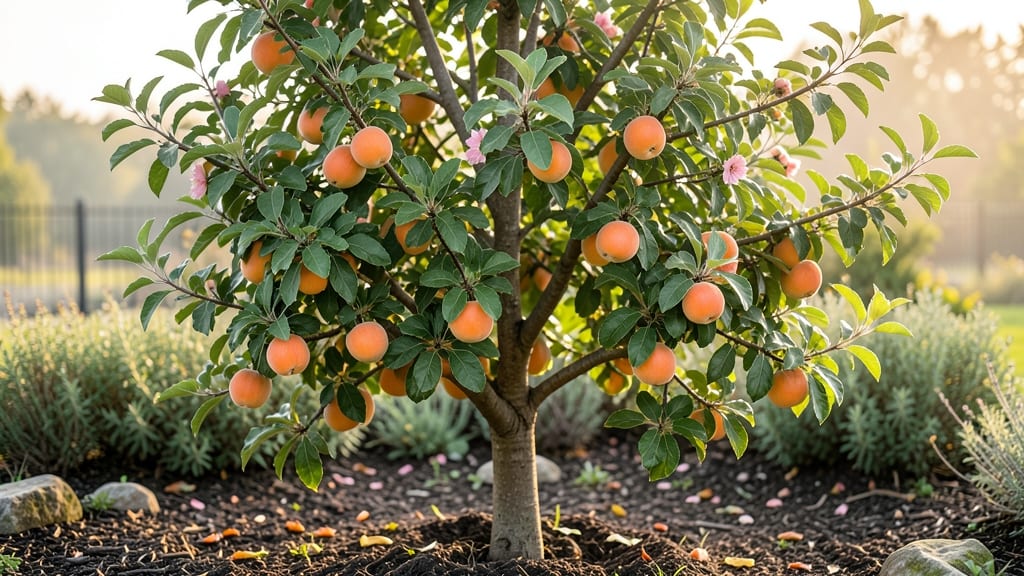
Growing nectarine fruit in a garden means sweet summer fruit that outshines store-bought every time. 🌿 I learned the hard way that these stone fruits need more than just sunshine—they demand the right soil, strategic pruning, and patience to reward you with juicy, melt-in-your-mouth perfection by midsummer.
The secret starts with well-draining soil rich in organic matter, planted in a spot with at least 6-8 hours of sunlight and protection from harsh winds. Young trees need consistent watering—deep but infrequent—to develop strong roots, while mature trees prefer drought tolerance once established.
Pruning in late winter shapes the tree and prevents overcrowding, which directly impacts fruit size and sweetness.
By year three, you’ll harvest dozens of nectarines that burst with flavor, their skin blushing pink or yellow depending on the variety. The key is monitoring for pests like aphids and brown rot, and thinning fruit early to avoid overburdening branches.
With these steps, even beginner gardeners can grow nectarines that make neighbors jealous.
Works in USDA Zones 5-9, though southern gardeners should choose low-chill varieties. Whether you start from seed (a longer gamble) or a nursery sapling (faster results), the payoff is worth the effort—imagine fresh fruit picked straight from your tree in July and August. Let’s get those trees thriving!
📚 In This Guide
- What you need
- Instructions
- Tips and common mistakes
- Wrapping up and next steps
What you need
- ● Nectarine Trees: Choose 2-3 dwarf or semi-dwarf varieties (e.g., ‘Fantasia,’ ‘Redglow,’ or ‘Summergrand’) for home gardens. Buy 1-2-year-old bare-root or container-grown trees from a reputable nursery.
- ● Well-Draining Soil: A mix of 60% topsoil, 30% compost, and 10% perlite or sand (pH 6.0–7.0). Test your soil’s pH with a soil test kit.
- ● Fertilizer: Balanced fertilizer (10-10-10) for planting.
- ● Citrus/fruit-specific fertilizer (e.g., 8-3-9) for spring/summer growth.
- ● Organic options: Composted manure or worm castings.
- ● Mulch: 2–4 inches of wood chips, straw, or pine bark to retain moisture and suppress weeds.
- ● Gardening tools: Trowel, pruning shears, loppers, and a shovel.
- ● Watering supplies: Drip irrigation system or hose with a spray nozzle (nectarines need 1–2 inches of water weekly).
- ● Protective gear: Gloves, long sleeves, and a hat for sunny days.
- ● USDA Zones 5–9 (nectarines thrive in warm climates with 100–300 frost-free days).
- ● Sunlight: Full sun (6–8+ hours daily)—choose a sheltered spot to avoid strong winds.
- ● Space: 15–20 feet apart for standard trees; 8–10 feet for dwarfs.
- ● Tree supports: Stakes or cages for young trees.
- ● Frost cloth or row covers for early/late seasons.
- ● Pest control: Neem oil, insecticidal soap, or bird netting for fruit protection.
- ● Soil amendments: Lime (if soil is acidic) or sulfur (if alkaline).
Step-by-Step guide to planting and cultivating nectarines for a sweet year-round harvest
Here's how to transform your garden into a nectarine haven—where every season brings juicy, sun-ripened fruit.
🌱 Step 1: Select the Right Variety and Planting Location
Nectarines thrive in USDA Zones 5-9, so choose a variety suited to your climate—dwarf varieties like 'Fantasia' or 'Summerbreeze' work well for smaller gardens. Plant in full sun (at least 6-8 hours daily) with protection from strong winds, which can damage blossoms. The soil should drain well—amend heavy clay with 2-3 inches of compost to prevent root rot.
Dig a hole twice as wide as the root ball but only as deep. This ensures the graft union (the bulge near the base of the tree) sits 2-3 inches above soil level. If your soil is acidic, test it and add pelletized lime to raise the pH to 6.0-7.0—nectarines prefer slightly alkaline conditions. I always plant in early spring, giving roots time to establish before summer heat arrives.
☀️ Step 2: Plant and Establish Proper Watering Practices
Place the tree in the hole and backfill with native soil mixed with 1-2 gallons of compost. Water deeply to settle the soil, then create a 4-inch-high berm around the base to direct water toward the roots. Mulch with 3-4 inches of wood chips, keeping it 6 inches away from the trunk to prevent rot. This mulch ring retains moisture and regulates soil temperature—critical for young trees.
Water twice weekly for the first month, then taper to once weekly once leaves appear. Overwatering is the biggest mistake—nectarines hate soggy roots. You’ll know you’re doing it right when the soil feels damp 2 inches down but not saturated. Avoid wetting the foliage to prevent fungal diseases like brown rot, which can devastate fruit.
✂️ Step 3: Prune for Shape and Fruit Production
Prune in late winter or early spring before buds swell, removing dead, crossing, or diseased branches first. Open the center of the tree to allow sunlight and air circulation—this reduces humidity and fungal risks. Aim for a modified central leader shape, keeping the main trunk dominant while encouraging scaffold branches to form a broad canopy. I never cut more than 25% of the canopy in a single year to avoid stressing the tree.
Thin fruit in late spring when they’re golf-ball sized, leaving 6-8 inches between each piece. This ensures larger, sweeter nectarines. You’ll see clusters of tiny blossoms in spring—if frost threatens, cover the tree with frost cloth to protect delicate flowers. A light application of fish emulsion in early spring boosts nutrient uptake for vigorous growth.
🍑 Step 4: Maintain Soil and Monitor for Pests/Diseases
Fertilize in early spring with a balanced 10-10-10 formula, then switch to a low-nitrogen, high-potassium blend (like 5-10-10) once fruit sets to sweeten the harvest. Test soil annually—nectarines need regular phosphorus and potassium for fruit development. I also top-dress with 1-2 inches of compost in fall to replenish organic matter.
Watch for aphids, peach twig borers, and brown rot. Spray neem oil early in the season to deter pests, and remove mummified fruit (dried, shriveled nectarines) after harvest to prevent fungal spread. If you notice yellowing leaves, it’s often a sign of zinc or iron deficiency—apply a foliar spray of chelated micronutrients to correct it.
🍓 Step 5: Harvest and Extend the Season
Nectarines ripen 30-45 days after full bloom, depending on variety. Pick when they easily detach from the tree with a slight twist and have a slight give when pressed. For year-round harvests, plant two varieties with staggered bloom times—one early (like 'Redhaven') and one late (like 'Crimson Snow'). Store unripe fruit at room temperature to ripen, or refrigerate ripe fruit for up to 2 weeks.
Here’s the thing—nectarines won’t ripen off the tree like peaches, so time your planting to match your climate’s frost-free period. If you live in a short-season zone, opt for dwarf varieties or grow in containers (with 15-gallon pots) to move indoors during cold snaps. The key to perfection? Consistent care and patience—your first harvest might be modest, but each year, the trees reward you with sweeter, juicier fruit.
Tips & tricks for perfect nectarine cultivation
Took me years to figure out these game-changers for growing nectarines that taste like they came from an orchard—not just any garden.
Soil Preparation Secret: Before planting, mix in 2-3 inches of compost and test your soil pH—nectarines absolutely refuse to thrive in acidic conditions. If your soil tests below 6.0, add pelletized lime to raise it to 6.0-7.0. I learned this the hard way when my first tree produced tiny, bitter fruit because the roots couldn't access nutrients properly. The 2-3 inches of compost in Step 1 isn't just about drainage; it's about creating a nutrient-rich sponge that holds moisture without suffocating roots.
Watering Wisdom: That 4-inch-high berm around your tree's base isn't just decoration—it's a water management system. Fill it with water after each irrigation to create a reservoir that slowly releases moisture to the roots. And here's the thing about watering: twice weekly for the first month is non-negotiable, but once leaves appear, you can reduce to once weekly. The key is checking soil moisture 2 inches down—if it's damp but not soggy, you're golden. Overwatering is the silent killer of nectarine trees, causing root rot that you won't notice until it's too late.
Pruning Precision: When you're thinning fruit in late spring, aim for 6-8 inches between each piece—this isn't just about space, it's about quality. Crowded fruit competes for nutrients, resulting in smaller, less flavorful nectarines. I use pruning shears to make clean cuts at the stem, being careful not to leave stubs. And that 25% canopy rule in Step 3? It's your safety net—cutting more stresses the tree and invites diseases through open wounds. Think of pruning as sculpting your tree's future harvest.
Fertilizer Transition: The switch from 10-10-10 to 5-10-10 in Step 4 is crucial for sweetening your harvest. Too much nitrogen early on makes your tree focus on leaves instead of fruit development. I apply the 10-10-10 in early spring when buds are just forming, then make the switch once you see those first blossoms. This timing ensures your tree puts energy into fruit rather than foliage, giving you those juicy, sweet nectarines you're dreaming of.
Pro Tips for Nectarine Fruit Grow A Garden
- Took me years to figure out these game-changers for growing nectarines that taste like they came from an orchard—not just any garden.
- Soil Preparation Secret: Before planting, mix in 2-3 inches of compost and test your soil pH—nectarines absolutely refuse to thrive in acidic conditions.
- Watering Wisdom: That 4-inch-high berm around your tree's base isn't just decoration—it's a water management system.
Frequently asked questions
Got questions about growing nectarines in your garden? You’re not alone! Here are some of the most common queries—plus quick, actionable answers to help you cultivate sweet, juicy fruit with confidence.
How long does it take for a nectarine tree to bear fruit?
A nectarine tree typically takes 3 to 5 years to produce its first harvest, depending on the variety and growing conditions. Dwarf varieties may fruit sooner (2–3 years), while standard trees can take up to 5 years. Patience pays off—healthy trees reward you with abundant fruit for decades!
When is the best time to plant nectarine trees?
Plant nectarines in early spring (after the last frost) or late fall (6–8 weeks before the ground freezes). This gives roots time to establish before extreme temperatures. Avoid planting in summer—heat stress can stunt growth. Pro tip: Soak the root ball before transplanting for a smoother transition!
What are the most common pests or diseases affecting nectarine trees?
Watch for aphids, peach leaf curl (a fungal disease), and brown rot (a major fruit-spoiler). Prevent pests with neem oil sprays and copper fungicides. Prune infected branches immediately, and remove fallen fruit to reduce spread. Healthy soil and proper spacing improve resilience—keep those trees thriving!
Can I grow nectarines in containers? What’s the best setup?
Yes! Dwarf nectarine varieties (like ‘Fantasy’ or ‘Redglobe’) thrive in large containers (20+ gallons) with drainage holes. Use a well-draining potting mix and ensure the pot gets 6+ hours of sunlight daily. Move containers indoors or to a sheltered spot in winter if temperatures drop below 10°F. Container-grown trees may need extra watering—check soil moisture weekly!
What’s the difference between nectarines and peaches? Can I cross-pollinate them?
Nectarines are smooth-skinned peaches—genetically identical but bred for that velvety texture! They cannot cross-pollinate with peaches (they’re the same species, Prunus persica, but require different pollinators). For best results, plant two nectarine varieties (or a peach) nearby to ensure fruit set. Varieties like ‘Summergrand’ and ‘Sugar Babe’ pair well!
Wrapping up and next steps
Growing nectarines in your garden is a rewarding journey that blends patience, care, and a touch of sweet magic! 🌱 From selecting the right variety to nurturing your trees with year-round hacks, you’re now equipped to cultivate juicy, sun-kissed fruit that’ll make your neighbors jealous.
Remember: healthy soil, proper pruning, and a little love are your secret ingredients for success.
Ready to take the next step? Start small—plant a single tree this season and watch your garden transform into a nectarine paradise. Happy growing! 🍑✨