
Tools
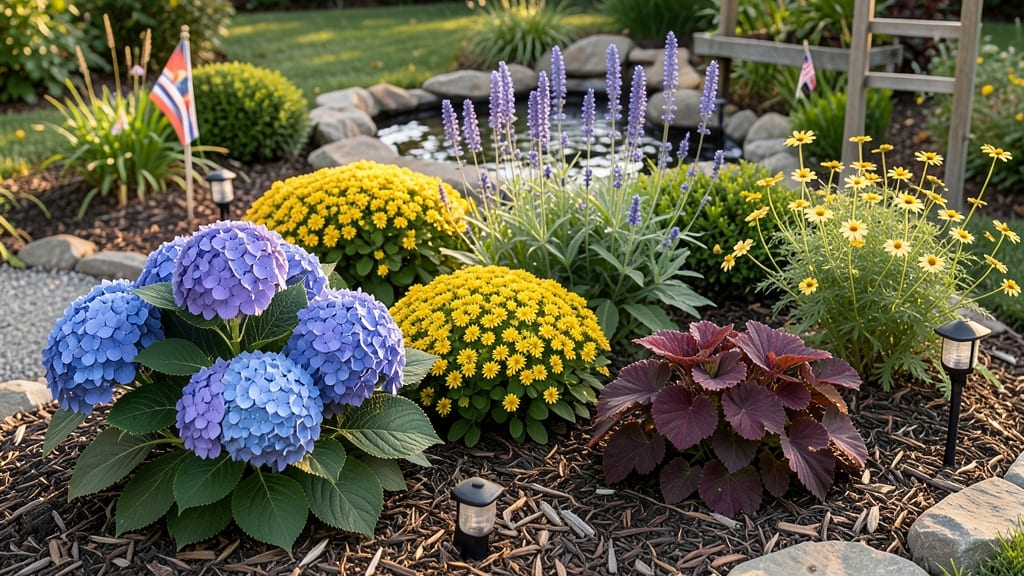
Mound garden bed ideas can transform your yard into a thriving, pollinator-friendly haven with minimal space and effort.
Picture this: a tiered, elevated garden that not only maximizes your growing area but also attracts bees, butterflies, and hummingbirds year-round. 🌱 The secret lies in the right design, soil mix, and plant pairings—no more wasted space or struggling plants.
Whether you're working with a small urban patio or a sprawling backyard, these creative mound designs boost drainage, reduce soil compaction, and keep your garden looking vibrant all season long. From drought-resistant perennials to ornamental blooms, we’ll show you how to build beds that work as hard as they look.
Ready to design a garden that’s both beautiful and functional? Discover step-by-step plans, material tips, and plant combinations that make mound beds easier to maintain—and more rewarding—than ever.
How to design pollinator-friendly mound garden beds for year-round blooms
Mound garden beds are my go-to solution for creating pollinator havens that bloom continuously. By elevating soil layers, you improve drainage, prevent soil compaction, and create microclimates that extend growing seasons.
The key is layering native perennials with nectar-rich annuals to ensure food for bees, butterflies, and hummingbirds from early spring through late fall. Start with a 12-18 inch base of sandy loam mixed with compost—this ensures roots get both oxygen and nutrients while preventing waterlogging.
For year-round interest, I structure my mounds in three distinct layers. The top tier (12-18 inches high) gets sun-loving perennials like black-eyed Susans and purple coneflowers, while the middle layer (6-12 inches) hosts partial-shade plants such as bee balm and Russian sage.
The base layer (0-6 inches) is perfect for ground covers like creeping thyme or wild strawberries—these add texture and prevent erosion. Each layer serves a purpose: top for bold blooms, middle for mid-season color, and base for stability and soil health.
| Layer | Plant Selection | Pollinator Benefit | Bloom Season |
|---|---|---|---|
| Top Tier (12-18") | Black-eyed Susans, Purple Coneflowers, Butterfly Weed | Bees, Butterflies, Hummingbirds | Summer-Fall |
| Middle Tier (6-12") | Bee Balm, Russian Sage, Catmint | Bees, Butterflies, Moths | Late Spring-Summer |
| Base Layer (0-6") | Creeping Thyme, Wild Strawberries, Clover | Early Bees, Ground Beetles | Spring-Early Summer |
| Edge Planting | Goldenrod, Aster, Sedum | Late-Season Butterflies | Fall-Winter |
Soil composition is non-negotiable for pollinator success. I mix 60% topsoil, 30% compost, and 10% perlite or coarse sand to ensure aeration and water retention. For water retention, add a 2-inch layer of coconut coir at the base—this holds moisture while allowing excess to drain. Top with 3 inches of mulch (preferably cedar chips or straw) to suppress weeds and regulate temperature. Pro tip: Avoid synthetic mulches like black plastic—they trap heat and repel pollinators.
To maximize pollinator activity, I focus on plant pairings that provide continuous nectar. For example, early spring starts with crocus and dandelions, followed by lupines and phlox in late spring. Summer transitions to sunflowers and milkweed, while fall features asters and goldenrod.
Each plant is chosen for its bloom duration and native appeal—this ensures bees and butterflies have a non-stop buffet. I also include host plants like milkweed for monarch butterflies and lavender for honeybees—these are must-haves for any pollinator garden.
Watering strategy is critical in mound beds. Since elevated soil dries faster, I use drip irrigation or soaker hoses buried at the base of the mound. Water deeply 2-3 times per week during summer and reduce to weekly in spring/fall. Early morning watering prevents fungal diseases and ensures hummingbirds have access to fresh nectar. For drought-prone areas, group succulents like sedum and yarrow together—they thrive with minimal water and still attract native bees.
Don’t overlook vertical elements—add trellises or small stakes to support climbing plants like passionflower or clematis. These create additional landing spots for butterflies and hummingbirds, while also adding height and drama to your design.
I often weave native grasses like switchgrass or little bluestem into the edges—their seed heads provide winter food for finches and sparrows. This multi-seasonal approach keeps your mound garden dynamic and functional year-round.
Maintenance is minimal but essential. Every spring, I top-dress the mound with compost and prune dead stems to encourage new growth. In late summer, I deadhead spent blooms to prolong flowering. For pests, I rely on beneficial insects like ladybugs and lacewings—their presence is a sign your ecosystem is balanced. If aphids appear, spray with neem oil or introduce parasitic wasps (they’re pollinator-safe!). Regularly check for compacted soil—if it feels hard, aerate with a garden fork to restore root health.
For urban or small spaces, opt for compact mound designs like spiral beds or crescent shapes. These fit neatly into patios or balconies while still offering pollinator-friendly layers.
Use container-friendly perennials like lavender, salvia, or coreopsis—they thrive in small volumes and pack a pollinator punch. If space is tight, stack two small mounds side by side with a shared base for stability. This modular approach lets you scale up as your garden grows.
Finally, seasonal swaps keep your mound garden ever-evolving. Replace winter-dormant perennials with early bloomers like heather or winter aconite in late winter. In early spring, add pansies or violas for color and pollinator activity. By late summer, introduce fall ast
10 Creative mound garden bed layouts for small yards & urban spaces
Small spaces shouldn’t limit your gardening dreams! Mound garden beds are my go-to solution for transforming tight patios, balconies, and urban yards into lush, functional green spaces. These elevated designs maximize vertical growing room while improving drainage and accessibility.
Whether you're working with wood frames, stone borders, or natural soil mounds, the right layout can turn even a 4x4-foot area into a thriving garden oasis.
I’ve tested these designs in my own urban garden, and they consistently deliver year-round interest while attracting pollinators. The key is choosing plants that thrive in your light conditions—whether it’s full sun, partial shade, or mixed light—while keeping maintenance simple.
Let’s explore my top 10 space-saving mound bed layouts that will inspire your next gardening project.
Wind upward in a gentle spiral using cedar logs or stacked stones. Perfect for sun-loving perennials like lavender at the center with drought-tolerant succulents on the outer edges. Height: 18-24 inches.
Semi-circular design with the open side facing south for maximum sunlight. Ideal for herbs and edibles like thyme and chives. Use brick edging for durability and a polished look.
Stack 3-4 wooden crates (12" deep each) to create vertical layers. Plant tall sunflowers on top and shade-tolerant ferns at the base. Great for balconies with railings.
Central compost hole surrounded by raised edges for a self-sustaining system. Plant ornamental grasses around the perimeter and vegetables in the center. Height: 12-15 inches.
Alternate flat stones with soil mounds (6" high) for a pathway garden. Plant creeping thyme between stones and salvia on mounds. Perfect for drought-prone areas.
For shady urban spaces, I recommend the "Moonlight Mound"—a low, wide mound (8-10 inches tall) with hostas, heucheras, and astilbes cascading over the edges. Use black plastic edging to contain the soil while keeping the design sleek.
This layout thrives with just 3-4 hours of dappled sunlight and requires minimal watering once established.
If you’re working with a modern aesthetic, try the "Geometric Pyramid"—stacked concrete planters in decreasing sizes (24", 18", 12") filled with sedum, echeveria, and ornamental peppers.
The sharp lines contrast beautifully with soft, trailing plants. For extra durability, line the planters with landscape fabric to prevent soil erosion.
Don’t overlook the vertical potential of mound beds! My "Wall Hugger" design uses a trellis-covered mound (15" tall) against a fence or wall. Plant cucumbers or morning glories to climb the trellis while filling the base with bush beans and lettuce.
This maximizes space while keeping harvesting at waist level—ideal for small yards with limited reach.
Pro tip: Always build your mound with a 10-15% slope to prevent water pooling. Top with 2-3 inches of mulch (like cedar chips) to retain moisture and suppress weeds.
With these layouts, even the tiniest space can become a pollinator paradise or a bountiful edible garden—no matter your skill level!