
Advice
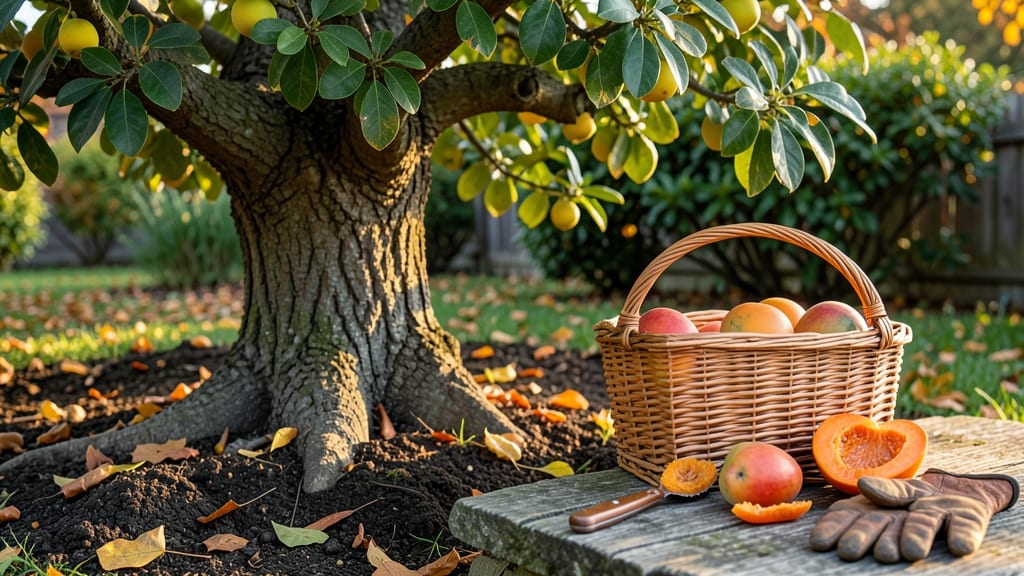
Kaki fruit tastes like a perfect blend of caramelized honey and ripe dates, with a velvety texture that transforms from firm to almost custard-like as it ripens. The deeper the color, the sweeter and more complex the flavor becomes.
This unique sweetness comes from kaki's natural sugar content, which peaks when the fruit's starches fully convert during ripening. 🍯 What makes it stand out is how the flavor evolves—starting tart when slightly underripe, then developing into a rich, almost syrupy sweetness when fully mature.
I've found that storing kaki at room temperature accelerates this process, while refrigeration slows it down but preserves that luscious texture longer.
For the best experience, try eating kaki when its skin turns a deep orange and yields slightly to gentle pressure. Pairing it with sharp cheeses like blue cheese or dark chocolate intensifies those honeyed notes, while adding it to salads brings a surprising depth that balances savory flavors beautifully.
💡 In This Article
- Kaki Fruit Flavor Science: Sugar Content and Ripening Process
- Best Ways to Enjoy Kaki Fruit for Optimal Flavor
Kaki fruit flavor science: sugar content and ripening process
The kaki fruit's signature sweetness comes from its remarkable sugar transformation during ripening. As the fruit matures, its starch content converts into simple sugars like fructose and glucose through enzymatic activity, similar to how bananas soften and sweeten.
At peak ripeness, kaki can contain 15-20% sugar by weight, comparable to dates or ripe mangoes. This biochemical process is temperature-sensitive—warmer environments (70-75°F) accelerate sugar conversion by up to 30% compared to cooler storage.
The texture transformation happens simultaneously. When slightly underripe, kaki's firmness comes from high pectin content (a natural polysaccharide) that gives it structure.
As ripening progresses, enzymes break down these pectin chains, turning the flesh from firm to its signature jelly-like consistency. 🔥 What's fascinating is how this texture change mirrors the flavor evolution—starting tart and astringent, then developing into that syrupy sweetness we associate with ripe kaki.
This ripening process explains why timing matters so much. Fruit picked too early may never develop full sweetness, while overripe kaki can become mushy.
The ideal window is when the skin turns deep orange and yields slightly to thumb pressure—this balance of firmness and sweetness is what makes kaki so rewarding to eat fresh. The fruit's natural tannins also soften during ripening, reducing that initial astringency that might surprise first-time tasters.
What most people don't realize is how storage temperature affects this process. Keeping kaki at 50-55°F slows ripening but preserves texture, while room temperature (68°F) speeds up sugar development. This is why some varieties need a few days at room temp to reach peak flavor after purchase.
The fruit's natural ethylene gas production also plays a role—similar to apples—accelerating ripening when stored with other ethylene-producing fruits.
For those who've tried kaki and found it too astringent, this is likely due to immature fruit. The tannins responsible for that dry mouthfeel break down completely during proper ripening.
This is why commercial kaki is often treated with calcium carbide (a controversial practice) to artificially ripen it—sometimes too quickly, resulting in overly soft fruit with underdeveloped flavor. The natural ripening process takes patience but yields that perfect balance of sweetness and texture.
Consider this comparison: An unripe kaki tastes somewhat like a tart apple with a dry finish, while fully ripe kaki delivers the complexity of caramelized honey with a velvety mouthfeel. This dramatic transformation makes kaki one of nature's most rewarding fruits to experience at its peak. 💫