
Size
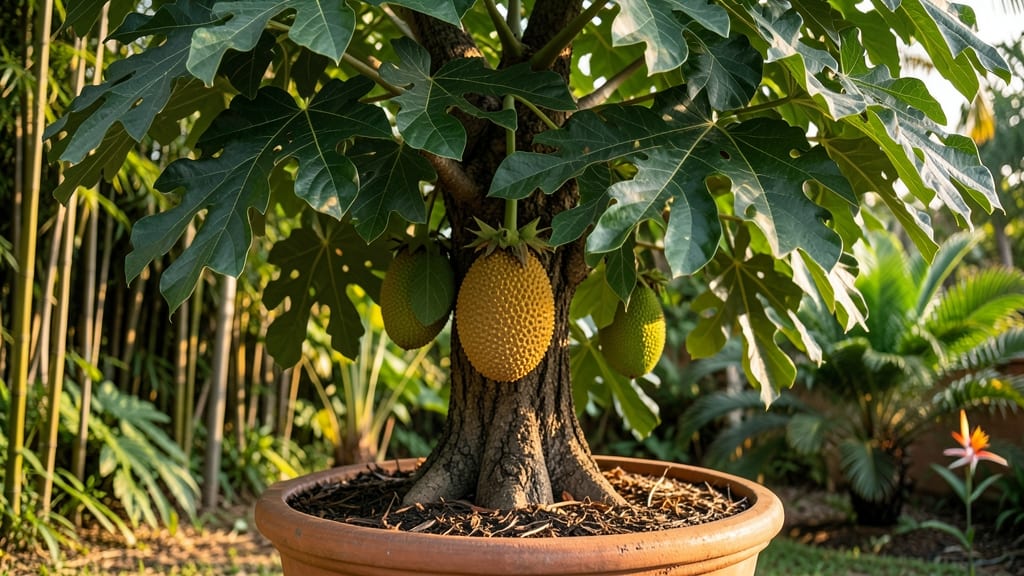
Finding jackfruit in the US means checking specialty Asian grocery stores, Whole Foods locations, or ordering from Amazon Fresh and Thrive Market, with the freshest imports arriving between June and August from Southeast Asia.
Jackfruit's year-round availability in the US depends on import schedules and storage methods. 🌍 The tropical fruit thrives in Thailand and the Philippines, where summer harvests (June-August) deliver the juiciest, most flavorful varieties to American shores.
During off-season months, you'll still find it thanks to refrigerated shipping containers that preserve quality, though prices may rise slightly. For the best selection, I recommend visiting local Asian markets where smaller batches rotate more frequently than big-box stores.
If fresh jackfruit isn't available, canned versions (often in brine or water) provide a convenient alternative.
These work perfectly for pulled "pork" recipes or curries, though they have a slightly softer texture. 💫 Many health-conscious shoppers also look for organic or non-GMO labels, which are more commonly found at specialty retailers or through online orders where suppliers can offer direct farm-to-consumer connections.
💡 In This Article
- Why Jackfruit Availability Varies by Region and Season
- Best US Retailers for Fresh vs Canned Jackfruit
Why jackfruit availability varies by region and season
Jackfruit's journey from Southeast Asian farms to US stores hinges on tropical climate patterns and global shipping logistics. The fruit grows best in Thailand and the Philippines during their summer months (June-August), when temperatures average 85-95°F and humidity stays above 70%.
These peak harvest windows explain why US retailers see the freshest, most flavorful jackfruit between July and September—a 3-4 week lag accounts for shipping time from origin to port.
The supply chain relies on refrigerated containers that maintain 45-50°F temperatures during transit, preserving quality for up to 30 days at sea. 🌍 However, this cold chain comes with challenges: jackfruit loses 20-30% of its natural sugars during storage, which is why summer imports taste sweeter and more aromatic.
Regional differences matter too—coastal cities like Los Angeles and New York receive direct container shipments, while inland areas may get older stock that's been redistributed from warehouses.
Off-season availability depends on two key factors: controlled-atmosphere storage and alternative growing regions. Some US distributors use modified atmosphere packaging that extends shelf life by up to 2 weeks beyond standard refrigeration.
Meanwhile, smaller harvests from Hawaii and Puerto Rico (where jackfruit trees grow year-round) supplement mainland supplies, though these account for only 5-10% of total US imports.
Price fluctuations follow seasonal patterns too. During peak months, you'll typically pay $2.50-$3.50 per pound for fresh jackfruit, while winter prices can climb to $4-$5 per pound due to reduced supply.
The texture also changes—summer fruit has a firmer, slightly grainier bite, while off-season varieties tend to be softer and more fibrous, making them better suited for cooking than eating fresh. 💫
Another critical factor is retailer ordering cycles. Large chains like Whole Foods place bulk orders during peak season, ensuring consistent stock, while smaller Asian markets may receive fresher but smaller batches weekly.
This explains why you might find Thai varieties (like Chakrapan) in summer but switch to Philippine or Hawaiian strains in winter—each has distinct flavor profiles and textures that adapt to local growing conditions.
For home growers in warmer climates, jackfruit trees (which can reach 60-100 feet tall) take 3-5 years to bear fruit, offering a potential long-term solution for year-round access. However, most US consumers rely on imports, where seasonal variations remain the biggest determinant of quality and price.
Understanding these patterns helps you time your purchases for optimal flavor and value.
Pro tip: If you're planning to cook with jackfruit, buy it 2-3 days before use—even refrigerated fruit continues to ripen, and overripe jackfruit develops a fermented, slightly alcoholic aroma that's actually desirable for pulled jackfruit dishes but off-putting when eaten fresh. 🍍