
Tools
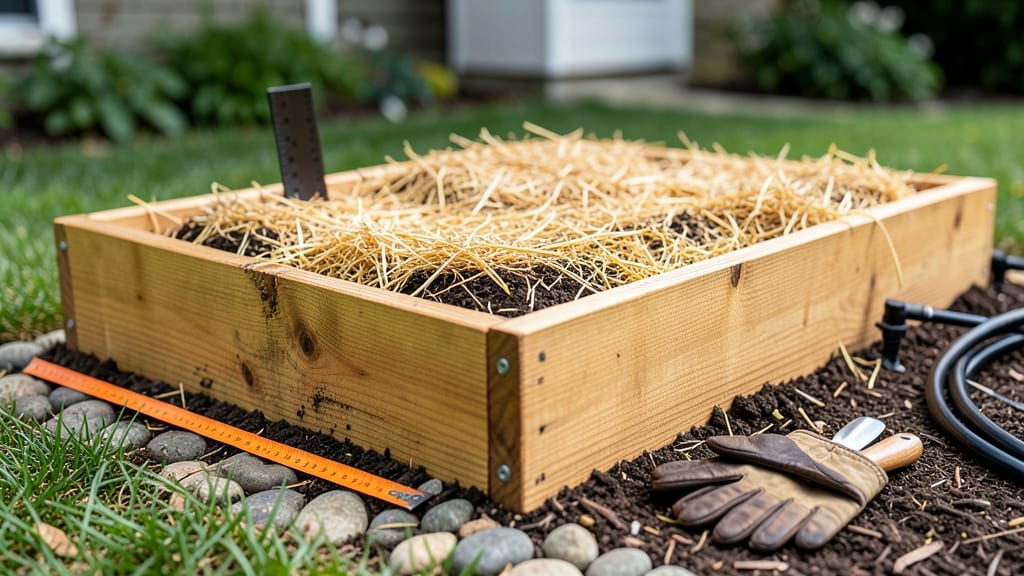
The ideal garden bed height is 6 to 12 inches deep for most vegetables and herbs, ensuring strong root development while preventing waterlogging. Raised beds should stand 6 to 12 inches above ground for better drainage and accessibility.
Most gardeners focus on soil quality, but the right bed depth actually determines how well your plants grow. 🌱 A 6-inch minimum lets shallow-rooted herbs like basil and thyme thrive, while deeper beds (up to 12 inches) accommodate root vegetables like carrots and potatoes.
The extra height also prevents soil compaction, which can suffocate roots over time. I've seen firsthand how beds that are too shallow lead to stunted growth, especially in clay-heavy soils where water pools near the surface.
For raised beds, the 10-12 inch height standard isn't arbitrary—it balances accessibility with drainage. This elevation keeps roots from sitting in soggy soil after rain, while the extra depth lets you layer compost and nutrients without mixing them into native soil.
Plus, taller beds reduce back strain for gardeners who kneel frequently, making them ideal for long-term vegetable production.
💡 In This Article
- How Root Systems and Soil Depth Determine Garden Bed Height
- Designing Raised Garden Beds for Accessibility and Plant Success
How root systems and soil depth determine garden bed height
Plants grow roots to specific depths based on their species, and this directly influences how deep your garden beds should be. Shallow-rooted herbs like basil, thyme, and parsley thrive in just 4-6 inches of soil, while medium-rooted vegetables such as lettuce and radishes need 6-10 inches.
The real game-changer is deep-rooted crops like carrots, potatoes, and asparagus, which require 10-12 inches to develop properly. For example, a carrot's edible portion grows downward, and a bed that's too shallow will produce misshapen, stunted roots. 🌱
The science behind this involves soil aeration and nutrient distribution. Deeper beds allow roots to access moisture and nutrients from multiple soil layers, reducing competition between plants.
In a 6-inch bed, roots may struggle during dry spells because they can't reach deeper water sources, while a 12-inch bed provides a larger reservoir.
Additionally, deeper beds prevent soil compaction from foot traffic or heavy rain, which can restrict root growth by reducing oxygen availability to up to 20%.
Drainage is another critical factor tied to depth. Shallow beds (4 inches) can become waterlogged quickly, especially in clay soils, while deeper beds allow excess water to percolate through.
I've noticed that in my own garden, beds with 8-12 inches of depth stay consistently moist but never soggy, even after heavy rainfall. This balance is crucial because roots need oxygen to respire—waterlogged conditions can suffocate them within days, leading to rot and plant death.
Soil texture also plays a role in determining optimal depth. Sandy soils drain quickly but may require deeper beds to retain moisture for root growth, while loamy soils (the ideal mix) hold moisture well in 6-10 inch depths.
Clay soils, which compact easily, benefit most from the full 12-inch depth to prevent water pooling at the surface. The key is matching your bed depth to both your plants' needs and your local soil conditions. 💫
For container gardening or small spaces, you can adapt by choosing shallow-rooted varieties or using deep pots (at least 12 inches tall). For instance, cherry tomatoes or bush beans grow well in 10-inch deep containers, while larger varieties like indeterminate tomatoes need 18-inch deep containers or in-ground beds.
Understanding these relationships lets you optimize space while maximizing plant health.
One common mistake is assuming all vegetables need the same depth. For example, leafy greens like spinach or kale only need 6 inches, while root crops like beets or turnips require 10-12 inches to develop their full size.
Planning your bed depth around your specific crops—rather than using a one-size-fits-all approach—can dramatically improve your harvest yields and reduce wasted effort. 🌿