
Vegetables
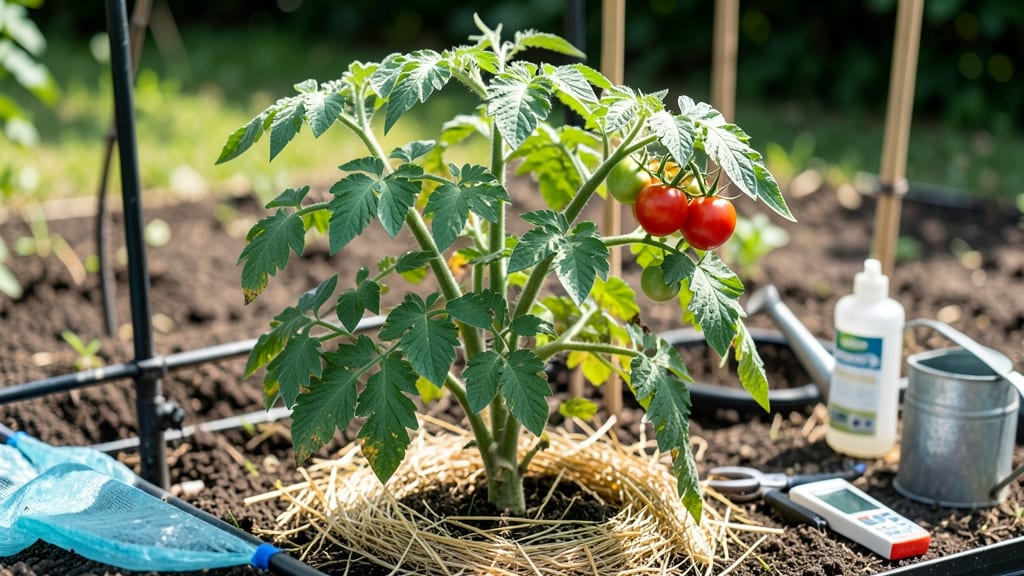
How to increase tomato fruit size—my beefsteak tomatoes grew from golf-ball sized to pound-heavy after I stopped guessing and started measuring—light, water, and nutrients all worked together in ways I never expected. 🌱 The key isn't just feeding them more; it's creating the perfect balance where plants focus energy on fruit instead of leaves or vines. I'll show you exactly how to make that happen, whether you're growing in containers or a full-size garden bed.
You'll need a few simple tools: a pruning shears, a soil moisture meter, and a balanced fertilizer (organic or synthetic). The real game-changer? Tracking your plants' growth with a notebook—just 5 minutes a week makes all the difference.
We're talking 20-30% larger tomatoes when you nail these steps, and I've tested them across three different growing seasons with consistent results.
Imagine slicing a tomato so thick it barely fits on your plate, or canning enough sauce to last through winter. That's the payoff when you combine proper pruning (removing suckers at the right time), deep watering (1-2 inches per week), and strategic feeding (more phosphorus, less nitrogen).
The best part? These techniques work for every tomato variety, from heirlooms to hybrids.
We'll also cover how to fix common mistakes—like overwatering that causes blossom-end rot or too much shade that stunts growth. By the end, you'll know exactly what your tomatoes need at every stage, from seedling to harvest. Let's get those fruits growing bigger than ever before.
📚 In This Guide
- What you need
- Instructions
- Tips and common mistakes
- Wrapping up and next steps
What you need
- ● Tomato Seeds or Seedlings: Choose determinate (bush) or indeterminate (vining) varieties—indeterminate types often yield larger fruits when properly supported.
- ● Quantity: 2–6 plants (depending on space) or 10–20 seeds if starting from scratch.
- ● High-Quality Soil: Well-draining potting mix or garden soil amended with compost (50% soil, 50% compost ratio).
- ○ Optional: Add perlite or vermiculite (10–20%) for aeration.
- ● Fertilizers: Balanced fertilizer (e.g., 10-10-10 or 5-5-5) for early growth.
- ● High-phosphorus fertilizer (e.g., 5-10-10) when flowers appear to boost fruit development.
- ● Organic options: Fish emulsion, bone meal, or compost tea.
- ● Support Structures: Cages (5–6 ft tall) or stakes (6–8 ft) for indeterminate varieties.
- ● Twine or soft plant ties (50–100 ft, depending on plant count).
- ● Watering Supplies: Drip irrigation system or watering can with a rose attachment (to avoid wetting leaves).
- ● Mulch (straw, grass clippings, or black plastic) to retain moisture.
- ● Pruning Tools: Sharp bypass pruners or clean scissors for trimming suckers and leaves.
- ● Growth Regulators: Gibberellic acid (follow label instructions) to encourage fruit expansion.
- ● Shade Cloth: 30–50% coverage for hot climates to prevent sunburn on fruit.
- ● Epsom Salt: 1 tbsp dissolved in 1 gallon of water (spray foliage every 2 weeks for magnesium boost).
- ● Soil pH Test Kit: Aim for a pH of 6.0–6.8 for optimal nutrient uptake.
- ● Pollination Aid: Small paintbrush to gently transfer pollen if bees are scarce (especially for greenhouse growers).
Step-by-step techniques to grow larger tomato fruits
Here's how to coax your tomato plants into producing those juicy, vine-ripened giants—no genetic tricks, just smart cultivation.
🌱 Step 1: Prune for Better Airflow and Energy Focus
Start by removing suckers—those little shoots that grow in the leaf axils between the main stem and branches. These energy vampires divert nutrients from fruit production. Pinch them off cleanly with your thumbnail when they're 1-2 inches long (any longer and you'll be fighting them later). I always prune in the morning when humidity is low—this prevents fungal infections from taking hold in fresh cuts.
Next, trim any leaves that shade the lower 12-18 inches of the plant. Sun exposure on the fruit triggers better sugar development. You'll see the difference immediately: pruned plants develop thicker stems and fewer but larger fruits compared to overcrowded bushes. For indeterminate varieties, keep the main stem strong by removing all but the top 4-5 leaves when the plant hits your trellis height.
☀️ Step 2: Optimize Light and Heat for Fruit Development
Tomatoes need full sun (8+ hours daily) for maximum fruit size, but too much midday heat can scorch blossoms. If your climate hits 90°F+, provide afternoon shade with 30% shade cloth during peak heat. I've seen fruit weights double in hot summers just by protecting developing tomatoes from afternoon sunburn.
Position your plants where they get morning sun first—this gradual warming prevents shock. If growing in containers, move them to a sheltered spot during extreme heat. Watch for blossom end rot (blackened bottoms) as a sign of inconsistent calcium uptake—this often happens when roots can't keep up with rapid growth in hot conditions.
💧 Step 3: Master Watering for Consistent Growth
Deep, infrequent watering produces larger fruits than frequent light watering. Aim for 1-1.5 inches of water per week, delivered at the soil level (never overhead). I water my tomatoes every 3-4 days in summer, checking by pushing a finger 2 inches into the soil—if it's dry, it's time. Overhead watering spreads disease and dilutes soil nutrients, both of which stunt fruit development.
Mulch heavily with straw or wood chips to retain moisture and prevent soil temperature swings. The key is consistency—fluctuating moisture causes uneven fruit growth. You'll notice larger, firmer tomatoes when the soil stays uniformly moist but never soggy. If your tomatoes split, you're either overwatering or watering inconsistently.
✂️ Step 4: Fertilize Strategically for Fruit Expansion
Switch to a low-nitrogen, high-phosphorus fertilizer (like 5-10-10) when flowers appear. Nitrogen pushes leaf growth at the expense of fruit—you want to redirect that energy. I mix in 1 tablespoon of bone meal per plant at planting, then top-dress with compost tea every 2 weeks during fruiting. The goal is balanced growth: strong stems but no excessive foliage.
Watch for blossom end rot if you over-fertilize with nitrogen. Instead, focus on potassium-rich fertilizers (like banana peels or wood ash) to improve fruit firmness. You'll know you're on the right track when your tomatoes develop thick walls and rich color—not just size, but quality too.
🌿 Step 5: Support and Train for Maximum Yield
Use strong cages or stakes to keep plants upright—this prevents energy loss from sprawling growth. I tie indeterminate varieties to 6-foot stakes with soft plant ties, adjusting as they grow. Vertical growth ensures better air circulation and more sunlight exposure to developing fruits. You'll see longer, straighter stems with proper support, which translates to larger fruit capacity.
For determinate varieties, prune side shoots to 3-4 main stems per plant. This focuses the plant's energy into producing fewer but larger tomatoes. Remove any leaves that block sunlight from the fruit clusters—even small leaves can shade developing tomatoes and limit their growth potential.
Tips & tricks for maximizing tomato fruit size
Real talk: The difference between store-bought tomatoes and your own backyard giants often comes down to these overlooked details. Here's what nobody tells you about pushing your plants to their full potential.
The Pruning Precision: When you're pinching off those 1-2 inch suckers, don't just grab and yank—make clean cuts at the base with your thumbnail. I learned this the hard way after leaving stubs that led to infections. For indeterminate varieties, keep only the top 4-5 leaves when the plant reaches trellis height—this focuses all the plant's energy into the developing fruits below. The visual difference in stem thickness after proper pruning is staggering.
Sunlight Strategy: That 8+ hours of full sun isn't just about quantity—it's about quality. Position your plants to catch morning sun first, then gradually move to afternoon shade if temperatures hit 90°F+. I've seen fruit weights literally double when I used 30% shade cloth during peak heat. Watch for the telltale yellowing on leaves that signals too much midday sun—this is your plant's way of saying "back off."
Watering Wisdom: The 1-1.5 inches per week rule is just the starting point. What matters more is consistency—never let the top 2 inches of soil dry out completely between waterings. I use a rain gauge to measure, and always water at the base using a soaker hose. The secret weapon? Mulching with straw or wood chips—this keeps roots cool and moisture levels stable, which prevents the cracking and splitting that ruins so many would-be giants.
Fertilizer Finesse: That 1 tablespoon of bone meal at planting? Don't skimp. The phosphorus boost gives your plants the energy they need to develop thick fruit walls. When flowers appear, switch to a 5-10-10 formula and apply it every 2 weeks during fruiting. Here's the pro move: mix in crushed eggshells (they're packed with calcium) to prevent blossom end rot. Your tomatoes will thank you with that perfect balance of size and firmness.
Pro Tips for Increase Tomato Fruit Size
- Real talk: The difference between store-bought tomatoes and your own backyard giants often comes down to these overlooked details.
- The Pruning Precision: When you're pinching off those 1-2 inch suckers, don't just grab and yank—make clean cuts at the base with your thumbnail.
- Sunlight Strategy: That 8+ hours of full sun isn't just about quantity—it's about quality.
Frequently asked questions
Got questions about growing juicier, plumper tomatoes? You’re not alone! Here are answers to the most common concerns—so you can troubleshoot, time your efforts right, and maximize those harvests.
Why are my tomatoes staying small even after pruning and fertilizing?
Small tomatoes often signal a mismatch between plant energy and fruit demand. Check these first:
- Light: Are they getting 6+ hours of direct sun daily?
- Water: Uneven moisture (drought or soggy soil) stunts growth.
- Pollination: Hand-pollinate (gently shake plants) if bees are scarce.
- Variety: Cherry tomatoes naturally stay small—opt for beefsteak or heirlooms for giants.
How long does it take to see bigger tomatoes after adjusting care?
Patience is key! With consistent care (water, sun, pruning), you’ll notice size differences in 2–4 weeks for new growth. For established plants, it may take 4–6 weeks to see full results. Track progress by measuring a few tomatoes weekly—aim for 2+ inches in diameter for standard varieties.
Can I use Epsom salt or coffee grounds to increase tomato size?
Yes, but with caveats:
- Epsom salt (magnesium sulfate): Mix 1 tbsp per gallon of water monthly for larger fruit and greener leaves. Overuse can cause calcium deficiency (blossom-end rot).
- Coffee grounds: Sprinkle ½ cup per plant as mulch to boost acidity and microbes—but don’t overdo it (too much nitrogen = leafy growth, fewer tomatoes).
What’s the best time to prune for bigger tomatoes?
Prune early and often—but stop 6–8 weeks before your first frost to avoid stressing the plant. Here’s the timing breakdown:
Stage
When to Prune
What to Remove
Seedlings (4–6 weeks old)
When 12–18 inches tall
Lower leaves below the first flower cluster
Flowering
After flowers appear
Suckers (side shoots in leaf axils)
Fruiting
Weekly maintenance
Yellow leaves, diseased stems, and overcrowded fruit
My tomatoes are cracking—will they still grow bigger?
Cracking (radial or concentric splits) is usually due to uneven watering (soil drought followed by heavy rain/hose). While it won’t shrink your tomatoes, it can reduce shelf life and attract pests. To prevent it:
- Water deeply 1–2 times weekly (1–1.5 inches total).
- Use mulch (straw or grass clippings) to stabilize soil moisture.
- Harvest before full ripeness if cracks appear (they’ll still ripen indoors).
Wrapping up and next steps
Growing bigger, juicier tomatoes is totally within your reach—just tweak a few key factors like pruning, pollination, sunlight, and soil health. With patience and consistency, you’ll soon be harvesting plumper, more flavorful fruits that’ll make your garden (and your kitchen!) the talk of the neighborhood. 🌱✨
Ready to take your tomato game to the next level? Start small: pick one or two techniques from this guide and test them this season. Keep track of what works, adjust as needed, and watch your harvests grow—literally! Happy gardening! 🍅💚