
Size
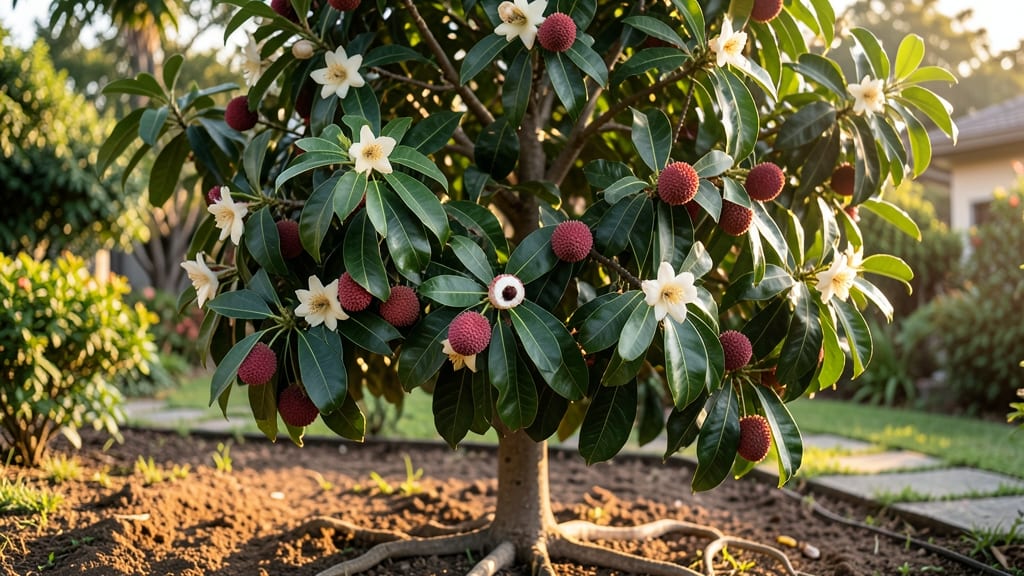
Growing lychee fruit at home means trading patience for sweet, fragrant rewards. 🌿 These tropical trees need warm climates and years of care before they bear fruit, but the first harvest is worth every season of waiting.
My first lychee tree took six years to produce its first crop, and now I'm hooked on the process—and the taste. The key to success starts with the right conditions: temperatures above 60°F year-round, well-draining soil, and full sun exposure.
You'll also need to mimic their natural tropical environment, whether that means planting outdoors in zones 10-12 or creating a greenhouse setup for cooler climates. The trees grow slowly but steadily, reaching 30-50 feet tall if left unpruned.
By year five, you'll start seeing flower buds that eventually turn into those distinctive pinkish-red fruits. The smell alone—like a mix of rose and citrus—makes the long wait worthwhile. With proper care, a mature tree can produce 100+ pounds of fruit each season, though smaller trees yield less.
For those in colder regions, container growing is possible with winter protection. Just be prepared for slower growth and potentially smaller harvests. The real secret? Consistency in watering, pruning, and protecting young trees from frost. Here's how to get started on your tropical fruit journey!
📚 In This Guide
- What you need
- Instructions
- Tips and common mistakes
- Wrapping up and next steps
What you need
- ● Lychee Seeds or Saplings: 2–3 fresh, high-quality lychee seeds (from organic fruit) or
- ● 1–2 grafted lychee saplings (from a nursery, for faster fruiting)
- ● Well-Draining Soil: 50% tropical potting mix (or sandy loam soil)
- ● 30% perlite or coarse sand (for drainage)
- ● 20% compost or worm castings (for nutrients)
- ● Containers or Planting Site: For seedlings: 5–7 gallon pots (with drainage holes) or
- ● For mature trees: 15+ gallon containers or a warm, frost-free outdoor spot (USDA Zones 10–12)
- ● Basic Tools: Pruning shears (sterilized)
- ● Garden trowel or transplanting spade
- ● pH test kit (ideal soil pH: 5.5–6.5)
- ● Fertilizer: Balanced fertilizer (10-10-10) or citrus-specific fertilizer
- ○ Slow-release organic pellets (optional for long-term growth)
- ● Mulch (straw or pine bark) to retain moisture
- ● Drip irrigation system or spray bottle (for humidity-loving seedlings)
- ● Grow lights (if indoors, 12–14 hours/day)
- ● Pollination aid (soft paintbrush) for indoor trees
- ● Cold frame or greenhouse (for colder climates)
Step-by-step instructions for growing lychee fruit at home
Here’s how to nurture a lychee tree from seed to fruit—tropical flavors await, even in cooler climates.
🌱 Step 1: Start with a Healthy Seed and Germinate Properly
Lychee seeds lose viability quickly, so use fresh ones from store-bought fruit. Remove the seed from its pit, rinse it gently, and soak it in lukewarm water for 24 hours to soften the outer shell. Plant it ½ inch deep in a small pot filled with moistened, well-draining potting mix—lychee roots need air to breathe.
Place the pot in a warm spot (75-85°F) with bright, indirect light. Cover the pot loosely with plastic wrap to retain humidity, but remove it daily for 10 minutes to prevent mold. Germination can take 4-8 weeks, so patience is key. You’ll know it’s working when a tiny sprout pushes through the soil—keep the mix consistently moist but never soggy.
☀️ Step 2: Provide Year-Round Warmth and Light
Lychee trees thrive in tropical conditions, so mimic them indoors. Move your seedling to a south-facing window or under a grow light for 12-14 hours daily. If temperatures drop below 60°F, the tree will go dormant or die—keep it near a heat source if needed.
Rotate the pot quarter-turn weekly so the tree grows straight, not lopsided. When new leaves appear, fertilize lightly with a balanced liquid fertilizer (10-10-10) diluted to half strength. Overwatering is the biggest killer—wait until the top inch of soil feels dry before watering again.
🪴 Step 3: Transplant and Prune for Strong Growth
After 6-12 months, when the seedling reaches 12-18 inches tall, transplant it into a 5-gallon pot with fresh potting mix. Lychee trees grow fast, so choose a container with drainage holes. Prune leggy stems back by ⅓ to encourage bushier growth—this also prevents weak branches that can’t support fruit.
Pinch off any flowers that appear in the first year. Lychee trees need 3-5 years to bear fruit, and early blooms will drain the young plant’s energy. Instead, focus on keeping the tree healthy: water deeply 2-3 times weekly in summer, reduce to once weekly in winter, and fertilize monthly with a low-nitrogen, high-potassium blend (like 5-10-10) to support fruiting.
⏰ Step 4: Simulate Tropical Seasons for Fruit Production
To trigger flowering, lychee trees need a dry, cool "winter" followed by a warm "spring." In late fall, reduce watering and stop fertilizing. Move the tree to a cooler spot (60-65°F) for 6-8 weeks, mimicking the dry season. This shock tells the tree it’s time to flower.
After 6 weeks, return the tree to warmth and resume regular care. Flowers will appear in spring, followed by small green fruit. Lychees take 6-8 months to ripen—watch for the skin to turn pinkish-red and smell sweet. Harvest carefully with pruning shears to avoid damaging the branch.
🍈 Step 5: Harvest and Care for Future Crops
Ripe lychees are fragrant and slightly soft to the touch. Store them in the fridge for up to 2 weeks or enjoy fresh. After harvest, resume fertilizing and watering to prepare for next year’s crop. If your tree stays indoors, it may fruit annually, but outdoor trees in warm climates can produce twice yearly with proper care.
Real talk: Growing lychees from seed is a marathon, not a sprint. Most trees won’t fruit until 5+ years old, but the reward—juicy, aromatic fruit—makes it worth the wait. Keep the tree healthy, and it’ll repay you with harvests for decades.
Tips & tricks for growing lychee trees at home
These little-known tricks will help you coax tropical flavors from your windowsill—even if you've never grown fruit before.
Seed Selection: The 24-hour soak in lukewarm water isn't just about softening the shell—it's your first test of viability. If the seed sinks immediately and stays submerged, it's fresh. If it floats or feels hollow when tapped, start over with a new seed. I've ruined three batches because I skipped this simple float test!
Temperature Matters: That 75-85°F range during germination is non-negotiable. Most homes can't maintain this consistently without help. I place my seedling pot on top of my fridge (not near the coils!) during cooler months, and use a small space heater with a thermostat in winter. Even a 5°F drop can stall germination completely.
Light Strategy: South-facing windows work, but only if you live in a truly sunny climate. For everyone else, supplement with a grow light—lychee seedlings need that 12-14 hours of light daily to avoid becoming leggy. I use a simple LED grow bulb on a timer, positioned just 6 inches above the plant. Rotate the pot weekly to prevent the seedling from leaning toward the light source.
Pruning Insight: When you prune those leggy stems back by ⅓ in Step 3, you're not just shaping the tree—you're forcing it to grow stronger branches. I learned this the hard way after my first tree grew a single weak stem that snapped under the weight of fruit. Prune just above a leaf node where new growth can emerge, and always use clean, sharp pruners to avoid disease.
Pro Tips for Grow Lychee Fruit
- These little-known tricks will help you coax tropical flavors from your windowsill—even if you've never grown fruit before.
- Seed Selection: The 24-hour soak in lukewarm water isn't just about softening the shell—it's your first test of viability.
- Temperature Matters: That 75-85°F range during germination is non-negotiable.
Frequently asked questions
Got questions about growing lychee fruit? You’re not alone—this tropical gem has a few quirks! Here are answers to the most common curiosities to help you cultivate success.
Can lychee trees grow in containers?
Yes, but only as young trees! Lychees need deep roots, so a 15+ gallon container with drainage holes works for dwarf varieties (like ‘Wai Chee’). Move them indoors or to a greenhouse in winter if temps drop below 50°F (10°C). Expect slower growth and smaller fruit compared to in-ground trees.
How long does it take for a lychee tree to bear fruit?
Patience is key—lychees are slow starters! Dwarf varieties may fruit in 3–5 years, while standard trees take 5–8 years. To speed things up, plant two trees (they’re self-pollinating but produce more with a partner) and ensure they get full sun, warm temps (75–90°F / 24–32°C), and well-draining soil.
Why are my lychee leaves turning yellow or dropping?
Yellow leaves usually signal overwatering, nutrient deficiency, or pests. Check soil moisture—lychees hate soggy roots. If leaves curl or have sticky residue, scale insects or mites may be the culprit. Treat with neem oil or insecticidal soap. For deficiencies, amend soil with citrus-specific fertilizer (high in zinc and iron).
Can I grow lychees from store-bought fruit?
Technically yes, but it’s hit-or-miss! Remove the seed, dry it for 2–3 days, then plant it 1/4 inch deep in moist, warm soil. Germination takes 3–6 months and success rates are low. For faster results, buy a grafted sapling from a tropical nursery—they’re more reliable and fruit-bearing.
How cold can lychee trees tolerate?
Lychees are tropical and struggle below 30°F (-1°C). Young trees may survive brief dips to 28°F (-2°C) with protection (like frost cloth), but prolonged cold or frost kills them. In colder climates, grow them in containers and overwinter indoors near a sunny window. Hardier varieties like ‘Brewer’ handle slightly cooler temps.
What’s the best companion plant for lychees?
Lychees thrive with shade-tolerant companions like banana plants, papaya, or citrus trees (they share similar care needs). Avoid competitive root systems like bamboo or deep-rooted veggies. Mulch with straw or wood chips to retain moisture and deter weeds—lychees love a humid, well-aerated environment!
Wrapping up and next steps
Growing lychee fruit at home is a rewarding journey that blends patience, tropical care, and a dash of creativity—especially if you’re in a warm climate or have a greenhouse! 🌱 From selecting the right sapling to mastering pruning and pollination, every step brings you closer to those sweet, aromatic treats.
Remember, consistency in watering, sunlight, and soil health is key to unlocking a bountiful harvest.
Now that you’re armed with the know-how, why not take the next step? Start with a single lychee tree, experiment with local growing conditions, and share your progress with fellow plant enthusiasts.
Who knows? You might just inspire others to cultivate their own tropical oasis—or even turn your passion into a small-scale harvest! 🌟