
Pests
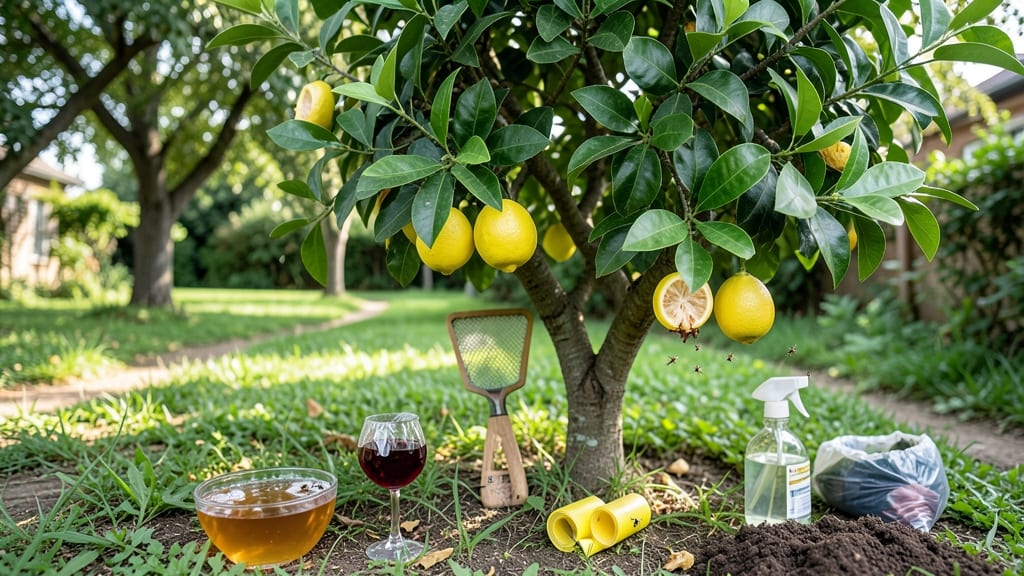
Fruit flies in your houseplants are the worst kind of uninvited guests—tiny, relentless, and multiplying faster than you can say "rotting fruit." 🌱 I’ve battled these pests in my own collection, and the apple cider vinegar trap isn’t just a myth—it’s the foolproof solution that works in hours, not days.
No harsh chemicals, no expensive sprays, just a simple setup that lures them away for good.
The secret lies in their obsession with fermenting scents. Fruit flies can’t resist the smell of vinegar, and once they’re trapped, they won’t come back. You’ll need just three supplies: a small bowl, apple cider vinegar, and a drop of dish soap.
The soap breaks the surface tension, drowning them instantly. It’s beginner-friendly, non-toxic, and effective even in tight spaces where sprays can’t reach.
Within 24 hours, you’ll see a noticeable drop in their numbers, and by 48 hours, your plants will feel like they’ve been given a second chance. The flies disappear, your soil stays clean, and your peace of mind returns.
The best part? This method keeps working as long as you refresh the trap every few days—no need for repeated treatments.
Once the flies are gone, focus on preventing future infestations. Check your plants for overwatering, remove rotting leaves, and store fruits in sealed containers. A little vigilance goes a long way, and soon, your houseplants will thrive without the pesky buzzing. Here’s how to set up the trap right now!
The Hidden Triggers Inviting Fruit Flies
Fruit flies in your houseplants aren’t just a random annoyance—they’re drawn by specific conditions that turn your green friends into a buffet. Understanding these triggers is the first step to stopping the infestation before it starts. Let’s break down the science behind why these tiny pests show up uninvited.
Fruit flies (Drosophila melanogaster) have an uncanny ability to detect ethanol and organic acids—the same compounds released by fermenting or rotting fruit.
Even if you don’t see a banana peel or apple core, hidden sources like: - Fruits left in bowls (especially berries, citrus, or stone fruits like peaches). - Overripe produce in the fridge (yes, they can sneak in there too!). - Damp fruit scraps in trash cans or compost bins.
Why it matters: A single rotting grape or a bruised tomato can emit enough volatile organic compounds (VOCs) to attract a swarm within 24 hours. Once they land on your houseplant soil, they’ll lay eggs, and the cycle begins.
Houseplants with overwatered, nutrient-rich soil create the perfect nursery for fruit fly larvae.
Here’s how it happens: - Excess moisture slows decomposition, creating an anaerobic (low-oxygen) environment where yeast and bacteria thrive. - Decaying plant matter (fallen leaves, dead roots, or old mulch) ferments, producing alcohol and acids—a fruit fly magnet. - Compost or peat-based soils often contain organic debris that accelerates fermentation.
The science: Fruit flies lay eggs in moist, organic material, and larvae hatch in 48–72 hours. If your plant’s soil smells slightly sweet or sour, it’s already a hotspot.
Fruit flies are tiny but mighty fliers, capable of slipping through screens or hitching rides on:
- Fresh groceries (especially produce bags).
- Open windows (they can fly up to 1.5 miles in search of food!).
- Ventilation gaps (even a cracked door lets them in).
Why it’s worse indoors: Once inside, they don’t just target fruit—they’re drawn to houseplant soil, damp sponges, and even pet food. A single female can lay 500 eggs in her lifetime, so one unnoticed entry turns into an explosion.
Some common plant care items accidentally attract fruit flies because of their ingredients:
- Alcohol-based fertilizers (like diluted vodka or wine sprays).
- Sugary nectar from honey or molasses in homemade plant teas.
- Fermented compost teas (if not properly aerated).
The problem: These products leave behind residual sugars or alcohol, which fruit flies detect from feet away. Even a single drop on a leaf can become a landing strip.
Fruit flies thrive in warmth and humidity—the same conditions many houseplants love. If your home has:
- High humidity (above 60%).
- Poor airflow (like a stuffy bathroom or kitchen).
- Heat sources nearby (e.g., near a stove or radiator).
Why it’s a problem: Warmth speeds up fermentation in soil, while humidity keeps moisture levels high—both of which signal to fruit flies that it’s time to dine and multiply.
Sometimes, fruit flies hitch a ride with other insects:
- Ants carrying food scraps.
- Fungus gnats (which also love moist soil).
- Houseflies that land on rotting matter and lay eggs nearby.
The domino effect: If you’re already dealing with fungus gnats or fruit rot, fruit flies will see it as an all-you-can-eat buffet and move in fast.
Before you see swarms, watch for these early warning signals:
- A faint sweet or sour smell near your plants.
- Small, black specks (larvae) in damp soil.
- Adult flies hovering around soil or fruit.
- Yellowing leaves (a sign of root stress from larvae feeding).
If you spot these, act fast—fruit flies reproduce every 8–10 days, and a small problem can turn into a full-blown infestation in weeks.
Quick Fixes for Fruit Fly Havoc
Fruit flies in your houseplants aren’t just annoying—they can multiply fast and turn your green sanctuary into a buzzing battleground. But don’t stress! With the right approach, you can tackle the problem head-on. Below, we’ve mapped out practical, step-by-step solutions based on the root causes we covered earlier.
Each fix is designed to be effective, easy, and plant-safe, so you can reclaim your space without harsh chemicals.
Fruit flies are drawn to decay, so the first step is removing their buffet.
🔥 Step 1: Inspect & Remove
- Check your houseplants, pots, and surrounding areas for overripe fruit, fallen leaves, or rotting soil.
- Toss anything mushy, fermenting, or moldy into a sealed trash bin (not the compost—flies will still find it!).
- Wipe down leaves with a damp cloth to remove sticky residue that might attract flies.
👨🍳 Step 2: Refresh the Soil
- If your plant’s soil smells sour or has mold, replace the top layer (1–2 inches) with fresh, sterile potting mix.
- For potted plants, water thoroughly to flush out any hidden decay.
💡 Pro Tip: 🌡️ Prevent future rot by:
- Watering only when the top inch of soil is dry.
- Choosing well-draining pots with drainage holes.
- Avoiding overcrowding plants (poor airflow = more rot).
Some plants (like monstera or fiddle-leaf figs) produce sap that ferments, creating a fly magnet.
🔪 Step 1: Wipe Down Sticky Spots
- Use a mild soap solution (1 tsp dish soap + 1 cup water) to clean leaves and stems.
- For stubborn residue, dab with rubbing alcohol on a cotton swab—it evaporates quickly and kills flies on contact.
🥘 Step 2: Set Up a Vinegar Trap
- Fill a small bowl with apple cider vinegar + a drop of dish soap.
- Cover with plastic wrap, poke small holes, and place near the plant.
- Flies enter but can’t escape—dispose of them daily for 3–5 days.
✨ Pro Tip: 🎯 For extra protection:
- Place citrus peels (orange/lemon) near plants—flies hate the scent!
- Spritz leaves with neem oil spray (1 tsp neem oil + 1 cup water) to deter future infestations.
Moisture-loving fruit flies thrive in soggy soil. Fix this with better drainage and airflow.
🌧️ Step 1: Improve Drainage
- Repot the plant in a container with drainage holes if it’s currently in a cache pot.
- Add a layer of gravel or perlite at the bottom before fresh soil to prevent waterlogging.
💨 Step 2: Let Soil Dry Between Waterings
- Stick your finger 1 inch into the soil—if it’s damp, wait.
- Use a moisture meter for peace of mind (or just lift the pot—it should feel light, not heavy).
🔥 Pro Tip: 💡 Prevent future dampness by:
- Choosing fast-draining potting mixes (add perlite or orchid bark).
- Watering in the morning so excess moisture evaporates by night.
- Grouping plants with similar water needs together.
Flies squeeze into tiny openings to lay eggs. Inspect and fortify!
🔧 Step 1: Check for Entry Points
- Run your fingers along pot edges, drainage holes, and saucers.
- Seal cracks with silicone caulk or hot glue (ensure it’s non-toxic).
🛡️ Step 2: Use a Fly-Proof Saucers
- Place pots on a tray lined with aluminum foil (flies can’t land on it).
- For extra defense, cover the soil surface with a thin layer of sand or kinetic sand (flies won’t lay eggs in it).
💡 Pro Tip: 🌿 For long-term protection:
- Use terracotta pots (flies struggle to grip their porous surface).
- Elevate pots on feet or stands to reduce hiding spots.
If flies are everywhere, attack from multiple angles:
| Method | How to Do It | Frequency |
|---|---|---|
| Vinegar Traps | Bowl of ACV + soap, replace every 2 days | Daily for 1 week |
| Diatomaceous Earth | Light dusting around soil edges | Weekly (reapply after watering) |
| Essential Oil Spray | 10 drops peppermint/citrus oil + water in spray bottle | 2–3x per week |
| Sticky Flypaper | Hang near plants | Replace weekly |
⏰ Pro Tip: 🔥 For a 24-hour turnaround:
- Clean + trap in the morning.
- Seal gaps and adjust watering by noon.
- Re-trap at night—most flies will be gone in 1–3 days.
Final Reminder: Consistency is key! Fruit flies reproduce every 3–4 days, so stay vigilant for at least 2 weeks after the last sighting. Once your plants are clean and dry, those pesky invaders won’t stand a chance. 🚫🪰
Frequently asked questions
Why do fruit flies keep coming back even after I use traps?
Fruit flies return because they’re still finding food sources! Check for hidden rot in soil, overripe fruit nearby, or damp organic matter. Replace traps every 2-3 days and refresh your cleaning routine—especially if you’ve spotted larvae in soil. The key is removing their buffet, not just catching the adults.
Can I use vinegar traps near my pets or kids?
Yes, apple cider vinegar traps are completely safe! The vinegar smell is harmless to humans and pets, and the dish soap only affects the flies. Just place traps out of paw/reach range and empty them daily to prevent any accidental spills.
Will fruit flies damage my houseplants?
Indirectly, yes—their larvae feed on decaying organic matter and can stress plant roots. While they won’t kill healthy plants, severe infestations may cause yellowing leaves or stunted growth. The real danger is their eggs hatching in soggy soil, which can lead to root rot.
How long until I see results from these methods?
You’ll notice a difference within 24 hours if you combine trapping with soil cleanup! For complete eradication, expect 3-5 days of consistent trapping. The vinegar trap works fastest because it lures and eliminates adult flies before they reproduce.
Can I prevent fruit flies without traps?
Focus on prevention by keeping soil dry, removing rotting plant matter immediately, and storing fruits in sealed containers. Use terracotta pots (flies hate their texture) and sprinkle cinnamon around plant bases—it naturally repels them. Regular leaf cleaning also removes sticky residues they love.