
Planting
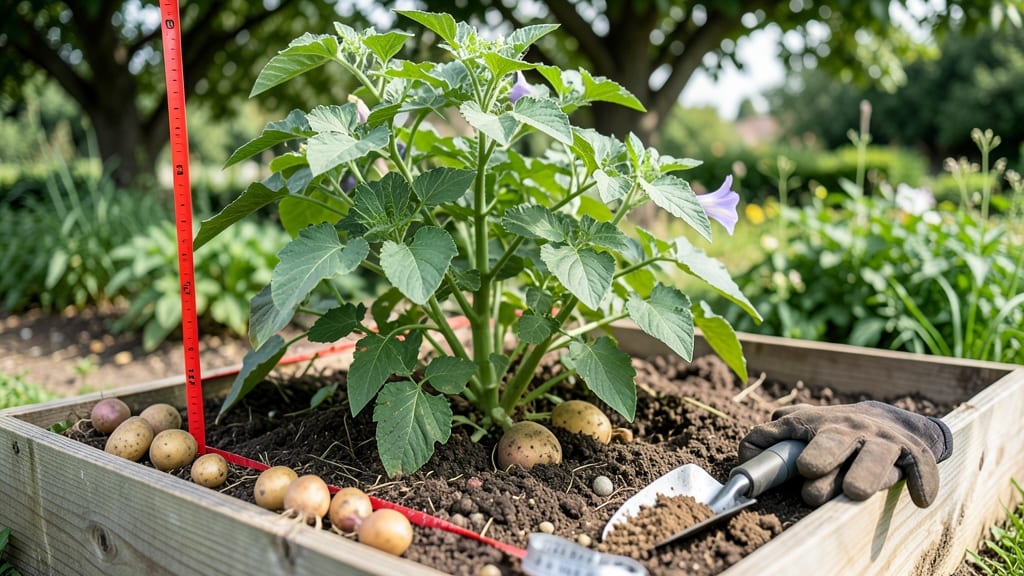
A raised bed for potatoes must be at least 12 inches deep to give those hungry tubers the room they need to grow—anything less risks stunted harvests and wasted effort.
Picture this: you’ve spent weeks planting your 🥔 potatoes, only to dig them up months later and find tiny, underdeveloped tubers because the bed wasn’t deep enough. That’s not just a bummer—it’s a missed opportunity for a bumper crop.
Potatoes thrive when their roots spread freely, and a shallow bed forces them to compete for space. The good news? With the right depth, soil prep, and a few pro tips, you can maximize yield and avoid common mistakes that leave gardeners scratching their heads.
In this guide, I’ll break down the science behind 12-inch minimum depth, how to adjust for different potato varieties, and even what to do if your space is limited. Let’s dig in!
Why potatoes need a 12-Inch minimum raised bed depth (and how to adjust for varieties)
Potatoes are underground powerhouses that need ample root space to develop large, healthy tubers. In a raised bed, the 12-inch minimum depth isn't arbitrary—it's based on how deep potato tubers naturally grow.
Most varieties produce tubers 6-12 inches below soil, but some, like russet potatoes, can stretch deeper. Shallower beds restrict root growth, leading to smaller yields or deformed tubers.
Raised beds also improve soil aeration and drainage, which potatoes crave. Compacted soil or poor drainage in traditional in-ground beds can cause rotten tubers or stunted growth. The 12-inch depth ensures tubers have room to expand while keeping the soil loose and well-draining.
This balance is key to avoiding common potato-growing mistakes like overcrowding or waterlogged roots.
Not all potatoes are created equal. Large varieties, such as russets or Yukon Golds, need deeper beds (up to 18 inches) to accommodate their bigger tubers. On the other hand, smaller varieties, like fingerlings or new potatoes, can thrive in beds as shallow as 8-10 inches.
Understanding your potato variety’s root depth requirements helps you optimize space and yield.
Here’s how the 12-inch rule breaks down for different potato types, along with soil and drainage considerations to keep your harvest thriving:
| Potato Type | Minimum Bed Depth | Root Depth Range | Soil Needs | Drainage Tip |
|---|---|---|---|---|
| Russet Potatoes | 16-18 inches | 10-14 inches | Loose, sandy loam | Add perlite for extra drainage |
| Yukon Golds | 14-16 inches | 8-12 inches | Well-composted soil | Mix in coconut coir |
| Fingerlings | 8-10 inches | 4-8 inches | Light, airy soil | Use raised bed fabric |
| New Potatoes | 10-12 inches | 3-6 inches | Moist, fertile soil | Avoid waterlogging |
| Red Potatoes | 12-14 inches | 6-10 inches | Balanced organic matter | Test soil pH (5.0-6.5) |
If you’re growing multiple potato varieties in one bed, prioritize the deepest-rooted type (like russets) and place them in the center of the bed. Smaller varieties can share the edges.
This strategic placement maximizes space while ensuring all tubers have room to grow. For example, plant fingerlings in the outer 6-8 inches of a 12-inch bed, leaving the center for russets.
Poor soil aeration is another silent yield killer. Potatoes need well-aerated soil to develop properly, which is why raised beds outperform in-ground plots. To further improve aeration, mix in compost or aged manure before planting.
This not only feeds the soil but also creates air pockets that roots love. Avoid heavy clay soils, which can suffocate roots and lead to rotten tubers.
Drainage is equally critical. Stagnant water in a raised bed can drown roots, even if the bed is deep. To prevent this, add a 2-inch layer of gravel or coarse sand at the bottom of your bed before filling it with soil.
This creates a drainage layer that keeps excess water moving away from tuber zones. For containers or very shallow beds, consider using fabric pots with drainage holes to mimic ideal conditions.
One common mistake is assuming deeper always means better. While russets need extra depth, digging a 24-inch bed for fingerlings is overkill. It wastes valuable garden space and can lead to uneven soil moisture
Step-by-step guide to building a potato-friendly raised bed (with depth optimization)
A 12-inch minimum depth is non-negotiable for potatoes in raised beds. Their tubers need space to expand, and shallow beds risk stunted growth or green, toxic tubers. The good news? Building a potato-friendly raised bed is simpler than you think.
Start with rot-resistant lumber like cedar or composite materials, and focus on layers that promote drainage and aeration. Avoid common mistakes like using treated wood or compacting the soil—both can harm your harvest.
Before digging, check your site for 6+ hours of sunlight and well-draining soil. Raised beds should be placed on flat ground to prevent water pooling. I recommend adding a gravel base (2-3 inches) at the bottom for extra drainage, especially in clay-heavy areas.
This small step prevents rot and makes harvesting easier. For larger varieties like russet potatoes, aim for 18 inches of depth to accommodate bigger tubers.
Step-by-Step Raised Bed Construction
- 1 Choose materials: Use untreated wood (cedar, redwood) or composite lumber for a 4x8-foot frame. Avoid pressure-treated wood—chemicals can leach into soil.
- 2 Add drainage layer: Fill the bottom with 2-3 inches of gravel or coarse sand to prevent waterlogging and improve aeration for tuber development.
- 3 Layer soil and compost: Mix 50% garden soil, 30% compost, and 20% perlite for loose, fertile layers. Fill to 12 inches (or 18 inches for large varieties).
- 4 Plant seed potatoes: Place seed potatoes (cut with 2+ eyes) 4-6 inches deep, spacing them 12 inches apart in rows. Cover with 2 inches of soil initially.
- 5 Mulch and water: Top with 2-3 inches of straw mulch to retain moisture and suppress weeds. Water deeply 1-2 times per week, keeping soil consistently moist.
- 6 Hill soil as needed: When plants reach 6 inches tall, mound soil around stems to encourage more tuber formation. Repeat every 2-3 weeks until harvest.
After planting, avoid compacting the soil—walk around the bed instead of stepping directly on it. I’ve found that lightly fluffing the soil with a garden fork every few weeks improves aeration and prevents tuber deformities.
For container-growing, use 5-gallon buckets with drainage holes and fill them with the same soil mix. Just remember: shallow containers will yield smaller potatoes, so prioritize depth over width.
Common mistakes include using clay soil without amendments or skipping the drainage layer. Both lead to rot and poor yields. Test your soil’s pH (aim for 5.0-6.5
For organic gardeners, add worm castings to the soil mix—they boost microbial activity, which potatoes love. Place your raised bed on elevated legs or blocks if your yard floods easily. With the right depth and care, your raised bed will produce bountiful, disease-resistant potatoes. Start small—even a 3x6-foot bed can yield 20+ pounds of potatoes if managed well. Happy planting! 🌱