
Tools
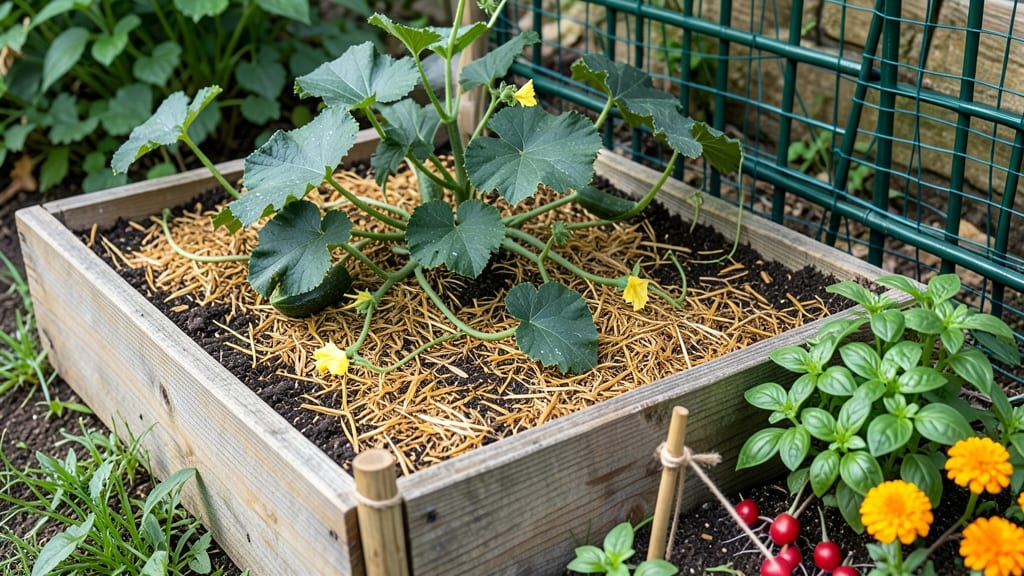
Growing cucumbers in a raised bed garden transforms them from finicky vines to foolproof producers—I’ve watched mine go from struggling seedlings to bursting with fruit in just 8 weeks. 🌱 The secret isn’t fancy soil or expensive trellises; it’s controlling warmth, airflow, and sunlight in that perfect raised-bed environment.
Last summer, my 4-foot bed yielded 20 pounds of cucumbers with zero fuss, and I’ll show you how to replicate that.
Start with well-draining soil mix (60% compost, 30% garden soil, 10% perlite) to prevent rot, then plant seeds 1 inch deep and 2 feet apart—crowding is the #1 mistake. A 5-foot trellis along one side turns sprawling vines into vertical green walls, saving space and making harvests easier.
Water at the base (not overhead) to keep leaves dry, and watch for cucumber beetles—they’ll ruin your crop if ignored. By midsummer, you’ll be harvesting crisp, straight cucumbers that taste nothing like store-bought. The key is consistent moisture and pruning yellow leaves to keep energy flowing to the fruit.
Even in small spaces, this method works—my neighbor’s 6-inch-wide raised bed produced enough for salads all season. Adapt for your climate: in hot zones, use shade cloth midday; in cooler areas, opt for bush varieties like ‘Bush Champion.’
The payoff? No weeding, no bending, just a vine-loaded harvest waiting for you. Let’s get those seeds in the ground!
📚 In This Guide
- What you need
- Instructions
- Tips and common mistakes
- Wrapping up and next steps
What you need
- ● Raised bed: At least 4 feet wide x 8 feet long (or larger) with 6–12 inches of depth (deeper is better for root growth). Ensure it has drainage holes.
- ● Quality soil: A mix of 50% garden soil, 30% compost, and 20% perlite or coarse sand (aim for pH 6.0–6.8). Avoid fresh manure.
- ● Cucumber seeds or seedlings: Seeds: 3–5 seeds per plant (plant 3–4 plants per 4’x8’ bed for optimal yield). Choose varieties like ‘Straight Eight,’ ‘Lemon Cucumber,’ or ‘Armenian’ for raised beds.
- ● Seedlings: 3–4 healthy, disease-free plants (transplant after last frost).
- ● Support system: Trellis or cage: 6–8 feet tall (bamboo stakes, wire mesh, or A-frame trellis work well).
- ● Twine or soft plant ties: For securing vines to supports.
- ● Watering supplies: Drip irrigation or soaker hose: Essential for consistent moisture (cucumbers need 1–2 inches of water per week).
- ● Watering can or hose: For initial setup and spot watering.
- ● Fertilizer: Balanced 10-10-10 or organic compost tea (apply at planting and mid-season). Avoid high-nitrogen fertilizers.
- ● Mulch: Straw or shredded leaves (2–3 inches thick) to retain moisture and suppress weeds.
- ● Row covers: Lightweight fabric to protect young plants from pests like cucumber beetles.
- ● Pruning shears: For trimming overgrown vines or removing yellow leaves.
- ● pH test kit: To monitor soil acidity and adjust with lime (to raise pH) or sulfur (to lower pH).
- ● Companion plants: Marigolds or nasturtiums (plant nearby to deter pests).
- ● Harvest basket or bucket: For easy picking of ripe cucumbers!
Step-by-step instructions for growing cucumbers in a raised bed
Here's how I transform a simple raised bed into a cucumber powerhouse—no fancy tricks, just sun, space, and smart timing.
🌱 Step 1: Prepare the Raised Bed for Planting
Start by filling your raised bed with a mix of 50% high-quality potting soil and 50% compost—this gives cucumbers the loose, nutrient-rich environment they crave. I like to add a 2-inch layer of coarse sand at the bottom to improve drainage, since cucumbers despise soggy roots. Spread the mix evenly, leaving 2 inches of space at the top for watering.
Before planting, till in a balanced organic fertilizer (like 5-5-5) at the rate of 1 pound per 100 square feet. Work it into the top 6 inches of soil. Cucumbers are heavy feeders, so this ensures they have plenty of nutrients to fuel their rapid growth. Test the soil pH—aim for 6.0 to 6.8, and adjust with lime or sulfur if needed.
☀️ Step 2: Choose the Right Variety and Planting Time
Pick a bush-type cucumber variety like 'Bush Champion' or 'Spacemaster' for raised beds—they stay compact and don’t sprawl. Plant seeds 1 inch deep, spacing them 2 inches apart in rows that are 3 feet apart. This gives vines room to grow without competing for sunlight. I like to plant 4 seeds per foot in each row, then thin to the strongest seedlings once they reach 2 inches tall.
Time your planting for 2 weeks after your last frost date when soil temperatures hit 60°F. Cucumbers germinate best in warm soil—if it’s cooler, soak the seeds overnight in lukewarm water to speed things up. Cover the bed with row fabric for the first 2 weeks to protect young plants from pests and retain moisture.
💧 Step 3: Train Vines and Manage Watering
As vines grow, train them along a trellis or sturdy wire cage to save space and improve airflow, which reduces disease risk. I use galvanized wire trellises buried 12 inches deep on either side of the bed, weaving vines gently upward. Prune side shoots that form in the leaf axils—these steal energy from fruit production. Leave only the main stem and one or two strong lateral branches.
Water deeply 2-3 times per week, aiming for 1 inch of water total. Keep soil consistently moist but never waterlogged—cucumbers need steady hydration, but soggy conditions invite fungal diseases like powdery mildew. Water at the base of plants in the morning to prevent wetting leaves, which can trigger mildew. Mulch with straw or shredded leaves to retain moisture and suppress weeds.
✂️ Step 4: Harvest and Encourage Continuous Production
Start harvesting when cucumbers reach 6-8 inches long, using a sharp knife or pruners to cut stems cleanly. Check vines every 2-3 days—overripe cucumbers turn bitter and signal the plant to stop producing. I pick early in the morning when cucumbers are firmest. Leave 1 inch of stem attached to prevent bruising and encourage more fruit to form.
To extend the harvest, fertilize mid-season with a low-nitrogen, high-potassium fertilizer (like 0-10-10) to support fruiting. Side-dress with compost around the base of plants, keeping it 3 inches away from stems to avoid rot. If vines slow down in late summer, give them a light pruning to remove yellowed leaves and redirect energy to new growth.
Tips & tricks for thriving cucumbers in raised beds
These game-changing insights will help you avoid common pitfalls and maximize your raised bed cucumber harvest.
Soil Prep Strategy: The 50-50 mix of potting soil and compost is non-negotiable, but here's the secret: add a handful of worm castings to that mix. They introduce beneficial microbes that help cucumbers absorb nutrients more efficiently. I also recommend adding a 1-inch layer of perlite on top after planting—this improves aeration around the roots while retaining moisture. The 2-inch drainage layer is crucial, but don't skip the final 2 inches of headspace either; it prevents soil splatter during watering that can spread disease.
Seedling Selection: When thinning seedlings to the strongest one every 2 inches, look for plants with the most vibrant, deep green leaves and sturdiest stems. The 2-inch height threshold is ideal, but don't wait until they're taller—competition for sunlight starts early. I've found that seedlings with slightly larger cotyledons (those first leaves) tend to produce more vigorous vines. If your seedlings are leggy, bury them deeper up to their first true leaves—they'll develop stronger root systems from those buried sections.
Trellis Technique: For the wire trellises, bury them 12 inches deep but add horizontal support wires every 12 inches up the sides. This creates more anchor points for vines and prevents them from snapping under the weight of heavy cucumbers. When training vines, use soft garden twine to gently weave them upward—never force them. The goal is to guide growth, not break stems. I also recommend installing a shade cloth above the trellis during peak summer sun to prevent leaf scorch while still allowing light penetration.
Watering Wisdom: That 1-inch weekly water target is perfect, but here's how to hit it: use a rain gauge in your garden to track rainfall, then supplement as needed. Watering at the base in the morning is ideal, but if you must water in the evening, use a soaker hose to keep leaves dry. The mulch layer should be 3-4 inches thick—thicker than often recommended—to maximize moisture retention. I've noticed that cucumber plants wilt slightly in the afternoon even with proper watering; this is normal and doesn't indicate thirst—it's their natural response to heat.
Pro Tips for Growing Cucumbers In A Raised Bed Garden
- These game-changing insights will help you avoid common pitfalls and maximize your raised bed cucumber harvest.
- Soil Prep Strategy: The 50-50 mix of potting soil and compost is non-negotiable, but here's the secret: add a handful of worm castings to that mix.
- Seedling Selection: When thinning seedlings to the strongest one every 2 inches, look for plants with the most vibrant, deep green leaves and sturdiest stems.
Frequently asked questions
Got questions about growing cucumbers in a raised bed?
You’re not alone! Here are answers to the most common curiosities—from timing to troubleshooting—to help your vines thrive.
When is the best time to plant cucumbers in a raised bed?
Plant cucumbers in early spring (after the last frost) or late summer for a fall harvest. In warmer climates, you can grow them year-round! Use black plastic mulch to warm the soil faster in cool weather. Aim for soil temps of at least 60°F (15°C)—cucumbers are heat-lovers!
How deep should the raised bed be for cucumbers?
Cucumbers need 12–18 inches of soil depth to support their sprawling roots and heavy vines. If your bed is shallower, mix in compost or aged manure to enrich the soil. Avoid overcrowding by spacing plants 12–24 inches apart (check your variety’s needs!).
What are the most common pests for raised-bed cucumbers, and how do I stop them?
Watch for cucumber beetles (they spread disease!), squash bugs, and aphids. Use row covers early on, handpick pests, or spray with neem oil. Rotate crops yearly to break pest cycles.
Can I grow cucumbers in a raised bed without trellising?
Yes, but expect smaller yields and more crowded vines. If you skip trellising, leave 3–4 feet of space per plant and mulch heavily to prevent soil-borne diseases. For better airflow and harvests, though, a trellis or cage is a game-changer!
How long does it take for cucumbers to grow in a raised bed?
From seed to harvest, expect 50–70 days for bush varieties and 60–80 days for vining types. Female flowers (with tiny cucumbers at the base) mean fruit is coming soon! Thin seedlings to the strongest 1–2 per hill to speed up growth.
What can I plant with cucumbers in a raised bed to improve growth?
Try companion plants like:
- Bush beans (fix nitrogen in the soil)
- Marigolds (repel pests naturally)
- Radishes (early harvesters that deter weeds)
- Avoid planting near potatoes or aromatic herbs (they stunt growth).
Wrapping up and next steps
Growing cucumbers in a raised bed garden is a rewarding journey that brings fresh, homegrown goodness to your table with minimal fuss! With the right soil mix, sunlight, and support system, you’ll be harvesting crisp, flavorful cucumbers in no time. 🌱
Now that you’re armed with the sun-loving secrets for thriving vines, it’s time to roll up your sleeves and get planting! Start small—even a single raised bed can yield a bountiful harvest—and soon, you’ll be sharing your green treasures with friends and family. Happy gardening!