
Tools
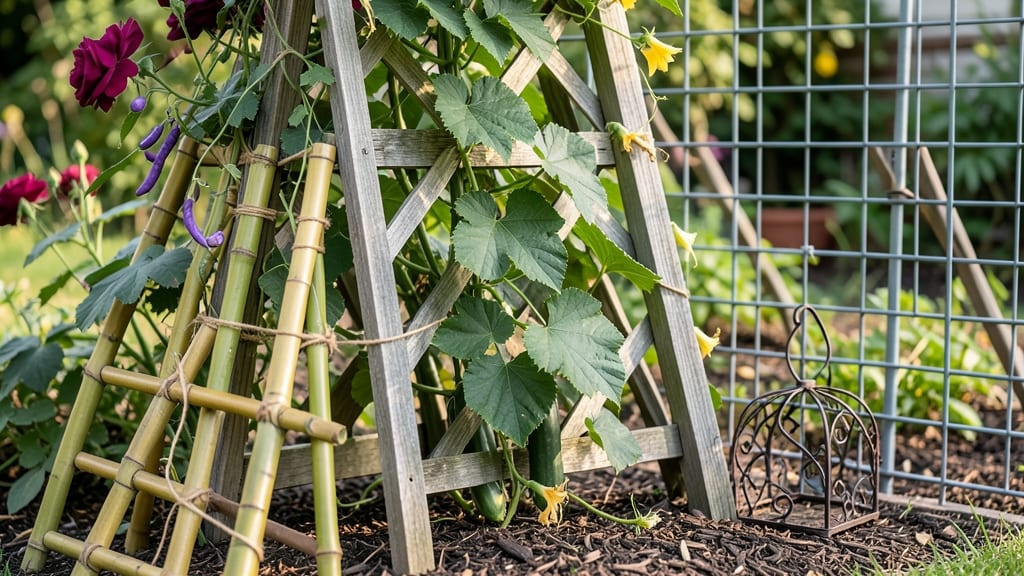
Garden bed trellis ideas can turn a compact plot into a vertical garden masterpiece, where vines like clematis 🌿 climb toward the sky while freeing up precious ground space.
Picture this: a small backyard bursting with lush cucumbers, fragrant roses, and cascading morning glories—all trained upward instead of sprawling across your soil. The secret isn’t just the trellis itself but how you pair it with the right climbing plants for a thriving, space-saving display.
Whether you’re drawn to rustic wooden arches, sleek metal obelisks, or woven bamboo panels, the right trellis transforms your garden into an efficient, eye-catching ecosystem. Below, I’ll walk you through the best materials, plant pairings, and layout tricks to maximize every inch—no matter how tight your space.
From DIY-friendly designs to pro-level installations, you’ll discover how to choose the perfect height, spacing, and style for your climbing plants—plus the one mistake that kills growth before it starts.
Best garden bed trellis types for climbing plants and space efficiency
Vertical gardening transforms tight spaces into productive havens, and the right garden bed trellis makes all the difference. Whether you're growing heavy vines like cucumbers or delicate ornamental climbers like clematis, choosing the perfect structure ensures your plants thrive while maximizing your garden's potential.
The key lies in matching your trellis material, design, and height to your specific plants and space constraints.
From rustic wooden obelisks to sleek metal arches, each trellis type offers unique benefits. Wood provides natural aesthetics and durability, while metal resists rot and supports heavier loads. Plastic options are lightweight and budget-friendly but may lack longevity.
Let’s explore the best trellis designs for your garden bed, including their ideal plant pairings and installation tips to make the most of every square foot.
🌱 comparison table:
| Trellis Type | Best For | Material | Height Range | Pros | Cons |
|---|---|---|---|---|---|
| Obelisks | Cucumbers, beans, peas | Wood, metal, plastic | 4-6 ft | Space-efficient, sturdy, easy to install | Limited height for tall vines |
| Arches | Roses, clematis, wisteria | Metal, wood | 5-10 ft | Aesthetic, supports heavy vines, dramatic look | Requires more space, harder to DIY |
| Cages | Tomatoes, pole beans, morning glories | Wire, plastic, bamboo | 3-5 ft | Budget-friendly, easy to assemble, great for small beds | Less sturdy for heavy vines |
| Ladders | Peas, beans, cucumbers | Wood, metal | 4-6 ft | Vertical space maximization, easy to plant along rungs | Limited width for sprawling plants |
| Spires | Pole beans, cucumbers, squash | Plastic, metal | 5-7 ft | Lightweight, affordable, easy to move | May bend under heavy loads |
| Wall Trellises | Ivy, jasmine, grapes | Wood, metal | 6-12 ft | Vertical garden integration, saves ground space | Requires wall mounting, less portable |
When selecting a trellis, prioritize plant weight and growth habit. Heavy vines like grapevines or passionflowers need sturdy metal or wood arches, while lightweight climbers such as morning glories or nasturtiums thrive on plastic cages or obelisks.
For small garden beds, opt for obelisks or ladders—they fit snugly and allow easy access for pruning and harvesting.
Installation is simpler than you think! For wooden trellises, bury posts 12-18 inches deep for stability, then secure crossbars with screws or brackets. Metal trellises often come with pre-drilled holes, making assembly a breeze.
Plastic options typically snap together, but stake them firmly to prevent tipping. Always position your trellis where it won’t cast unwanted shade on other plants.
Pro tip: Pair your trellis with companion plants that benefit from vertical support. For example, cucumbers and nasturtiums grow well together—cucumbers climb the trellis while nasturtiums deter pests.
This not only saves space but also creates a self-sustaining micro-ecosystem where pollinators thrive. Just ensure your trellis height matches your plants’ mature size to avoid overcrowding.
For small spaces or container gardens, consider modular trellis systems that attach to pots or raised beds. These flexible designs let you adjust support as plants grow, making them perfect for herbs like basil or edible flowers like borage.
Always leave 6-12 inches of space between trellises to allow airflow and prevent disease. A little planning now means fewer headaches—and more harvests—later in the season.
Don’t overlook the aesthetic! A rustic wooden arch adds charm to cottage gardens, while a modern metal frame complements contemporary designs. Mix materials for visual interest, like pairing a bamboo teepee for beans with a wrought-iron arch for roses.
The right trellis doesn’t just support your plants—it elevates your garden’s entire look.
Ready to get started? Begin by sketching your garden layout and noting where sunlight and shade patterns fall. Place taller trellises on the north side of beds to avoid shading shorter plants. With the right trellis in place, your climbing plants will reach new heights—literally and figuratively!
🌿
Top 7 climbing plant pairings that thrive together in garden beds
Pairing the right climbing plants can transform your garden bed into a thriving vertical oasis. The key is combining plants with similar sunlight and water needs while ensuring one plant supports the other's growth habits.
For example, fast-growing cucumbers pair beautifully with nasturtiums—the cucumbers provide shade for the nasturtiums' delicate leaves, while the nasturtiums deter pests with their peppery scent.
Shade-tolerant climbers like pole beans and morning glories work wonders together under partial shade. The beans fix nitrogen in the soil, benefiting the glories' root system, while the glories' vibrant blooms attract pollinators that boost bean production.
This dynamic duo is perfect for garden beds receiving 4-6 hours of sunlight daily.
Fragrant pairings like roses and clematis create a sensory garden experience. Roses thrive with full sun exposure, while clematis benefits from morning sun and afternoon shade. Plant clematis at the base of the rose bush to utilize the rose's established root system, and use a sturdy trellis to support both vines as they intertwine.
🌱 Top 7 Climbing Plant Pairings
- 1. Cucumbers + Nasturtiums – Cucumbers provide shade; nasturtiums deter pests and attract pollinators.
- 2. Pole Beans + Morning Glories – Beans fix nitrogen; glories attract pollinators and add color.
- 3. Roses + Clematis – Roses provide sun; clematis thrives in partial shade and adds vertical interest.
- 4. Peas + Sweet Peas – Both fix nitrogen; sweet peas add fragrance and attract beneficial insects.
- 5. Squash + Marigolds – Squash vines provide shade; marigolds repel pests like squash bugs.
- 6. Kiwi Vines + Honeysuckle – Kiwi thrives in full sun; honeysuckle adds fragrance and attracts pollinators.
- 7. Ivy + Fuchsias – Ivy creates a lush backdrop; fuchsias add vibrant blooms and thrive in partial shade.
For fast-growing vines, consider pairing squash with marigolds. The squash vines spread quickly, providing shade for the marigolds, while the marigolds' strong scent repels squash bugs and other pests. This combination is ideal for garden beds with full sun exposure and well-draining soil.
If you're working with limited space, peas and sweet peas are a fantastic choice. Both plants fix nitrogen in the soil, improving its fertility over time. Sweet peas add a sweet fragrance and attract bees, which pollinate the peas for better yields.
Use a tall trellis to maximize vertical growth and keep the plants off the ground.
Don't overlook the power of fragrant climbers like honeysuckle and kiwi vines. Honeysuckle's intoxicating scent attracts hummingbirds and butterflies, while kiwi vines produce edible fruit. Plant them side by side near a strong trellis or arbor to create a fragrant, productive vertical garden feature.
When planning your garden bed, always consider the mature height and spreading habits of your chosen plants. Pairing vines with complementary growth patterns ensures they support each other without competing for space or resources.
With the right combinations, your garden bed will become a lush, productive, and visually stunning vertical garden.