
Tools
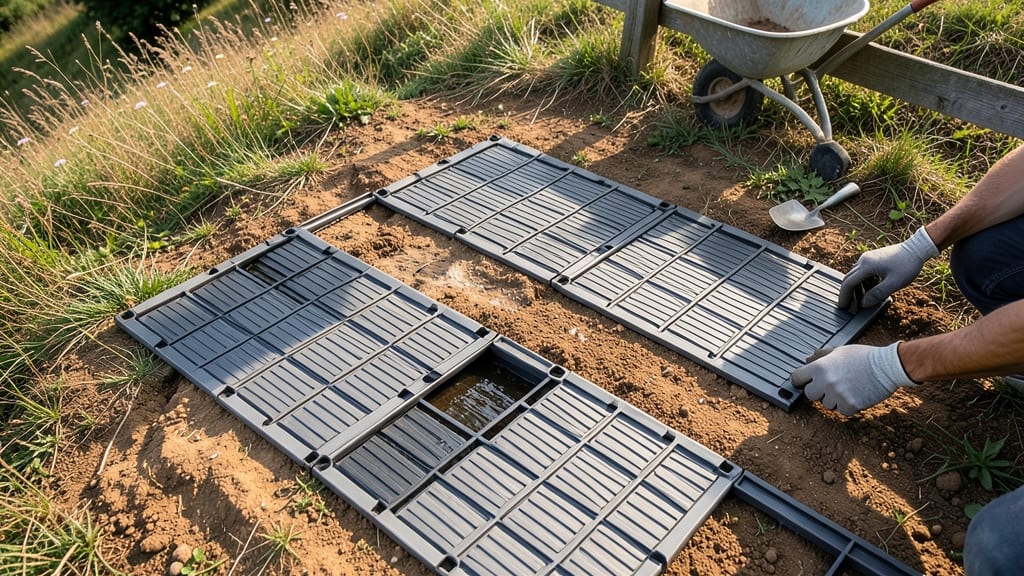
Transforming a sloped yard into a functional garden doesn’t have to be daunting. These 10 terraced garden bed ideas maximize space, prevent erosion, and create stunning visuals while keeping maintenance manageable - perfect for any steep landscape challenge.
Retaining Wall Stone Terraces with Herb Gardens
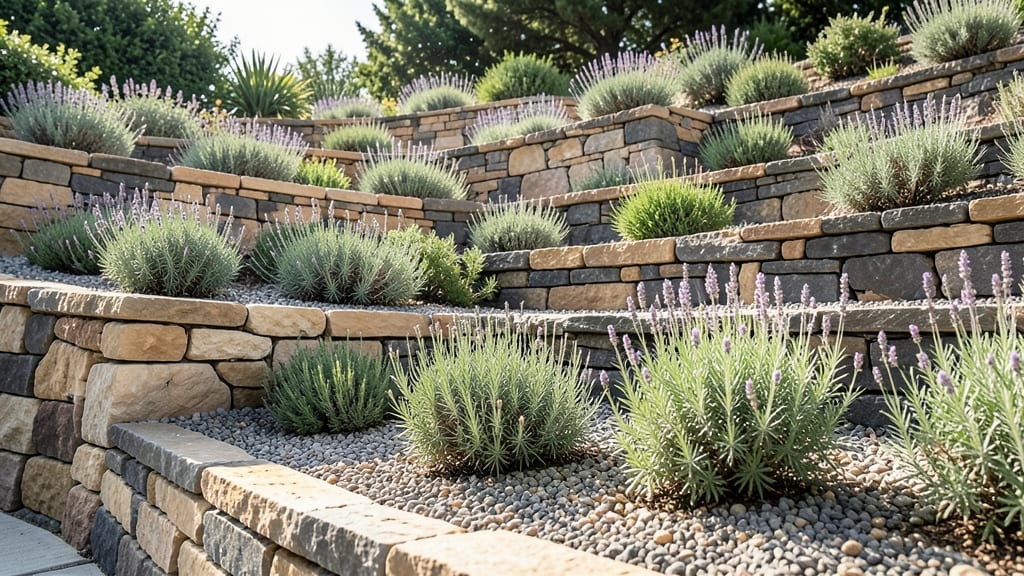
If you're a beginner gardener with a sloped yard, stone retaining walls offer the perfect solution—combining beauty, function, and erosion control. These terraces create defined planting spaces while naturally preventing soil from washing away, making them ideal for drought-resistant herbs like rosemary and thyme that thrive with minimal care.
Start by selecting local field stones or pre-cut retaining wall blocks for stability. Arrange them in staggered rows, slightly wider at the base for strength, and fill each terrace with well-draining soil mixed with compost. Plant herbs along the edges to soften the look while keeping maintenance simple—most require only occasional watering once established.
This approach is perfect for gardeners who want a low-maintenance, natural-looking solution that blends seamlessly with the landscape. The rustic charm of stone also adds timeless appeal to any outdoor space. 💚
Wooden Pallet Tiered Planters for Vegetable Gardens
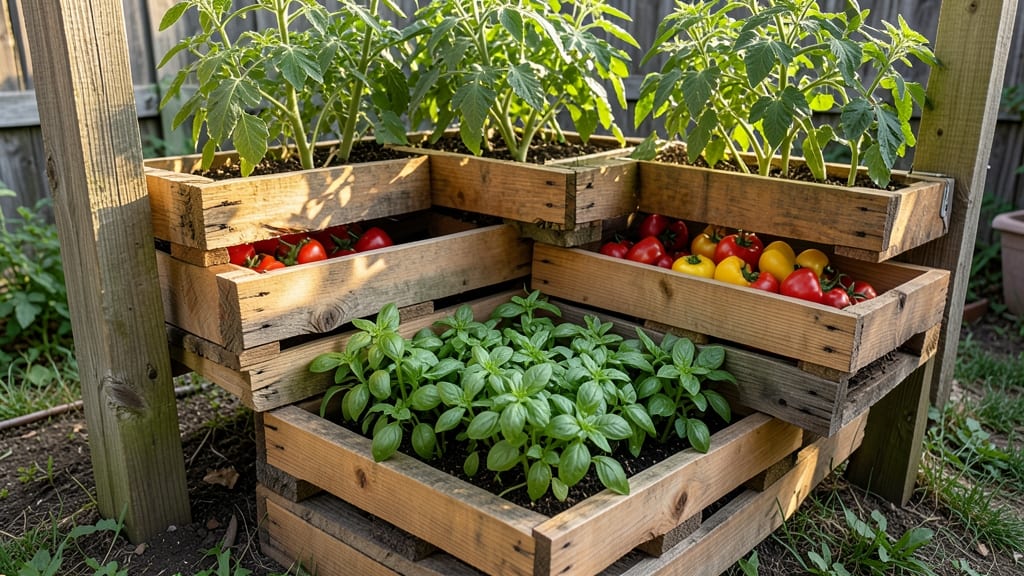
Turn your small urban yard into a thriving vegetable garden with wooden pallet tiered planters—a zero-cost solution that transforms limited space into a productive growing area. These sturdy, repurposed pallets create three-tiered vertical gardens perfect for sun-loving crops like tomatoes, peppers, and lettuce, all while keeping your soil in place on slopes.
Start by sanding and sealing pallets to prevent splinters, then stack them at different heights along your slope. Fill each tier with well-draining potting mix and plant shallow-rooted veggies on the top level (lettuce, herbs) and deeper-rooted crops (tomatoes, peppers) in the lower tiers. Add drip irrigation lines between pallets to simplify watering, and secure them with stakes or bricks to prevent shifting in wind or rain.
This DIY approach is ideal for urban gardeners, beginners, and renters who need flexibility without heavy construction. Plus, the rustic charm of wooden pallets adds character to any small-space garden. 🌱
Bamboo Fence Containment for Steep Slope Flowers
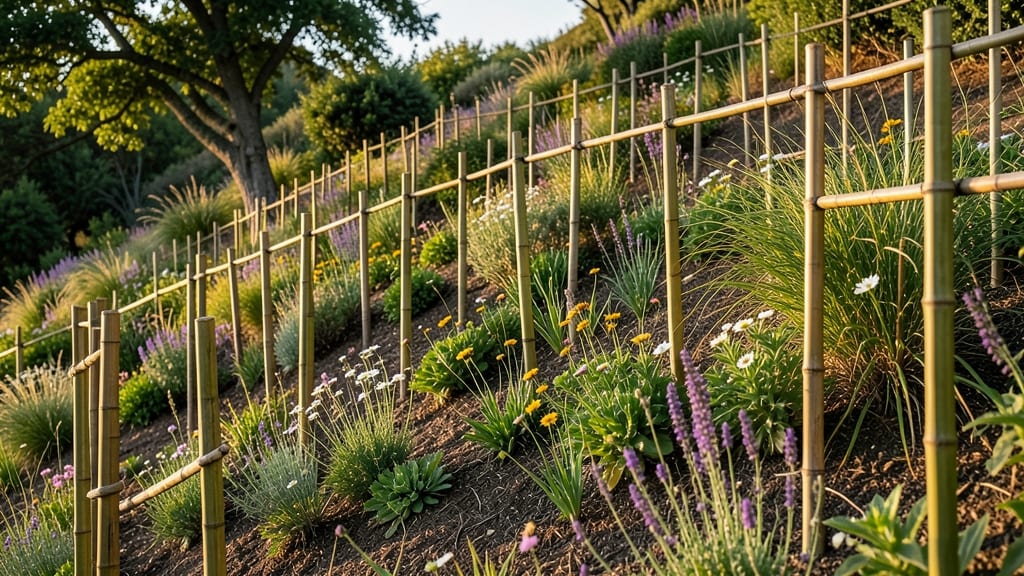
Want a garden bed solution that feels like an extension of nature rather than a constructed structure? Bamboo fence containment creates elegant, defined terraces for wildflowers and perennials while allowing water to drain naturally through the slope.
This eco-friendly method uses flexible bamboo panels to contour the hillside, creating slightly acidic, well-draining soil perfect for native wildflowers like black-eyed Susans or perennials such as asters. The natural gaps between panels let excess water flow downward, reducing erosion while keeping roots hydrated. For extra stability, anchor the fence with stakes every 2-3 feet and line the base with landscape fabric.
Perfect for gardeners who love organic aesthetics and want to support local ecosystems—your pollinators will thank you! 🌻
Lasagna Bedding Technique for Contour Lines
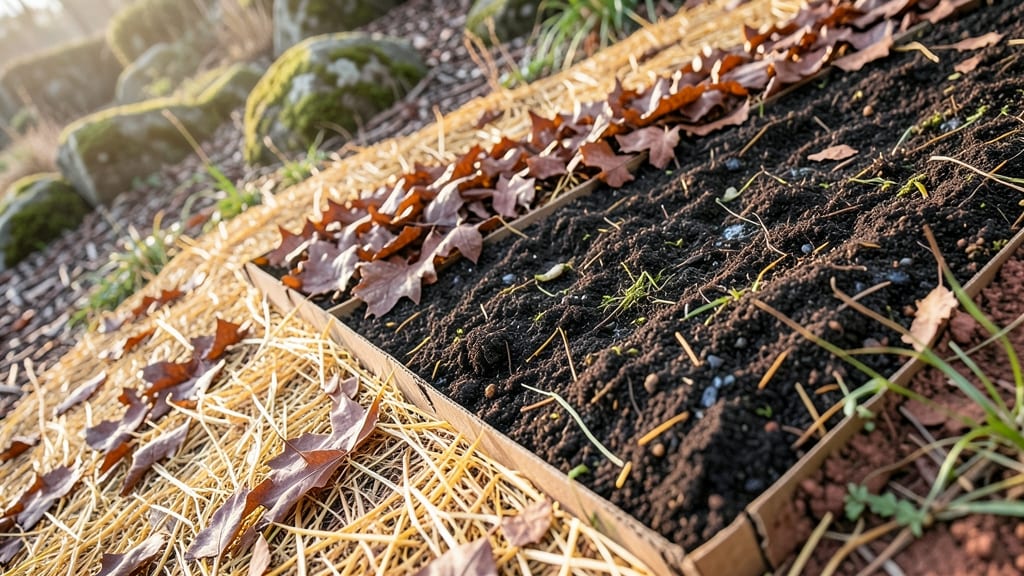
Skip the heavy construction and create natural terraces with the lasagna bedding technique—a zero-waste, organic method that mimics composting layers to stabilize gentle slopes. This approach uses cardboard, straw, leaves, and compost to build soil depth while preventing erosion, all without needing walls or grids.
The process is simple: lay contoured cardboard along the slope, then alternate layers of brown materials (straw, shredded leaves) and green materials (compost, grass clippings). Over time, these layers break down into rich, fertile soil while the weight of the materials naturally follows the slope’s contour. Perfect for organic gardeners, this method also suppresses weeds and retains moisture—ideal for drought-prone areas.
This technique is especially great for renters, beginners, or those avoiding tools—just rake, layer, and plant. It’s the ultimate low-effort way to turn a sloped area into thriving plant beds. 🌱
Gabion Baskets Filled with Succulent Collections
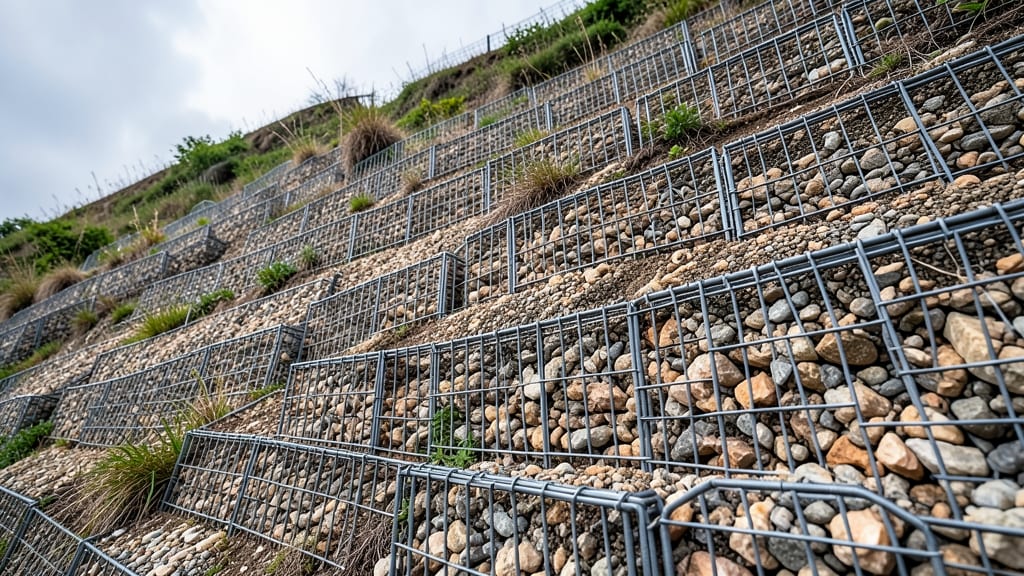
Turn your steep slope into a modern art piece with gabion baskets—wire mesh containers that create striking geometric terraces while solving drainage challenges. These industrial-style planters are perfect for arid climates or areas where water pools, as their open weave allows excess moisture to escape effortlessly.
Fill them with succulents like echeveria, sedum, or sempervivum for a low-maintenance, drought-resistant display that thrives in full sun. Arrange baskets in zigzag patterns or stacked tiers to follow the slope’s natural contour, adding visual interest while preventing soil erosion. The metal’s rustic charm contrasts beautifully with vibrant greens and purples, making it a standout feature in urban or contemporary gardens.
This solution is ideal for gardeners who love minimalist designs but want bold impact—no heavy construction required. Just fill, arrange, and let your succulents spill over the edges for a textured, high-contrast look that’s as functional as it is fashionable. ✨
Root Barrier Systems for Steep Vegetable Terraces
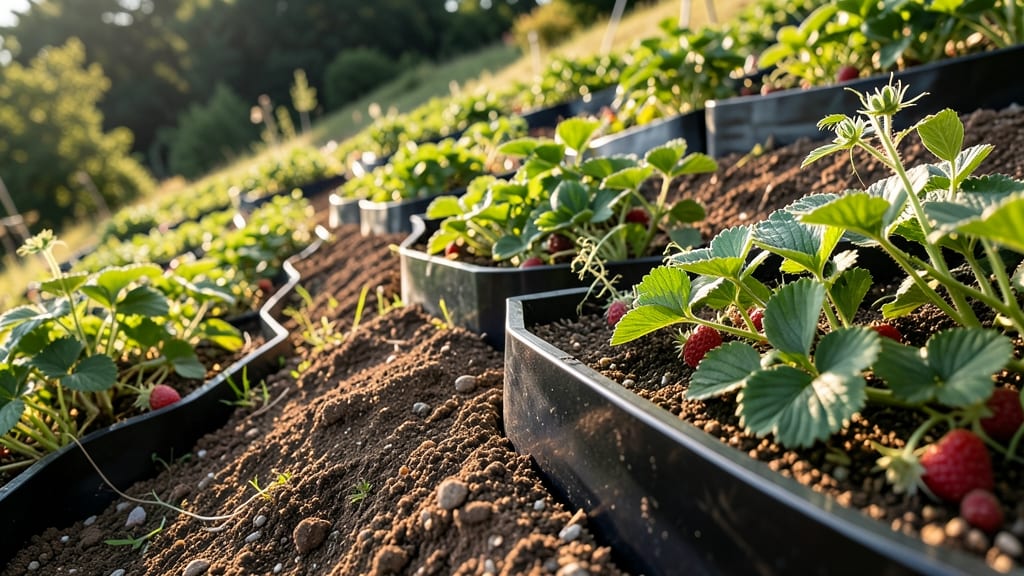
When you're growing high-value crops like strawberries or raspberries on steep terrain, precise control over soil and drainage is everything. Root barrier systems create clean, professional-grade terraces that prevent erosion while giving your plants the well-drained conditions they crave—no guesswork, no wasted soil.
These systems use durable plastic or metal barriers installed along contour lines to contain roots and create defined planting zones. The barriers are buried vertically, forming walls that hold soil in place while allowing excess water to drain freely. For berry plants, this means fewer diseases from soggy roots and higher yields from consistent growing conditions. Install them in early spring before planting, and you'll see immediate benefits in soil retention and plant health.
Perfect for commercial growers or serious home gardeners, these systems pay for themselves with increased crop quality and longevity. They're especially valuable for slopes where traditional terraces would be too labor-intensive. 🌱
Cascading Waterfall Planters with Aquatic Plants
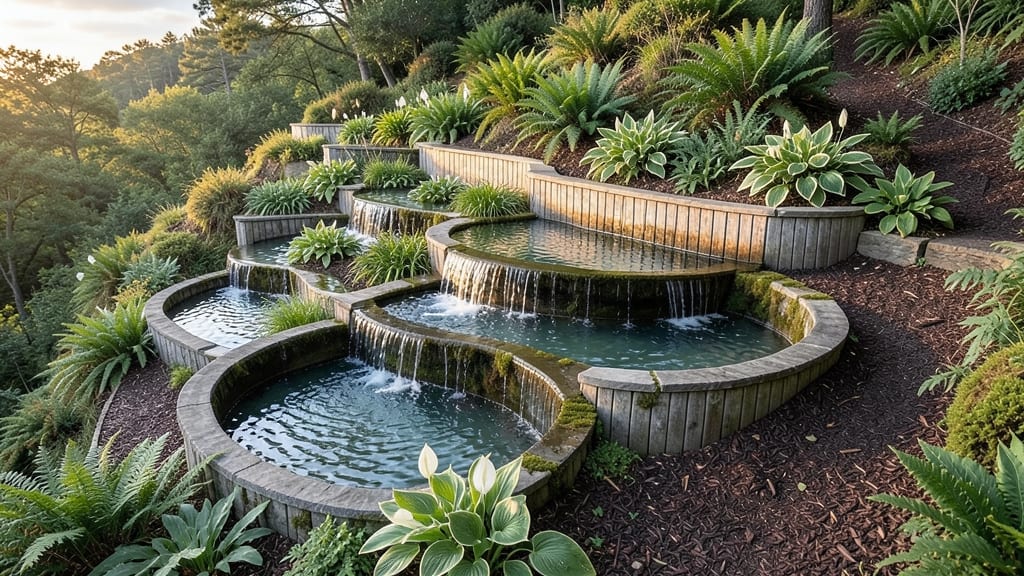
Turn your steep slope into a serene oasis with cascading waterfall planters that double as terraces. This design isn't just functional—it transforms your garden into a soothing retreat with the gentle sound of flowing water while supporting moisture-loving plants like ferns and hostas.
Start by installing a series of interconnected planters along the slope, each with a small water feature that spills into the next. Use waterproof containers with drainage holes to prevent root rot, and fill them with a mix of peat moss and perlite for ideal moisture retention. Place hostas and ferns at the top levels where they'll receive dappled shade, while mosses and astilbes thrive in the cooler, wetter lower tiers. The cascading water not only adds visual interest but also creates a microclimate that keeps plants hydrated in humid climates.
This design is perfect for gardeners in humid regions who want to combine aesthetics with practicality. The soothing sound of water will mask urban noise, making it ideal for urban backyards or small spaces where tranquility is a priority. 🌿
Hillside Raised Beds with Compost Tea Irrigation
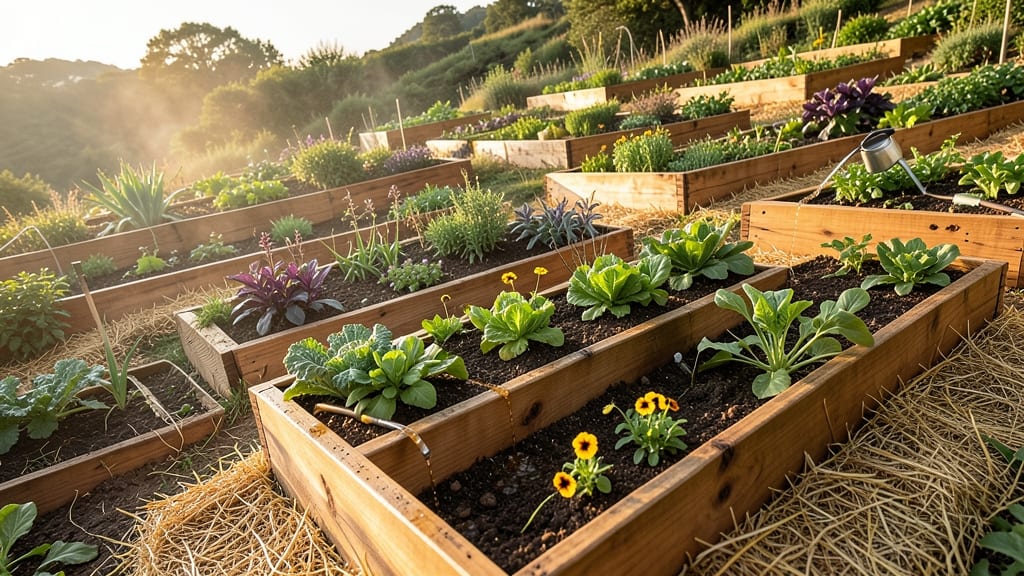
Turn your hillside into a thriving organic garden without the hassle of traditional terraces. Hillside raised beds with compost tea irrigation combine the benefits of raised gardening with a nutrient-rich soil boost, all while preventing erosion on steep terrain.
Start by constructing raised beds along the slope's contour, filled with a mix of compost and native soil. Install a drip irrigation system connected to a compost tea reservoir—this nutrient-packed watering solution feeds your plants while reducing waste. The beds can be built from untreated wood or stone, and their height helps slow water runoff, keeping your soil in place. Perfect for organic gardeners, this system eliminates synthetic fertilizers while improving soil health over time.
This method is ideal for those who want a low-maintenance, high-reward approach to hillside gardening. The compost tea irrigation ensures your plants get steady nutrition, while the raised beds create defined spaces for everything from vegetables to flowers. 💚
Natural Stone Dry Stack Terraces for Mediterranean Plants
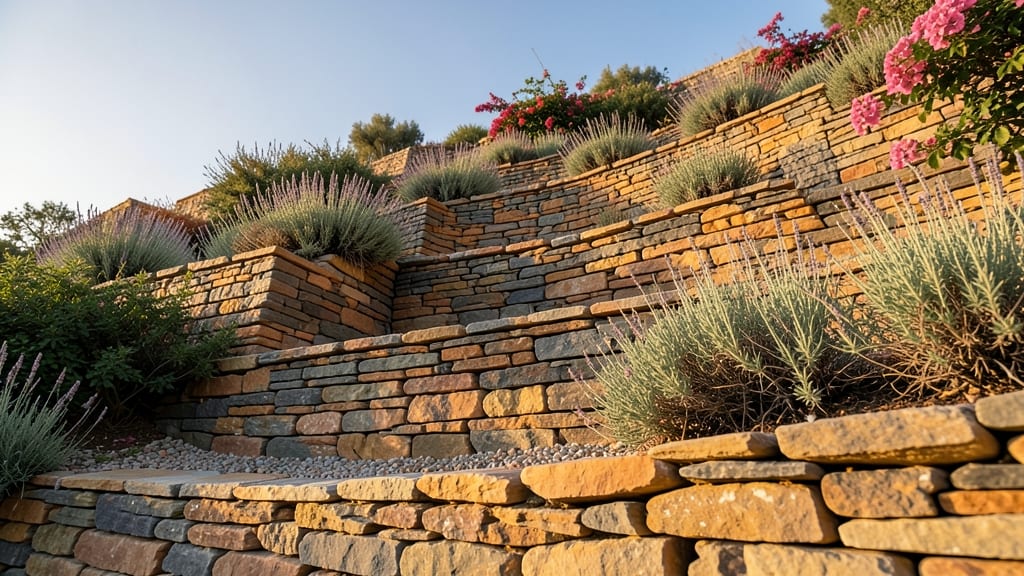
If you love the rustic charm of Mediterranean landscapes but struggle with steep slopes, natural stone dry stack terraces offer the perfect solution. This technique uses irregularly shaped stones stacked without mortar to create stable, erosion-resistant planting areas that blend seamlessly with the terrain.
These terraces excel with drought-tolerant Mediterranean plants like lavender and rosemary, which thrive in the well-draining conditions created by the stone gaps. The textured contrast between the stone's earthy tones and the plants' vibrant foliage creates a striking visual effect while requiring minimal maintenance. For best results, use locally sourced stones to reduce weight and cost, and space plants to allow airflow between terraces.
This design is ideal for gardeners seeking a low-tech, high-impact solution that ages beautifully over time. The natural erosion patterns mimic centuries-old landscapes, making it perfect for heritage-style gardens or modern rustic designs. 🌿
Modular Plastic Grid Systems for Temporary Gardens

If you're a renter, seasonal gardener, or simply love experimenting with plant combinations, modular plastic grid systems are your secret weapon for creating temporary terraces. These interlocking grids snap together in minutes to transform even the trickiest slopes into perfectly leveled planting zones—without permanent construction.
Each grid panel creates a defined planting pocket that holds soil and plants in place while preventing erosion. The best systems feature drainage holes to avoid waterlogging and UV-resistant plastic that won’t degrade under sunlight. You can rearrange sections to test different layouts—swap flower beds for vegetables mid-season or rotate crops yearly—without the hassle of rebuilding. They’re especially handy for container gardening enthusiasts who want to try hillside designs without commitment.
Perfect for urban balconies, backyard rentals, or demo gardens, these systems give you the flexibility to adapt your space as your gardening goals evolve. No heavy materials or long-term installation—just plug-and-play terraces. 🌻