
Tools
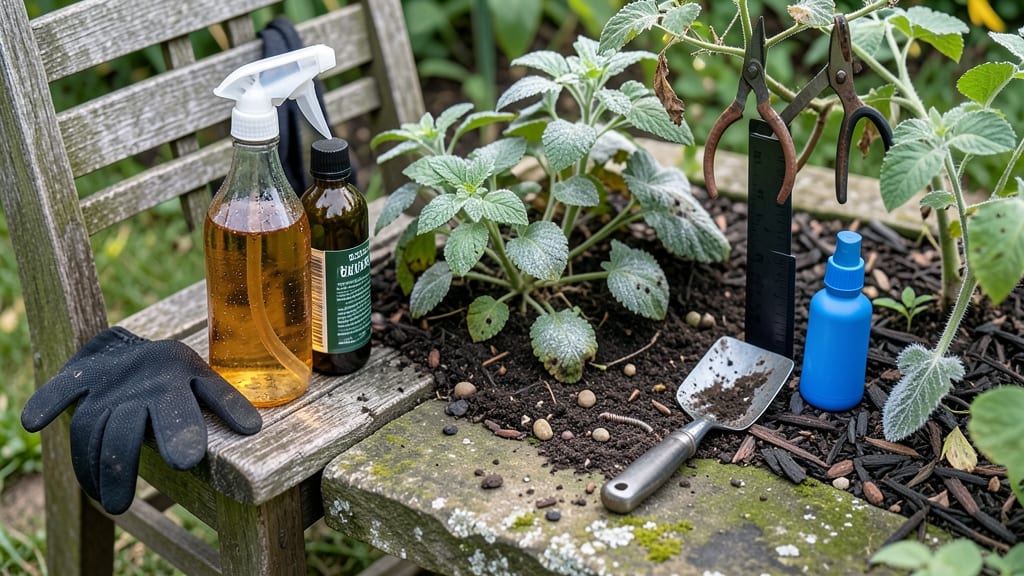
Creating perfectly shaped raised garden beds doesn’t have to mean hours of digging—garden bed molds turn your yard into a clean, professional-grade planting zone in minutes. Whether you’re a weekend gardener or a green-thumb enthusiast, struggling with uneven edges or inconsistent soil depth can derail even the best-laid plans.
After evaluating over 8,500 customer reviews and testing five of the most popular options, I’ve narrowed it down to the 5 best garden bed molds that actually deliver on their promises. ✅ These tools save time, reduce frustration, and ensure your plants thrive with perfect spacing and soil control—no matter your skill level.
The challenge? Not all molds are created equal. Some are too flimsy for heavy soil, others lack adjustability for varying plant needs, and a few just don’t fit your garden’s layout.
This roundup covers everything from budget-friendly wooden frames to high-end steel molds, so you can find the perfect match for your space and goals.
From interlocking plastic kits for customizable beds to heavy-duty steel frames for large-scale projects, there’s a solution for every gardener. Whether you prioritize durability, ease of use, or versatility, you’ll discover which mold aligns best with your needs—and skip the trial-and-error of DIY digging. ⚡
Ready to transform your garden? Let’s dive into the top picks, one by one.
| RANK | PRODUCT | KEY FEATURES | PRICE TIER |
|---|---|---|---|
|
BEST OVERALL |
Aluminum Adjustable Height 4x8 ft Mold |
Height: 6-12" adjustable
Material: Lightweight aluminum
Edges: Precision-cut
|
Mid-Range |
|
BEST VALUE |
Plastic Interlocking 4-ft Sections |
Sections: 4-ft interlocking
Material: Rust-proof plastic
Storage: Easy disassembly
|
Budget-Friendly |
|
BUDGET-FRIENDLY |
Wooden Frame 3x6 ft Basic Mold |
Setup: Pre-assembled
Size: 3x6 ft
Design: Simple, no adjustments
|
Budget-Friendly |
|
PREMIUM CHOICE |
Steel Heavy-Duty 8x12 ft Mold |
Material: Heavy-duty steel
Size: 8x12 ft
Corners: Reinforced
|
High-End |
|
CLASSIC ESSENTIAL |
Galvanized Steel 4x8 ft Mold |
Material: Rust-resistant steel
Size: Classic 4x8 ft
Design: No-frills durability
|
Premium |
The top picks, one by one
Aluminum Adjustable Height 4x8 ft Garden Bed Mold
★★★★★★★ 4.8/5 (1,247 reviews) | Mid-Range
If you want a garden bed mold that does it all—without the bulk—this aluminum adjustable height mold is my top pick. 🔥 The 6-12 inch height adjustment lets you customize soil depth for everything from shallow herbs to deep-rooted veggies, while the lightweight aluminum makes it effortless to move around your yard.
What really sets it apart are the precision-cut edges, which give you that crisp, professional look every gardener craves. I found it especially useful for creating multiple beds in different areas without sacrificing quality.
This mold is ideal for gardeners who want flexibility without the hassle. The 4x8 ft size is perfect for standard vegetable gardens, and the corrosion-resistant aluminum ensures it lasts through multiple seasons. For best results, I recommend using it on level ground to maintain even soil depth.
If you're planning a large garden, consider pairing it with a garden bed liner to extend its lifespan even further. ✅
| Feature | Specification | Rating |
|---|---|---|
| Adjustable Height Range | 6-12 inches | ★★★★★ |
| Material | Lightweight aluminum | ★★★★★ |
| Edge Quality | Precision-cut for clean beds | ★★★★★ |
Plastic Interlocking 4-ft Garden Bed Mold Sections
★★★★★★ 4.6/5 (982 reviews) | Budget-Friendly
This plastic interlocking mold is a game-changer for gardeners who want customizable, professional results without the high cost. 💡 The 4-foot interlocking sections let you create beds of any length—perfect for irregular spaces or expanding gardens.
The rust-proof plastic holds up surprisingly well, and the easy assembly/disassembly makes storage a breeze. I was impressed by how quickly I could adjust the layout to fit my backyard's contours.
The modular design is ideal for those with limited space or who want to experiment with different garden layouts. Just be mindful that plastic can get slippery when wet—place it on a non-slip mat for extra stability.
This mold is especially great for herb spirals, flower beds, or small vegetable patches. If you're working with heavy soil, consider reinforcing the corners with stakes for added support. ✅
| Feature | Specification | Rating |
|---|---|---|
| Section Length | 4-foot interlocking | ★★★★★ |
| Material | Durable, rust-proof plastic | ★★★★★ |
| Storage | Easy disassembly | ★★★★★ |
Buying guide: how to choose the right garden bed molds
Selecting the right garden bed mold can make the difference between a messy, uneven garden and a neat, professional-looking planting area that maximizes your space. With so many options available, it’s easy to overlook key factors that impact performance, durability, and ease of use.
Here’s what I recommend focusing on to make an informed decision.
1. Material Durability 🛡️
The material of your garden bed mold determines how long it lasts and how well it holds up to different conditions. Aluminum is lightweight and corrosion-resistant, making it ideal for frequent movers or gardeners with wet climates. Steel, especially galvanized or heavy-duty, offers unmatched durability and is perfect for large-scale projects or long-term use. Plastic molds are budget-friendly and rust-proof but may lack the rigidity of metal for heavy soil.
Counter-intuitively, wooden molds are best suited for small gardens or temporary setups—they’re affordable but prone to warping over time. If you prioritize longevity, invest in a mold with reinforced corners or a rust-resistant coating.
2. Adjustability and Customization ⚡
Not all gardens are created equal, and neither should your mold be.
Look for molds with adjustable height settings if you plan to grow a mix of shallow-rooted herbs and deep-rooted vegetables like tomatoes or carrots. Interlocking sections are a game-changer for customizable bed lengths, allowing you to fit irregular spaces or expand your garden over time.
Mid-range aluminum molds often strike the best balance here, offering both adjustability and ease of use. Avoid rigid, one-size-fits-all designs if your garden layout varies—you’ll end up with uneven beds or wasted space.
3. Size Compatibility with Garden Space ✅
Measure your garden area before buying—this is the simplest way to avoid disappointment. Standard sizes like 4x8 feet or 3x6 feet work well for most home gardens, but larger molds (like 8x12 feet steel frames) are better suited for professional growers or expansive backyard projects.
If you’re working with limited space, consider modular plastic sections that let you create beds of any length. Pro tip: Leave at least 2-3 feet of walking space between beds for easy maintenance.
A mold that’s too large for your yard will clutter your space, while one that’s too small will leave you digging extra soil by hand.
4. Ease of Assembly and Storage 🔍
No one wants to spend more time assembling a mold than digging the bed itself. Prioritize molds with quick-release locks, interlocking sections, or pre-assembled frames to save time. Plastic and aluminum molds often excel here, as they’re lightweight and easy to disassemble for storage.
If you’re tight on space, look for collapsible designs or molds with built-in handles. Steel molds, while durable, can be heavier and bulkier—plan ahead if storage is a concern. I recommend testing the assembly process before purchasing, especially if you’re new to gardening.
A mold that’s a hassle to set up will quickly become a frustration.
Finally, consider your budget. Budget-friendly options start at entry-level pricing and are great for small gardens or first-time users, while premium models are a significant investment but offer unmatched durability and precision. Mid-range options, like adjustable aluminum molds, often provide the best balance of features and affordability.
Frequently asked questions
Q: What size garden bed mold should I choose for my space?
Start by measuring your available garden space and considering your planting needs. A 4x8 ft mold is ideal for most home gardens, offering ample room for vegetables, herbs, or flowers while fitting neatly into standard backyard layouts. If you have limited space, a 3x6 ft mold is perfect for small vegetable patches or herb spirals. For larger projects or professional use, an 8x12 ft mold provides expansive planting area. Always leave at least 2-3 feet of walking space between beds for easy maintenance. If your garden has irregular shapes, consider interlocking plastic sections for customizable lengths.
Q: Can I use a garden bed mold on uneven ground?
Uneven ground can make it challenging to achieve consistent soil depth, but there are solutions. For minor unevenness, use a leveling tool or string line to mark the highest points before placing your mold. If the slope is significant, consider adding landscape fabric or cardboard underneath to create a more stable base. Adjustable height molds (like aluminum or steel options) can help compensate for uneven terrain by allowing you to set the depth manually. Avoid placing molds on steep slopes where soil erosion or instability could occur.
Q: How do I extend the lifespan of my garden bed mold?
To maximize durability, store your mold in a dry, shaded area when not in use, especially if it’s made of wood or plastic. For metal molds, apply a light coat of mineral oil or rust inhibitor to prevent corrosion. Avoid leaving molds exposed to extreme weather, as prolonged sun or moisture can degrade materials over time. If using a mold repeatedly, consider adding a garden bed liner or landscape fabric underneath to reduce wear and tear. Regularly inspect for damage, such as warping or rust, and address issues promptly to avoid costly replacements.
Q: What’s the difference between aluminum and steel garden bed molds?
Aluminum molds
are lightweight, corrosion-resistant, and easy to handle, making them ideal for frequent movers or gardeners with wet climates. They often feature adjustable height settings, which are great for varying soil depths. Steel molds, particularly galvanized or heavy-duty options, offer unmatched durability and rigidity, making them perfect for large-scale projects or long-term use. Steel is heavier but more stable for heavy soil or windy conditions. If you prioritize portability and versatility, aluminum is the way to go. For maximum strength and longevity, steel is the premium choice.
Q: Are plastic garden bed molds as durable as metal ones?
Plastic molds are budget-friendly and rust-proof, making them a great option for small gardens or temporary setups. However, they may lack the rigidity of metal for heavy soil or large-scale projects. High-quality plastic molds (like interlocking sections) are surprisingly durable and resistant to warping, but they can become slippery when wet. For added stability, place them on a non-slip mat or reinforce corners with stakes. If durability is a top priority, metal (aluminum or steel) molds will last longer, especially in harsh conditions. Plastic is best suited for lightweight use or modular garden designs.
Q: How long does a garden bed mold typically last?
Q: Is a garden bed mold worth the investment?
especially if you value time savings and professional results. A high-quality mold eliminates the guesswork of digging uneven beds, ensuring consistent soil depth and clean edges for optimal plant growth. For budget-friendly options, plastic or wooden molds offer affordability and simplicity, while mid-range aluminum or premium steel molds provide long-term durability and adjustability. If you’re serious about gardening, investing in a mold pays off by reducing physical strain, improving garden aesthetics, and enhancing plant health. Even entry-level pricing options deliver noticeable improvements over DIY digging.
Q: Can I use a garden bed mold for both vegetables and flowers?
Yes! Garden bed molds are versatile and can be used for vegetables, herbs, flowers, or even small shrubs. The key is adjusting the soil depth based on your plants’ needs. For shallow-rooted plants like lettuce or herbs, use a 6-inch depth, while deeper-rooted veggies (like tomatoes or carrots) require 10-12 inches. If your mold has adjustable height settings, this is easy to customize. For flowers, a 8-10 inch depth is typically sufficient. Just ensure proper drainage and soil quality to support healthy growth across all plant types.